
Are Solar Pool Covers Worth It? (An Honest Look for Aussie Pool Owners)
Solar pool covers work by reducing evaporation and trapping heat, helping Aussie pool owners keep water warmer, save water, and lower chemical costs—though the convenience trade-offs and lifespan should be considered before buying.

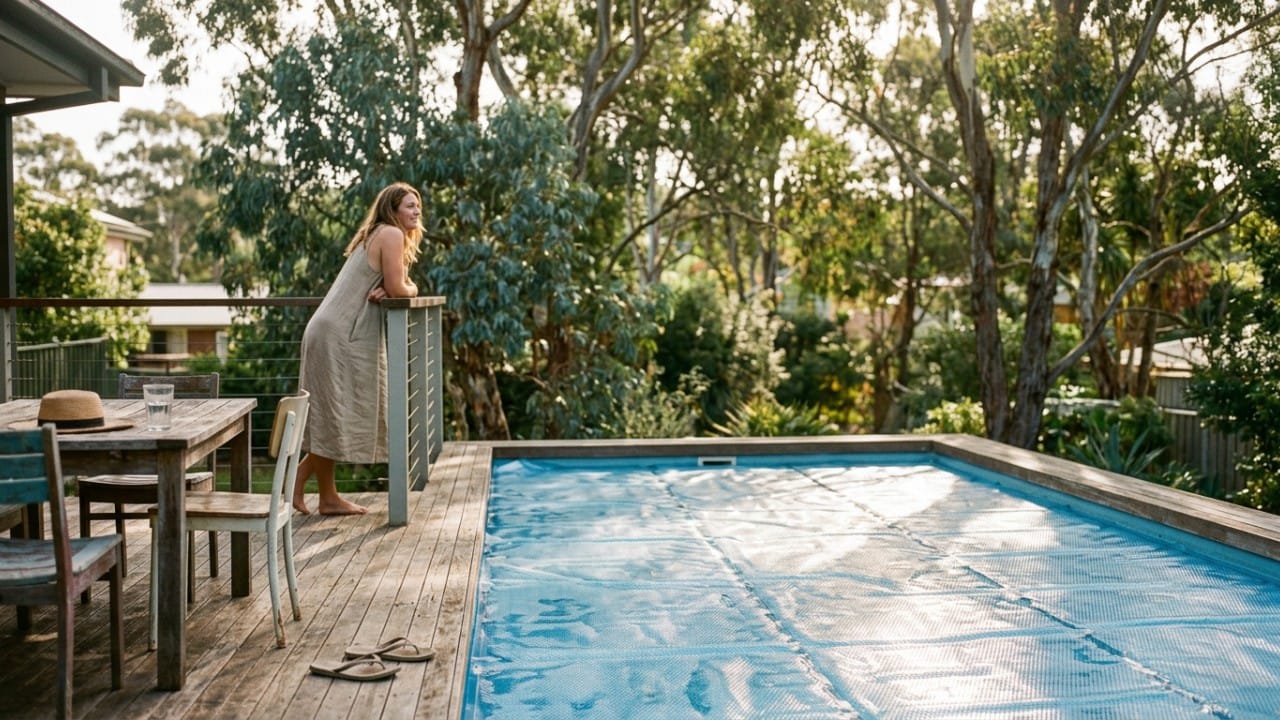
It can be incredibly frustrating to get ready for a relaxing weekend swim, only to dip your toe in and realize your pool feels like an ice bath. While active heating systems are fantastic, they can take a heavy toll on your monthly energy bills.
Enter the solar pool cover. Often referred to as a "solar blanket" or "bubble cover," these giant sheets of heavy-duty bubble wrap are heavily promoted as the ultimate eco-friendly pool hack. But do they actually work, or are they just a cumbersome piece of plastic that will end up taking over your backyard?
If you are debating whether a solar cover is worth the investment, here is a transparent look at the science, the true benefits, and the very real downsides you need to consider before buying.
How Do Solar Pool Covers Actually Work?
To understand if a solar cover is worth it, it helps to understand the science behind it. There is a common misconception that solar covers have special technology that actively "heats" your pool. In reality, their power lies in retention.
Trapping Heat vs. Generating Heat
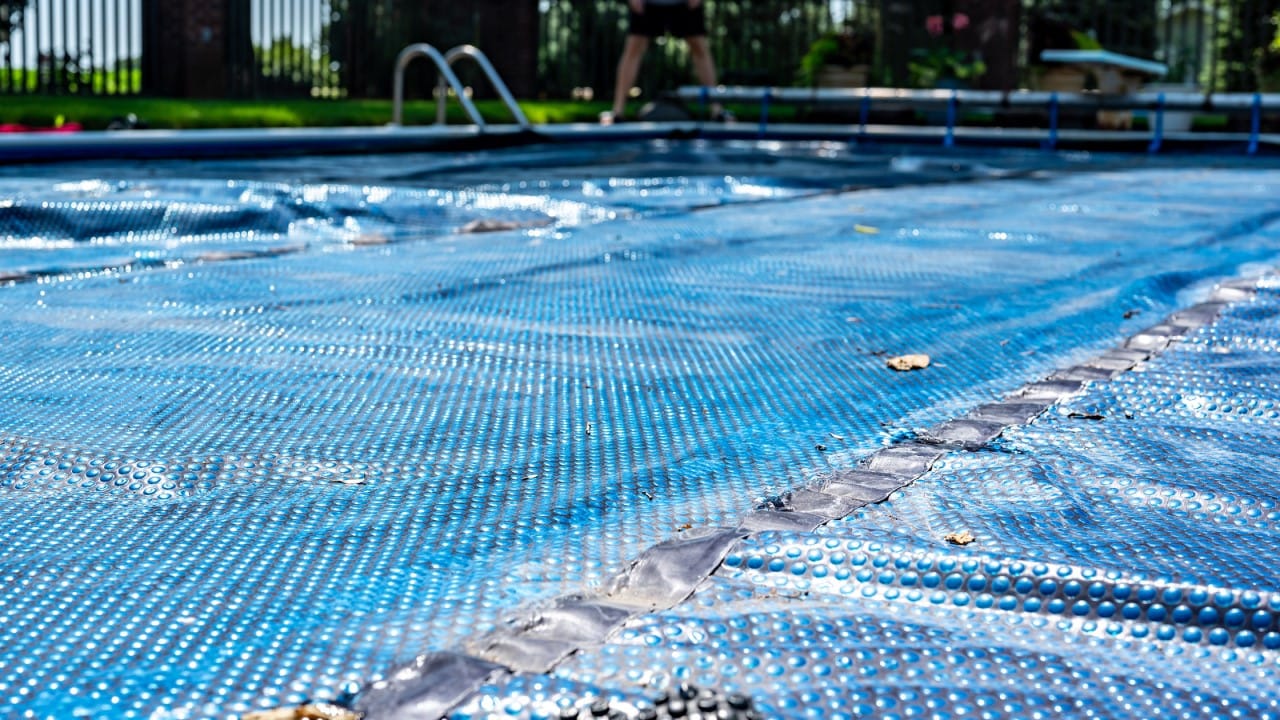
During the day, a translucent or light blue solar cover allows the sun's UV rays to pass through and naturally warm the water. The air pockets (the bubbles) then act as an insulating layer.
When the sun goes down and the ambient temperature drops, your pool naturally loses the heat it gained during the day. A solar cover acts as a physical thermal blanket, trapping that natural heat in the water. If you are looking for ways to actively raise the temperature of your water regardless of the sun, you may want to explore our complete guide on how to heat your pool. However, even with a gas or electric heater, a solar cover is essential for trapping that expensive heat overnight so you aren't literally burning money.
The Battle Against Evaporation
Evaporation is the single biggest culprit behind heat loss in a swimming pool. When water evaporates, it takes the heat with it. By placing a physical barrier over the surface of your water, a solar pool cover almost entirely halts evaporation. In fact, using a cover is one of the most effective strategies to reduce pool water evaporation, saving you both heat and water.
The Real Pros and Cons of Solar Blankets
Making the right choice comes down to weighing the financial benefits against the physical convenience.
The Benefits: Warmer Water, Lower Bills
- Extended Swimming Season: By retaining natural solar heat, a good cover can raise your pool's temperature by up to 8 degrees Celsius, allowing you to swim comfortably earlier in spring and later into autumn.
- Massive Water Savings: Because they block evaporation, solar covers save thousands of litres of water per season, meaning you'll spend far less time running the hose to top up your pool.
- Chemical Retention: The sun's UV rays naturally degrade chlorine. A cover protects your water from the sun, and by stopping evaporation, it prevents your expensive pool chemicals from vanishing into the air.
The Negatives: The Hassle and the Lifespan
- They Can Be Cumbersome: Manually pulling a wet, heavy cover off a pool and folding it up is tedious. For a solar cover to be truly "worth it" for most people, it practically requires the additional purchase of a pool roller system.
- They Have a Limited Lifespan: Solar covers sit in harsh UV light and pool chemicals all day. Eventually, the plastic will become brittle, and the bubbles will start to flake off into your pool. You can expect to replace a standard cover every 3 to 5 years.
Managing Your Pool With a Solar Cover
Using a cover changes your pool maintenance routine slightly. Here is what you need to prepare for.
Keeping the Pool Clean
While a solar cover does a great job of keeping autumn leaves and airborne dust out of your water, that debris simply gathers on top of the blanket. When you roll the cover up, a lot of that dirt inevitably slides right back into the pool.
If there are puddles on the cover, you'll want to clear them first—check out our tips on how to remove water from a pool cover without a pump to make rolling it up easier. Once the cover is off, dealing with the sunken debris can be a chore. Instead of dragging out manual vacuum hoses after you've already wrestled with the cover, dropping in a cordless robotic pool cleaner, like an Aiper device, is a hassle-free way to independently scrub the floor and walls while you get back to enjoying your swim.
Maintenance and Off-Season Care
To get the most out of your investment, you need to care for the cover itself. If you notice small tears or degrading bubble sections, you can often extend its life by learning how to repair your pool cover. Furthermore, as the swimming season ends, you'll need to decide on your winter strategy. Many pool owners ask, "do I need a pool cover in winter?"—the answer depends on your local climate, but swapping a solar blanket for a heavy-duty winter cover is often the safest bet.
Answering Your Biggest Solar Cover Questions
When should you not put a solar cover on a pool?
You should leave your solar cover off immediately after "shocking" your pool or adding a heavy dose of liquid chlorine. High concentrations of chlorine need to off-gas to work properly. If you trap those potent fumes under the cover, it will rapidly degrade the plastic bubbles and severely shorten the lifespan of your blanket. Leave the pool uncovered for at least 24 hours after a chemical shock.
Can you leave a pool solar cover on all the time?
While you technically can, it isn't recommended. Leaving the cover on continuously without allowing the water to breathe or circulating the pool water can create a warm, stagnant environment—the perfect breeding ground for algae. It is best practice to pull the cover back periodically, run your filter, and let the skimmer do its job.
Thickness Matters: Microns Explained
When shopping for a solar cover in Australia, you will notice they are rated in "microns" (usually ranging from 400 to 500+ microns).
A common myth is that a thicker cover will heat your pool better. This is false. The thickness of the cover primarily dictates its physical durability. A 500-micron cover will resist UV and chemical degradation longer than a 400-micron cover, meaning it will survive more seasons before the bubbles start flaking. However, thicker covers are also heavier and harder to roll up. If you want longevity, invest in a thicker micron rating, but pair it with a good quality roller.
The Verdict: Is a Solar Pool Cover Worth the Investment?
Yes. If your primary goals are to swim in warmer water, save money on pool chemicals, and reduce your water bills, a solar pool blanket is arguably the most cost-effective investment you can make for your backyard pool.
However, they are only worth it if you actually use them. If dragging the cover on and off the water sounds like a chore you will eventually skip, the cover will end up rolled up in a corner of your yard. To get the maximum value and the least amount of frustration out of a solar cover, budget for a sturdy roller system right from the start.