
Bushfire Smoke & Your Pool: Effects on Water Quality & Cleanup Guide

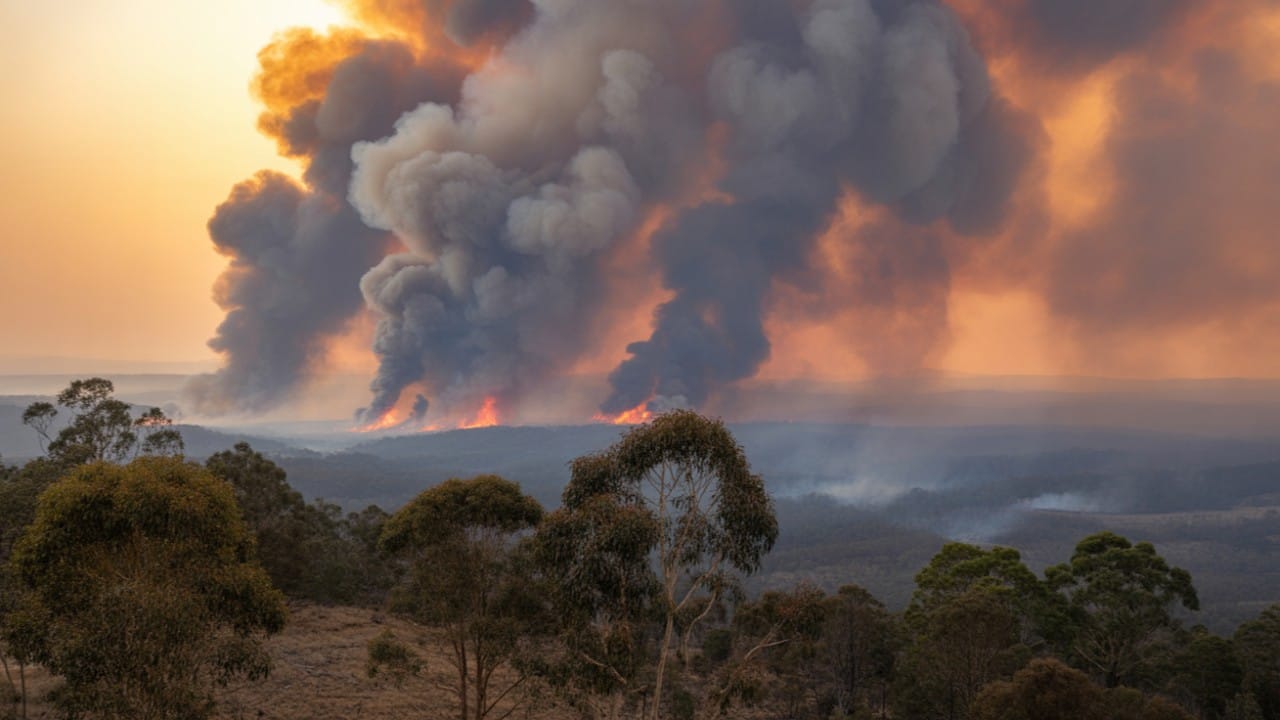
Australian summers are iconic, but they often bring the threat of bushfires. While we instinctively protect our homes and lungs, it is easy to overlook another backyard victim: your swimming pool.
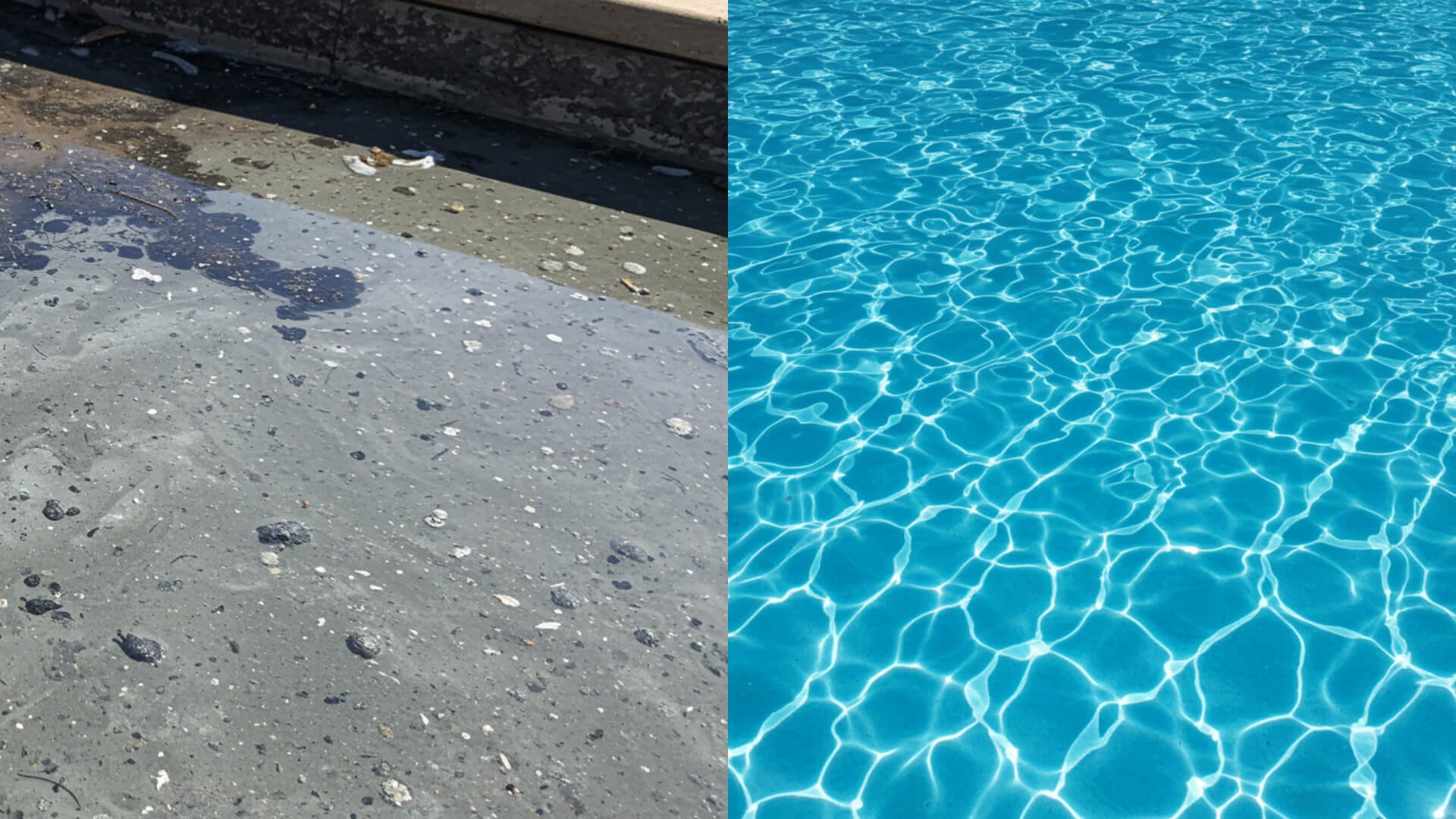
When smoke blankets the sky, you might wonder, How does bushfire smoke affect pool water quality? It is not just about unsightly debris floating on the surface. The invisible chemistry changes caused by ash can turn a sparkling oasis into a cloudy, algae-ridden swamp overnight.
In this guide, we will break down the science behind smoke damage, provide a step-by-step cleanup plan endorsed by industry standards, and show you how to restore your pool efficiently.
How Does Bushfire Smoke Affect Pool Water?
Bushfire ash is chemically different from regular garden dust. It is light, oily, and packed with organic matter that wreaks havoc on your water balance.
1. The Phosphate Spike
According to the Swimming Pool & Spa Association of Australia (SPASA), bushfire ash is loaded with phosphates. Phosphates are the primary food source for algae. Even if your chlorine levels are normal, a spike in phosphates can lead to a rapid algae bloom, turning your water green within days.
2. Chlorine Depletion
Ash and soot introduce a massive amount of organic contaminants into the water. Your pool's chlorine will work overtime to oxidize this debris. This causes your "free chlorine" levels to plummet to zero rapidly, leaving the water unsanitized and unsafe.
3. Acidity and pH Fluctuations
Smoke and ash are often acidic. When they mix with your pool water, they can lower the pH and total alkalinity. Low pH can be corrosive to pool equipment and irritating to swimmers' eyes.
Step-by-Step Guide to Cleaning Bushfire Ash
Cleaning up after a bushfire event requires a different approach than your weekly maintenance routine. Follow these steps to protect your filtration system and restore clarity.
Step 1: Remove Surface Debris
Use a leaf rake or skimmer net to scoop out large leaves, twigs, and clumps of ash floating on the surface. Do this gently to avoid breaking the ash into smaller particles that sink.
Step 2: Vacuum the Fine Sediment
This is the most challenging part. Bushfire ash is incredibly fine and can easily pass through standard filter bags, blowing right back into the pool.
Instead of manually laboring in the heat, this is where an advanced robotic cleaner excels. The Aiper Scuba X1 Pro Max, for example, is designed with fine filtration capabilities (up to 3 microns). It can navigate the pool floor, capturing the silt-like ash that standard vacuums might miss, saving you hours of manual labour.
Step 3: Shock and Oxidize
Once the physical debris is removed, you need to tackle the invisible contaminants.
- Superchlorinate (Shock): Add a significant dose of chlorine shock to kill bacteria and break down organic compounds.
- Use a Flocculant (Optional): If the water remains cloudy due to suspended micro-particles, a flocculant can clump them together, making them easier for your Aiper robot or filter to catch.
Step 4: Test and Balance Chemical Levels
Wait for the water to circulate, then test your water.
- Adjust pH: Aim for 7.2 – 7.6.
- Check Phosphates: Use a phosphate remover if levels are high (above 0.2 ppm) to starve potential algae.
Step 5: Clean Your Filter
Your filter has been working hard. Whether you use a cartridge or sand filter, it will likely be clogged with oily ash. Thoroughly backwash the sand filter or rinse the cartridges.
Common Mistakes to Avoid
During the stressful bushfire season, avoid these common errors that can damage your pool.
Don't Drain the Pool
It might be tempting to drain dirty water and start fresh, but this is risky. As noted by EPA Victoria guidance during fire recovery, emptying a pool can cause it to "pop" or crack due to ground pressure, especially when the ground is dry or the water table is unpredictable.
Don't Ignore the Pump Basket
Ash creates a thick sludge. Check your skimmer basket and pump basket daily. If they are blocked, your pump cannot circulate water, rendering your chemicals useless.
Normal Dust vs. Bushfire Ash: What’s the Difference?
Understanding the enemy is half the battle. Here is why bushfire ash needs special attention compared to regular backyard dirt.
| Feature | Normal Dust/Dirt | Bushfire Ash |
|---|---|---|
| Particle Size | Coarse, sinks quickly | Extremely fine, floats, oily |
| Phosphate Content | Low to Moderate | Very High (Algae food) |
| Filtration | Caught by standard skimmers | Clogs filters; requires fine filtration |
| Chemical Impact | Minimal pH change | Rapidly depletes chlorine & lowers pH |
Conclusion
Bushfire smoke can severely compromise your pool's health, but acting quickly can save your water. By understanding how bushfire smoke affects pool water quality, you can take the right steps: skim early, vacuum with a precision tool like the Aiper pool cleaner, and chemically balance the water immediately.
Always follow local guidelines and stay safe. For detailed health advice regarding smoke exposure, refer to your local state health department.
FAQ
Is it safe to swim in a pool with bushfire ash?
No. Ash consumes chlorine, leaving water unsanitized. The water may contain bacteria, and the ash itself can irritate eyes and skin. Restore the balance before swimming.
How do I get rid of fine ash on the pool floor?
Fine ash is difficult to catch. Use a robotic cleaner with fine mesh filtration or a pool flocculant to bind the particles together so they can be vacuumed up.
Should I cover my pool during a bushfire?
If it is safe to do so before the smoke arrives, yes. A pool cover prevents the majority of ash from entering the water, saving you days of cleanup work.
References:
- Swimming Pool & Spa Association of Australia (SPASA) - Bushfire Recovery
- EPA Victoria - Fire and Smoke Impacts