
10 Common Swimming Pool Myths Debunked (Fact vs Fiction)
Debunking common swimming pool myths—like relying on water clarity or strong chlorine smells—saves Australian pool owners time and money. Focus on proper chemistry and smart cleaning habits for a safer, hassle-free summer.


If you own a pool in Australia, you have probably received advice from neighbours, family friends, or even strangers at a weekend barbecue. Everyone seems to have a “trick” that guarantees sparkling water or effortless care. However, not all of that advice is accurate. In fact, many common swimming pool myths continue to circulate despite modern research and better technology.
The trouble is, bad advice does not just sit harmlessly in the background. It can lead to spending more than you need on chemicals, doubling up on treatments that are not required, or worse, creating conditions that are not as safe as they should be. Some myths push people to tip in extra chlorine “just in case.”
Others make it sound like you can skip maintenance and hope for the best. Neither approach does your pool any favours. So let us clear the air. Once you know what is true and what is not, looking after your pool becomes far simpler and far less stressful, especially during a long Australian summer.
Myths About Water Chemistry & Cleanliness
Water chemistry confuses many pool owners. Numbers, test strips, and unfamiliar terms often lead people to rely on guesswork or outdated advice. As a result, this is where most swimming misconceptions begin. Let us break them down clearly.
Myth #1: A Strong Chlorine Smell Means a Clean Pool
This is false.
Many people assume that a strong chlorine smell signals powerful sanitation. In reality, the opposite is usually true. That sharp odour comes from chloramines, which form when chlorine reacts with sweat, sunscreen, body oils, or urine.
Therefore, a strong smell often means the chlorine has already been used up. Instead of reducing chlorine levels, you should shock the pool. Shocking breaks apart chloramines and restores effective sanitation. In other words, a fresh pool should smell neutral, not harsh.
Myth #2: Clear Water Always Means Healthy Water
A sparkling pool looks inviting, especially on a sunny Australian day, but just because the water is clear does not mean it is safe. Invisible bacteria and tiny parasites can be present even when everything looks perfect. If the chemical balance, like pH or chlorine levels, is off, these organisms can survive without anyone noticing.
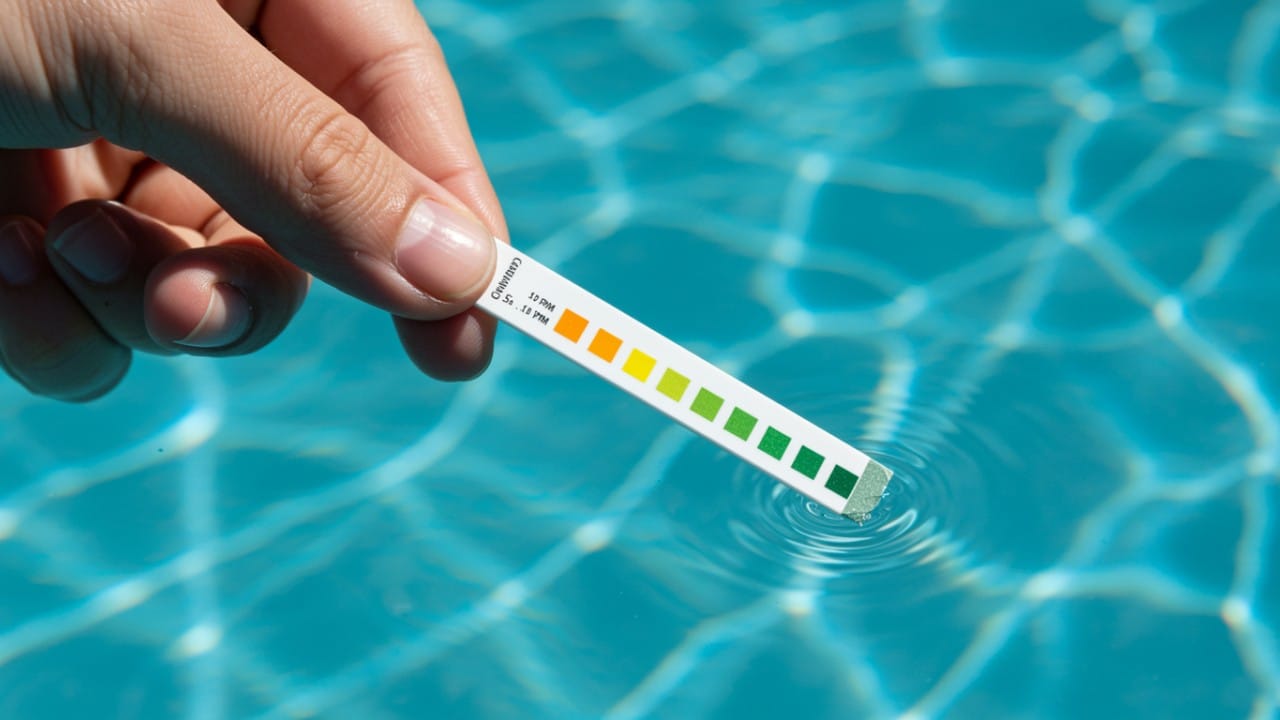
That is why relying on your eyes alone is risky. Regular testing provides a true picture of your pool’s health. During the busiest summer months from December to February, checking your water at least once a week can prevent bigger problems and keep everyone swimming safely.
Myth #3: Saltwater Pools Don’t Contain Chlorine
This belief remains one of the most common swimming pool myths across Australia.
A saltwater pool still relies on chlorine to sanitise the water. The difference lies in how chlorine is produced. A salt chlorinator converts dissolved salt into chlorine through electrolysis. Consequently, the pool continuously generates its own sanitiser.
Although many swimmers say saltwater feels softer on the skin, it is still a chlorine system. Understanding this helps you maintain proper chemical balance without confusion.
Myth #4: Chlorine Kills All Germs Instantly
Chlorine does a good job of killing most bacteria, but it is not a magic bullet that destroys every germ instantly. Some parasites, like Cryptosporidium, can survive for days even in well-maintained water. That is why simple hygiene habits still matter. Try not to swallow pool water, and make a habit of showering before you swim. These small steps help keep the water cleaner and allow you
Myths About Physical Effects & Safety
Parents and grandparents often shared pool rules to keep children safe. While the intentions were good, some of those rules evolved into myths. Understanding the facts allows you to focus on genuine safety concerns instead.
Myth #5: There’s a Chemical That Turns Water Blue If You Pee
Many people grew up believing this story. In truth, no such dye exists in residential or public pools.
Parents invented this idea to discourage children from urinating in the water. Although the blue dye is fictional, urinating in the pool still causes problems. Urine reacts with chlorine and forms chloramines. As mentioned earlier, chloramines reduce water quality and create unpleasant smells.
Therefore, good bathroom habits remain essential even without a magical colour change.
Myth #6: Chlorine Turns Blonde Hair Green
Chlorine receives the blame for green hair, yet copper is usually responsible.
Copper can enter pool water from certain algaecides, ageing heaters, or plumbing components. When copper oxidises, it can attach to light coloured hair and create a green tint.
To prevent this, choose copper-free algaecides and maintain your equipment properly. In addition, washing hair soon after swimming reduces the chance of mineral buildup.
Myth #7: You Must Wait 30 Minutes After Eating to Swim
The idea that you must wait 30 minutes after eating before swimming has been passed down for generations, but research shows it is largely unnecessary. While a full stomach can cause minor cramps or discomfort for some people, it does not meaningfully raise the risk of drowning.
It makes more sense to pay attention to how your body feels. If you are uncomfortable, take a short break. Otherwise, there is no reason to delay enjoying your swim.
Myths About Maintenance & Labour
Pool care once required intense physical effort. Scrubbing walls and manually vacuuming debris consumed entire weekends. Fortunately, modern solutions have changed that experience for Australian homeowners.
Myth #8: Pool Maintenance Requires Heavy Manual Labour Weekly
This belief no longer reflects reality.
Today, robotic pool cleaners handle much of the physical work. Rather than pushing a manual vacuum around the pool, you can use an automated cleaner to collect leaves, dirt, and fine debris.
For example, Aiper robotic pool cleaners operate without cords and navigate the pool floor independently. As a result, you save time and energy. Your primary tasks become checking water chemistry and emptying the filter basket. Technology has transformed maintenance from exhausting labour into a manageable routine.
Myth #9: Draining Your Pool Is the Best Way to Clean It
Draining a pool may seem like a thorough solution. However, it can cause serious damage.
When you empty an in ground pool, groundwater pressure can push upward against the shell. This pressure may crack concrete or shift the structure. Vinyl liners may shrink or wrinkle as well.
Because of these risks, draining should only occur under professional supervision and only when necessary. In most cases, proper filtration and chemical correction solve the issue safely.
 Aiper
Aiper
Myth #10: You Can Ignore Your Pool Completely in Winter
Many pool owners assume that cooler weather means they can forget about maintenance, but leaving a pool unattended over winter often leads to algae, staining, and other problems. Even during milder Australian winters, it pays to run the pump from time to time and keep an eye on chemical levels. Clearing out leaves and debris prevents buildup, making it much easier and less costly to get the pool ready for summer.
Quick Reference: Myth vs Reality
| The Myth | The Reality |
|---|---|
| Strong chlorine smell means the pool is clean | The smell comes from chloramines and indicates the pool needs shocking. |
| Clear water equals safe water | Water can look clear but still contain harmful bacteria; testing is essential. |
| Saltwater pools have no chlorine | Saltwater systems produce chlorine continuously through electrolysis. |
| Chlorine turns hair green | Green hair is caused by copper in the water, not chlorine. |
| Draining the pool is the best way to clean it | Drainin
ConclusionOwning a pool should bring enjoyment, not confusion. Yet common swimming pool myths often complicate simple decisions. By understanding accurate pool care facts, you protect your investment and create a safer environment for family and friends. Moreover, modern tools make maintenance far easier than it once was. Smart technology reduces physical effort, while regular testing ensures water quality. Instead of relying on rumours, rely on science. When you replace swimming misconceptions with knowledge, pool ownership becomes simpler, safer, and far more enjoyable. FAQ About Swimming Pool MythsIs it safe to swim in a pool that smells like chlorine?Usually, a strong smell indicates chloramines. Test the water first. The pool likely needs shocking rather than less chlorine. Does baking soda really raise pH in pools?Yes. Baking soda increases total alkalinity and can gently raise pH when levels are low. Can I use a robotic cleaner in a saltwater pool?Yes. Most modern robotic cleaners, including Aiper models, are designed to operate safely in saltwater systems. |