
Do You Need a Pool Cover for Winter? Australia Buying Guide & Maintenance Tips
Unsure if you need a pool cover for winter? Discover how the right cover saves water and money, plus expert cleaning tips for Australian pools.

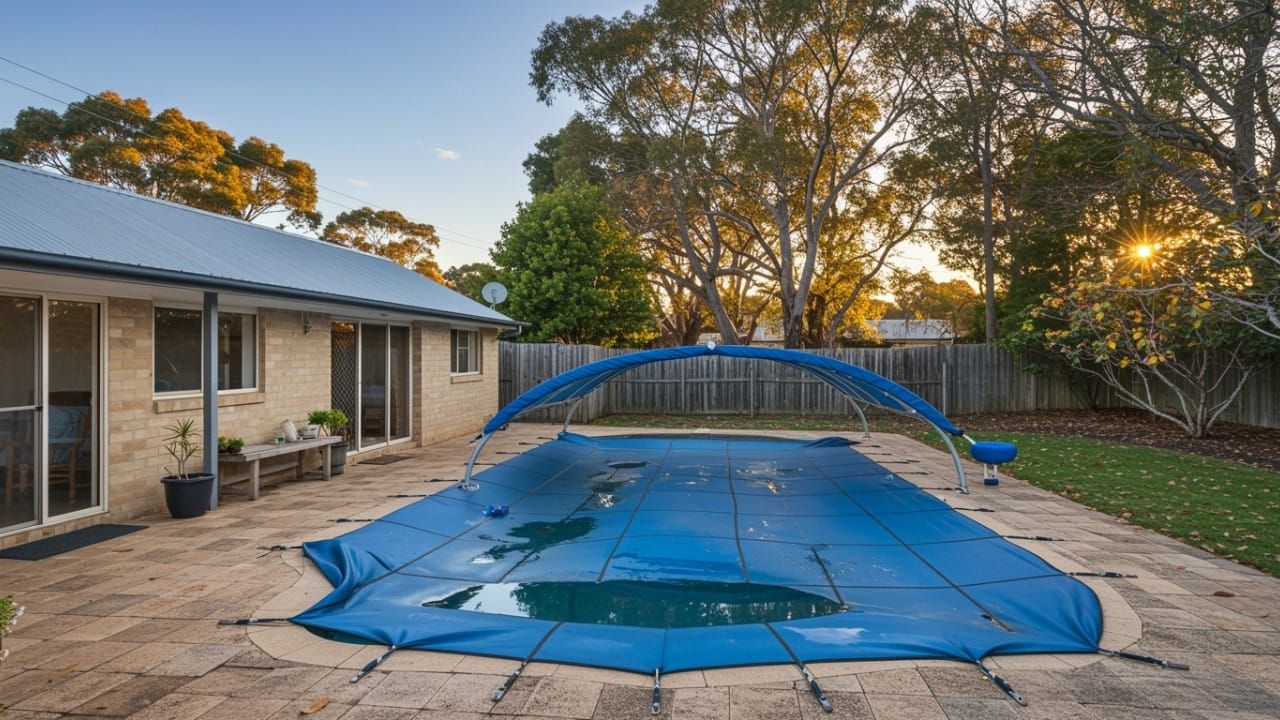
As the weather cools and the last afternoon swim of the season quietly passes, many Australian pool owners face the same question. Do you really need to do anything special for winter, or can the pool just sit there until spring?
It’s easy to hesitate. Winterising sounds like effort, and pool covers can feel like an unnecessary expense. So it’s no surprise that one of the most common questions searched each year is, do I need a pool cover for winter?
The short answer is yes, but the reason goes beyond just keeping leaves out. A proper winter pool cover can save water, reduce energy and chemical costs, and cut down opening-day headaches when warmer weather returns.
Just as important, what you do before the cover goes on plays a huge role in preventing algae and damage during the off-season. This guide breaks it all down for Australian conditions.
Why Every Australian Pool Needs a Winter Cover
Australia’s climate makes pool ownership unique. Even in winter, evaporation doesn’t stop, especially in states like NSW, VIC, and WA where dry air and wind speed up water loss. A winter pool cover acts as a barrier, dramatically reducing evaporation and helping you hold onto thousands of litres of water over the colder months.
Water savings are only part of the story. A covered pool also uses fewer chemicals because chlorine isn’t constantly being broken down by sunlight. On top of that, autumn leaf fall can quickly overwhelm an uncovered pool, introducing organic debris that feeds algae and stains surfaces.
The Australian Government’s Energy website highlights just how effective covers can be. According to their data, bubble covers can cut heat losses from a heated pool by as much as 75% and can warm your pool by up to 7 degrees, significantly lowering energy use and evaporation.
Even if you don’t heat your pool in winter, these figures show how much heat and water is otherwise lost. In practical terms, a winter pool cover protects both your pool and your wallet.
Types of Winter Pool Covers: Which One Is Right for You?
Not all pool covers are designed for winter use. Choosing the right option depends on where you live, how much debris you deal with, and how hands-on you want to be during the off-season.
Solar Covers (Bubble Blankets)
Solar covers are common in Australia and are often used to extend the swimming season. They float directly on the water and help retain warmth during cooler nights. While they do reduce evaporation, they’re not ideal for full winter protection.
They’re lightweight and affordable, but they don’t handle heavy leaf fall or storms particularly well. Over winter, they tend to require more frequent cleaning and repositioning, especially in windy areas.
Thermal Blankets
Thermal blankets are thicker and more durable than standard solar covers. They’re designed to hold heat more effectively, making them a strong option for cooler regions like Victoria or Tasmania.
The trade-off is weight. Thermal blankets can be heavier to remove and reinstall, which may not suit everyone. However, if heat retention is a priority, they outperform most basic pool covers.
Mesh & Solid Safety Covers
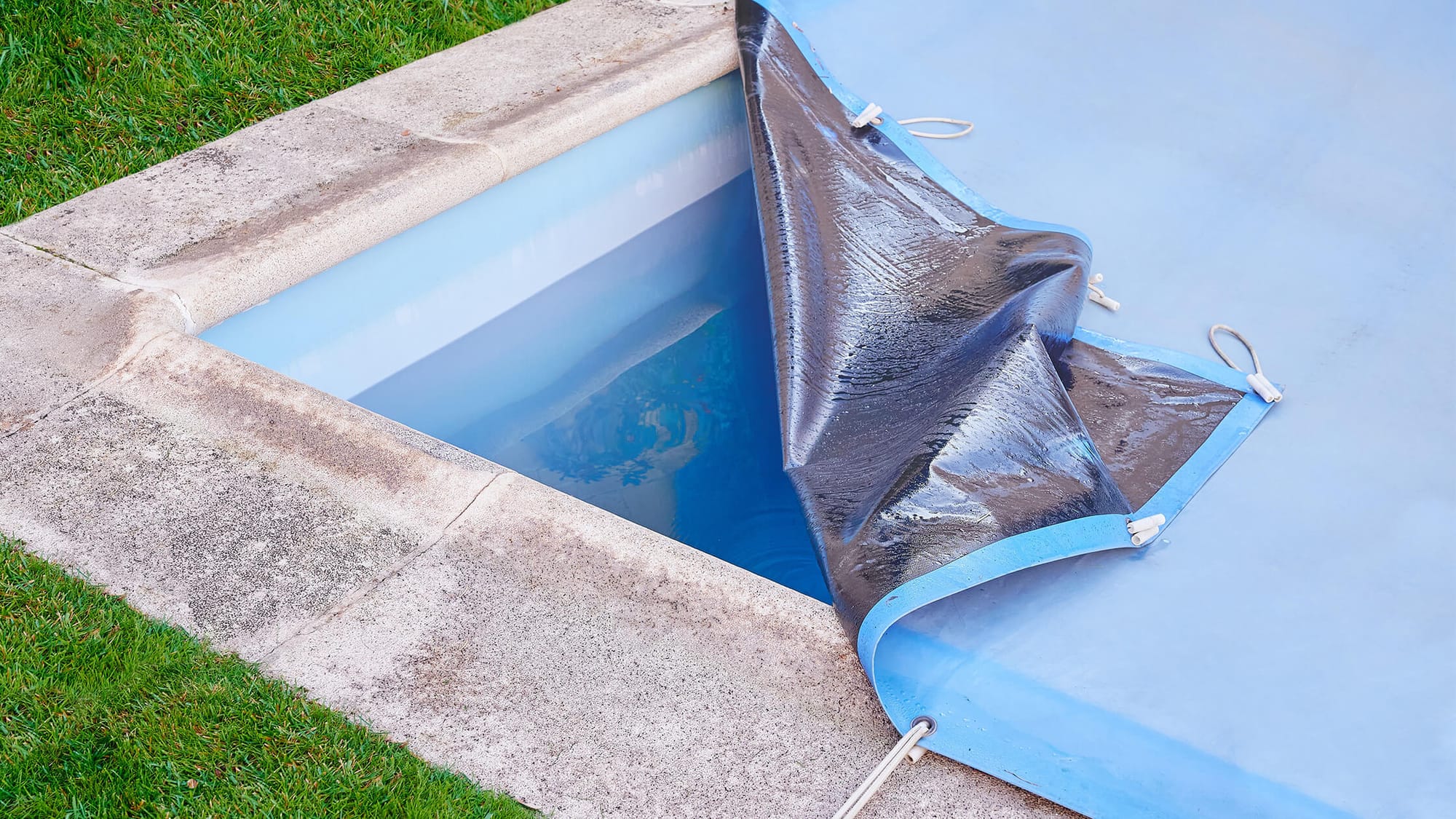
For full winterising, mesh and solid safety covers are often considered the gold standard. These covers are anchored around the pool and built to support weight, adding an important safety layer for families with children or pets.
They excel at keeping leaves and debris out entirely. While they come at a higher upfront cost, they require minimal maintenance over winter and make spring opening far easier.
Quick Comparison Guide
|
Cover Type |
Cost |
Durability |
Debris Protection |
Heat Retention |
|
Solar Cover |
Low |
Low–Medium |
Low |
Medium |
|
Thermal Blanket |
Medium |
Medium–High |
Medium |
High |
|
Mesh/Solid Safety Cover |
High |
High |
Very High |
Medium |
A pool in Hobart may prioritise heat retention with a thermal blanket, while a leafy Brisbane backyard will benefit more from a mesh or solid safety cover that blocks debris completely.
How to Cover Swimming Pool for Winter: Step-by-Step
Knowing how to cover the swimming pool for winter properly is what separates a clean spring opening from a costly cleanup.
Step 1: Deep Clean (The Critical Pre-Step)
This step matters more than any other. Covering a dirty pool traps organic material, which becomes the perfect breeding ground for algae.
Before covering, thoroughly clean the pool floor, walls, and waterline. A cordless robotic cleaner is ideal here. Unlike manual vacuuming or suction cleaners that get stuck on leaves, which often misses fine sediment, a robot scrubs and captures debris evenly across the entire pool. Removing this hidden build-up eliminates the food source algae rely on during winter.
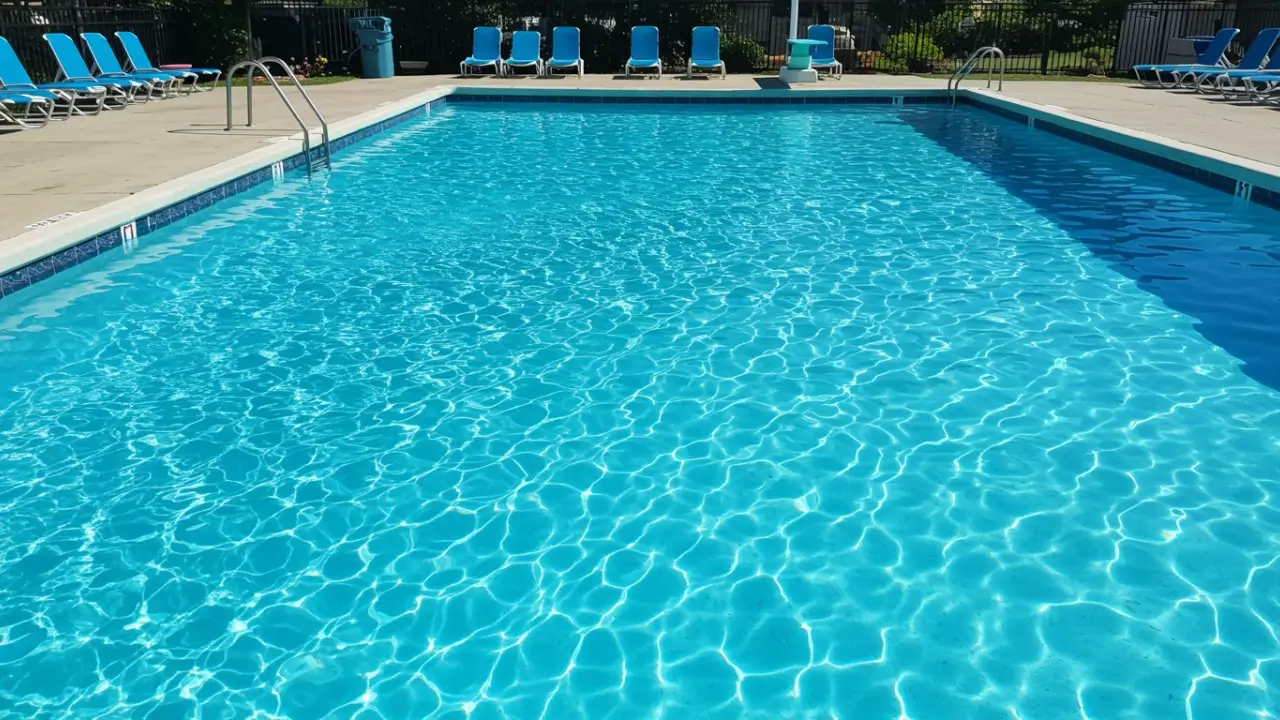
Think of this as “step zero”. If the pool isn’t spotless, even the best winter pool cover won’t save you from problems later.
Step 2: Balance Water Chemistry
Test the water and adjust pH, alkalinity, and calcium hardness to recommended levels. Balanced water prevents corrosion, scale buildup, and cloudy conditions while the pool sits unused for months.
Adding a winter algaecide can help, but it should always be paired with proper cleaning first.
Step 3: Install and Secure the Cover
Lay the cover evenly across the pool surface or anchor it according to the manufacturer’s instructions. Use water bags, anchors, or straps to secure it firmly. Winter winds can easily lift poorly secured covers, allowing debris to blow in and undo all your preparation.
The “No Cover” Nightmare: Why You Should Avoid It
Some pool owners look up how to clean a pool after winter with no cover because they’ve already lived through it once. It’s rarely an experience they want to repeat.
An uncovered pool often turns into a green swamp by spring. Leaves sink and rot, staining surfaces and clogging filters. Algae blooms require heavy shock treatments, repeated brushing, and days, sometimes weeks of work to restore water clarity.
This cleanup costs far more than a cover ever would, both in money and effort. Investing in a proper pool cover and using a robotic pool cleaner before winter prevents this exhausting recovery process entirely.
Frequently Asked Questions
Should you leave a pool cover on in winter?
Yes. Leaving the cover on protects water quality and reduces debris. It’s still a good idea to check underneath occasionally to monitor water level and chemistry.
Can I run my pool pump with the cover on?
You can and should run the pump for reduced hours during winter. Circulation keeps water healthier. Most automatic cleaners should be removed before covering, but filtration should continue. Even for saltwater pools, keeping water flowing protects the chlorinator cell from calcium buildup.
Do pool covers prevent algae growth completely?
A cover blocks sunlight, which algae need to grow, but it’s not a magic fix. Clean water before covering is the real key to staying algae-free.
Conclusion
A winter pool cover is one of the smartest investments an Australian pool owner can make. It saves water, lowers energy costs, and protects your pool from months of debris and neglect. But even the best cover won’t work properly if it’s placed over a dirty pool.
Start with a deep clean, lock in balanced water, then cover with confidence. Before you shop for pool covers, make sure you’re equipped with an Aiper cordless robotic cleaner to handle the hard work upfront.
Explore the full Aiper collection and give your pool the clean start it needs for a stress-free winter and an easy spring opening.