
How Often to Sprinkle Lawn in Australia: A Seasonal & Smart Guide
Water your Australian lawn 2-3 times a week in summer during the early morning, adjusting for soil and grass type. Upgrade to a smart irrigation system to automate hydration, save water, and easily comply with local restrictions.

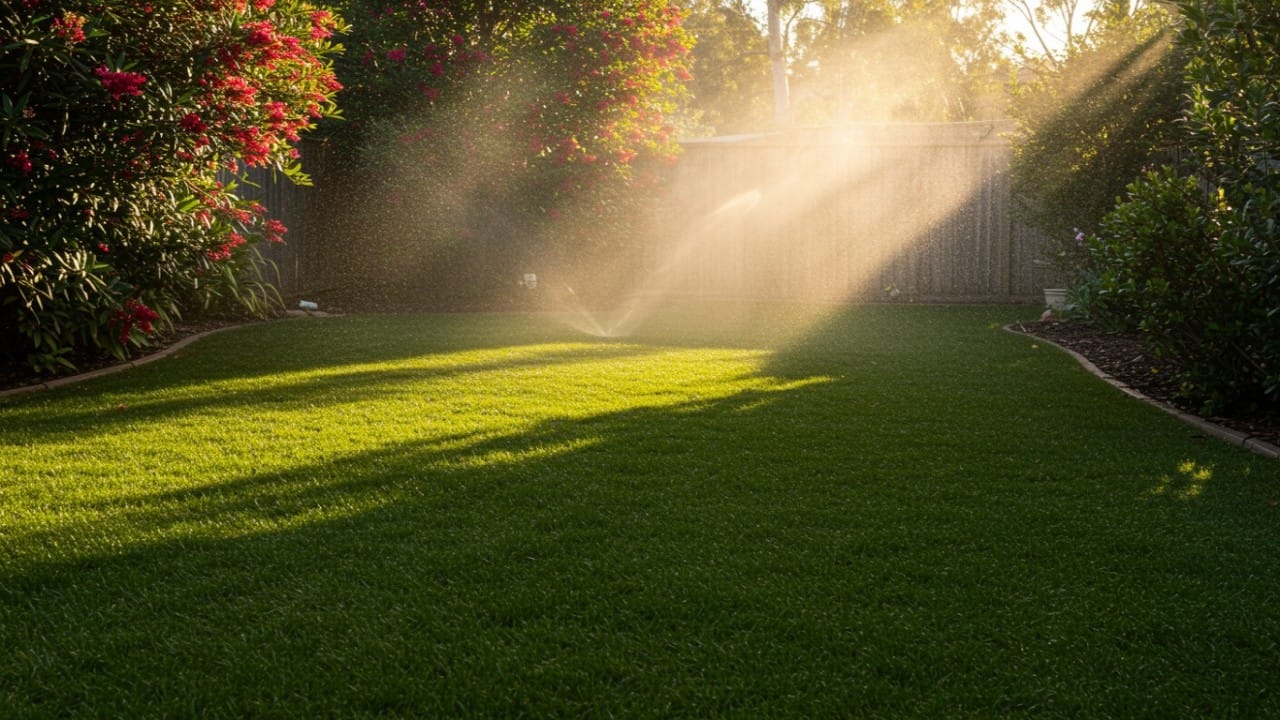
There’s nothing quite like the feeling of cool grass underfoot during an Aussie summer. But keeping that turf surviving—let alone thriving—when the mercury hits 40°C? That’s a different story entirely.
For many homeowners, figuring out exactly how often to sprinkle lawn feels like a high-stakes guessing game. Be too stingy with the water, and your pride and joy turns into a crispy dustbowl. Be too generous, and you risk fungal diseases or cultivating shallow roots that simply can’t cope when the heatwave strikes.
In this guide, we’re ditching the guesswork. We’ll break down the science of hydration using local data, help you calculate run times that actually work, and look at how smart tech like the Aiper IrriSense is changing the way we handle garden maintenance down under.
Factors That Determine Your Watering Schedule
Forget the "one size fits all" approach—it doesn’t exist. Before you even touch the tap, you need to size up three critical variables in your backyard.
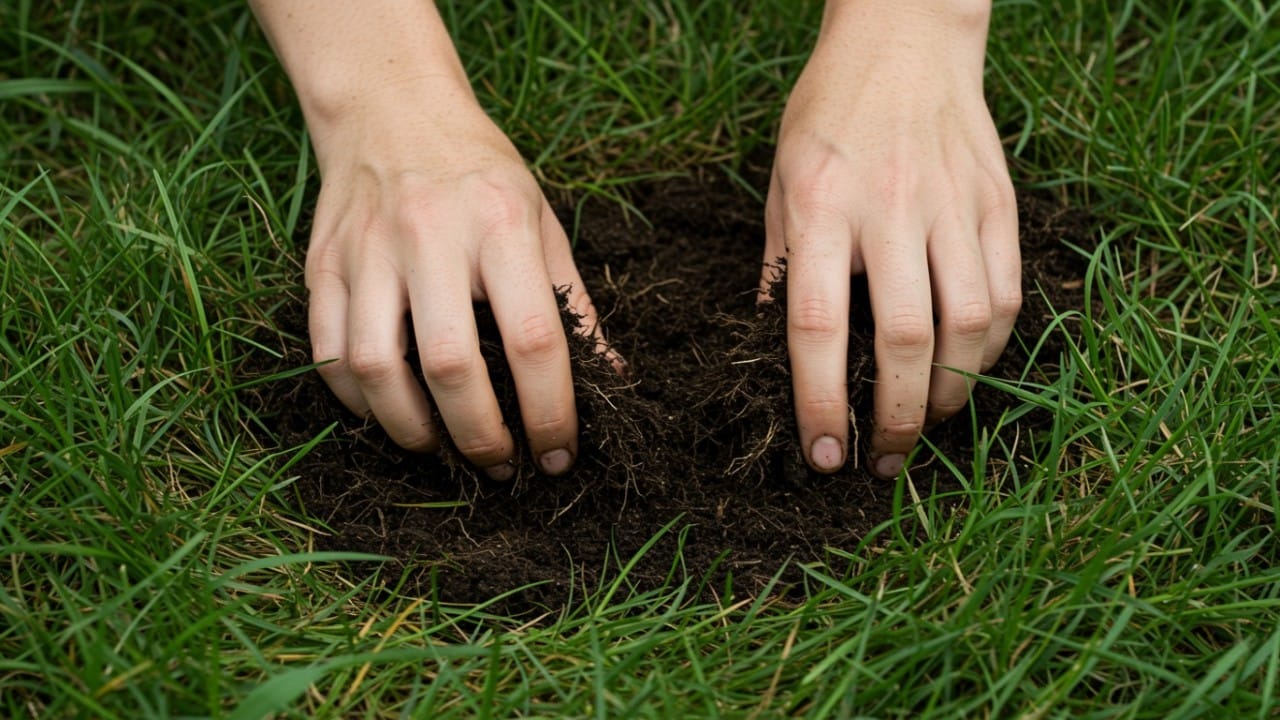
Soil Type
What’s happening underground is just as crucial as what’s happening on the surface.
- Sandy Soil: If you’re living coastal (think Perth or Sydney), you’re likely dealing with sand. It drinks water rapidly but holds onto almost none of it. This means you’ll need to sprinkle more frequently, but in shorter bursts to stop precious water from simply draining away.
- Clay Soil: Clay is the opposite—it holds moisture tight but absorbs it at a snail’s pace. If you blast it with water, it’ll just pool and evaporate. Clay needs a "soak and cycle" approach: slower delivery, less often.
- Loam: The gardener's dream. It strikes the perfect balance, holding moisture while draining the excess.
Grass Varieties
Not all turf is built for the Australian climate.
- Drought-Tolerant (Warm Season): Varieties like Couch, Buffalo, and Kikuyu are backyard staples for a reason—they love the heat. Once established, their deep root systems allow them to go longer between drinks.
- Thirsty Grass (Cool Season): If you’ve opted for Fescue or Rye (common in cooler pockets like Tasmania or parts of Victoria), be warned: these are high-maintenance. When temperatures soar, they’ll need significantly more attention to stay green.
Evaporation Rates
You aren't just watering the grass; you’re battling the atmosphere. According to the Bureau of Meteorology (BOM), summer evaporation rates often outpace rainfall.
Think of it this way: if the sun steals 8mm of water from your soil today, but you only put 4mm back in, your lawn is operating in a deficit. Managing this balance is the only way to keep your patch green come January.
Best Time to Sprinkle Lawn in Australia
Timing isn't just a suggestion; it's the difference between a lush lawn and wasted water.
If there is one golden rule, it is this: beat the sun. The window between 6:00 AM and 10:00 AM is your sweet spot.
- Why Morning? The air is crisp, and the wind is usually down. This gives the water a chance to soak deep into the root zone before the midday heat can burn it off.
- Why Not Evening? Putting the lawn to bed wet is a recipe for disaster. Damp grass sitting overnight without evaporation is a breeding ground for mould and fungal pathogens.
- Why Not Midday? Pure inefficiency. You can lose up to 30% of your water to evaporation before it even hits the soil.
How Long to Water Grass: Duration by Sprinkler Type
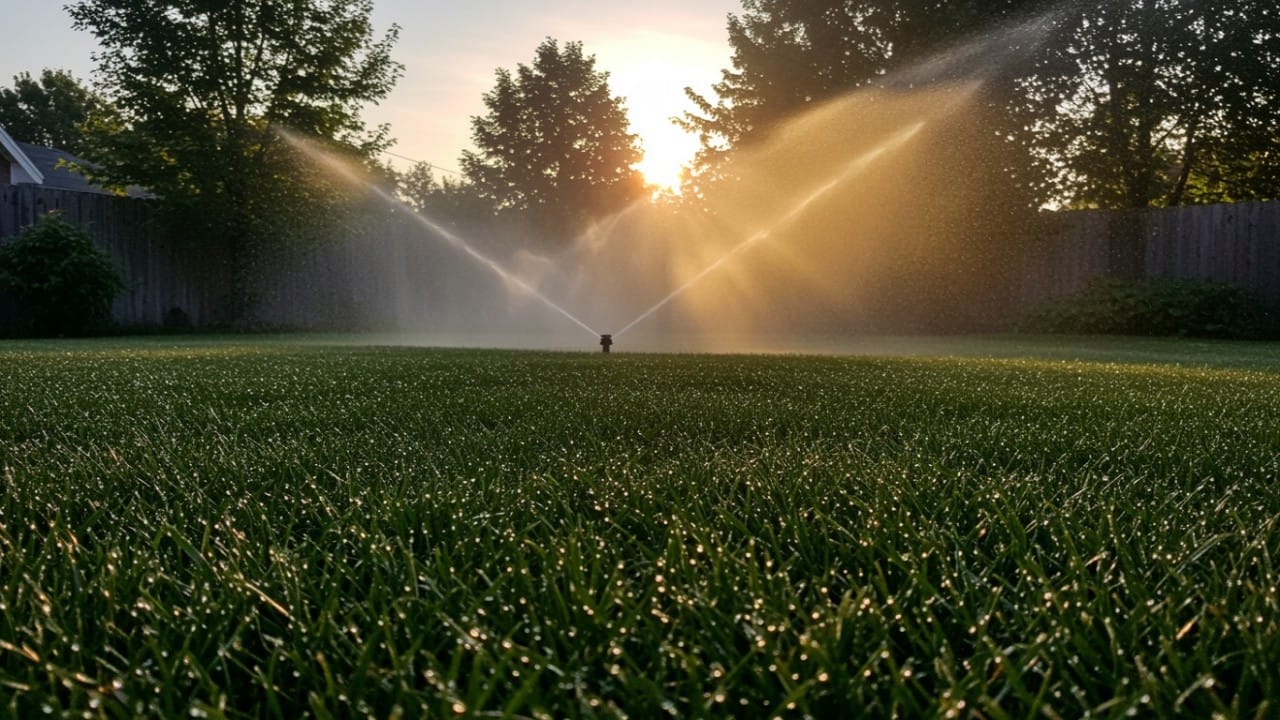
"How many minutes should I set the timer for?" It’s the most common question we get. The answer depends entirely on the hardware you’re running.
The goal is to apply about 10mm of water per session. However, a pop-up sprayer hits that target much faster than a rotary system.
Here is a cheat sheet based on Water Corporation data to help you dial in that 10mm target:
| Sprinkler Type | Characteristics | Recommended Run Time (approx.) |
|---|---|---|
| Pop-up Sprayers | Fixed spray, high output, mists heavily. | 10–15 mins |
| Rotary Sprinklers | Rotating streams, slower delivery, better wind resistance. | 30–40 mins |
| Gear Drive | Large radius, slow sweeping motion. | 30–45 mins |
| Dripline | Sub-surface pipes, zero evaporation, highly efficient. | 40–60 mins |
Pro Tip: These are just estimates. To be sure, try the "catch cup test"—scatter a few empty tuna cans on the lawn, run your sprinklers, and time how long it takes to fill them to 10mm.
Seasonal Guide: How Often to Sprinkle Your Lawn
As the seasons shift, so should your routine. Here is a quarterly breakdown for the typical Australian climate.
Summer (December – February)
This is survival mode.
- Frequency: Generally 2–3 times per week.
- The Strategy: Deep soaking beats frequent light sprinkling every time. Shallow watering encourages roots to stay near the hot surface, where they cook. Train them to go deep.
- Warning: Always double-check your council’s water restrictions. You might be limited to specific rostered days.
Autumn (March – May)
Things are cooling down, and evaporation is slowing.
- Frequency: Dial it back to 1-2 times per week.
- The Strategy: If the autumn rains arrive, you might be able to switch the system off entirely. This is also the time to apply a wetting agent if your soil has become hydrophobic over the hot months.
Winter (June – August)
Most warm-season runners (Buffalo, Couch) will go semi-dormant.
- Frequency: Zero to once a fortnight.
- The Strategy: Put the hose away. Over-watering in winter is a rookie error. Cold, soggy soil leads to root rot. Unless it’s an exceptionally dry winter, let nature handle the watering.
Spring (September – November)
The waking-up phase.
- Frequency: Start with once a week, ramping up as the heat returns.
- The Strategy: This is prime "green up" time. Keep an eye on the forecast—if a spring heatwave hits early, be ready to intervene manually.
The Smarter Solution: Aiper IrriSense
Let’s be honest: nobody wants to spend their Saturday morning doing maths equations about evaporation rates or constantly tweaking timer dials.
This is where the Aiper IrriSense steps in.
Instead of constantly wondering how long to water grass, IrriSense brings a bit of brainpower to your garden tap.
- Real-Time Weather Adaptation: It connects to local weather data. If a storm is brewing, IrriSense activates "Rain Skip," saving you money and stopping your lawn from turning into a swamp.
- Control from Anywhere: Stuck at work or away on holiday? You can monitor and adjust your schedule instantly from your phone.
- Flow Monitoring: Keep track of exactly how much water you’re using, so there are no nasty surprises when the utility bill arrives.
Upgrade to a smart system, and you ensure your lawn gets exactly what it needs—no more, no less.
Common Mistakes & Water Restrictions
Before you set your schedule, keep these final tips in mind to avoid the common traps.
- The "Little and Often" Trap: Sprinkling for just 5 minutes every day is bad practice. It promotes weak, shallow roots. Go for deeper, less frequent sessions.
- Ignoring the Rules: Water is a precious resource in Australia. Fines for breaching water restrictions can be shockers. Always verify your current stage restrictions with your local authority (like Sydney Water or Water Corp).
- The Run-Off Problem: If you see water streaming down the driveway, your soil is saturated or you're applying it too fast. Split your watering time into two shorter cycles (e.g., two 15-minute bursts an hour apart) to give the soil time to drink it in.
Conclusion
Getting the answer to how often to sprinkle lawn right is the difference between a dustbowl and a backyard oasis. By understanding your soil, timing your watering to beat the sun, and adjusting for the seasons, you can maintain a patch of turf that makes the neighbours jealous without wasting a drop.
But frankly, life’s too short to stress about sprinkler timers. By handing the reins over to smart tech like the Aiper IrriSense, you’re not just automating your garden’s health—you’re buying back your weekends.
Ready to make your garden smarter? Explore the Aiper IrriSense range today.
FAQs About Irrigation Frequency
Q: Is it better to water the lawn daily or weekly?
A: Weekly (or bi-weekly) deep watering is far superior to daily light sprinkling. Deep watering encourages roots to grow down into the soil, making your lawn more drought-tolerant.
Q: How do I know if I've watered enough?
A: Try the "screwdriver test." Push a long screwdriver into the soil. If it slides in easily to a depth of 15-20cm, your lawn is well-hydrated. If you hit resistance, it’s too dry.
Q: Can I sprinkle my lawn at night?
A: It’s not a great idea. Water sitting on grass blades overnight without evaporation can encourage fungal diseases. Always aim for the early morning.
Q: Does the Aiper IrriSense work with existing sprinkler systems?
A: Yes, it’s designed to retrofit easily with standard garden setups, turning a "dumb" tap into a smart, data-driven irrigation system.