
How to Clean a Pebblecrete Pool: The Complete Care Guide

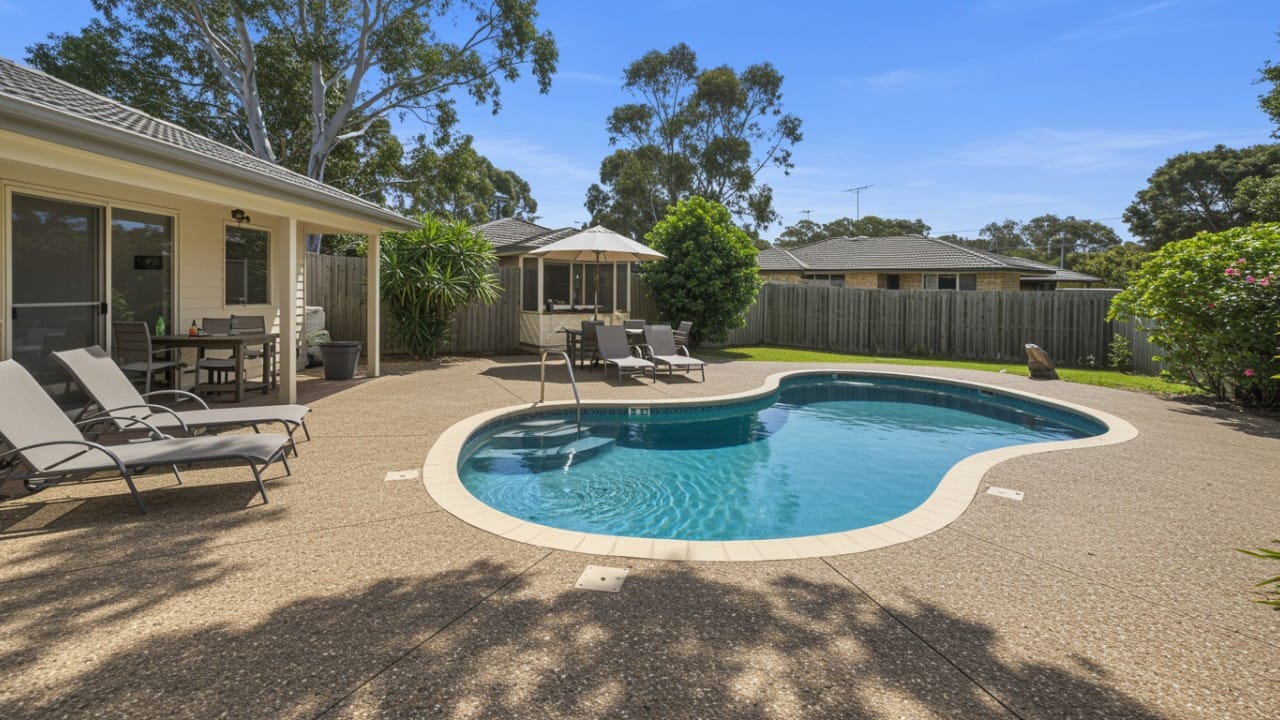
If you own a pool in Australia, chances are it’s pebblecrete. This exposed aggregate finish is a classic choice Down Under because it’s durable, non-slip, and looks fantastic against our blue skies. However, every pebblecrete pool owner knows the struggle: that textured surface is a magnet for dirt, algae, and calcium buildup.
Those tiny crevices between the pebbles are perfect hiding spots for black algae, and the rough surface can be tough on your feet—and even tougher to scrub. You might be wondering how to clean a pebblecrete pool thoroughly without resorting to expensive chemicals or emptying the whole thing.
In this guide, we’ll walk you through the professional steps to restore your pool’s sparkle. We will cover the conventional methods, why you should avoid draining your pool if possible, and how to maintain that pebble finish so you can spend less time scrubbing and more time swimming.
The Conventional Method: Acid Washing Your Pebblecrete Pool
If you ask a forum or an old-school pool tech about stubborn stains, they’ll probably point you straight to "Acid Washing." The logic seems sound enough: drain the water, scrub the walls with a hydrochloric acid mix, and strip away a thin layer of plaster to reveal the fresh, clean pebbles underneath.
It works, sure. It’s essentially a chemical peel for your pool. But treating an entire pool this way is incredibly aggressive. Before you commit to such a drastic step, you need to understand what you are risking.
Why Draining Is a Bad Idea
Emptying your pool isn't just about turning a valve; it's a structural gamble.
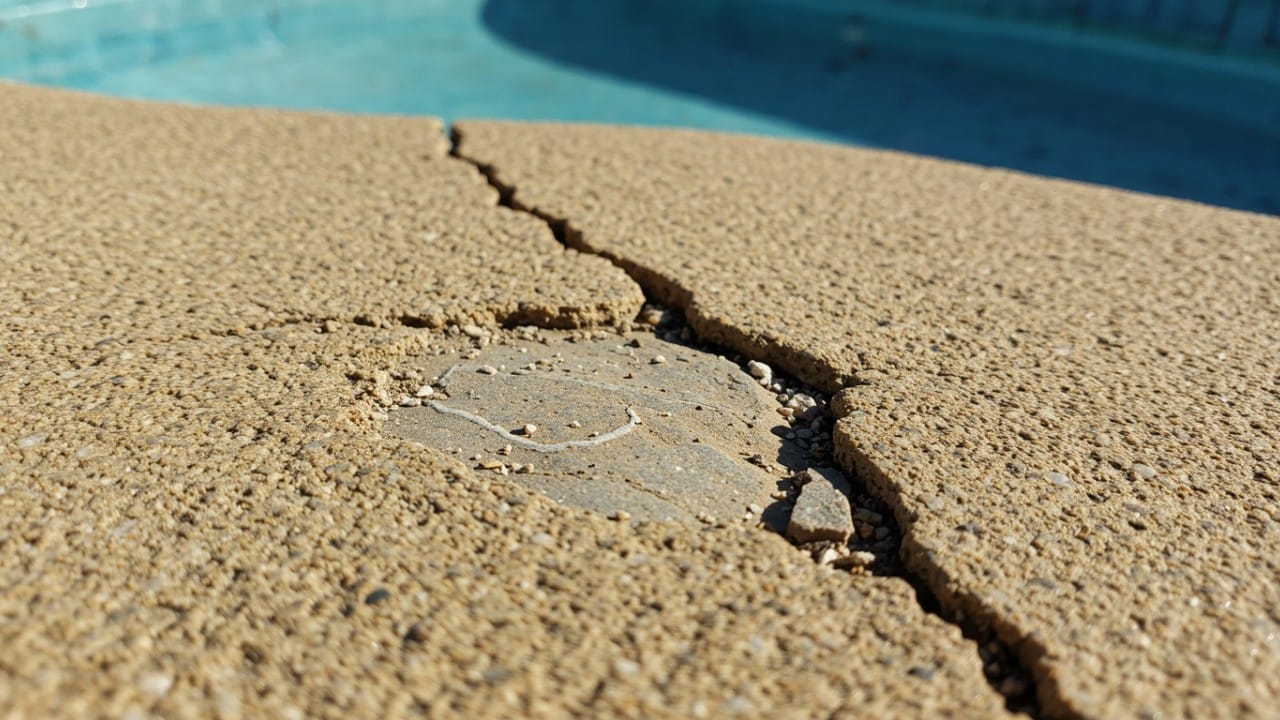
- Your Pool Needs Water to Survive: Pebblecrete is a cement-based product that relies on hydration. If you drain it and leave it baking under the harsh Aussie sun, the plaster dries out rapidly. This often causes the material to shrink and crack, leading to "pop-outs"—nasty little holes where the pebbles just detach from the wall.
- The "Floating Pool" Nightmare: It sounds crazy, but it happens. In areas with high water tables (common after heavy rains), the groundwater pressure pushing up can exceed the weight of an empty concrete shell pushing down. The result? Your pool physically pops out of the ground, cracking the shell and wrecking the plumbing.
- Water Waste: Refilling 50,000 litres isn't cheap, and depending on where you live, local councils might have strict restrictions on filling pools from the mains.
Unless you are dealing with a catastrophic calcium scale problem or a literal swamp, you can almost always get a sparkling result without draining a drop.
How to Clean Pebblecrete Pool Without Draining (Step-by-Step)
For most homeowners, the goal is to remove algae and stains while keeping the water in. This method requires a bit of elbow grease, but it protects your pool's structure.
Here is the proven workflow to deep clean your pebblecrete pool:
Step 1: Balance and Shock the Water
You can’t scrub away live algae effectively; you need to kill it first.
- Test your water: Ensure your pH is between 7.2 and 7.6. According to the Swimming Pool & Spa Association of Australia (SPASA), maintaining correct pH is critical for chlorine efficiency.
- Shock the pool: Add a high dose of liquid chlorine or granular shock. This super-chlorination penetrates the porous pebblecrete surface to kill algae roots hiding in the crevices.
Step 2: Brush Pebblecrete Surfaces Thoroughly
This is the most labor-intensive part. Because pebblecrete is uneven, dirt sits between the stones, not just on top.
- Tool: Use a stiff-bristled nylon brush.
- Action: Scrub the walls and floor thoroughly. Focus on corners and steps where circulation is poor. You need to physically dislodge the dead algae and debris.
- Note: Do not use a wire brush (stainless steel) unless you are targeting a specific rust stain, as it can damage the aggregate.
Step 3: Filter and Settle (Using Flocculant)
After brushing, your water will look cloudy. This is good—it means the dirt is suspended.
- Add a pool flocculant (pool floc) according to the label instructions.
- Set your pump to "Recirculate" for a few hours to mix it in, then turn the pump OFF.
- Let the water sit still for 12–24 hours. The flocculant will bind the debris together and sink it to the bottom of the pool.
Step 4: Vacuum to Waste
This is the critical step. You will see a layer of sludge at the bottom of the pool.
- Do not use an automatic cleaner yet.
- Connect your manual vacuum hose.
- Set your filter valve to "WASTE" (bypass the filter).
- Slowly vacuum the sludge directly out of the pool drain. If you use the "Filter" setting, this heavy sludge will clog your sand or cartridge filter instantly.
Step 5: Skim and Rebalance
Once the floor is clean, use a leaf rake to skim any remaining surface debris. Since you vacuumed to waste, your water level will have dropped. Top up the pool with fresh water and re-test your chemicals to get them back in balance.
How to Prevent Heavy Buildup in Your Pebblecrete Pool
The "Shock and Floc" method above is effective, but it is hard work. The secret to keeping pebblecrete looking new is consistent, gentle abrasion to prevent dirt from settling in the pits in the first place.
The Role of Robotic Cleaners
Manual brushing is exhausting, which is why many pool owners skip it. This is where a high-quality robotic pool cleaner transforms maintenance.
Unlike standard suction cleaners that just vacuum, modern robotic cleaners are equipped with active scrubbing brushes.
- Why it matters for Pebblecrete: The Aiper robot's PVC rollers spin faster than the unit moves, acting like a mechanical scrubbing brush. They agitate the dirt trapped in the pebble texture, which is then immediately sucked up by the strong vacuum motor.
Comparison: Manual vs. Robotic Cleaning
| Feature | Manual Scrubbing | Aiper Robotic Cleaning |
|---|---|---|
| Effort Required | High (Back-breaking physical labour) | Low (Plug and play) |
| Cleaning Depth | Surface level, often misses crevices | Active scrubbing penetrates crevices |
| Consistency | Irregular (when you have time) | Regular (daily or weekly schedules) |
| Water Clarity | Good, but stirs up dust | Excellent, fine filtration captures dust |
| Pebble Protection | Risk of abrasion if using wrong brush | Soft PVC rollers protect the aggregate |
Using a robot for daily or weekly maintenance prevents algae from taking root, meaning you might never have to do a "Step 4: Vacuum to Waste" deep clean again.
Common Mistakes to Avoid with Pebblecrete
To ensure your pool finish lasts its full 15–20 year lifespan, avoid these common errors:
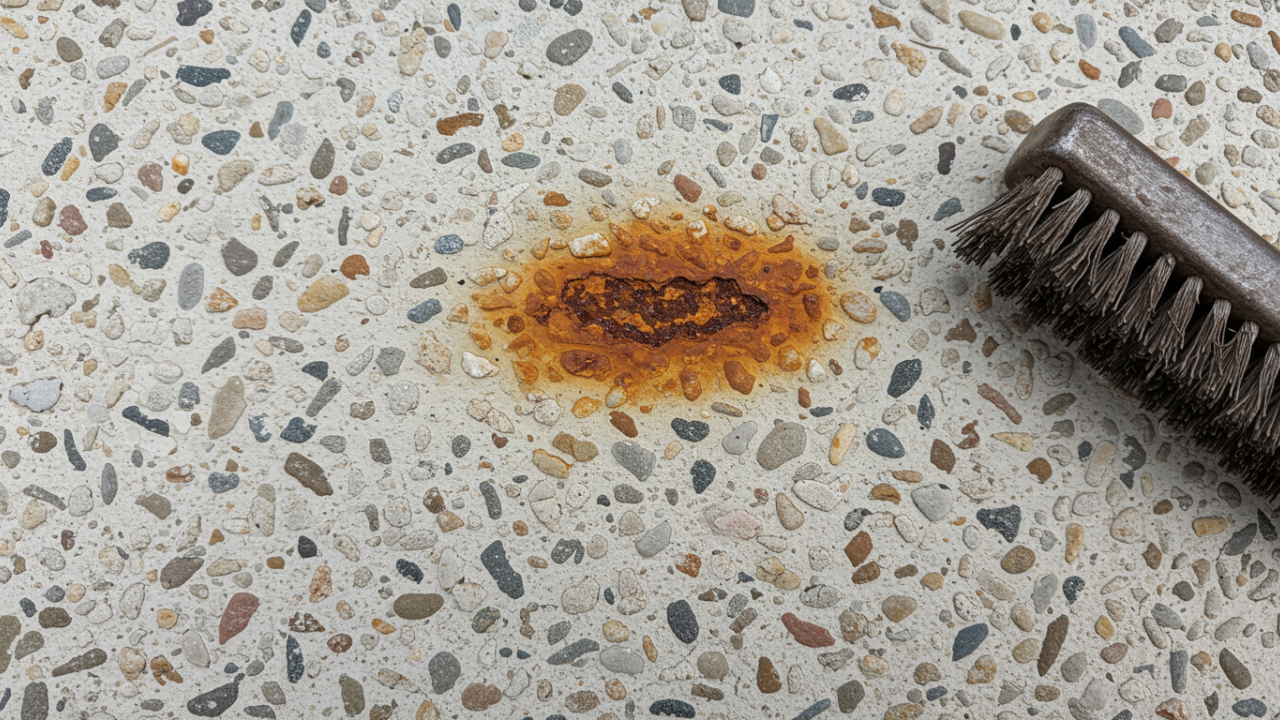
- Using Wire Brushes: Never use a stainless steel brush for general cleaning. Metal bristles can scratch the stones and even leave behind tiny metal filaments that rust, creating brown stains on your beautiful white pebble floor.
- Ignoring Calcium Scale: If you see white, rough patches, that is likely calcium scale. On pebblecrete, this is hard to spot until it’s bad. Keep your Calcium Hardness levels between 200–400 ppm to prevent this.
- Over-Acidifying: While acid helps lower pH, dumping concentrated acid in one spot can etch the cement holding the pebbles. Always dilute acid in a bucket of water before adding it to the pool.
FAQ about Pebblecrete Pools
How long do pebblecrete pools last?
With proper chemical balance and maintenance, a high-quality pebblecrete finish can last between 15 and 20 years before needing resurfacing.
Can a pebblecrete pool be resurfaced?
Yes. If the pebbles are loose (pop-outs) or the surface has become too rough, a professional can chip out the old interior and apply a new layer of pebblecrete, glass beads, or tile.
How to make pebblecrete look better?
If your pool looks dull, it’s usually due to organic stains or scale. A thorough shock treatment combined with consistent scrubbing (using a robot or brush) usually restores the brightness. For specific metal stains, a vitamin C treatment can work wonders.
Conclusion
Cleaning a pebblecrete pool doesn't have to be a nightmare. While the textured surface presents a challenge, avoiding the "drain and acid wash" route saves you money and protects your pool's structural integrity.
By following the Balance -> Brush -> Vacuum to Waste method, you can tackle the worst algae blooms. However, the smartest strategy is prevention. Automating the hard work with an Aiper robotic pool cleaner ensures those tiny pebble crevices are scrubbed clean every week, keeping your pool sparkling and swim-ready all summer long.
Ready to stop scrubbing and start swimming? Explore the Aiper to find the perfect cleaner for your pebblecrete pool.
References:
- Swimming Pool & Spa Association of Australia (SPASA) - Water Balance Guidelines.
- EPA Guidelines on Pool Water Discharge.