
How to Get Rid of Biofilm in Pool: A Step-by-Step Removal Guide

Have you noticed a slimy, transparent layer coating your pool tiles even though the water looks chemically balanced? Or perhaps your chlorine levels are dropping inexplicably fast, no matter how much sanitiser you add? You might be dealing with biofilm. Unlike algae, which is usually easy to spot and treat, biofilm is a sneaky bacterial colony that protects itself with a slime shield, making it highly resistant to standard maintenance routines.
Learning how to get rid of biofilm in pool environments is critical not just for water clarity, but for the health safety of everyone who swims in it. In this guide, we will break down the science of this "invisible enemy," compare it to common algae, and provide a rigorous, step-by-step method to eliminate it—backed by Australian health standards.
What is Pool Biofilm? (Understanding the Enemy)
Biofilm is a complex aggregation of microorganisms—bacteria, fungi, and protists—that attach themselves to a surface and secrete a protective, glue-like substance known as the extracellular polymeric substance (EPS). Think of this EPS layer as a "bunker" that shields the bacteria from your chlorine.
While many pool owners confuse biofilm with algae or "white water mold," they are fundamentally different. Understanding this distinction is the first step in successful removal.
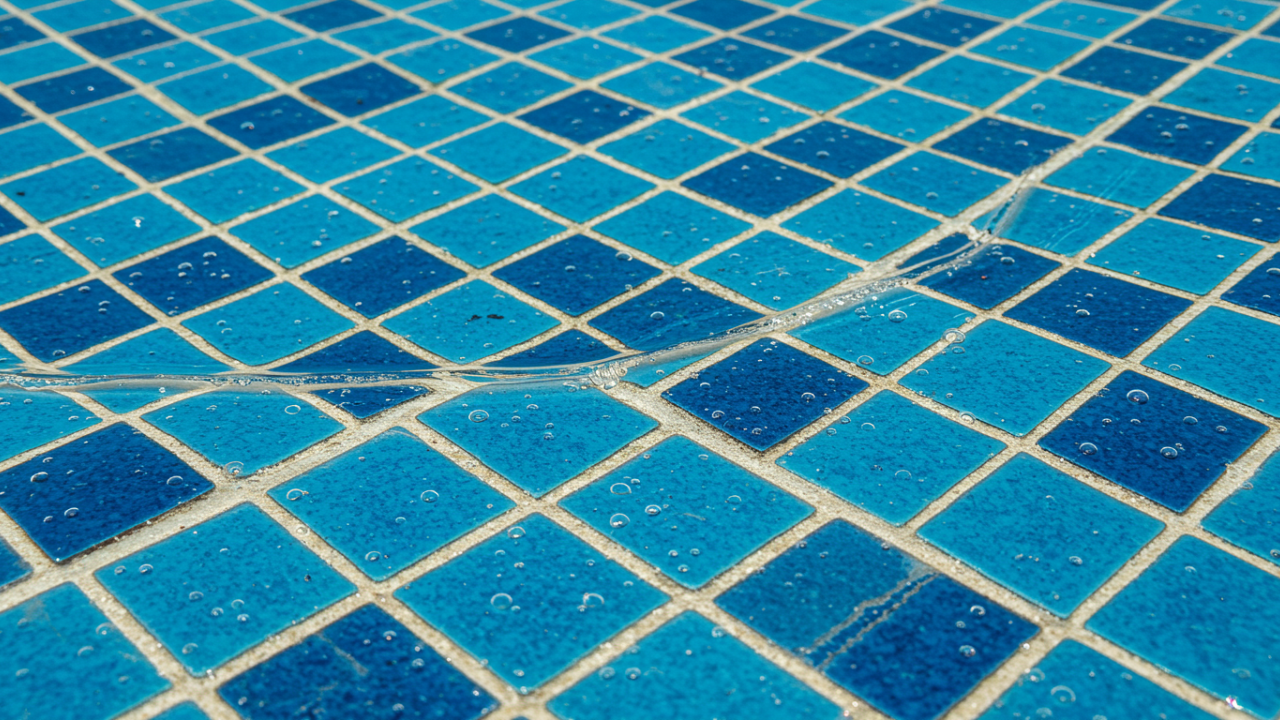
Visual Guide: Biofilm vs. Algae
| Feature | Biofilm | Algae |
|---|---|---|
| Appearance | Often transparent, pinkish, or cloudy; feels slimy/slippery to the touch. | Usually green, yellow (mustard), or black; clearly visible discoloration. |
| Location | Adheres to walls, ladders, pipes, and hides inside filters. | Floats in water or clings to surfaces (often in sunlit areas). |
| Chlorine Reaction | Highly resistant; the slime layer shields bacteria from sanitiser. | Generally responds quickly to shock and algaecides. |
| Texture | Slippery, glue-like mucus (like a wet rock). | Can be slimy (green) or dust-like (mustard). |
The Health Risks: Why You Must Act Fast
Leaving biofilm untreated isn't just an aesthetic issue; it is a sanitation hazard. According to health authorities, biofilm creates a safe harbour for dangerous pathogens that standard chlorine levels cannot touch.
The NSW Health Pool Operator Handbook specifically highlights the resilience of these contaminants. It notes that standard treatments sometimes fail, stating that:
"Chlorine dioxide (ClO2) is often used for hyperchlorination and incident response in swimming pools and spa pools. It is a powerful oxidiser that effectively inactivates Cryptosporidium and Giardia or control the build-up of biofilms in pools."
This insight from NSW Health underscores a critical reality: once biofilm establishes itself, weak measures won't work. You need a targeted, aggressive approach.
Step-by-Step: How to Get Rid of Biofilm in Pool
Because biofilm has that protective EPS shield, simply pouring chemicals into the water is often a waste of money. You must physically break the shield first. Follow this proven protocol to eradicate the slime.
Step 1: Aggressive Physical Scrubbing (The Most Critical Step)
This is the non-negotiable step. You must break the slime layer so that sanitisers can actually reach the bacteria underneath.
- Manual Brushing: Use a heavy-duty stiff bristle brush. You need to scrub every inch of the pool walls, floor, ladders, and skimmer baskets.
- Automated Deep Cleaning: For many pool owners, manual scrubbing is exhausting and prone to missing spots. To ensure the entire surface is agitated, it is highly recommended to use advanced robotic pool cleaners that can climb and scrub walls. These devices provide the consistent, strong mechanical friction needed to disrupt biofilm on vertical surfaces where it loves to hide, doing the hard work for you.
Step 2: The Chemical Attack (Shocking)
Once the biofilm structure is disrupted by scrubbing, the bacteria are vulnerable. You need to hit them immediately with a high dose of sanitiser.
- Hyperchlorination: Raise your free chlorine levels to "shock" levels (typically 10-20 ppm, depending on severity) and maintain it for 24-72 hours.
- Consider Specialised Oxidisers: As referenced by the NSW Health guidelines, if you are dealing with a severe case or specific pathogens, Chlorine Dioxide (ClO2) can be a more effective alternative to standard chlorine for penetrating biofilm.
- Safety Note: Always handle chemicals with protective gear and ensure no one uses the pool during this high-chemical treatment phase.
Step 3: Deep Clean the Filter
Your filter is often "Ground Zero" for biofilm. If you clean the pool but ignore the filter, you are simply pumping bacteria back into the clean water.
- Sand Filters: Perform a thorough backwash and use a chemical filter cleaner/degreaser to strip oils from the sand.
- Cartridge Filters: Soak the elements in a dedicated filter cleaning solution. If the cartridges are old or heavily coated in slime, replace them immediately.
Step 4: Add an Enzyme Product (Optional but Recommended)
Pool enzymes work by digesting the non-living organic waste (body oils, lotions, cosmetics) that acts as "food" for the biofilm. Adding this to your routine helps break down the remaining organic glue holding the colony together.
How to Keep the Slime Away Forever
Now that you've done the heavy lifting and stripped that slime away, let's make sure you never have to do it again. Keeping biofilm out basically comes down to two rules: don't feed it, and don't let it get comfortable.
1. Starve the Bacteria (Surface Maintenance)
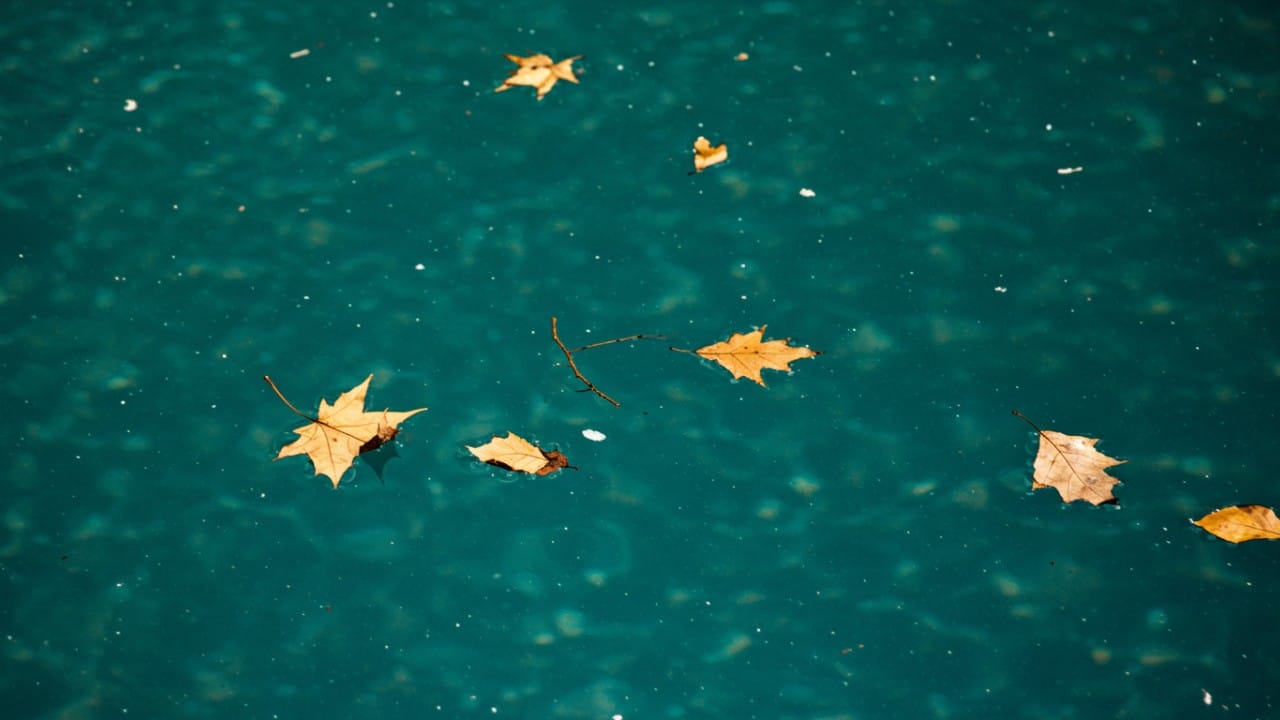
Biofilm is hungry. It thrives on the organic "buffet" that falls into your pool—leaves, dead bugs, and pollen. When this debris sinks to the bottom and starts to rot, it provides the perfect fuel for a bacterial colony to start building its bunker.
The trick is to catch this debris before it ever hits the floor. Using a smart, automatic pool skimmer can change the game here. By patrolling the water surface and scooping up waste while it's still floating, you're effectively cutting off the biofilm's food supply at the source.
2. Keep Things Moving
Stagnant water is the enemy. Biofilm loves a quiet, undisturbed surface where it can attach and grow. If water isn't moving, bacteria are multiplying.
Aside from running your pump for the recommended hours, the best defense is constant friction on the pool walls. Think of it like brushing your teeth—you do it daily to prevent plaque. Similarly, deploying a robotic cleaner a few times a week ensures your pool walls get that necessary agitation. It disrupts the early stages of slime formation before it ever becomes a visible problem.
3. Don't Ignore the Chemistry
It sounds basic, but it's the safety net for everything else. Keep your pH locked between 7.2 and 7.6. If your pH drifts too high, your sanitiser becomes sluggish and weak, giving biofilm a window of opportunity to set up camp. Test often, and adjust as needed.
Conclusion
Getting rid of biofilm isn't just about dumping more chemicals into the water; it's a battle of mechanics. You have to physically break that protective shield (the scrubbing) before you can kill what's hiding underneath (the shocking). Following authoritative protocols, like those from NSW Health, ensures you aren't just wasting money on products that can't penetrate the slime.
Prevention is always cheaper than the cure. By keeping the surface clear of debris and maintaining a routine scrubbing schedule, you can save yourself from weekends of heavy labour.
For more insights on keeping your water crystal clear, or to find the right gear to automate the dirty work, head over to the Aiper website and see what’s new in pool care technology.
FAQ
Q: Can't I just triple-shock the pool to kill biofilm?
A: I wish it were that simple, but usually, no. That slimy EPS layer is like a raincoat—it sheds the water (or in this case, the chlorine). You really have to scrub the surfaces first to tear that coat open; otherwise, the sanitiser can't touch the bacteria inside.
Q: Is biofilm actually dangerous to swim in?
A: It definitely can be. Beyond just being gross and slippery, biofilm acts as a safe house for nasty pathogens like E. coli and Giardia. Plus, it eats up your chlorine rapidly, leaving the rest of the water unprotected.
Q: Is it biofilm or just scale?
A: The touch test is the easiest way to tell. Calcium scale feels rough, almost like sandpaper or concrete. Biofilm is the opposite—it feels slimy, soft, and slippery, kind of like a mossy rock in a river.