
How to Look After a Pool: A Beginner’s Guide to Easy Upkeep
Master how to look after a pool with our simple weekly guide. Learn the 3 C's of maintenance and smart tips for effortless swimming pool upkeep.

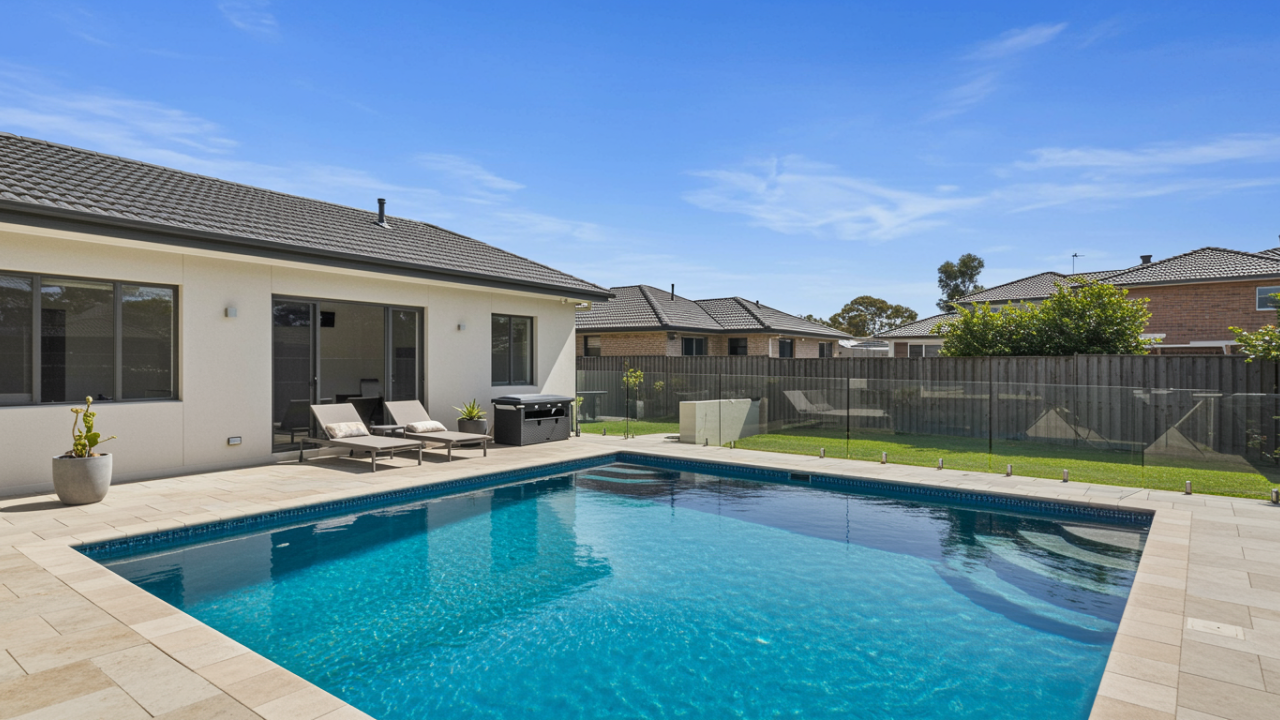
An Australian backyard pool is the centrepiece of summer fun. However, the joy of a refreshing dip can quickly be overshadowed by the dread of murky green water, clogged filters, and the seemingly endless chore of maintenance. For many, the dream of an effortless oasis feels out of reach. The good news is that modern pool care is simpler than you think. This guide demystifies the entire process, breaking down exactly how to look after a pool with a straightforward routine that blends essential basics with smart, time-saving technology, so you can spend more time swimming and less time scrubbing.
The 3 C's of Pool Maintenance (The Basics)
Effective swimming pool upkeep rests on three fundamental principles. Think of them as the non-negotiable pillars that keep your water safe, clear, and inviting.
- Circulation:Stagnant water breeds algae and bacteria. Your pool’s pump and filter system is its heart and kidneys, working together to circulate and purify the water. In the Australian summer, aim to run your pump for 8-10 hours per day to ensure all the water passes through the filter system multiple times.
- Cleaning:This is the physical removal of debris. It includes skimming leaves from the surface, brushing the walls and floor to dislodge algae and dirt, and vacuuming to remove what settles below.
- Chemistry:Balanced water is safe for swimmers and gentle on your pool equipment. This involves regularly testing and adjusting key levels like sanitiser, pH, and alkalinity. Proper chemistry prevents algae, protects surfaces from corrosion or scaling, and ensures swimmer comfort.
Step-by-Step: How to Maintain a Pool Effectively
Mastering a simple, consistent routine is the secret to pristine water. Here is your actionable guide on how to maintain a pool week in, week out.
Step 1. Skimming and Scrushing
A few minutes of daily attention prevents hours of work later. Use a leaf skimmer to remove leaves, insects, and other debris from the water’s surface. Just as importantly, brush the pool walls and floor at least once a week. Brushing breaks up invisible algae spores and dirt before they can take hold, preventing stains and reducing your chemical demands. Pay special attention to corners, steps, and behind ladders.

Step 2. Smart Vacuuming
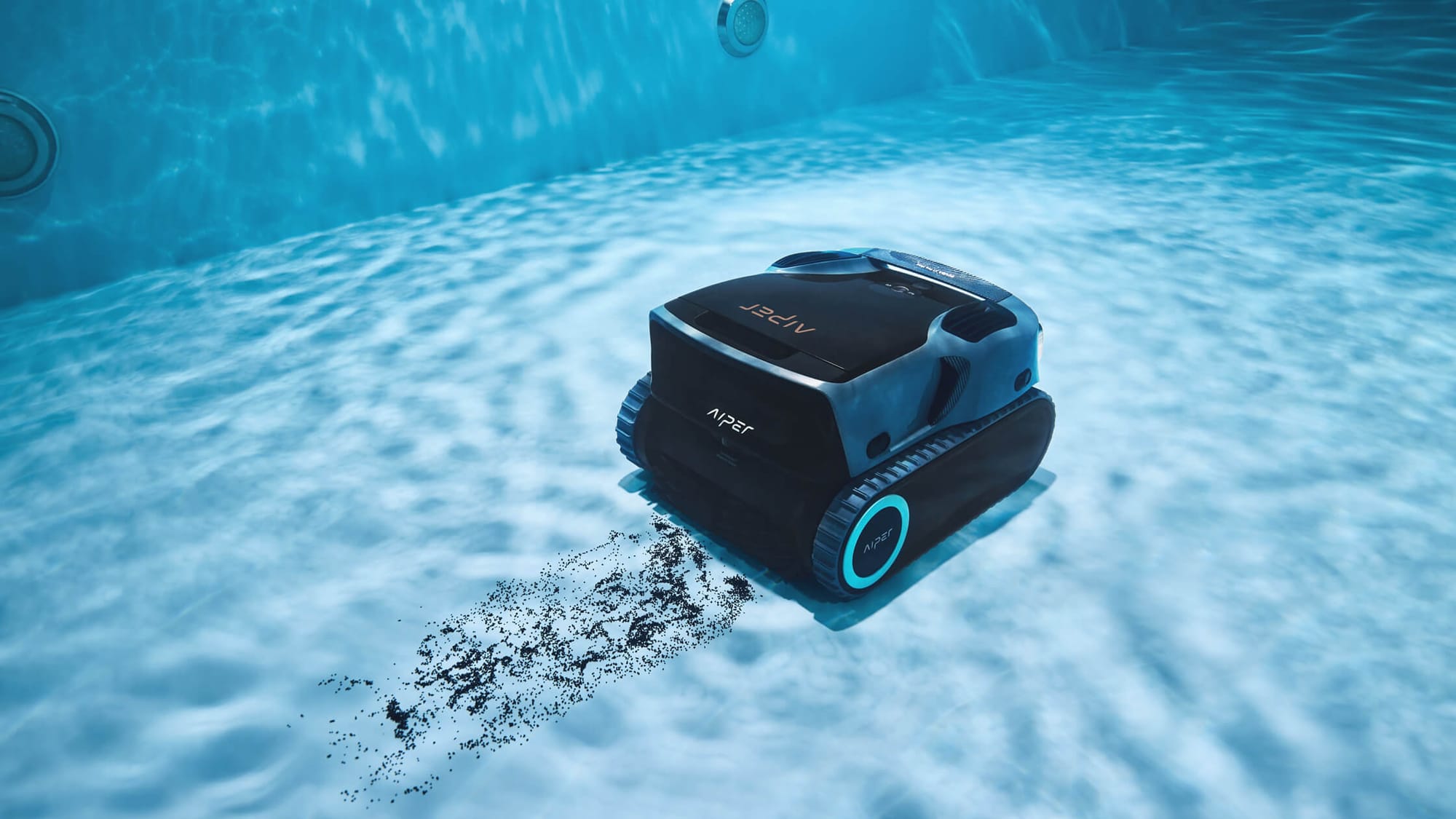
While manual vacuuming is effective, it is labour-intensive and ties you to the pool for an hour or more. To drastically reduce manual labour, an automatic cleaner is a game-changer. Modern robotic cleaners, like the Aiper Scuba X1 Pro Max, offer a truly hands-off solution. This cordless robot operates independently of your pool's filter system, climbing walls and scrubbing the waterline to remove biofilm and dirt. It ensures consistent, daily debris removal with minimal effort on your part, keeping your pool floor and surfaces impeccably clean.
Step 3. Balancing Water Chemistry
This is the most critical aspect of learning how to look after a pool. Imbalanced water can be unsafe, uncomfortable, and damaging. Follow this simple hierarchy:
- Test Regularly:Use test strips or a liquid test kit at least once a week.
- Balance Alkalinity First:Total Alkalinity (TA) acts as a buffer for pH. Aim for 80-120 ppm (parts per million). If TA is correct, pH will be much easier to stabilise.
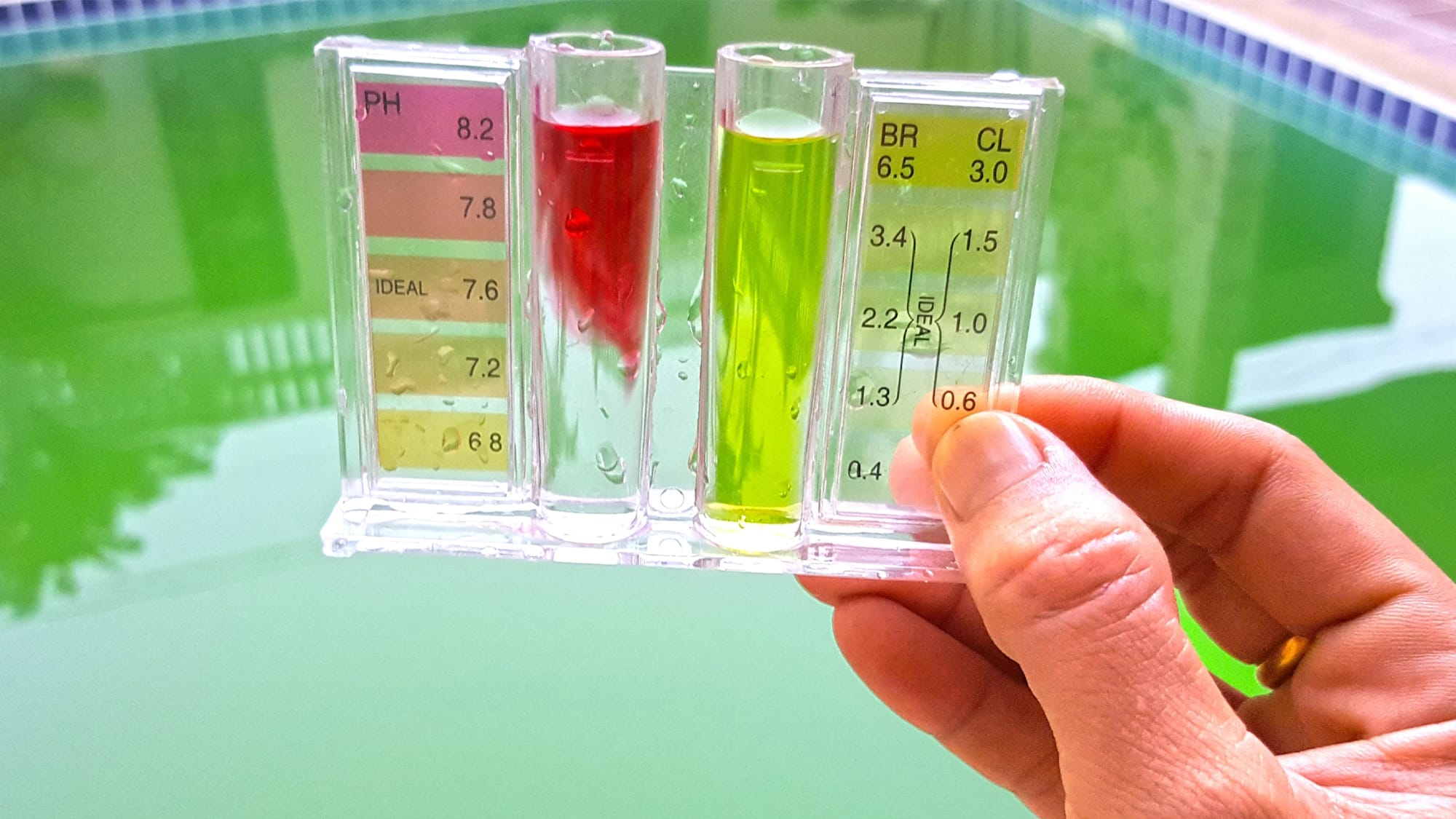
- Adjust pH:The ideal pH level for pool water is between 2 and 7.6. This range ensures sanitiser effectiveness, protects equipment from corrosion, and is comfortable for swimmers' eyes and skin.
- Maintain Sanitiser:Whether you use chlorine, bromine, or a salt chlorinator, ensure your sanitiser level is within the recommended range (e.g., 1-3 ppm for chlorine) to kill bacteria and algae.
Step 4. Monitoring Water Quality
Consistent testing is key, but interpreting colour-coded strips can be confusing. For precise, hassle-free tracking, smart technology provides a clear advantage. Devices like the Aiper HydroComm Pro offer a scientific approach to pool care. This smart monitor floats in your pool, continuously testing key chemical levels and transmitting real-time data to your smartphone. It alerts you the moment a parameter drifts out of range, allowing you to correct imbalances before they become a problem.
Weekly vs. Monthly Swimming Pool Upkeep Schedule
Consistency is everything. Stick to this simple schedule to keep your swimming pool upkeep manageable and effective.
| Weekly Tasks | Monthly Tasks |
|---|---|
| ✅ Test and balance water chemistry (pH, Chlorine, Alkalinity). | ✅ Perform a more comprehensive water test, including Calcium Hardness and Stabiliser (CYA). |
| ✅ Skim the pool surface daily or every second day. | ✅ Clean or backwash your pool filter as indicated by the pressure gauge. |
| ✅ Run your robotic pool cleaner 2–3 times. | ✅ Shock treat the pool (especially after heavy use or rain). |
| ✅ Brush the pool walls and floor. | ✅ Visually inspect pool equipment (pump, heater, etc.) for leaks or wear. |
| ✅ Ensure the pump basket is empty. | ✅ Thoroughly clean the pool skimmer and pump baskets. |
Common Mistakes to Avoid About Pool Care
Avoid these common pitfalls to save time, money, and frustration in your pool maintenance journey.
- Adding Chemicals Incorrectly:Always follow the label instructions. Never mix chemicals together and always add them to water, not vice versa. Pre-dissolve granular chemicals in a bucket of pool water before adding to the pool. This prevents damage to your pool surface and ensures even distribution.
- Ignoring pH Levels:Letting pH drift too high (basic) makes your sanitiser ineffective and leads to scaling. Letting it drop too low (acidic) causes corrosion of metal fittings, etching of surfaces, and skin irritation. It is the most important balance to maintain.
- Neglecting the Filter:A dirty filter cannot do its job, forcing your pump to work harder and wasting energy. Clean or backwash your filter according to the manufacturer's instructions and pressure readings.
Conclusion
Looking after a pool doesn't have to be a complex chore. By mastering the 3 C's—Circulation, Cleaning, and Chemistry—and committing to a simple weekly routine, you can maintain sparkling water all season long. The key is consistency. Today, embracing smart tools for cleaning and monitoring can automate the hardest parts of pool care, giving you back your weekends and ensuring your pool is always ready for a swim.
Frequently Asked Questions (FAQ)
Q1: How often should I clean my pool filter?
A: Clean your filter when the pressure gauge reads 8-10 psi (pounds per square inch) above its normal, clean starting pressure. For cartridge filters, this typically means a monthly hose-down; for sand or DE filters, it requires a backwash. Always consult your filter's manual.
Q2: What is the correct order to add pool chemicals?
A: For safety and effectiveness, follow this order with adequate circulation time (usually 30 minutes to an hour) between steps: 1) Alkalinity Increaser/Decreaser, 2) pH Increaser/Decreaser, 3) Calcium Hardness Increaser (if needed), 4) Sanitiser (e.g., chlorine), and 5) Specialty Chemicals (e.g., algaecide, clarifier). Never add them all at once.
Q3: How many hours a day should the pool pump run in Australia?
A: During the warmer months (October to April), aim for 8-10 hours of continuous pump operation per day. In cooler months, you can often reduce this to 4-6 hours. The goal is to turn over all the pool water at least once, preferably twice, in a 24-hour period.