
How to Quiet a Noisy Pool Pump: A Complete Guide


An Australian summer is supposed to be easy. You sit outside, kids are in the pool, and food is on the grill. Then there is that noise. The pool pump. At first, you tune it out. After a while, you cannot.
Most pool pumps make some sound. That part is normal. What is not normal is when the noise starts carrying across the yard or into the house. Rattling. Screeching. A rough humming that never really settles. If you are searching for how to quiet a noisy pool pump, it usually means the sound has crossed that line.
The good thing is this. In many cases, nothing is actually broken. It is usually something small that has slowly been getting worse.
Why Is Your Pool Pump Making So Much Noise?
The sound itself matters. It tells you what is going on, even if you are not technical.
Rattling or Vibrating:
This one catches a lot of people off guard. The pump is running fine, but it is shaking against the slab underneath it. Concrete carries sound. A small vibration turns into a big noise.
Screeching or High-Pitched Whining:
This is harder to ignore. A sharp sound that does not stop usually means the bearings inside the motor are worn. Once that starts, it rarely fixes itself.
Loud Hum or Grinding:
This often shows up in summer. Water levels drop. The pump pulls in air. The sound turns rough and uneven. People often think something major has failed when it has not.
 Aiper
Aiper
Pool Pump Noise Diagnosis
| Sound Type | Likely Cause | Quick Fix |
|---|---|---|
| Rattling/Vibrating | Pump vibrating on the slab or loose bolts | Install anti-vibration pads |
| Screeching/Whining | Worn motor bearings | Professional service or replacement |
| Loud Hum/Grinding | Cavitation from low water flow | Clear baskets, raise water level |
Know the Rules: Pool Pump Noise Regulations in Australia
Noise rules matter more than most people think. Pool pumps cause plenty of complaints, especially in summer when everyone has windows open.
In New South Wales, pumps are generally allowed between 7:00 am and 8:00 pm on weekdays. On weekends and public holidays, the start time is usually 9:00 am. Outside those hours, complaints can turn into warnings or fines.
Even during allowed times, a pump that is clearly too loud can still be an issue. Councils do not look kindly on equipment that runs all day and rattles the fence line.
5 Steps to Quiet Your Pool Pump
Start simple. Most people skip this part and regret it.
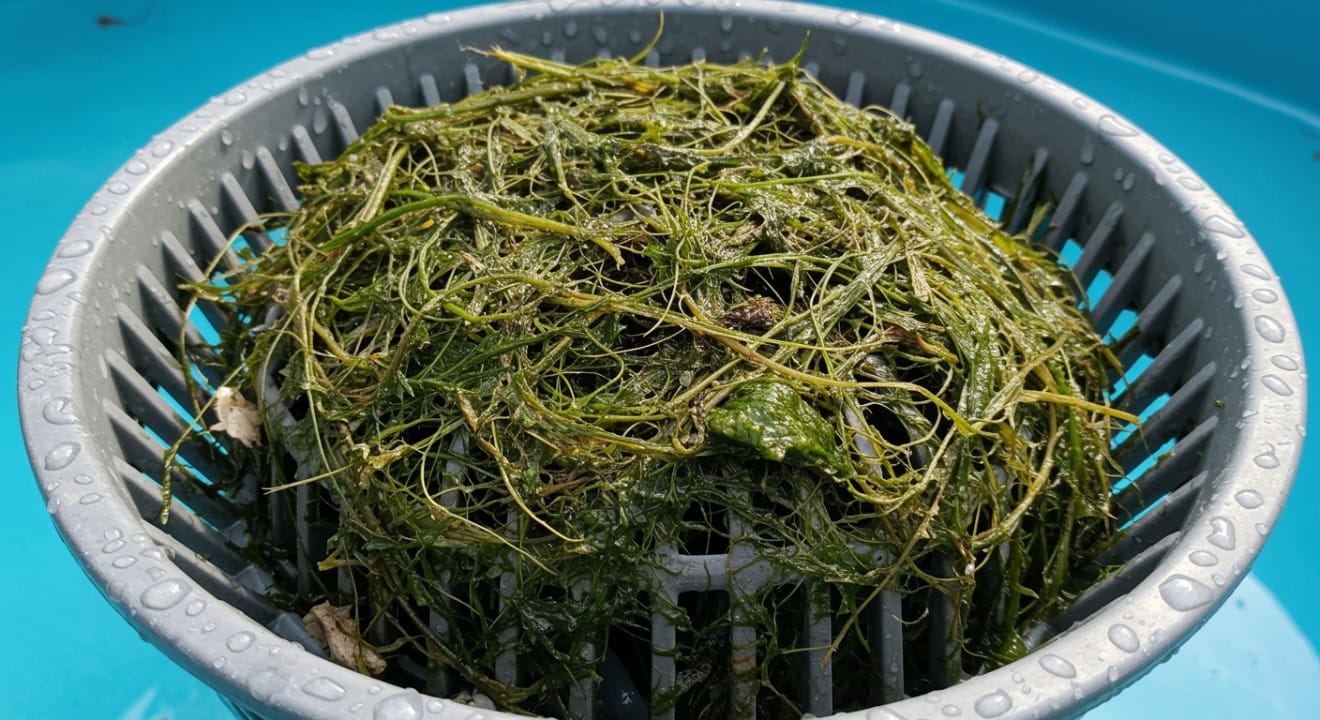
Step 1. Clear the Skimmer and Pump Baskets
If water cannot move properly, the pump struggles. That struggle is noise. Leaves, dirt, and debris build up faster than people realise.
Step 2. Raise the Water Level
When the water drops too low, the pump pulls in air. The sound changes straight away. Topping up the pool is often all it needs.
Step 3. Install Anti-Vibration Pads
These sit under the pump and absorb movement. It is a small change, but the difference can be obvious, especially on concrete slabs.
Step 4. Check and Lubricate O-Rings
Old or dry O-rings let air leak in. That adds noise and reduces efficiency. A silicone-based lubricant helps. Petroleum products do not.
Step 5. Secure the Base
Pumps should not move while running. Loose bolts allow them to shift slightly. That slight movement turns into sound.
The Ultimate Solution: Acoustic Pool Pump Covers
Sometimes the noise is not coming from one clear problem. Everything works, but it is still loud. In those cases, an acoustic pool pump cover can help. These covers are built to reduce sound while still letting heat escape. When done properly, the difference is noticeable.
When Maintenance Isn't Enough: Time to Upgrade?
Older pumps tend to be louder. That is just how they were built. Newer variable-speed pumps run slower and longer, which makes them quieter. They also use less power.
Another option is reducing how hard the main pump has to work. Robotic cleaners like Aiper clean quietly underwater and reduce overall run time on the system.
Summary
A noisy pool pump is not something to ignore. It affects your space and the people around you. Start with water level, basket cleaning, and vibration control. If that does not work, soundproofing or upgrading equipment is often the next step.
FAQs
Q: What time can I run my pool pump in NSW?
A: Usually between 7 am and 8 pm on weekdays, and from 9 am on weekends and public holidays. Local council rules can vary.
Q: How much does a pool pump enclosure cost?
A: Basic DIY options start around $200 AUD. Custom enclosures can cost more depending on size and materials.
Q: Can I build my own soundproof box?
A: Yes, but airflow is essential. Pumps need ventilation to avoid overheating.