
How to Revive a Dead Lawn After Summer (A Step-by-Step Guide)
Reviving a dead Australian lawn takes time, not magic. Diagnose if it is dead or dormant, then follow 5 steps: dethatch, aerate, overseed, topdress, and water correctly to restore your green yard.

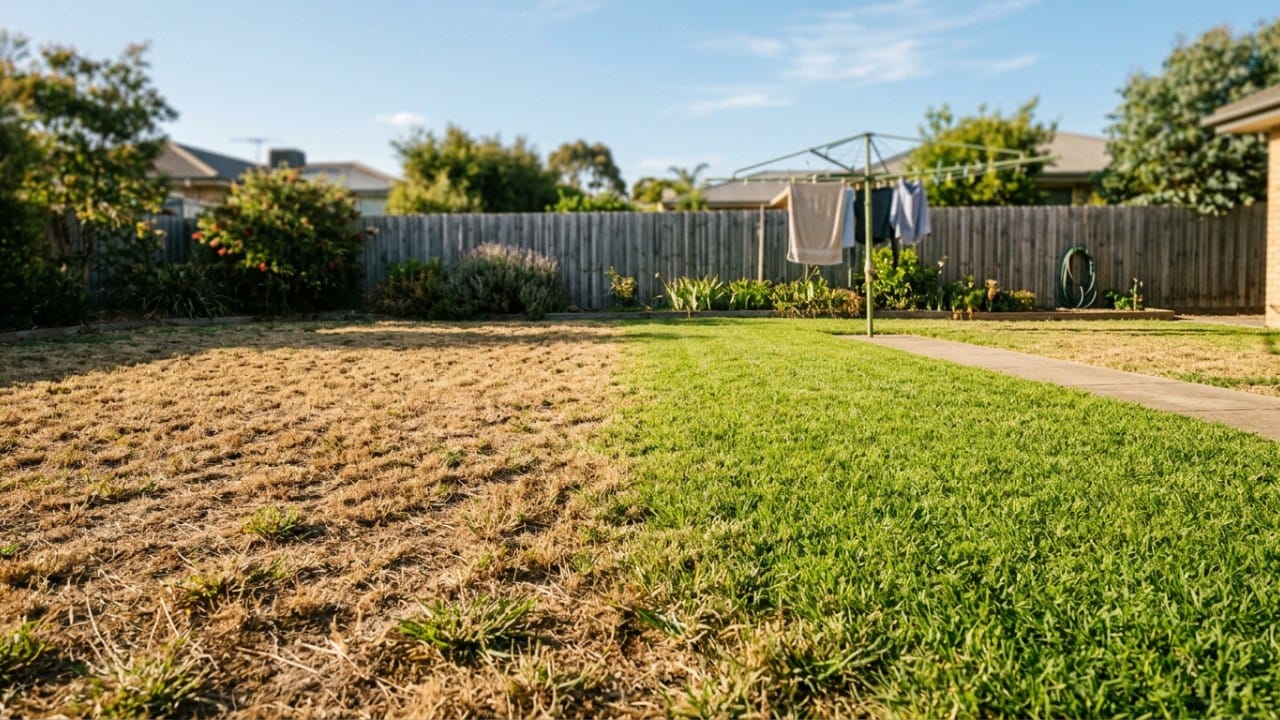
Lawn not looking its best after a harsh Australian summer? Looking out at a crispy, brown yard can be incredibly frustrating for many homeowners. In addition to severe heat stress, poor maintenance, thick thatch buildup, and pest damage could be the root causes of a patchy, seemingly lifeless lawn.
But fear not! Fixing dead grass patches in your garden is entirely possible with proper care, soil preparation, and the right reseeding methods. However, how to revive a dead lawn is a process, not an overnight miracle. It may take several weeks of consistent effort to see your lawns perk up again.
Find out how to diagnose your grass, choose the right recovery method for your specific turf, and restore its former lush glory in this complete step-by-step guide.
What Causes a Lawn to Die in the First Place?
Before you learn how to restore a dead lawn, it is crucial to understand the possible causes of the damage. Treating the symptoms without fixing the root cause will only lead to repeated failures.
When you notice bare patches or severe lawn discolouration, it can be due to a combination of environmental or maintenance issues, such as:
- Extreme heat stress and prolonged drought.
- Uneven sprinkler coverage leaving dry spots.
- Soil compaction and heavy thatch (dead organic matter) buildup.
- Cutting the grass too short during mowing (scalping).
- Pests (like lawn grubs, armyworms, or leatherjackets).
- Improper chemical care (fertiliser burn, overdosing, or underwatering).
These factors cause the grass to dry out, halt root growth, and prevent essential water, air, and nutrients from reaching the soil layer.
Is Your Lawn Actually Dead or Just Dormant?
It is important to understand whether your lawn is really dead or merely dormant before spending money on new seeds. These two are different states requiring completely different solutions.
Dormant grass is alive but "sleeping" to survive extreme heat and moisture loss. It can fully recover with proper watering. Dead grass, however, cannot be revived and requires reseeding or new turf.
You can easily identify your lawn's state using the Tug Test. Simply pull a small handful of brown grass:
- Brown and pulls out easily with no roots → Dead (needs reseeding or new sod).
- Brown but resists pulling (firmly rooted) → Dormant (needs deep watering).
- Patchy but green shoots are visible → Recovering (needs consistent care).
Note: Understanding common lawn care terms like 'dormancy' and 'compaction' will make diagnosing your yard issues much easier.
Recovery Timeline: Choosing and Understanding Your Grass Type
Before jumping into the repair steps, you must identify your grass type. Different Australian grass varieties have varying tolerance levels. The higher the drought tolerance, the faster and more aggressively it recovers.
Here is a quick comparison of the three main Australian grass types to help you set the right expectations for your recovery project:
Buffalo Grass (e.g., Sir Walter)
- Drought Tolerance: High
- Recovery Speed: Moderate
- Repair Strategy: Buffalo grass doesn't grow well from seed. You will need to use runners (stolons) or fresh turf rolls to patch up completely dead areas.
Couch Grass
- Drought Tolerance: Very High
- Recovery Speed: Fast
- Repair Strategy: Couch is a highly aggressive grower. With proper watering and aeration, it often self-repairs bare patches quickly without the need for extensive reseeding.
Kikuyu Grass
- Drought Tolerance: Extreme
- Recovery Speed: Very Fast
- Repair Strategy: Recovers aggressively but requires frequent mowing once healthy. Avoid scalping it during the delicate recovery phase.
5 Steps to Bring Your Grass Back to Life
The best time to restore your brown yard in Australia is early Autumn or Spring, when the extreme heat has passed, and new seeds won't instantly dry up. Grab your equipment—a lawnmower, a dethatcher, a garden fork, and a soil testing kit—and follow these steps.
Step 1. How to Clear Debris and Dethatch
Rake the soil to clear debris and expose the surface for seed germination. Removing the dead organic matter (thatch layer) is crucial because a thick thatch blocks water, air, and fertiliser from going underground. For small yards, use a sturdy metal rake. For larger lawns or heavy thatch, rent an electric scarifier to efficiently rip out the dead undergrowth.
Step 2. How to Aerate the Soil for Better Breathing
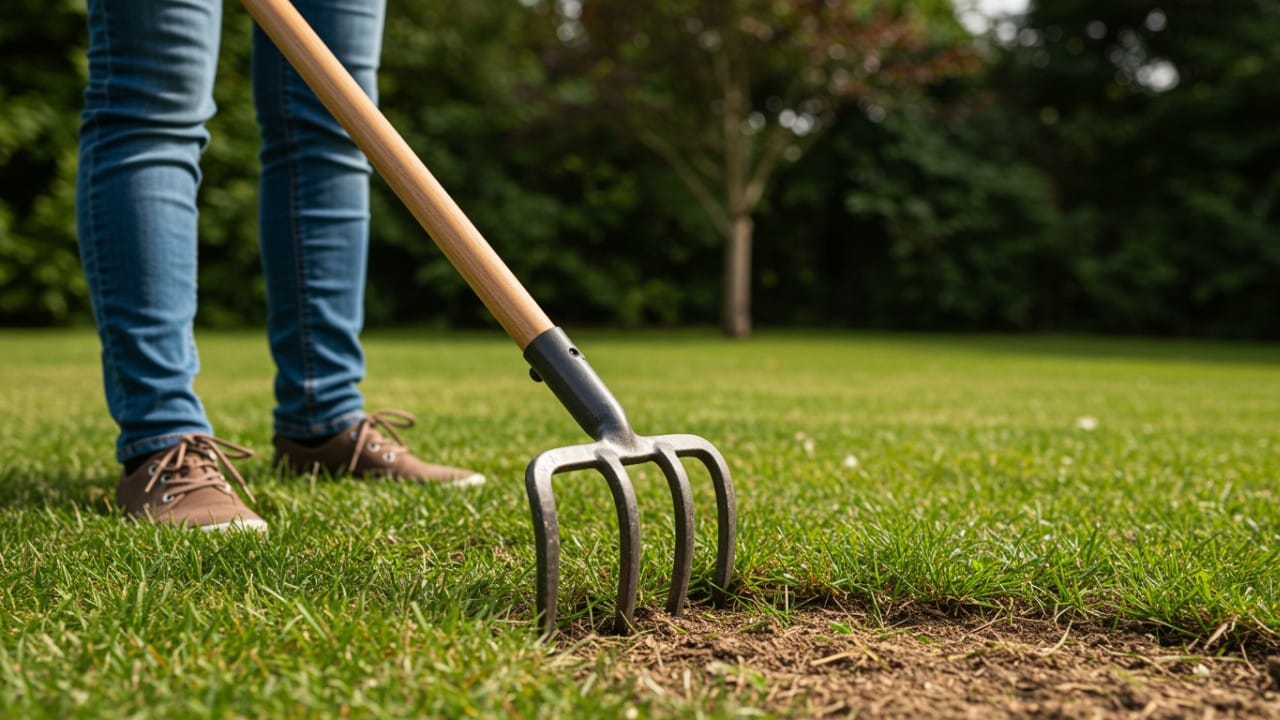
Aerate the compacted ground to improve water drainage and gas exchange. When the soil is hard and compacted, water simply sits on the surface and evaporates instead of reaching the roots. Relieving compaction should always be done before overseeding. Use a hollow tine aerator, a garden fork, or spiked aerator shoes to punch holes evenly across the damaged ground.
Step 3. How to Overseed Bare Patches
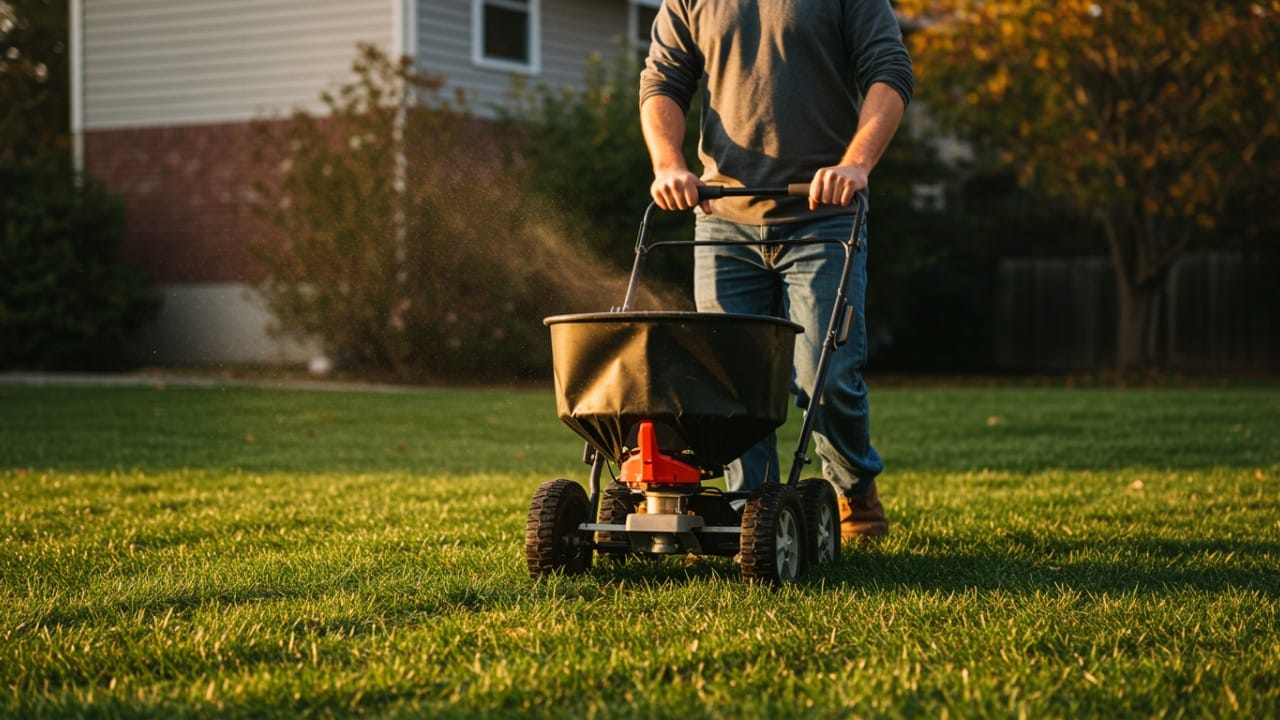
Scatter new grass seeds evenly across the bare areas to ensure a thick and even recovery. Once the ground is aerated, sow the new seeds by hand or use a broadcast spreader for larger patches. Use a light lawn roller or gently walk over the area to push the seeds into the soil, ensuring excellent seed-to-soil contact. Always try to reseed with the same grass mix that is already established in your yard.
Step 4. How to Improve Soil Health and Topdress
Top-dress the lawn with a thin layer of compost and balance the soil pH to support new root growth. Unhealthy soil will impede grass recovery. Before applying any treatments, learn how to read a soil test to know exactly what your yard lacks. Aim for a soil pH between 6.0 and 7.0, which is the sweet spot for most Australian lawns. Cover the newly spread seeds with a very thin layer (about 5-10mm) of organic compost or topsoil to protect them from birds and help retain moisture.
Step 5. How to Water and Feed at the Right Time
Water the new seeds constantly with a gentle stream and delay fertilising until germination. Never apply strong chemical fertilisers to bare seeds or severely heat-stressed grass, as this will cause chemical burns. Wait until the new green shoots are visible before applying a light, organic starter feed.
When watering, keep the top layer of soil constantly moist (watering lightly 2-3 times a day) until the seeds sprout. Once the lawn is established, transition to deep, infrequent watering. For mature grass, aim for a watering depth of about 15cm to encourage deep, drought-resistant root systems.
Pro Tip: Automate Your Recovery Watering Managing a strict watering schedule manually—especially transitioning from frequent light watering to deep watering—can be tedious. Using a smart sprinkler controller like the Aiper Irrisense 2 can automate this process. It connects to your local weather forecasts to automatically adjust watering times and skip rainy days, ensuring your recovering lawn gets exactly the moisture it needs without wasting water.
Common Lawn Care Mistakes to Avoid (The "Why It Failed" List)
Understanding what caused the death of the grass is as significant as understanding how to revive it. Avoid these common pitfalls:
- Blunt Mower Blades: According to the Queensland Government’s water-saving guidelines, blunt or dull blades cause severe damage. Instead of a clean cut, they tear the grass blades, resulting in massive moisture loss and a brown, crispy appearance.
- Overwatering: It is not healthy to overwater an established lawn. Constantly soggy soil suffocates roots and promotes fungal diseases and pest infestations.
- Smothering: Leaving thick, wet clumps of cut grass on the lawn causes smothering. This blocks essential sunlight and literally suffocates the healthy grass underneath.
The Eco-Friendly Alternative: Embracing a Natural Yard
Modern lawn care is shifting towards a more eco-friendly, low-maintenance approach. Consider using drought-tolerant ground covers, indigenous plants, and organic compost. Allowing a few weeds like clover to grow can actually be beneficial—clover fixes nitrogen in the soil naturally and promotes local pollinators. Avoid relying heavily on chemical pesticides and synthetic fertilisers, which can run off and pollute local waterways.
FAQs
What is the best month to revive a dead lawn in Australia?
The ideal times for lawn renovation are early Autumn (March to April) and mid-Spring (September to October). The soil is warm enough for seed germination, but the scorching summer heat won't immediately dry out your new seedlings.
How much does it cost to fix a dead lawn?
Fixing a patchy lawn is highly cost-effective if done yourself. Expect to spend between $50 to $150 on quality grass seed, organic compost (topdressing), and a basic fertiliser. Renting an aerator or scarifier for a day may add another $80 to $120.
Can dead grass grow back?
No, completely dead grass cannot grow back. However, brown grass that is merely dormant (still firmly rooted) will green up again with consistent, deep watering. Dead patches must be removed and reseeded.
Can a completely brown lawn come back to life?
Yes, if the crown and roots are still alive. If it is suffering from heat dormancy, it will begin to show signs of greening within 1 to 2 weeks of consistent watering and cooler temperatures.
How long does it take to fix patchy grass?
Usually, it takes 3 to 6 weeks to see significant improvement, depending on the grass variety, soil temperature, and how strictly you follow your watering schedule.