
The Ultimate Guide to Improving Pool Water Circulation in Your Backyard Oasis
Stop algae and cloudy water by optimizing jet angles for a whirlpool effect, running pumps 8-10 hours daily, and using robotic cleaners to eliminate stagnant dead zones.

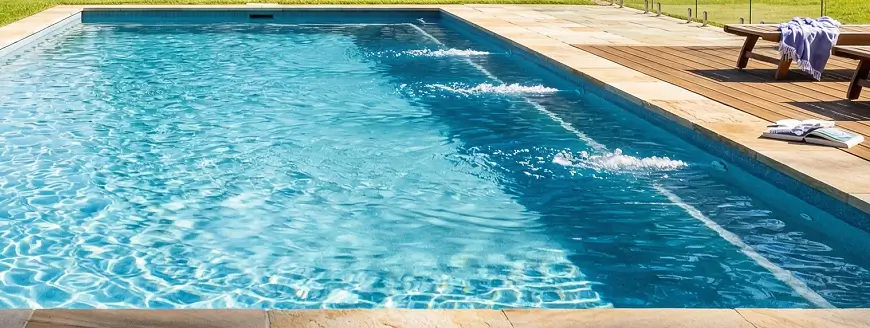
A pristine pool practically defines the Aussie backyard summer. But there's a catch. That glassy, perfectly still water you're looking at? It might actually be a major headache waiting to happen.
Stagnation is your pool's worst enemy. When water stops moving, your backyard retreat quickly morphs into a swampy breeding ground for algae and cloudy conditions. Nobody wants to swim in that.
At the core of a healthy swim setup is solid pool water circulation. This basic plumbing process is what actually keeps your filtration system ticking over, spreads your chemicals evenly, and saves your expensive equipment from an early grave. So, let’s break down how water movement actually works, why it matters for your health, and how to permanently fix those annoying dead zones in your pool.
How Does the Circulation System Actually Work?
Think of your pool’s plumbing as a team of three. If one player slacks off, the whole game is lost. You can’t just dump water in and hope for the best; you need an active, aggressive cycle to keep things from turning into a science project. Here is the reality of how that water keeps moving:
The Pump: The Heavy Lifter
Everything starts here. Your pump is the mechanical heart of the setup. It generates the raw suction needed to yank dirty water out of the basin, dragging it through the skimmer box and bottom drains. If the pump isn't pulling its weight, the water just sits there, getting warmer and weirder by the hour.
The Filter: The Purification Lab
Once the pump does its job, the water gets shoved into the filter tank. Whether you’re running sand, a cartridge, or glass media, this is where the dirty work happens. It’s designed to strip out the microscopic gunk—think dust, eucalyptus leaves, and those oily layers of sunscreen that everyone leaves behind after a swim.
The Return Jets: The Flow Starters
Freshly scrubbed water then gets blasted back into the pool through the return jets. This part is vital. These jets create the actual currents that push the old, uncleaned water back toward the skimmer. Without this push, the clean water would just hover near the wall while the rest of the pool remains stagnant.
When this entire loop runs properly, we talk about the turnover rate. Basically, this is just a fancy way of saying how long it takes for every single drop of water in your pool to pass through that filter lab at least once.
The Public Health Imperative Behind Constant Flow
Why stress over relentless water movement? It isn't just about keeping the surface looking nice for a weekend barbecue. It actually comes down to basic chemistry and keeping your family safe.
Let water sit, and your sanitiser just pools in one spot. It’s a pretty serious issue. In fact, the environmental health team makes this incredibly clear in their public pools and spas guidelines provided by NSW Health. They point out that preventing disease requires matching constant disinfection with physical filtration to physically pull out contaminants.
If your circulation drops the ball, the chlorine from your salt chlorinator simply cannot reach the isolated corners of the pool. When sanitiser levels plummet in these stagnant pockets, pathogens and algae spores throw a party. Consistent flow is the only guarantee that every litre of water gets the chemical treatment it needs to stay safe.
5 Proven Ways to Improve Pool Water Circulation
Fixing poor flow doesn’t mean you have to rip up your paving and redo the plumbing. More often than not, a few smart mechanical tweaks are all you need to get things moving again.
1. Angle Your Return Jets for a "Whirlpool Effect"
Leaving return jets pointing straight ahead or straight up is probably the most common rookie error we see. Sure, it ripples the surface and looks nice, but it does absolutely nothing for the heavy, cold water sitting on the floor.
Try this instead: angle all your return jets diagonally down, pointing in the same direction. If they all point slightly right and downwards, you create a massive, continuous circular current. This whirlpool effect stops water from just bouncing uselessly off your fibreglass walls. Better yet, it naturally sweeps suspended dirt directly into the path of the skimmer.
2. Optimise Your Pump Run Time for the Australian Climate
To maintain decent pool water circulation, you need to aim for at least one (ideally two) complete turnovers a day. Summer down under is brutal on pool water. Harsh UV rays chew through chlorine reserves in hours, and warmer water acts like an incubator for bacterial growth.
Because of this, you really need to run your pump for about 8 to 10 hours a day during peak season. If you’re worried about the power bill, upgrading to a variable-speed pump is a game-changer. It lets you run the system at a lower, energy-sipping speed for much longer, ensuring constant water movement without causing a heart attack when the electricity bill arrives.
3. Keep the Primary Filtration System Unobstructed
A choked skimmer basket is basically a blocked artery. It starves the pump and kills your system's flow rate. Gum leaves, heavy pollen, and thick surface oils are usually the main offenders clogging up the intake line.
Manually emptying the basket every single afternoon gets old fast. That’s why plenty of pool owners are moving toward automated gadgets to take the pressure off the main plumbing. Adding a cordless surface cleaner, like the Aiper Surfer S2, is a brilliant workaround. It cruises around grabbing floating debris before it gets waterlogged and blocks the skimmer plate. Less junk in the basket means your main pump maintains maximum suction all day long.
4. Maintain the Correct Water Level
Things like heavy splashing from the kids and natural evaporation will drop your waterline faster than you think. Why does that matter? If the water dips below the halfway mark on the skimmer opening, your pump starts sucking in air.
When air hits the plumbing lines, it causes cavitation. This instantly kills your filtration cycle. Worse, it makes the pump motor run dry, overheat, and eventually seize up. Save yourself a massive repair bill by checking the water level every weekend. Just grab the garden hose and top it up to the exact midpoint of the skimmer faceplate.
5. Eliminate Deep "Dead Zones" via Mechanical Agitation
Even if you have an oversized pump and perfectly angled jets, the actual shape of your pool works against you. Steps, metal ladders, and sharp 90-degree corners create hydrodynamic shadows. The main current just glides right past them, leaving dense, cold layers of unmoving water trapped on the bottom.
Your return jets simply can't flush out these stubborn areas on their own. You have to use mechanical agitation. You could spend your Saturday manually scrubbing the floor with a brush, but dropping in a floor-and-wall robotic cleaner like the Aiper Scuba X1 Pro Max is a much smarter engineering fix. As its treads grip the basin, the heavy suction and physical churning actively break up those static bottom layers. It forces the dense, trapped water upwards so the main filtration current can finally grab it.
Identifying High-Risk Dead Zones in Your Pool
You can't fix stagnation if you don't know where it hides. Next time you're outside, check these common architectural dead zones:
- Behind and under the ladder: Those shiny stainless steel rails act like physical barricades, completely disrupting smooth currents.
- Moulded pool steps: The geometric shape of stairs deflects water. Often, the water resting flat on the treads goes entirely undisturbed for weeks.
- Directly beneath the skimmer: It sounds weird, but the water sitting vertically right below the suction box rarely gets any lateral push.
- The deepest crevices: Cold water is heavy. It sinks to the deep end and stubbornly stays there, trapping fine silt and paving the way for algae.
Summary & Best Practices
Getting your water quality spot on isn't magic; it’s just good hardware management. By taking a few minutes to tweak your jet angles, running the pump for the right amount of hours, and keeping the skimmer clear, you massively reduce the chance of chemical blowouts. Plus, giving your main plumbing a hand with automated agitation helps bridge the gap between basic upkeep and flawless pool water circulation.
Do yourself a favour today: go out, inspect your jet angles, and empty that skimmer basket. Your future self will definitely thank you when the pool stays crystal clear through January.
Frequently Asked Questions (FAQ)
How do I calculate if my pool turnover rate is actually sufficient?
A good rule of thumb is that your entire pool volume needs to pass through the filter media within 6 to 8 hours. If you constantly battle cloudy water even though your pH and chlorine test perfectly, poor water movement is almost certainly the culprit. You might need to extend your pump's run time or give your filter cartridges a deep clean to get the pressure back up.
Can a robotic cleaner genuinely help circulate pool water?
Yes, without a doubt. People think they just pick up leaves, but the physical movement of a heavy robot—plus the water blasting out of its exhaust—creates aggressive micro-currents. This mechanical agitation actively tears up cold, stagnant layers in the deep end, forcing the bad water to the surface where your skimmer can finally do its job.
Should I run my filtration system during the day or at night?
Run it during the day. We know off-peak power is cheaper at night, but the sun's UV rays absolutely destroy chlorine. If you maintain an active flow while the sun is beating down, you guarantee your sanitiser is being pushed around the pool exactly when the water is under the most environmental stress.