
How to Keep Spiders Out of Your Pool: A Complete Guide for Aussie Homes
Keep spiders out of your Aussie pool by removing insect food sources, trimming nearby vegetation, using natural repellents, maintaining clean balanced water, and always using a skimmer net to avoid dangerous funnel-web spiders.


There’s really nothing that ruins a lazy weekend swim quite like spotting a massive spider doing the backstroke in your pool. For plenty of Aussie homeowners, seeing a cluster of eight-legged visitors drifting on the surface is pure nightmare fuel. You’ve probably seen the jokes online—when you find a pool full of spiders, the only logical step is to sell the house or set the whole backyard on fire.
Jokes aside, you definitely have better, far less extreme options.
Let's face it: our backyards naturally draw in a massive variety of arachnids. Most of them are just your standard, harmless garden types. But depending on where you live, you might be sharing your space with nastier species like wolf spiders or the notorious funnel-web. Since pools offer a steady supply of water, plenty of tasty insects, and nice sheltered edges, they easily turn into accidental spider traps.
If you're wondering how to keep spiders out of your pool without losing your mind, the good news is that a few practical tweaks can make a world of difference. This guide breaks down exactly why these critters are crashing your swim sessions, the hidden risks of specific Australian species, and the proven strategies to reclaim your backyard oasis.
Why Are There So Many Water Spiders in Swimming Pools?
If you're constantly fishing water spiders out of your swimming pool, it usually means your backyard environment is rolling out the welcome mat for them. Believe it or not, most spiders don't actually want to go for a swim. They usually end up in the water for three very specific reasons:
- Thirst and extreme heat: Hot Australian summers are brutal. Just like any other animal, spiders actively search for moisture when the temperature spikes. Your pool is essentially a giant, glowing oasis—especially during dry spells when natural puddles and creeks dry up.
- Hunting for a bug buffet: This is the biggest culprit. Mosquitoes, midges, and other flying insects love gathering around water surfaces and outdoor lighting. Spiders simply follow their prey. While trying to catch a hovering insect near the pool edge, they lose their footing and take a plunge.
- Clumsy accidental falls: A lot of pool spiders are just wandering across the concrete deck or garden edges at night. Lacking the best grip on wet surfaces, they simply slip over the edge and get trapped.
Understanding this behaviour is half the battle. If you cut down on the insects and debris surrounding the water, you'll naturally see a massive drop in spider visits.
The Hidden Danger: Funnel-Web Spiders in Your Pool
While a lot of the critters you'll fish out are harmless, we live in Australia—which means caution is basically a survival requirement.
One of the most concerning intruders is the funnel-web spider. Known for their highly potent venom and aggressive defensive behaviour when disturbed, these spiders typically prefer moist soil and sheltered garden beds. However, they frequently wander into backyards and tumble into outdoor structures.
In fact, according to the Australian Museum's guide on funnel-web spiders, wandering funnel-webs regularly fall into backyard pools. Here is the truly terrifying part: they can survive underwater for much longer than you'd think.
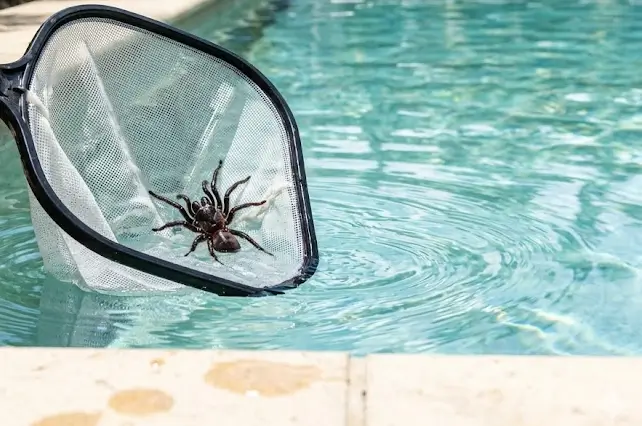
Funnel-web spiders can't actually swim. Instead, the fine hairs covering their abdomens trap a tiny bubble of air. This built-in scuba tank allows them to float and stay alive underwater for an astonishing 30 hours. They might be resting on the pool floor or clinging to the side, looking completely lifeless.
Because of this insane survival trick, never use your bare hands to remove a spider from the pool—even if you are 100% sure it’s dead. Always grab a long-handled skimmer net or a pool vacuum.
5 Effective Steps: How to Keep Spiders Out of Your Pool
Forget looking for a single magic bullet. Keeping spiders away is all about layering your defences. By combining cleaning habits, smart landscaping, and targeted deterrents, you can drastically reduce the number of spiders in your pool.
Here are the five most effective strategies used by Australian pool owners:
Step 1. Maintain a Strict Pool Cleaning Routine
Bugs bring spiders. It's that simple. When leaves, organic debris, and dead insects collect on the water's surface, your pool turns into a highly attractive hunting ground.
Getting rid of this food source is your first line of defence. Daily skimming helps eliminate floating insects before the spiders even realise they're there. Regular vacuuming is just as important, as it sucks up the decaying matter on the floor that feeds smaller organisms. Sticking to routine pool cleaning is easily one of the best ways to discourage spider activity.
However, manually dragging a vacuum around every single day is exhausting.
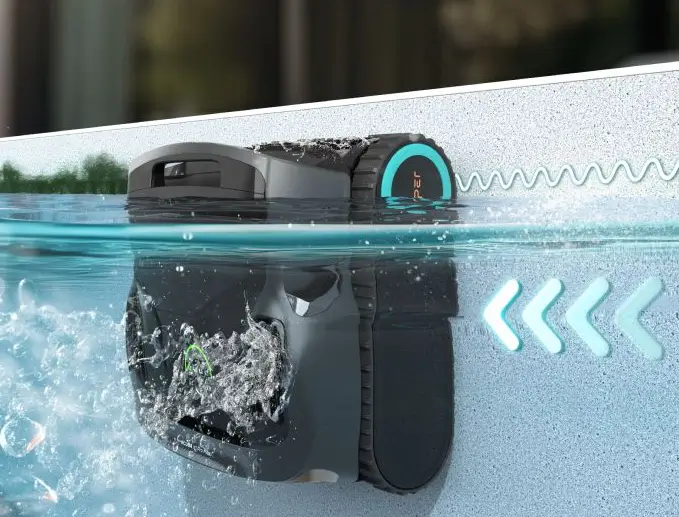
To effortlessly remove debris and dead bugs without breaking a sweat, many homeowners rely on automated tech, like the Aiper Scuba X1 Pro Max Cordless Robotic Pool Cleaner. By letting a robot consistently scrub the floor and waterlines, you effectively break the food chain that attracts spiders in the first place, saving yourself hours of manual labour.
Step 2. Smart Landscaping: Clear the Surrounding Deck
Spiders love the dark. They want quiet, undisturbed real estate where they can build webs and hide during the daylight hours. Unfortunately, the area around your pool is probably full of these micro-habitats.
Common spider shelters include:
- Dense shrubs or bushes pushing up against the water’s edge
- Dark gaps beneath timber decking boards
- Pool pump enclosures and filter boxes
- Storage bins for pool toys and equipment
- Stacked patio furniture that rarely gets used
Overgrown plants are a spider's best friend because they provide shade and a bridge right to the water. Trimming back your vegetation so there’s a clear buffer zone of a few feet makes a huge difference. Additionally, make it a habit to sweep the concrete deck regularly to destroy newly formed webs and sweep away dead insects.
Step 3. Use Natural Repellents (Peppermint Oil & Diatomaceous Earth)
Not keen on blasting your yard with harsh chemicals right out of the gate? Fair enough. Many homeowners successfully use natural deterrents to keep eight-legged visitors at bay.
Peppermint oil is a massive crowd favourite. Spiders absolutely despise the strong scent. You can mix a few drops of peppermint essential oil with water in a spray bottle and mist it around the pool perimeter, along the fence line, and near the filter box.
Another brilliant, eco-friendly option is Diatomaceous Earth (DE). This flour-like powder is made from fossilised algae. To us, it feels like soft dust; to a spider, it’s like walking on broken glass. It creates microscopic cuts on their bodies, causing them to dry out. Sprinkling DE around garden borders and deck edges is a fantastic deterrent.
A quick heads-up, though: DE washes away instantly. If you live in an area with frequent heavy rain, having to constantly reapply it can quickly become tedious and expensive.
Step 4. Apply Surface Insecticides as a Last Resort
Sometimes, natural tricks just don't cut it. If you are constantly scooping out spiders despite having a spotless pool and trimmed garden, you likely have a nest lurking nearby—perhaps deep under the concrete deck.
In these heavier infestations, perimeter insecticides might be necessary. Products containing synthetic pyrethroids (like Talstar P) are commonly used to create a chemical barrier along fences, house foundations, and deck edges.
If the idea of spraying chemicals near your swimming water makes you nervous—or if you suspect there's a funnel-web nest nearby—don't risk it. Call in a professional pest controller. They know exactly how to target the hidden nests safely without contaminating your pool water.
Step 5. Keep Your Pool Chemistry Balanced
Stagnant, poorly balanced water is essentially a five-star resort for breeding insects. And where insects gather, spiders quickly follow.
Maintaining proper chlorine levels and keeping your pH stable creates a harsh, unappealing environment for bugs to lay eggs or linger. Make it a habit to test your water weekly. If you’re unsure about the exact numbers you should be aiming for, brushing up on a guide to balancing your pool water chemistry will give you the confidence to get it right.
Clean, perfectly balanced water means fewer bugs, which naturally means fewer spiders.
Summary & Best Practices for Pool Owners
At the end of the day, dealing with spiders is just part of the Aussie pool ownership experience. But it doesn't have to be a daily nightmare. The secret is consistency. Keep the water clean, trim back the overgrown plants, and cut off their insect food supply.
Above all else, prioritise your safety. Whenever you spot a spider in the pool, resist the urge to use your hands. Rely on your skimmer nets, use a proper tool (like pliers) to pull out your skimmer baskets, and always do a quick visual check of the water before you dive in.
FAQs About Spiders in Swimming Pools
How long can a spider survive in a pool?
While many common house spiders drown relatively quickly, species like the Australian funnel-web are the exception. By trapping tiny air bubbles in their abdominal hairs, funnel-webs can survive underwater for an incredible 30 hours.
What should I do if I find a pool full of spiders?
Don't panic, and definitely don't touch them. Use a long-handled skimmer net to safely scoop them out and dispose of them away from the water. Once the pool is clear, inspect your deck, equipment boxes, and nearby plants for nests, and consider applying a perimeter pest spray.
Does chlorine kill spiders in my pool?
No, standard pool chlorine levels won't kill a spider instantly. While highly chlorinated water isn't exactly comfortable for them, they can still survive for a surprisingly long time after falling in. Your best defence is keeping the pool clean and removing the bugs they like to eat.