
Lawn Care for Beginners: Get a Green Lawn


It can be strangely intimate to look out upon a patchy, overgrown or simply brown back yard. You water it. You mow it. And still, the lawn does not look fresh. And in case the latter sounds like it, you are not alone. Lawn maintenance in Australia is not that easy. They are in between blistering summers, extreme rain showers, and watering regulations and it is enough to make anyone give up and pave the entire thing.
The good news? The amateur lawn care does not need to be sophisticated and time consuming. The most important aspect of a healthy lawn is the lack of intensity, but correctness. It does not need a costly machinery or horticultural education, but only some requirements that are done well. The lawn care idea, in this guide, is separated into easy-to-understand tips on gardening that any amateur gardener can perform without the need to have high education levels in knowing what type of grass you should use and even clever ways of watering the lawn to make life easier.
Step 1: Know Your Aussie Grass Type
Before you touch the mower or sprinkler, you need to know what kind of grass you’re working with. In lawn maintenance Australia, this step is often skipped, and it causes half the problems people run into.
Warm-Season Grasses
These are the most common grasses across Australia. Buffalo, Couch, and Kikuyu all fall into this category. They thrive in heat, bounce back well from wear, and love the sun. The catch? They go dormant in winter, which means they can turn brown even if you’re doing everything right. That’s normal.
Cool-Season Grasses
Found mostly in cooler regions like Tasmania or parts of Victoria, cool-season grasses include Fescue and Ryegrass. They stay greener in winter but struggle in extreme heat.
Actionable tip: Check your lawn runners and leaf width. Thick, broad leaves usually mean Buffalo, while fine blades suggest Couch. This matters because the grass type determines how short you can mow without stressing it.
The 4 Pillars of Lawn Maintenance
Mowing: The "One-Third Rule"
One of the biggest beginner mistakes in how to mow lawn properly is cutting too much at once. Enter the one-third rule: never remove more than one-third of the grass blade in a single mow. Cutting more than that shocks the plant and weakens the roots.
For Buffalo grass, very common in Australian backyards, keep your mower set higher, around 40–60mm. This extra height shades the soil, reduces evaporation, and helps the lawn survive hot spells.
Mowing a little and often helps grass spread sideways, not just grow tall. This gives you a thicker, carpet-style lawn instead of thin, spiky grass. A dense lawn also leaves less space for weeds to grow.
Watering: The Most Critical Step
If mowing gives your lawn its shape, watering keeps it alive. The key is to water deeply, not every day. Fewer, longer waterings help roots grow down into the soil, which makes your lawn tougher when the heat hits.
When to water lawn: Early morning, before 10 am, is best. Water authorities like the Water Corporation and Sydney Water recommend this because less water is lost to evaporation and the grass dries properly during the day. Try not to water at night. Grass that stays wet overnight is more likely to get fungal problems. Light daily watering isn’t great either, as it only wets the surface and leads to weak, shallow roots.
Fertilising
Grass needs food to stay healthy, even the tough Aussie types. Fertilise twice a year: once in early spring to get growth going, and again in autumn to help roots before winter.
Use a slow-release fertiliser so nutrients are fed out gradually. This helps avoid burning the grass. Think of it as steady, balanced nutrition rather than a quick boost.
Weeding
Bindii and clover are classic Australian lawn villains. Bindii, especially, turns barefoot summers into a nightmare.
The best approach is prevention. Applying a pre-emergent herbicide in late winter helps stop Bindii from germinating before those painful prickles appear. A healthy, thick lawn also crowds weeds out naturally, which is another reason mowing and watering correctly matter so much.
Australia Lawn Care Calendar (Seasonal Guide)
A great lawn follows the seasons. Think rhythm, not randomness.
| Season | Key Actions |
|---|---|
| Spring (Sept–Nov) | Aerate compacted soil, apply fertiliser, and begin weekly mowing. Check your reticulation system is working. |
| Summer (Dec–Feb) | Water deeply (adhering to restrictions), mow higher to shade soil, watch for heat stress. |
| Autumn (Mar–May) | Repair bare patches with seeds, apply autumn fertiliser to prep roots for winter. |
| Winter (Jun–Aug) | Service your mower, apply pre-emergent spray for Bindii, avoid heavy foot traffic on wet grass. |
Following a seasonal plan is the secret behind lawns that look effortlessly good all year, rather than being a constant battle.
Why "Smart Watering" is Better Than "More Watering"
Watering is where most beginners slip up. It’s hard to judge how much is enough. Too little, and the lawn dries out. Too much, and you’re wasting water and money. Add Australia’s strict watering rosters into the mix, and things get confusing fast.
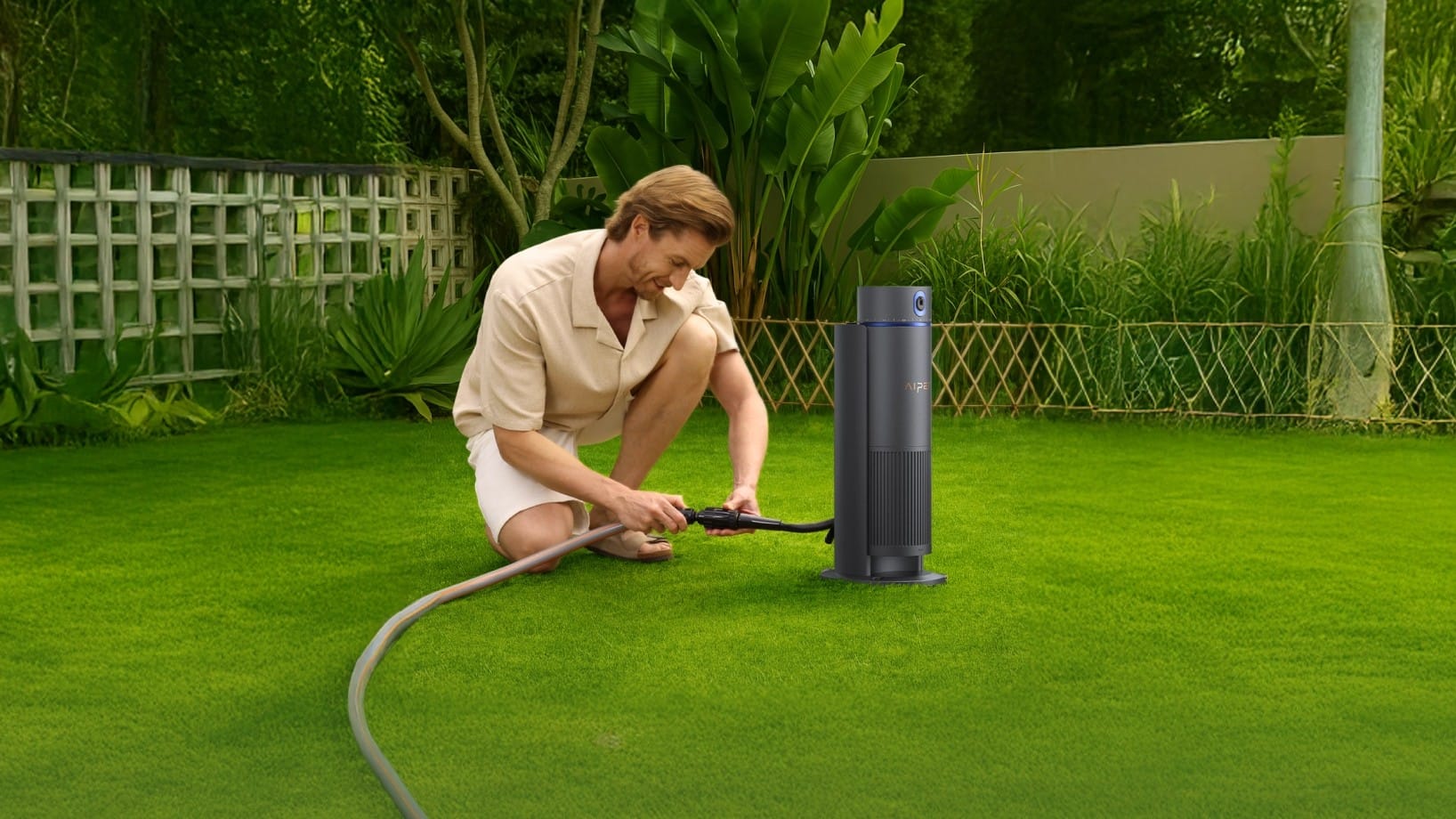
This is where smart irrigation makes a real difference. The Aiper IrriSense is designed to remove the guesswork entirely. Instead of manually adjusting old-school timers, IrriSense helps you manage your watering schedule intelligently.
It allows you to easily schedule watering to align with your local watering restrictions, preventing accidental fines. With its weather-tracking features, it can skip scheduled watering when rain is forecast. The result? Less water waste, lower bills, and a healthier lawn.
Rather than watering “just in case,” smart systems like IrriSense support the deep-and-infrequent method your lawn actually needs. It’s not about using more water; it’s about using the right amount at the right time. For eco-conscious gardeners, it’s a practical upgrade that fits modern Australian living.
Troubleshooting Common Lawn Problems
- Brown patches: This can be caused by hydrophobic soil, where water runs off instead of soaking in. A wetting agent helps water penetrate properly.
- Yellowing grass: This usually means the mower blades are blunt and tearing the grass instead of cutting it cleanly, or the lawn needs more nitrogen. Sharpen your blades and give the lawn a light fertiliser feed.
Conclusion & Next Steps
A great lawn doesn’t happen overnight. It’s built slowly, with patience and a few solid habits. Once you understand your grass type, mow correctly, and water smartly, everything else becomes easier.
This weekend, take a look at your watering setup and ask whether it’s really working for you, or against you. If you’re ready to simplify lawn care, explore how Aiper IrriSense can automate your lawn’s hydration and help you grow greener with less effort.
FAQ about Lawn Care for Beginners
Q: How often should I mow my lawn in Australia?
In summer, most lawns need mowing once a week. In winter, growth slows, so once a month, or even less, is often enough.
Q: Can I water my lawn at night?
It’s best not to. Water sitting on grass overnight encourages fungal diseases. Early morning watering is far safer.
Q: How do I know if my lawn needs water?
Try the footprint test. Walk across the grass; if the blades don’t spring back up, it’s time for a deep water.