
Australian Lawn Care Terms Explained: The Complete A-Z Glossary
Demystify gardening jargon with our Australian lawn care glossary. Learn about pH, soil types, and smart irrigation for a thriving backyard.

Feeling a bit lost when reading a fertiliser bag or listening to a landscaper rattle off advice? You’re not alone. The world of lawn care is filled with jargon that can make simple garden maintenance seem overwhelmingly complex. This guide is here to translate. We’ve compiled the essential lawn care terms explained specifically for the unique conditions of the Australian backyard. From soil science to mowing methods, understanding this terminology will empower you to make informed decisions, save money, and cultivate a thriving, resilient lawn.
Soil & Chemistry Terms
The foundation of a healthy lawn lies beneath the surface. Understanding these key soil science terms is the first step to diagnosing problems and choosing the right treatments for your patch.

pH Level
Simply put, pH is a measure of how acidic or alkaline your soil is, on a scale from 0 (highly acidic) to 14 (highly alkaline), with 7 being neutral. Most Australian turf grasses prefer a slightly acidic to neutral pH range of 6.0 to 7.0. When soil becomes too acidic, essential nutrients like phosphorus become "locked up" and unavailable to grass roots, leading to poor growth and yellowing.
Why it matters for your Aussie lawn: Australia has vast areas of naturally acidic soils, particularly in higher rainfall zones. According to Agriculture Victoria, "Soil is considered acidic when the pH(CaCl2) is less than 4.8." If a soil test reveals acidity, applying garden lime can help neutralise it and unlock your soil’s potential.
N-P-K Ratio
Those three numbers on every fertiliser bag (e.g., 10-2-8) represent the ratio of the three primary macronutrients: Nitrogen (N), Phosphorus (P), and Potassium (K).
- N (Nitrogen):The engine for leaf growth and that lush, green colour. It’s the most frequently required nutrient for established lawns.
- P (Phosphorus):Crucial for strong root and seedling development. It’s particularly important when establishing new turf from seed or sod.
- K (Potassium):Often called the "health" nutrient. It strengthens grass against diseases, drought, and extreme temperatures—key for surviving an Australian summer.
Why it matters: Choosing a fertiliser with the right N-P-K balance for your lawn’s life stage (establishment vs. maintenance) and season ensures you feed it effectively without wasting money or causing nutrient run-off.
Soil Compaction
This occurs when soil particles are pressed together, reducing the pore spaces between them. This squeeze eliminates the vital air and water channels roots need to breathe and grow. You’ll notice it in areas of high foot traffic where the ground feels hard, and water pools on the surface rather than soaking in.
Why it matters for your Aussie lawn: Australian soils, especially common clay loams, are particularly prone to compaction. As noted by the CSIRO in their soil research, the physical characteristics of our soils mean they can easily become dense and impermeable. Compacted soil leads to shallow roots, poor drainage, and thin, struggling grass.
Common Australian Grass Types
Choosing the right grass is half the battle. In Australia, we primarily divide turf into two categories based on their ideal growing climate.
Warm-season Grass
These are the champions of most mainland Australian gardens. They thrive in warm to hot temperatures (optimal growth between 20°C and 35°C) and enter a dormant, brown phase during cold winters. They are typically drought-tolerant and tough.
Examples:
- Buffalo:Soft, broad-leafed, and shade-tolerant. Modern varieties like Sir Walter are low-allergy.
- Couch:A fine-leafed, dense grass that loves full sun and can handle heavy wear. It spreads via above-ground runners (stolons).
- Kikuyu:Incredibly vigorous and wear-resistant. It’s excellent for high-traffic areas but can be invasive in garden beds.
- Zoysia:A premium, slow-growing option that forms a very dense, weed-resistant turf. Excellent drought tolerance.
Cool-season Grass
These grasses prefer the milder temperatures of southern regions, thriving between 15°C and 24°C. They stay green year-round in cool climates but can struggle with heat, drought, and disease during harsh Australian summers. They are best suited to Tasmania, the highlands, or very shaded, cool microclimates.
Examples:
- Fescue:Often found in shade-tolerant blends. It has a fine texture but requires consistent moisture.
- Rye (Perennial Ryegrass):Germinates quickly, providing a fast green cover. It’s often mixed with other grasses for wear tolerance but needs frequent watering in summer.
Aussie Grass Types Comparison Table
| Grass Name | Drought Tolerance | Wear Tolerance | Maintenance Level |
|---|---|---|---|
| Buffalo | High | Medium–High | Low |
| Couch | High | Very High | Medium (requires regular mowing) |
| Kikuyu | Very High | Exceptional | Medium–High (vigorous growth) |
| Zoysia | Very High | High | Low (slow growing) |
| Fescue | Low–Medium | Low–Medium | Medium (requires more water) |
| Rye | Low | Medium–High | High (needs frequent feeding/watering) |
Mowing & Maintenance Jargon
How you cut and care for your lawn has a profound impact on its health. These terms describe the core practices of good lawn stewardship.
Aeration
This is the process of mechanically creating small holes in your lawn to alleviate soil compaction (see above). It allows air, water, and nutrients to penetrate the root zone.
- Coring:Removes small plugs of soil. This is the most effective method for heavily compacted areas.
- Spiking:Pokes holes into the soil with solid tines. Good for milder compaction.
Why it matters: For compacted Australian soils, annual aeration in spring or autumn can be transformative, reviving tired lawns and improving water efficiency.
Thatch vs. Dethatching
Thatch is a natural layer of living and dead organic matter (roots, stems, runners) that sits between the green grass blades and the soil surface. A thin layer (up to 1cm) is beneficial, acting as a moisture-retaining mulch. However, excessive thatch forms a barrier that blocks water, fertiliser, and air.
Dethatching (or scarifying) is the process of vigorously raking or using a powered machine to remove this thick thatch layer.
Why it matters: Too much thatch encourages shallow roots and harbours pests and disease. Dethatching, typically done in early spring, gives your lawn a fresh start.
Mulching
In lawn care, mulching refers to the practice of cutting grass clippings into extremely fine pieces and dispersing them back onto the lawn. These tiny clippings decompose rapidly, returning valuable nitrogen and organic matter directly to the soil, acting as a natural fertiliser.
Why it matters: It’s a form of nutrient recycling that reduces fertiliser needs by up to 25%. Rather than bagging clippings, using a mower with a 'mulch plug' feeds the lawn continuously and promotes a healthier, more resilient turf naturally.
Scalping
This occurs when grass is cut too short, removing not just the leaf blade but also part of the stem (crown), exposing the soil and brown base of the plant. It’s often an accidental result of mowing over bumps or setting the mower height too low.
Why it matters: In the harsh Australian sun, a scalped lawn is vulnerable to sunburn, rapid moisture loss, and weed invasion. It stresses the grass immensely. The golden rule is to never remove more than one-third of the grass blade in a single mow.
Watering & Irrigation Terms
Efficient water use is non-negotiable in Australia. These terms help you water smarter, not harder.
Deep Watering
This technique involves applying water slowly and less frequently, but for a longer duration, to encourage moisture to penetrate deep into the soil profile (15-20cm). This trains grass roots to grow downwards, creating a more drought-tolerant lawn.
Why it matters: It’s the opposite of light, daily sprinkling, which encourages shallow roots and evaporation. Deep watering builds a resilient lawn that can access subsurface moisture during dry spells.
Evapotranspiration (ET)
This is the combined process of water evaporation from the soil surface and transpiration (water loss) from the plant itself. It’s essentially your lawn’s total water usage rate, influenced by temperature, humidity, wind, and sunlight.
Why it matters: Understanding ET concepts helps you water efficiently. The goal is to replace the water lost through evapotranspiration, not overwater. Local water authorities often provide ET rate guides for savvy gardeners.
Rain Delay
A feature found in modern irrigation systems that automatically pauses scheduled watering when rainfall is detected or forecast.
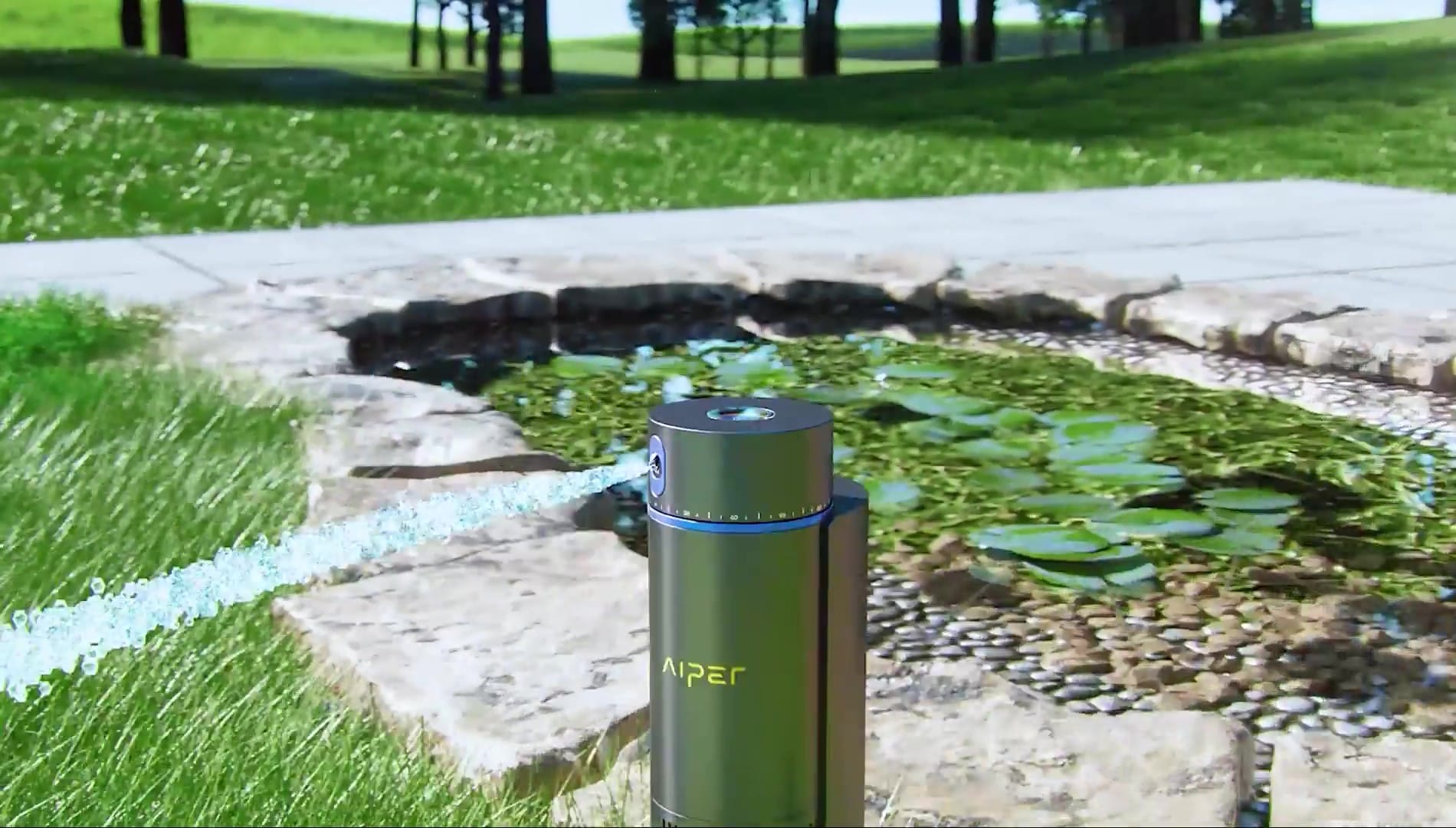
Why it matters: There is nothing worse than seeing sprinklers running during a downpour. It wastes money and can lead to waterlogging and fungal disease. The Aiper IrriSense 2 uses smart weather syncing to trigger a "Rain Delay" automatically, ensuring you never water when nature is already doing the job.
Hydrophobic Soil
This is soil that literally repels water. It occurs when organic residues coat soil particles (especially sand) in a waxy layer, common in dry, sandy soils and under eucalyptus trees (gumnuts). Water beads up and runs off rather than soaking in.
Why it matters for your Aussie lawn: It’s a frequent issue in sandy coastal areas. The solution is applying a soil wetting agent (or surfactant), which breaks down the waxy coating and allows water to penetrate evenly again.
Summary
Speaking the language of lawn care demystifies the process and puts you in control. From selecting the right grass type for your climate to understanding why your soil repels water, this knowledge helps you diagnose issues and save both time and money.
However, understanding terms like "Evapotranspiration" doesn't mean you have to calculate them yourself. Modern technology has bridged the gap between professional turf science and home gardening. By upgrading to a smart irrigation system, you can automate the complex decisions, ensuring your lawn receives the perfect amount of water based on real-time data—leaving you more time to enjoy your backyard.
FAQs
Q: What is the most important lawn care term to know for Australian summers?
A: Evapotranspiration. Understanding this concept is key to water conservation. During hot, dry, windy summers, evapotranspiration rates are high, meaning your lawn loses water quickly. Watering deeply in the early morning to match this loss, rather than on a fixed schedule, is crucial for maintaining health while being water-wise.
Q: How do I fix acidic soil according to Australian standards?
A: First, conduct a soil test to confirm the pH level. If your soil is too acidic (below pH 6.0 for most grasses), the standard correction is to apply agricultural lime or dolomite. As referenced from Agriculture Victoria, the amount required depends on your soil type and current acidity level. Always follow product instructions and re-test your soil after 3-6 months, as change happens gradually.
Q: What does N-P-K mean on fertiliser bags?
A: The N-P-K ratio shows the percentage by weight of the three key nutrients: Nitrogen (N), Phosphorus (P), and Potassium (K). For example, a 10-2-8 fertiliser contains 10% Nitrogen, 2% Phosphorus, and 8% Potassium. The remaining weight is filler material that helps distribute the nutrients evenly. Choose a balance suited to your goal: high nitrogen for green growth, higher phosphorus for new lawns, and balanced potassium for overall summer stress tolerance.