
How to Use Less Water Without Killing Your Grass: The Ultimate Guide to Lawn Water Conservation
Save water and keep your lawn green by watering deeply 1-2 times a week, mulching for moisture retention, and upgrading to smart above-ground irrigation systems.

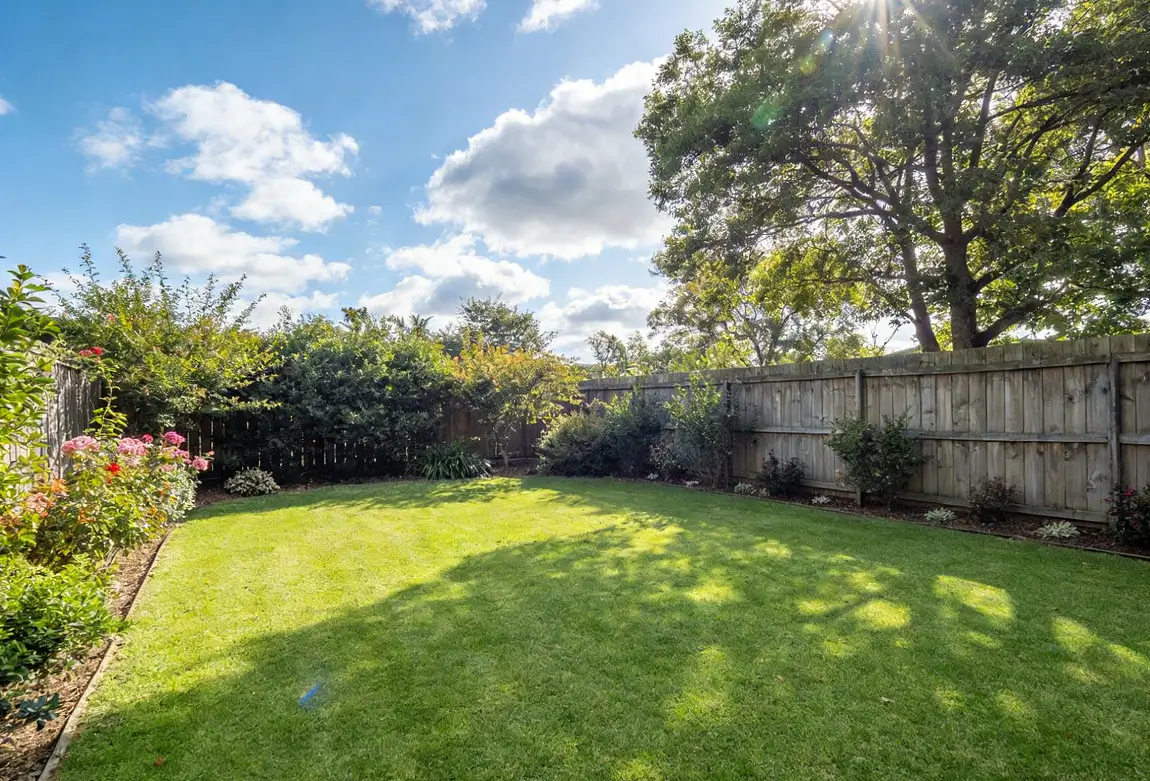
For Australian homeowners, keeping a lawn lush and green through a scorching summer can feel like an impossible task. Between soaring temperatures, local water restrictions, and the ever-present concern of a rising water bill, many people assume they have to choose between a healthy lawn and responsible water usage. The good news is that this is a false choice.
A vibrant, green lawn and genuine lawn water conservation are not mutually exclusive goals. With the right knowledge and approach, you can significantly reduce your water consumption while still maintaining a beautiful, resilient yard. This guide will walk you through the proven strategies and smart technologies that make this balance possible, helping you save water and your sanity this summer.
Core Principles for Saving Water for Lawn
Before investing in any new tools or gadgets, the most important step is to change your habits. Effective water conservation starts with understanding the basic science of how grass consumes water. Your goal is to work with your lawn's natural biology, not against it. By shifting your mindset from simply "wetting the surface" to deeply hydrating the soil, you can fundamentally reduce the amount of water your lawn demands while simultaneously making it tougher and more drought-resistant.
Water Deeply and Less Frequently
The single most effective change you can make is to abandon the habit of daily, shallow sprinkling. This common practice encourages grass roots to stay near the surface, where they are completely dependent on constant moisture and dry out almost immediately when watering stops. According to GWMWater guidelines, you should keep lawn watering to a minimum by encouraging deep root growth. Water thoroughly rather than often, to help make plants tough. This means applying enough water at one time to soak the soil to a depth of 10-15cm. This deep hydration encourages roots to grow downwards in search of moisture, creating a self-sustaining lawn that can access water reserves deep in the earth. A great first step is learning how to train deep roots for a drought-tolerant lawn, which is the foundation of a resilient landscape.
Optimize the Best Time for Watering the Yard
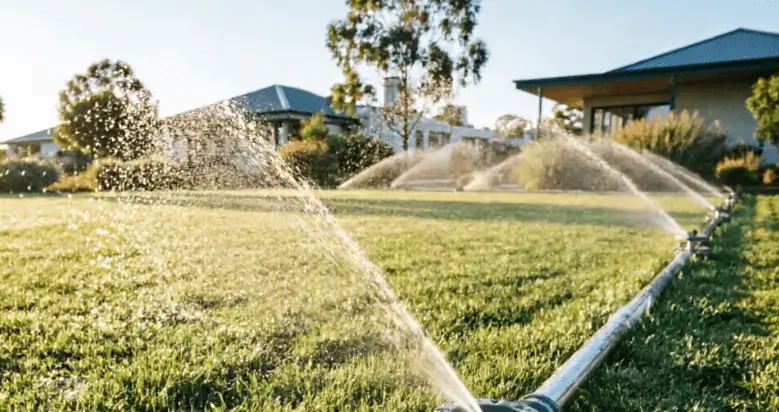
When you water is just as important as how you water. During the heat of the day, a significant amount of water is lost to evaporation and can simply be blown away by the wind before it ever reaches the soil. The ideal time for watering the yard is in the early morning, ideally before 10:00 AM. At this time, temperatures are cooler, winds are typically calmer, and the water has a chance to soak deep into the soil. Watering in the evening can also be effective, but it may leave grass blades damp overnight, which can sometimes promote fungal growth. For a detailed breakdown of timing, refer to this complete guide on how often to sprinkle your lawn in Australia.
Maximize Soil Moisture Retention
Once you've effectively watered your lawn, the next goal is to keep that precious moisture in the soil for as long as possible. The surface of your soil acts like an open doorway; if left bare, water will evaporate rapidly. You can close this doorway by ensuring your soil has good organic matter and by following expert advice on using mulch and late-winter fertilising to reduce evaporation. A layer of organic matter helps break up compacted soil, allowing water to infiltrate rather than run off. Additionally, a key technique is to avoid watering so fast that the water simply pools and runs off into the street. If you notice runoff happening, you are watering too quickly for your soil to absorb it. The solution is to use the cycle and soak watering method, which involves watering in short bursts to let the water penetrate before applying more.
Upgrading Your Garden Systems Watering (The Smart Approach)
While changing your habits is essential, upgrading your equipment can take your garden watering systems to the next level of efficiency. Traditional methods often have significant drawbacks. Underground irrigation systems are effective but can be expensive to install and require digging up large portions of your yard. On the other hand, manual watering with a hose is notoriously wasteful and leads to uneven distribution, as it's easy to overwater one patch while missing another.
Modern, above-ground smart irrigation systems offer a cost-effective and powerful alternative. The Aiper IrriSense 2 is a prime example of this new category. It is a 4-in-1 Smart Irrigation System that cleverly integrates a controller, sprinkler, chemical dispenser, and solenoid valve into a single, user-friendly unit. By consolidating these components, it dramatically simplifies the entire setup without the need for complex underground equipment, lowering the costs of learning, buying, and maintenance. Its smart technology is designed to optimise water distribution, helping you achieve up to 40% water conservation without compromising the health and beauty of your lawn.
Alternative Ways to Irrigate the Lawn
Reducing your reliance on mains water is a powerful step toward true sustainability. Exploring alternative water sources can take the pressure off the supply and keep your lawn healthy, even during official restrictions. There are two primary ways homeowners can irrigate the lawn using water that would otherwise go to waste.
Rainwater Harvesting
Installing a rainwater tank is one of the most effective investments you can make. By collecting the runoff from your roof, you create a private reservoir of soft, untreated water that is perfect for your garden. This water can be used for your lawn via a hose or integrated with your irrigation system, providing a free and sustainable water source exactly when you need it most.
Safely Watering with Greywater
Greywater the relatively clean wastewater from your bath, shower, and washing machine is another excellent resource. However, safety is paramount when watering with greywater. It is essential to use only low-sodium, eco-friendly, and biodegradable detergents and soaps in your home. Harsh chemicals can damage your soil and harm your grass. When used correctly, diverting greywater to your lawn is a fantastic way to recycle water, but you must avoid storing it for more than 24 hours to prevent bacteria from growing.
Common Mistakes When Watering Your Grass
Even with the best intentions, it's easy to fall into habits that undermine your water conservation efforts. Being aware of these common pitfalls is key to long-term success.
One major mistake is the over-reliance on watering with a hose. While a hose gives you a sense of control, it is incredibly difficult to apply water evenly across a large lawn area. This often results in some patches being flooded while others remain dry, leading to both water waste and an uneven, stressed lawn. Another critical oversight is ignoring your local council's water restrictions. These rules are in place to ensure community-wide water security, and staying informed about them is a fundamental part of being a responsible homeowner.
Traditional vs. Smart Irrigation Methods
To help visualise the differences between common watering approaches, the table below compares three distinct methods based on key factors for Australian homeowners.
| Method | Water Efficiency | Installation Cost & Effort | Maintenance Level |
|---|---|---|---|
| Manual Watering (Hose) | Low - Highly uneven, prone to runoff and over-watering. | Very Low - Just the cost of a hose. | Low - Hoses can kink or leak. |
| Traditional Underground System | High - Can be very efficient if designed and programmed well. | High - Requires digging, professional installation, and planning. | Medium - Sprinkler heads can get clogged or damaged. |
| 4-in-1 Smart System (e.g., Aiper IrriSense 2) | High - Smart technology optimises distribution and prevents waste. | Low - Above-ground, simple setup, no digging required. | Low - Integrated, user-friendly design. |
As the table shows, while traditional underground systems offer high efficiency, they come with a high barrier to entry. For most homeowners, smart above-ground systems provide the best balance of professional-level water savings with the low installation effort and cost that makes them an accessible and practical choice.
Summary: Build a Resilient, Water-Wise Lawn
The journey to using less water without sacrificing your lawn's health is not about a single magic bullet. It's about combining smart habits with smart technology. By shifting to deep, infrequent watering, timing your sessions for the cool of the morning, and using techniques to retain moisture in the soil, you build the foundation for a resilient lawn. When you then layer in modern, efficient tools, you create a system that works with nature, not against it. Take one small step today—whether it's adjusting your sprinkler schedule or exploring a smart irrigation upgrade—and you'll be well on your way to a water-wise lawn that is the envy of the neighbourhood.
FAQs About Lawn Water Conservation
Q1: How often should I water grass in the Australian summer?
It is far better to water deeply 1-2 times per week rather than lightly every day. This encourages deep root growth, making your lawn more drought-tolerant and self-sufficient.
Q2: Does shallow watering save water?
No, the opposite is true. Shallow watering leads to weak, surface-level roots that dry out quickly, causing the grass to stress and require even more frequent watering. It also results in higher water loss to evaporation.
Q3: Can a smart irrigation system really save water for lawn?
Yes. By using sensors and smart programming to optimise water distribution based on real-time conditions, a smart system like the Aiper IrriSense 2 prevents over-watering and runoff, achieving significant water savings while maintaining a healthy lawn.