
Manual Pool Cleaning vs Robotic Pool Cleaner: Which Wins?
Reclaim your weekends: robotic pool cleaners can save 1–2 hours of weekly scrubbing, reduce energy use by up to 80%, and offer superior cleaning compared to manual methods.


Summer in Australia is made for backyard barbecues, dips in the pool, and long afternoons relaxing with family. But if you’re spending your weekends bent over a pool vacuum, skimming net in hand, it quickly kills the vibe. The age‑old choice of manual pool cleaning vs robotic pool cleaner is more than just gear talk; it’s about how much time you want to spend maintaining your pool instead of enjoying it.
In this article, we’ll break down the real costs, time commitments, and cleaning performance differences between traditional pool cleaning methods and automation. By the end, you’ll be ready to decide which approach suits your lifestyle and budget best.
The Real Cost of Manual Pool Cleaning
Keeping a pool clean with traditional methods definitely works, but it takes effort. You’ll find yourself skimming the surface for leaves and bugs, brushing the walls and floors to get rid of algae, attaching a manual vacuum, and then backwashing the filter to clear out debris. On a good day, this can easily take over an hour. If your pool is larger or hasn’t been looked after recently, it might take even longer.
Even though doing hand vacuuming seems cheap, there are hidden costs. Running the pump longer to power the manual vacuum uses more electricity and puts extra strain on your system. Backwashing also wastes water, which then means you need more chemicals to keep everything balanced. Over the course of a summer, all that extra water and chemicals can really add up, and that’s before you even factor in the time you spend sweating over the pool.
Another reality with purely manual maintenance is human error. No matter how thorough you try to be, it’s easy to miss “dead zones”, corners, steps, or shallow edges where dirt and algae accumulate. Left behind, these can grow into bigger problems that take even more effort to correct later. For regular pool owners, that’s an unwelcome addition to yard chores and weekend plans.
Why Upgrade to a Robotic Pool Cleaner?
Automated pool cleaners offer several advantages that make them appealing for busy homeowners or anyone who’d rather spend time swimming than scrubbing. Modern robots are designed to be hands‑off.
All you have to do is put the robot in the water, press start, and let it get on with the job. You’ll find many models use dual‑filtration systems that pick up both big debris and tiny particles without needing your main pump. That saves wear and tear on the pump and can cut energy costs over time.
Some cordless pool vacuums use up to 60–80% less energy than running the pump for manual cleaning, since they only power their own motors.
Another big plus is how adaptable they are. Modern robots can handle concrete, fibreglass, and vinyl pools without damaging delicate surfaces. If you’re worried about your delicate pool surface, you may wonder whether robotic vacuums cause pool liners to wrinkle. The short answer is no, just make sure you pick a quality model made for that surface.
The navigation on many premium robots is smart, too. They can clean floors, walls, and the waterline all on their own. It’s easy to see how they reach corners and edges that are awkward with a pole or hose. That means fewer missed spots and more even cleaning. Whether it’s scraping sunscreen residue off the waterline or flushing algae from tricky corners, the robot takes care of it, letting you relax and enjoy your pool more.
Head-to-Head: Manual vs. Robotic Pool Cleaners
Before we break down ROI and long‑term practicality, it’s useful to see a quick side‑by‑side comparison of the two cleaning approaches:
| Time Spent | 1–2 hours weekly | 0 minutes (fully automated) |
| Physical Effort | High (skimming, scrubbing, setting up hoses) | Zero (plug and play/cordless) |
| Filtration | Relies on pool’s main pump | Independent, captures fine debris |
| Long-Term Cost | High (water waste, extra chemicals, pump wear) | Lower (energy-efficient, saves chemicals) |
For many pool owners, manual poles and brushes have low upfront costs. But when you factor in the labour, additional chemicals, and water loss, expenses can quickly stack up compared to a well‑chosen robot.
Making the Switch: Which is Right for Your Pool?
Ultimately, the best choice depends on how much you value your time and how much maintenance you’re prepared to do yourself. If you enjoy tallying up manual cleaning as part of your weekend ritual, or you have a small pool with minimal debris, traditional methods may still fit your needs.
However, if your pool gets frequent use, sits under trees, or you simply want more free weekends, upgrading to an automated device can be transformational.
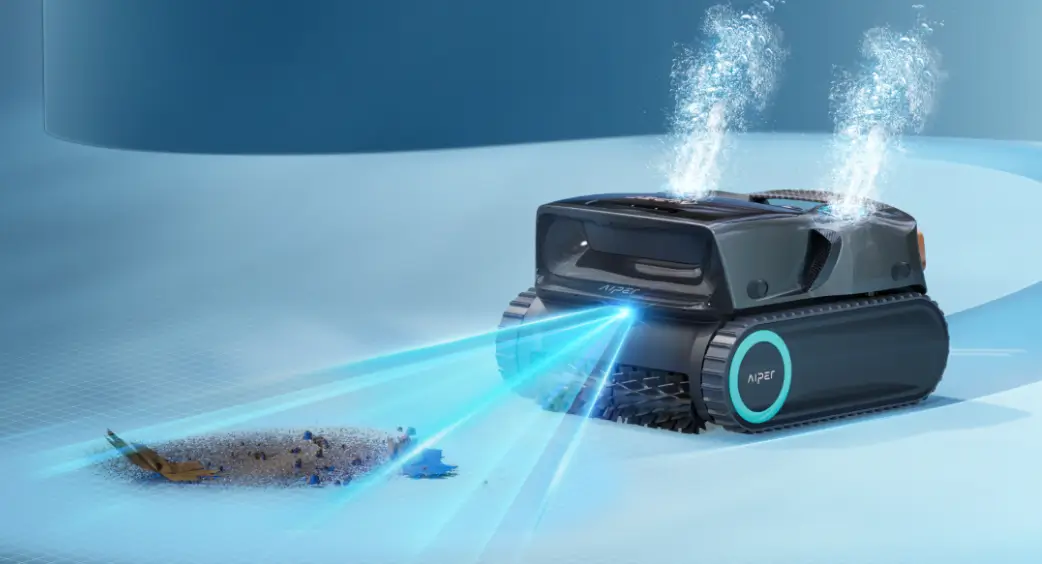
For those ready to step into the future of pool maintenance, the Aiper Scuba X1 Pro Max offers complete cordless freedom. Unlike manual poles, it utilises advanced navigation and smart path planning to systematically scrub floors, walls, and the waterline without getting tangled. Its high‑capacity battery can run multiple cleaning modes, and the dual‑stage filtration system captures both fine and larger debris, keeping water clear with minimal effort from you.
The Scuba X1 Pro Max is suitable for a wide range of in‑ground pools: concrete, vinyl, or fibreglass, and promises up to 10 hours of surface cleaning or five hours of deep cleaning per charge. With app control and wireless charging, it’s designed to fit into busy Australian lifestyles without adding extra chores.
If you are still weighing your options, explore our comprehensive guide on how to choose a robotic pool cleaner to match a device perfectly to your pool’s size and shape for help matching features to your specific needs.
Conclusion
When it comes to manual pool cleaning vs robotic pool cleaner choices, manual cleaning works if your budget is very tight and you don’t mind extra effort. But for most Australian pool owners, auto cleaners are an investment in lifestyle and long‑term pool health. They free up your weekends, reduce waste, and help keep the water consistently clean with less guesswork.
Reclaim your summer and let technology handle the hard yards so you can enjoy your pool without compromise.
FAQs
Do robotic pool cleaners use a lot of electricity?
Robotic pool cleaners are designed to be energy‑efficient. Unlike manual methods that depend on extended pump runtime, many robots run on low–voltage motors and use around 60–80% less energy than traditional systems. Because they don’t rely on your main filtration pump, the cost per clean is often only a few dollars in electricity.
Can a robotic cleaner replace manual brushing entirely?
Advanced robotic units handle around 95% of cleaning tasks, including floor, wall, and waterline scrubbing. However, very tight corners or stubborn algae blooms may still benefit from occasional manual brushing or skimming.
How often should I run my automatic pool cleaner?
During Australian summer peak months, running your robotic cleaner 2–3 times per week is recommended, depending on debris levels and pool usage. Lighter seasons may only need weekly cleaning.