
What is Fertigation? A Complete Guide to How It Works
Fertigation combines watering and fertilizing for efficient lawn care, but traditional underground systems are costly. Discover how modern smart above-ground technology simplifies this process for Australian homeowners.

A lush, well-grown lawn is a matter of pride for many homeowners. But the complex traditional irrigation system can result in lawn burns or excess water loss.
For Aussies, a well-maintained lawn is no longer a matter of time-consuming steps for watering and fertilising. If you are wondering how to maintain a healthy lawn during harsh summers with even nutrient distribution without grass burns, you are at the right place.
Fertigation is becoming increasingly prevalent among home gardeners. In this guide, you will learn about what a fertigation system is, the pros and cons, and smart above-ground irrigation alternatives to complex underground systems. Let’s dig deeper into it.
What is the Meaning of Fertigation?
To understand what is fertigation, it is a modern method of fertiliser and water application simultaneously. It is accomplished by injecting water with fertiliser, soil conditioners, and water-soluble products directly into irrigation pipes.
Rather than sprinkling fertiliser on the soil and expecting plants to uptake it, fertigation injects it directly onto the roots of plants. In essence, it is a method of filling the nutritional gaps of plants.
Originating in large-scale agriculture, fertiliser injection is now commonly applied on a small-scale horticulture level. As it reduces the use of fertiliser and allows the precise application, it is becoming popular in residential Australian lawn care.
How Does a Fertigation System Work?
To learn more about how this technique supplies dissolved fertiliser to grass through an irrigation system, we need to understand what a fertigation system is made of.
Traditionally, a fertigation system comprises a specialised injector or tank, a pump, a backflow preventer, connection pipes, and valves. The tank holds the liquid fertiliser and the injector delivers the fertiliser to the flowing water. The backflow preventer is necessary to stop the chemicals from travelling back to the supply and contaminating drinking water.
What else, the system also includes a timer, a flow regulator, and a controller to regulate and schedule the flow of water. There are valves for adjusting the water level and maintaining a constant pressure.
Now these are the core components of almost every fertigation system. Some setups may require additional equipment depending on their piping layout, lawn type, and more.
Traditional Fertilising vs. Fertigation
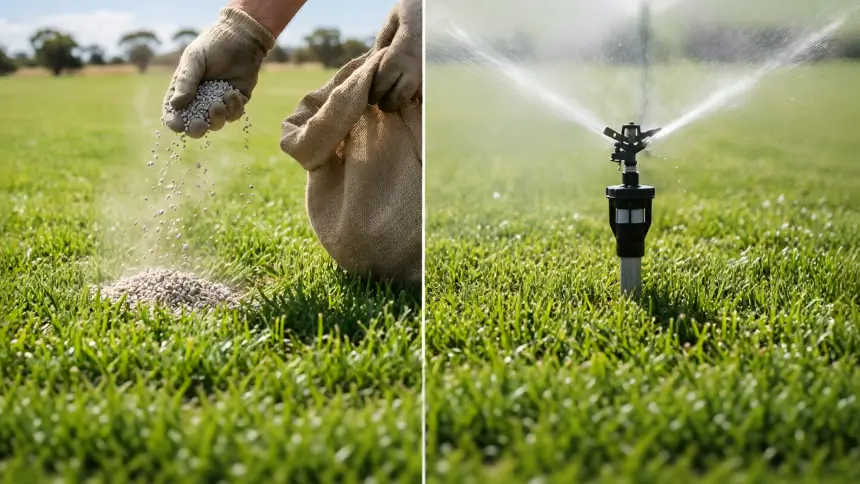
The major difference lies in the application of fertiliser. The traditional fertilisation includes manual spreading or broadcasting of granular fertilisers to the soil. While the fertigation is the automated process of injecting liquid fertilisers directly into the root zone.
Here is a quick comparison table of fertilising vs fertigation.
| Traditional Fertilising | Fertigation | |
|---|---|---|
| Nutrient Distribution | Uneven | Even |
| Water Usage | More | Less |
| Labour Cost | High (manual) | Low (automated) |
| Time Required | High | Low |
| Risk of Lawn Burn | High | Low |
For dry Australian soils, the liquid fertilisers are used to ensure nutrients reach the roots through water lines faster than broadcasting dry granules. Flushing the lines with water then prevents salt buildup.
The Advantages and Disadvantages of Fertigation
Fertigation is advantageous in that it requires less water compared to other methods of application. It reduces leaching or oversaturation and promotes even nutrient absorption through controlled feeding. Fertigation also improves growers’ resource management by reducing the amount of wasted fertiliser and labour required in manual mixing. This significantly reduces the risk of human error.
However, a fertigation system is efficient for large-scale setups or bigger lawns and not for home lawns due to many reasons.
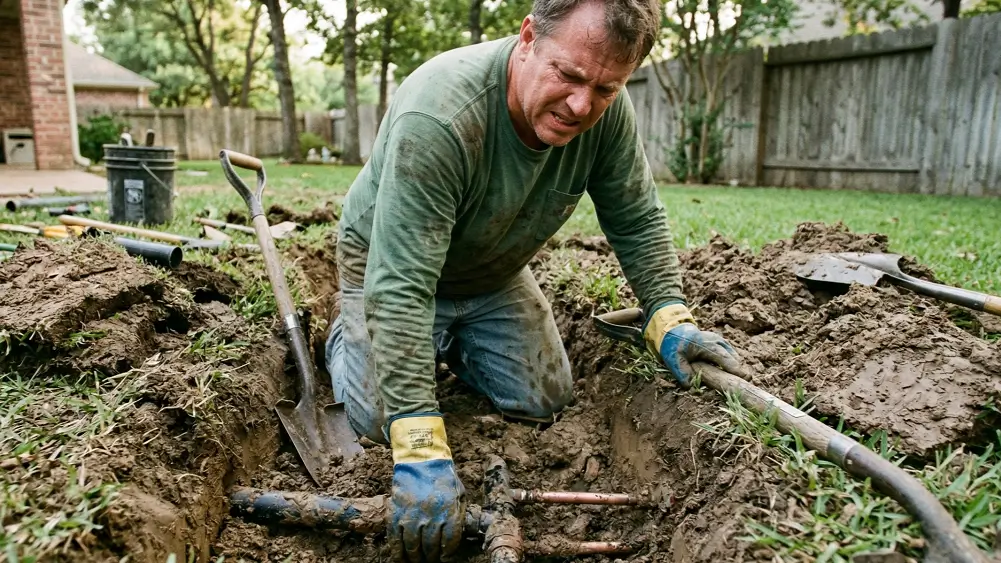
Firstly, home gardeners have to bear the expensive installation cost and seek technical support. Secondly, it requires high maintenance and daily inspection to prevent leakages or any inconsistent feeding. Since fertigation-fed fertilisers are chemicals, a backflow preventer must be installed, which is again an expensive piece.
Even though the return on investment is quick but digging up the yard, installing expensive hardware, and underground piping is a herculean task. As per New South Wales Department of Primary Industries (NSW DPI), traditional fertigation systems have potential risks, including nutrient leaching, blockages, water contamination, and corrosion, if managed poorly. Furthermore, you may need to hire a professional for line flushing and clog maintenance.
Here is the smart solution that may take away all your fertigation-related worries.
Modern Solutions: Simplifying Lawn Care with Smart Tech
Agricultural experts rightly warned us of the potential risks of an unmonitored fertigation system. Plus, the high investment cost of the underground irrigation system and the need for strict calibration and maintenance add to the load.
The modern smart-yard technology has simplified lawn care by offering above-ground solutions. These smart products with all-in-one integration eliminate the need for complex and expensive underground systems. For example, a 4-in-1 smart irrigation system like that of Aiper IrriSense 2 integrates the controller, sprinkler, nutrient dispenser, and solenoid valve all in one device.
Upgrading to the smart watering system not only monitors the water amount but also conserves it by forecasting the weather. Aiper IrriSense 2 can save up to 40% water without compromising the quality of your lawn. This prevents waterlogging and ensures soil health. For Australian homeowners with water restrictions, the water conservation technology will be a massive benefit. They can track their water savings via the app.
What’s more, the product utilises precise map irrigation and a TUV-certified pressure stabilisation with EvenRain™ technology. It means the system delivers feed and water on demand and operates smoothly even during fluctuating water pressure.
Crucial Precautions for Successful Application
These insights will help Australian homeowners in the successful application of fertigation with effective results.
- Use fully water-soluble fertilisers to avoid clogging in the irrigation system caused by low-soluble fertilisers, debris or mineral buildup.
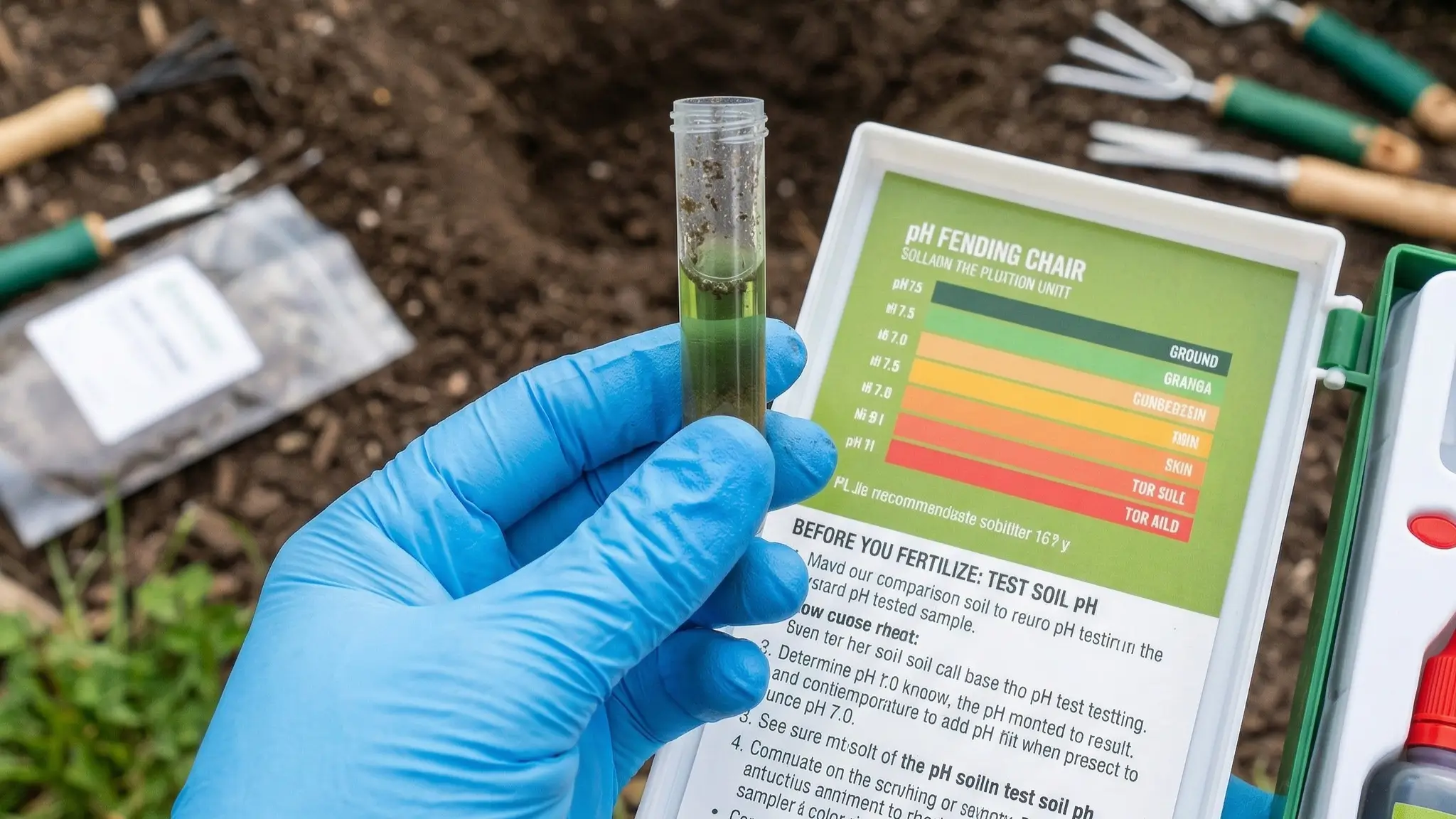
- Prior soil testing is a critical step to know the right nutrient composition of your lawn and what type of fertiliser to use. If the soil is too acidic or alkaline, the plants may not be able to absorb the nutrients effectively.
- Be fully aware of the risk of chemical fertilisers used in high concentrations, as they can burn the grass. Therefore, start with a lower amount and follow the label instructions properly.
- Use corrosion-resistant materials in fertiliser tanks and other equipment that come into contact with fertiliser.
- Lastly, the local Australian water authority and council regulations recommend using a backflow preventer, especially for a DIY underground system to protect the mains water supply.
The Bottom Line
Fertigation is the precise method to feed and water home lawns simultaneously. It ensures the nutrients are evenly and safely distributed over the land surface. However, a DIY underground irrigation system can be complex and expensive. For best water conservation and smart map irrigation, Australian homeowners can opt for a modern yet cost-effective 4-in-1 device. Still unsure? Seek professional advice before deciding what’s right for your lawn size and budget.
Frequently Asked Questions on Lawn Fertigation
What is fertigation system maintenance like?
There is an increased level of maintenance, including line flushing and injector cleaning in traditional fertigation systems. Routine cleaning ensures the tanks are free from contaminants. Modern above-ground smart systems, however, require minimal maintenance.
Can I use regular fertiliser in an irrigation system?
No, you must use specifically liquid or highly water-soluble fertilisers for dry Australian soils. Regular solid fertilisers or low-soluble fertilisers can clog the line.
Is chemigation the same thing?
Chemigation is, although a similar process to fertigation but a broader term. It involves the application of any chemical, such as pesticides, fungicides or herbicides, through the same irrigation system. Whereas fertigation is specifically for fertilisers.