
Opening Your Pool for Summer: Essential European Guide

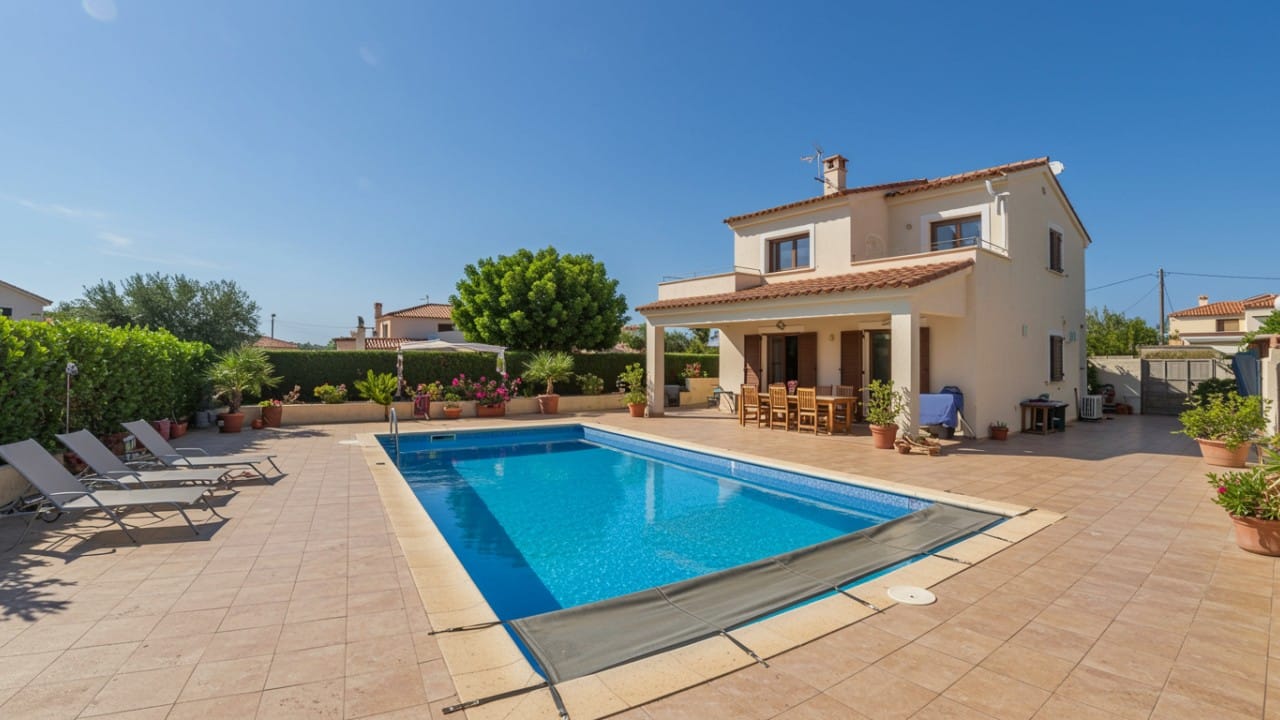
Let's be honest: strictly speaking, summer hasn't started until the pool cover comes off. As days get longer across Europe, that anticipation builds. You are picturing garden parties, lazy afternoons, and the sound of splashing water.
But then reality hits. You peel back the winter cover, and instead of a sparkling oasis, you are greeted by a disheartening soup of cold water and a floor coated in green-brown sediment.
Don't panic. We have all been there.
Opening your pool doesn't have to be a weekend-killing chore. It just needs a smart workflow. Forget the back-breaking scrubbing of the past; this season is about working smarter, not harder. Here is how to take your pool from "swamp" to "swim-ready" using a blend of basic chemistry and modern tech.
Step 1: Wrestling the Winter Cover
Before you even look at the water clarity, you have to deal with the cover. After a typically damp European winter, it is likely to hold a heavy puddle of stagnant rainwater and decaying leaves.
The Strategy:
- Pump it off: If there is standing water on top, use a cover pump. Do not try to lift it while it is wet—that is a recipe for dumping dirty sludge straight into your relatively clean pool water.
- The "Taco" Method: When removing the cover, fold it in on itself (like a taco) to trap any remaining debris inside.
- Scrub and Dry: This part is boring but essential. Lay the cover flat, scrub it with a mild detergent, and let it dry completely. Storing a damp cover is practically inviting mould to move in.
Quick Check: While the water level is exposed, take a walk around the perimeter. Did the frost cause any tile cracks or liner tears? Best to spot them now before you top up the water.
Step 2: The Deep Clean (Without the Backache)
This is usually the part where enthusiasm dies. Over the winter, fine dust, algae spores, and atmospheric pollutants have settled on the bottom, creating a layer of what we professionally call "sludge."
The Old School Way vs. The Smart Way
In the past, you would spend hours with a manual vacuum pole, fighting to suck up that sludge while dumping thousands of litres of water out through the "Waste" setting. Given how precious water is becoming across the continent, that feels wasteful and outdated.
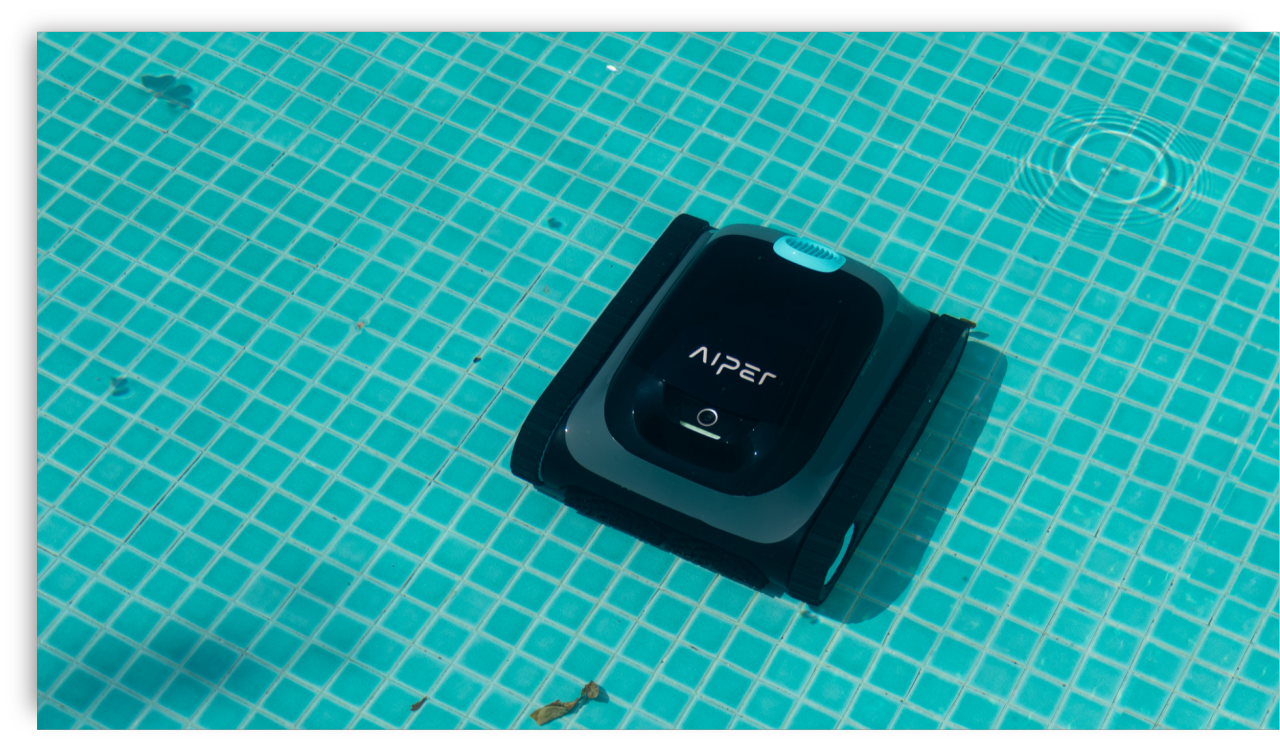
Enter the Aiper Scuba Series
This is where 21st-century tech steps in. Instead of standing by the poolside sweating, you deploy a robotic cleaner built for the job. The Aiper Scuba series (like the Scuba S1) uses caterpillar treads, which are brilliant for gripping slippery, algae-coated floors that wheeled robots often struggle with.
Why it’s a game-changer for opening day:
- It traps the mess: The fine filtration baskets capture silt that would otherwise clog up your main sand filter.
- It saves water: It cleans internally, meaning no water is pumped out of the pool.
- It frees you up: While the Scuba is navigating the floor, you can focus on the chemistry.
| Feature | Manual Vacuuming (To Waste) | Aiper Scuba Series |
|---|---|---|
| Water Impact | High waste (drains the pool) | Zero waste (recirculates) |
| Physical Effort | High (hope you skipped gym day) | Minimal (press a button) |
| Filtration | Bypasses the filter completely | 180-micron precision filtration |
| Vibe | Stressful and messy | Set it and forget it |
Step 3: Nailing the Chemistry
Is physical dirt gone? Good. Now you need to tackle the invisible stuff. Water hardness varies wildly across Europe—from the soft water of some alpine regions to the hard water found in limestone areas—so "guessing" your chemical dose isn't an option.
1. Top It Up
Bring your water level back up to the middle of the skimmer. Your pump needs this level to circulate properly without sucking air.
2. Test, Don't Guess
Grab a liquid test kit or a digital photometer. We are aiming for standards consistent with European Standard EN 16713, which governs domestic pools.
- Total Alkalinity (TA): Tackle this first. It acts as a buffer for your pH. If this is off, your pH will swing wildly. Aim for 80–120 ppm.
- pH Levels: The sweet spot is 7.0 to 7.6.
- Too low? Your water is acidic and will eat away at your heater and grout.
- Too high? Your chlorine won't work, and the water will cloud up.
- Calcium Hardness: Keep this between 200–400 ppm to protect your pool finish.
Pro Tip: Don't shock the pool until your pH is balanced. If your pH is sitting high (above 7.8), that expensive shock treatment you pour in will lose most of its algae-killing power.
3. The Shock Treatment
Your pool has been sleeping, and bacteria have been partying. You need to "shock" the water with a high dose of chlorine (or non-chlorine oxidiser) to oxidise the organic waste. Do this at dusk—sunlight burns off chlorine, so let it work its magic overnight.
Step 4: Wake Up the System
With the chemicals added, it is time to get things moving. Run your filtration pump continuously for 24 to 48 hours.
Keep an eye on the pressure gauge. As the filter catches the dead algae and fine particles suspended in the water, the pressure will rise. When it hits about 0.7 bar (10 PSI) above normal, give it a good backwash.
Once the water turns from cloudy to crystalline, drop your Aiper robot back in for a final "polish" run to scrub the waterline and floor one last time.
Common Rookie Mistakes
Even seasoned pool owners trip up occasionally. Watch out for these:
- Starting Too Early: A sunny Saturday in March is tempting, but if night-time temps are still dropping below freezing, you risk freeze-damage to your pump. Patience is key.
- Ignoring the Filter: A robot is amazing for the floor, but your main filter handles the cloudy water. If your sand is old and calcified, no amount of chemicals will clear the water.
- Throwing Granules in the Skimmer: Never do this. High concentrations of acid or chlorine passing directly into your heater can strip the copper heat exchanger. Always pre-dissolve or scatter around the pool.
FAQ: The Quick Answers
Q: My water is actually green. Can the robot handle it?
A: If it's a thick swamp, shock it first to kill the algae. Once the dead algae settles to the floor (turning grey/white), that is when the Aiper Scuba shines. It will vacuum up the dust that is too fine for a net.
Q: How long until I can swim?
A: Wait until your chlorine levels drop back to the safe zone (1–3 ppm) and the water is clear. This usually takes about 24–48 hours after shocking.
Q: Can I leave the robot in the pool all winter?
A: Definitely not. Extreme cold can damage the battery and seals. Store it indoors during the freezing months.
Conclusion
Getting your pool summer-ready doesn't need to be a trial. By handling the cover carefully, letting the cordless pool cleaner do the heavy lifting on the sludge, and following European water standards, you are setting yourself up for a hassle-free season.
The sun is coming out. Make sure your pool is ready to meet it.