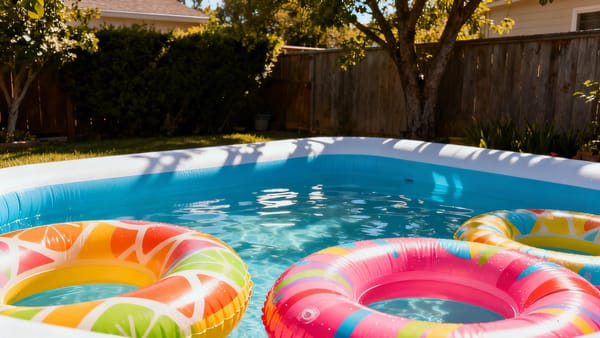
Aiper US: Pool Tips Chlorine for Inflatable Pools Without a Pump: The "No-Filter" Chemical Guide When you set up an inflatable pool, you are essentially creating a large, stagnant body of water. Unlike in-ground pools, which have powerful pumps to circulate chemicals and filter out bacteria, an inflatable pool relies entirely on you to keep the water safe. Many parents worry about adding chlorine to
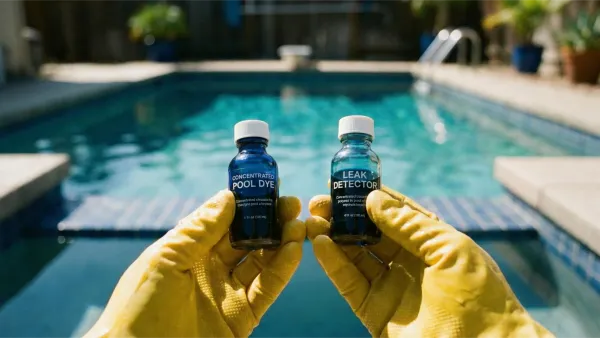
Aiper US: Pool Tips How to Find a Pool Leak with Dye: A Step-by-Step Guide Suspecting you have a pool leak is stressful. You're watching the water level drop day after day, worrying about high water bills and the potential for a complicated, expensive repair. You know there's a problem, but you can't see the source. A simple dye
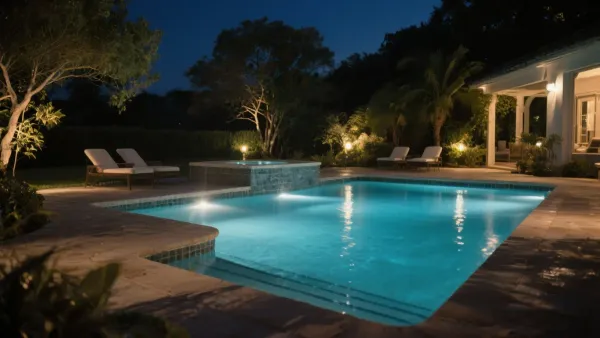
Aiper US: Pool Tips How to Change a Pool Light Without Draining the Water (A Step-by-Step Guide) A burnt-out pool light is frustrating. Your beautiful backyard pool suddenly looks dark and uninviting at night. But your frustration likely turned to dread at the thought of fixing it. The idea of mixing electricity and water sounds dangerous, and the alternative — draining the entire pool for one light bulb—
Aiper US: Pool Tips How to Use Pool Flocculant to Clear a Cloudy Pool (Fast) It’s incredibly frustrating. You’re ready to swim, but your pool water is a cloudy, murky mess that just won’t clear up. When your filter seems overwhelmed and a clarifier isn’t cutting it, you might hear about a "miracle" solution: pool flocculant. Flocculant is one
Aiper US: Pool Tips What is Pool Biofilm and How to Get Rid of It Have you ever felt a slimy, slippery coating on your pool walls or tiles, even immediately after running your pump or adding chemicals? That frustrating feeling isn't just regular dirt or grime; it's a highly organized, microscopic fortress known as biofilm. Biofilm is the number one
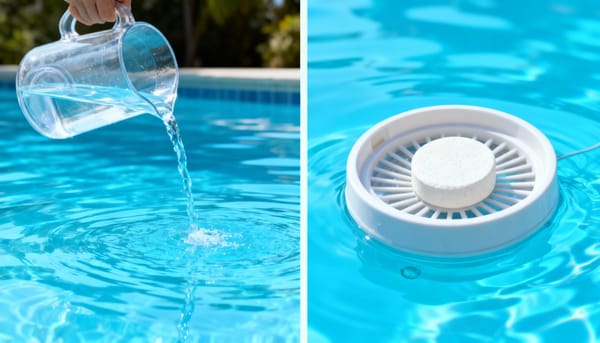
Aiper US: Pool Tips Liquid Chlorine vs. Tablets: Which Is the Smart Choice for Your Pool? Keeping your pool water sparkling clean is the top priority for any pool owner, but navigating the pool chemical aisle can feel overwhelming. The biggest debate often comes down to the core of your sanitation strategy: liquid chlorine vs. tablets. Are you torn between the big jugs of liquid and
Aiper US: Pool Tips How Much Borax Should You Add to Your Pool? Trying to keep your pool water perfectly balanced can feel like a losing battle. You fix one thing, and something else goes haywire. If you're tired of fighting with your pH levels or seeing the first signs of algae, the answer might already be in your laundry room.
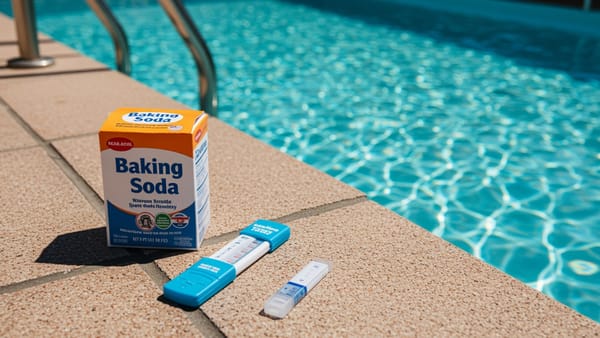
Aiper US: Pool Tips How to Raise Alkalinity with Baking Soda (And What to Use for pH) You've probably heard the tip: "Just add baking soda to your pool!" It sounds like a simple fix, but what does it actually do for your pool's pH? And are you using it correctly? The truth is, many pool owners get this common advice
Aiper US: Pool Tips How to Lower Phosphates in Your Pool: A Complete Guide to Clearer Water It's one of the most frustrating feelings for a pool owner: you do everything right—balance the water, run the filter, add sanitizer—but you’re still fighting off stubborn algae and cloudy water. If this sounds familiar, you might be dealing with a hidden culprit: high phosphate
Aiper US: Pool Tips How to Soften Pool Water: The 3 Best Methods Is your once-sparkling pool now looking a bit cloudy? Do the walls and floor feel rough to the touch? You're likely dealing with one of the most common issues for pool owners: hard water. While frustrating, it’s a problem you can absolutely solve. This guide will provide
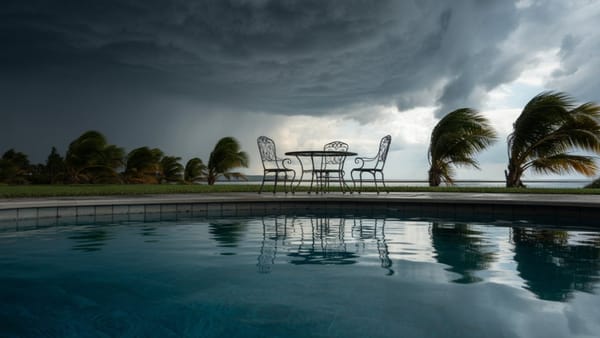
Aiper US: Pool Tips How to Protect Your Pool During Hurricane Season: The Draining Myth Explained Your pool could actually pop out of the ground if you drain it before a storm. Sounds crazy, right? According to the study of Tropical Cyclone Climatology by the National Hurricane Center and the Central Pacific Hurricane Center, the Atlantic hurricane season runs from June 1 through November 30. However,
Aiper US: Pool Tips Why Your Pool Loses Chlorine in Sunlight: Simple Solutions Here's a surprising fact—sunlight breaks down 90% of your pool's chlorine in just two hours. Everyone loves relaxing by their backyard pools in the sun. Those powerful UV rays quietly work against your water chemistry, though. Your pool needs chlorine levels between 1 ppm and