
Can You Spray Weed Killer on Wet Grass? A Complete Lawn Care Guide
Never spray weed killer on wet grass. Moisture dilutes the herbicide and causes chemical runoff. Wait for a dry, clear 24-hour window, or focus on long-term prevention by improving soil health and using smart irrigation.

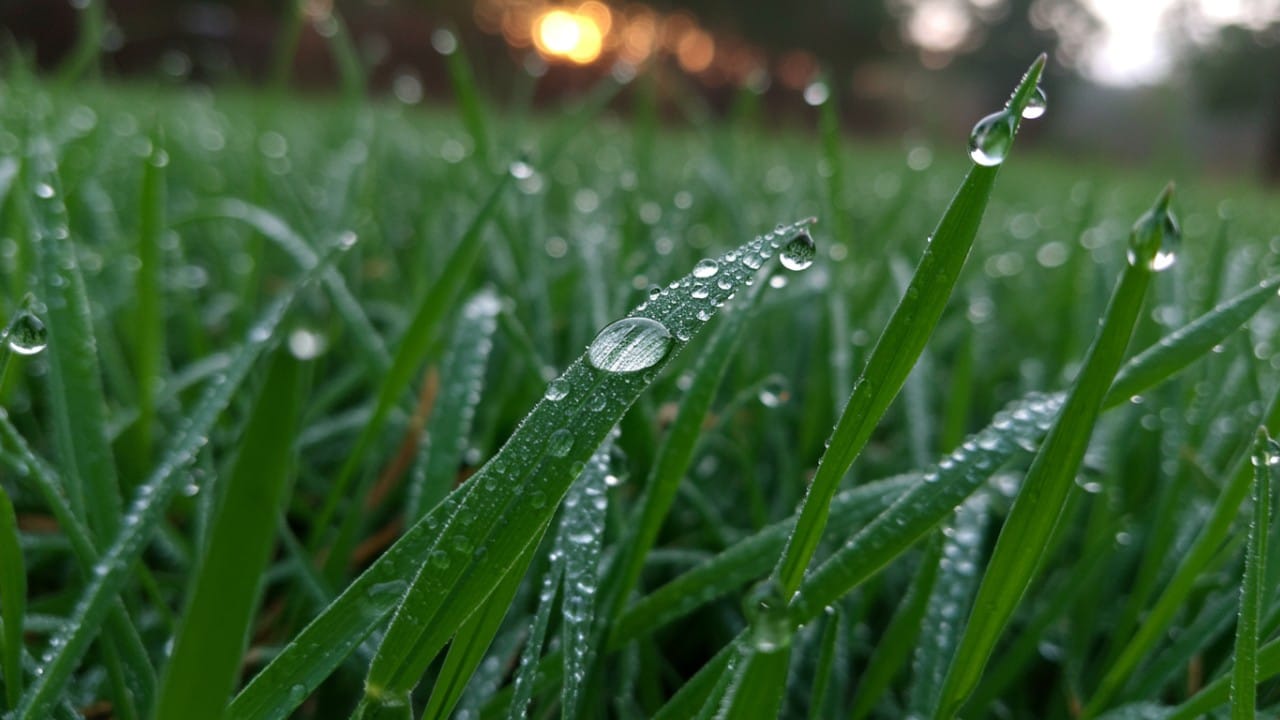
You finally set aside time to tackle the weeds. Then you step outside, and the lawn is soaked with morning dew. Or worse, it rained overnight. It is a common frustration.
So, can you spray weed killer on wet grass? The short answer is no. It is best to wait until the grass is fully dry.
In this guide, we will break down why moisture matters, how herbicides actually work, what to know about rain in the forecast, and how building healthier soil can reduce weeds in the first place.
Why Applying Weed Killer After Rain is a Bad Idea
Most liquid weed killers are systemic. That means they are absorbed through the leaves and then travel down into the roots. The goal is not just to burn the surface. It is to kill the entire plant.
For that to happen, the leaf surface needs to be dry.
When you are applying weed killer after rain, water droplets are already sitting on the leaves. The herbicide mixes with that water and becomes diluted. Instead of sticking and absorbing properly, it slides off.
This dilution effect is one of the biggest reasons treatments fail.
It is not always obvious right away. Sometimes the weeds look slightly wilted for a few days, which makes you think the treatment worked. Then, a week later, they are standing tall again. That usually means the herbicide never fully reached the root system. Surface damage is not enough. For long-term control, absorption has to happen at the leaf level first.
When leaves are dry, herbicides cling to the waxy surface and begin absorbing almost immediately. On a wet surface, the spray beads up and runs off before it has time to penetrate. That can lead to uneven results, where some weeds die while others recover and continue spreading.
There is also the issue of runoff. When you spray onto wet plants, the chemical is more likely to drip off the blades and onto the soil. From there, it can move beyond the target area.
According to the EPA, excessive rain or irrigation water can wash pesticides off plants and into the soil, increasing the risk of runoff and environmental contamination.
If you are wondering again, can you spray weed killer on wet grass and just use a bit more product? The answer is still no. More product does not fix poor absorption. It often leads to waste and unnecessary environmental risk.
Waiting for dry conditions gives the herbicide a better chance to do its job.
Can You Spray Weed Killer Before It Rains?
Now let’s flip the situation.
You see rain in the forecast for tomorrow afternoon. It is sunny right now. You are tempted to spray quickly and hope for the best. So, can you spray weed killer before it rains? It all depends on Rainfast.
Rainfast refers to the amount of time a product needs to dry and absorb into the leaf so that rainfall will not wash it away. Different products have different rainfast times.
Some formulas may need only 30 minutes. Others may require several hours.
If you apply weed killer before rain and the storm arrives too soon, most of the product can wash off before it is absorbed. That means poor results and possibly reapplication.
As a general rule, always check the product label and the forecast. Ideally, you want a clear 24 to 48-hour window with no rain expected. Even if the label says it is rainfast in one hour, extra drying time improves performance.
Planning around the weather is one of the simplest ways to avoid wasting time and money.
Wind also matters more than many homeowners realize. Even a light breeze can carry spray droplets onto nearby plants, flower beds, or vegetable gardens. Spraying on a calm, dry day gives you more control and reduces the risk of damaging plants you actually want to keep.
Weather Conditions & Weed Control: A Quick Reference
Below is a quick guide to help you decide when to spray.
| Weather Condition | What You Should Do |
|---|---|
| Wet Grass from Dew or After Rain | Wait until the lawn is completely dry before spraying. |
| Rain Expected Soon | Check the product’s rainfast time or delay application. |
| Dry Grass and Clear Forecast | This is the optimal time to spray. |
Simple rule. Dry leaves mean better absorption.
Stop Fighting Weeds: Cultivate a Healthier Lawn Instead
If you have ever tried to time weed spraying between rain showers, you know how tiring it can be. Check the forecast. Wait for dry grass. Worry about the wind. Repeat.
There is a bigger picture here.
Weeds thrive in weak lawns. Thin grass, compacted soil, and uneven watering create open space where weeds move in.
Overwatering is one of the most overlooked causes of weed problems. Lawns that stay constantly damp create ideal conditions for opportunistic weeds to germinate. A dense lawn, on the other hand, naturally blocks sunlight from reaching weed seeds.
Instead of constantly asking, " Can you spray weed killer on wet grass, it may be worth shifting focus toward long-term lawn health.
Smart irrigation plays a big role.
The Aiper IrriSense is a 4-in-1 Smart Irrigation System designed to simplify lawn management. It integrates the controller, sprinklers, nutrient dispenser, and valves into one unit. That means no complicated underground installations and less equipment to manage.
It is also weather smart. With TÜV-certified pressure stabilization and EvenRain technology, the system delivers consistent watering even when water pressure fluctuates. This precision helps prevent overwatering.
Users can save up to 40 percent on water without sacrificing lawn quality. Through app control, you can pause watering anytime. If you do plan to spray weeds, you can easily keep the grass dry during that window.
Nutrient management is another piece of the puzzle.
The system is compatible with SoilPulse Microbial Organic Soil Amendment, available in North America. This microbial and organic formula improves soil fertility, loosens compacted ground, and enhances water retention.
Healthier soil supports thicker turf. Thick turf crowds out weeds.
SoilPulse also actively inhibits new weeds by strengthening the root zone. Because the IrriSense 2 dispenses treatments automatically and precisely, you avoid uneven application and the hassle of manual spreading.
When watering, nutrients, and timing are managed together, weed pressure naturally decreases. You are no longer constantly reacting to problems. You are preventing them.
Summary
Spraying herbicide on wet grass is usually ineffective and wasteful. Moisture dilutes the product and increases the risk of runoff. Wait until the lawn is dry and check the forecast before applying.
For long-term results, focus on smart irrigation and soil health. A thicker, healthier lawn is the most reliable defense against weeds.
FAQs
How long after rain can you spray Roundup?
Wait until the grass is completely dry to the touch. Depending on the sun and wind, this can take a few hours or up to a full day. Dry leaves allow better absorption and more effective results.
What does roundup rainfast mean?
Roundup Rainfast refers to the amount of time the product needs to dry on the leaf so it will not be washed away by rain. For many Roundup products, this is typically between 30 minutes and 3 hours. Always check the label for the exact timeframe.