
Clay Soil vs. Sandy Soil: A Complete Guide for Gardeners

It’s frustrating. You buy the same plants as your neighbor, they get the same amount of sun, yet theirs thrive while yours wilt. What gives?
Before you blame your "brown thumb," look down. The secret usually lies beneath your feet. The battle of clay soil vs sandy soil is often the deciding factor between a lush paradise and a barren patch of dirt.
Soil texture dictates everything: how much water hangs around, whether nutrients stick or wash away, and how hard roots have to fight to grow. Whether you’re dealing with sticky, heavy muck or loose, dry grit, knowing your specific types of soil is the only way to tailor your care routine. Let’s dig into the science—and the solutions—to fix your dirt for good.
Clay Soil vs. Sandy Soil: What's the Actual Difference?
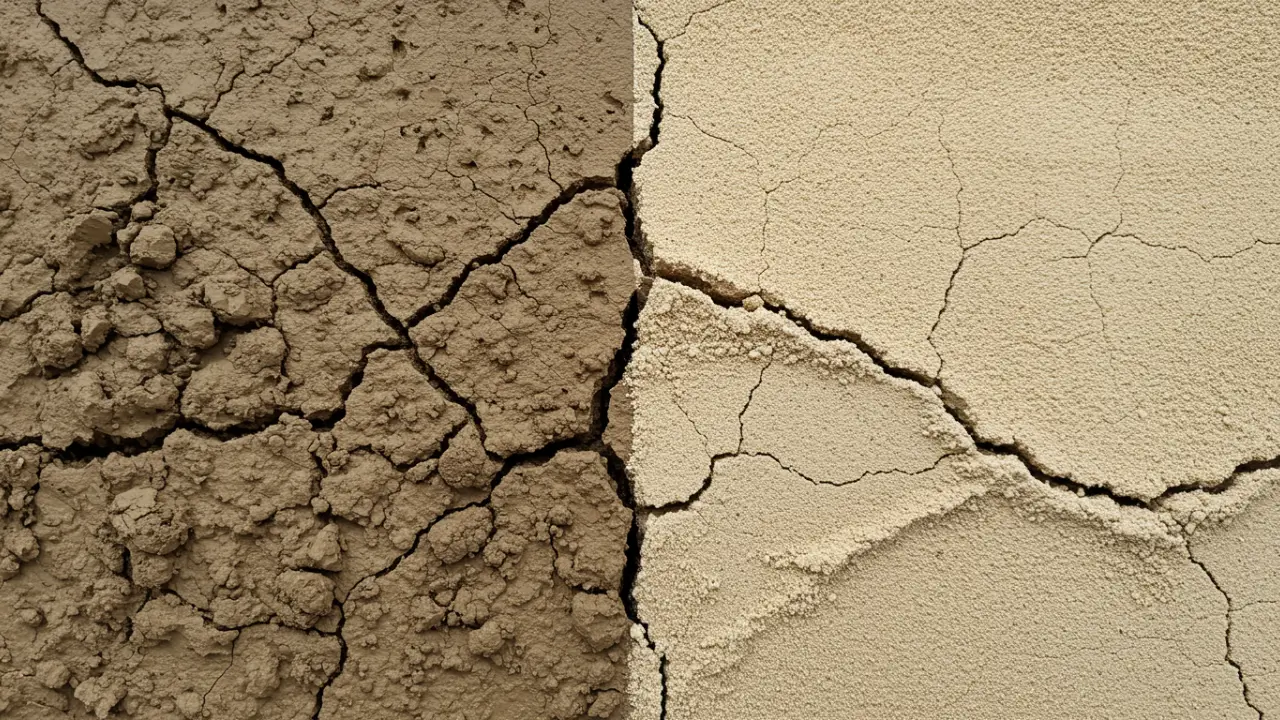
If you zoomed in with a microscope, the difference is just particle size. But for your plants, it’s the difference between living in a swamp and living in a desert.
According to the USDA Natural Resources Conservation Service (NRCS), here is the breakdown:
- Sand: The big chunks (relatively speaking). They feel gritty, don't hold together, and leave massive gaps for water to rush through.
- Clay: The tiny particles. They are microscopic plates that pack together tight, sealing out air and trapping water.
Comparison: The Gardener’s Cheat Sheet
| Feature | Clay Soil | Sandy Soil |
|---|---|---|
| Feel | Sticky when wet; rock-hard when dry. | Gritty; falls apart in your hand. |
| Water | High retention. Drains painfully slow. | Low retention. Water vanishes instantly. |
| Nutrients | Rich (holds minerals well). | Poor (nutrients wash away). |
| Spring Warmth | Slow to warm up. | Warms up fast. |
| Compaction | High risk. Don’t walk on it wet! | Low risk. |
How to Identify Your Soil Type (Without a Lab)
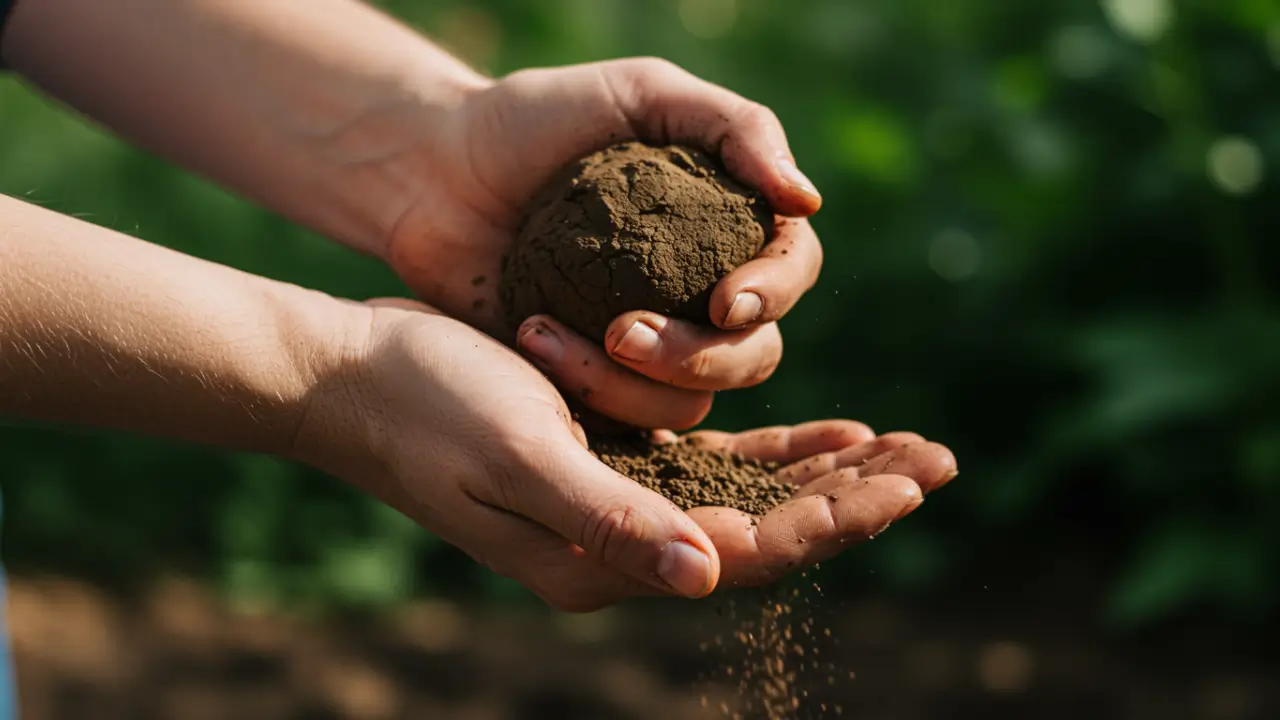
You don’t need to send samples to a lab to figure this out. The most reliable method is the "Squeeze Test."
Here is how to do it in 30 seconds:
- Grab a handful: Pick up some moist garden soil. If it's bone dry, add a few drops of water.
- Squeeze hard: Compress it in your palm.
- Check the results:
- Clay Soil: It forms a tight, sticky ball. If you push it between your thumb and finger, it makes a long ribbon (2 inches or more) without snapping.
- Sandy Soil: It crumbles immediately. You can't make a ball, let alone a ribbon.
- Loam (The Dream): It holds a shape but breaks apart easily when you poke it.
Water Management: The Hardest Part
Here is where most people fail in the clay soil vs sandy soil battle. Because drainage is so different, following the standard "1 inch of water a week" rule usually backfires.
- With Clay: Water pools on top. If you water too fast, it just runs off into the street before roots get a drink.
- With Sand: Water sinks like a stone. It shoots past the roots before they can grab it.
Stop Guessing
Manual watering is a headache because it relies on guesswork. You inevitably end up over-watering clay (rotting the roots) or under-watering sand (starving the plants).
This is where technology actually helps. Smart tools like the Aiper IrriSense 2 take the human error out of the equation. Instead of a dumb timer that just runs for 20 minutes no matter what, these systems let you input your specific landscape data.
Got heavy clay? The system can use a "cycle and soak" method—watering in short bursts to let it absorb without runoff. Dealing with sand? It triggers frequent, short sips to keep the root zone moist. It ensures your types of soil for plants get exactly what they need, without you standing there with a hose.
Best Plants for Each Soil Type
Sometimes, it's easier to pick the right plant than to fix the dirt. Here is what works:
Plants That Tolerate Clay
Clay is nutrient-dense, but roots can suffocate. You need plants with "muscle."
- Daylilies: Nearly indestructible roots that push through heavy earth.
- Black-Eyed Susans: They actually like the moisture retention.
- Aster: Thrives in the cool, damp environment clay offers.
- Trees: Birch and Maple are classic choices for heavier ground.
Plants That Love Sand
Sand drains fast. You need plants that like it dry or have deep roots to chase water.
- Lavender: Hates "wet feet." Sand is perfect for it.
- Carrots & Root Veggies: They grow straight because there is no resistance.
- Salvia: Loves the heat and dryness.
- Sedum: Built for low-water life.
How to Amend Clay and Sandy Soil
We all want clay loam soil—that "Goldilocks" mix that drains well but stays moist. The crazy part? The fix for both clay and sand is exactly the same: Organic Matter.
The University of Maryland Extension confirms this is the single best move you can make.
- Fixing Clay: Compost, shredded leaves, or aged manure force the tiny clay particles apart, creating breathing room for drainage.
- Fixing Sand: The organic matter acts like a sponge, filling the gaps to hold onto water and food.
Pro Tip: Don't rototill it in if you can help it. Just lay 2-3 inches of compost on top every season. Let the worms do the heavy lifting. They’ll mix it naturally, shifting your texture toward that ideal loam over time.
Conclusion
Whether you are fighting dense clay or shifting sand, it isn't a death sentence for your garden. The clay soil vs sandy soil debate isn't about which is "bad"—it's about how you handle it.
Identify your soil with the squeeze test, pick plants that don't hate you, and maybe let a smart tool like the Aiper IrriSense 2 handle the watering math. Great gardens aren't magic; they’re just managed well.
FAQ
Is clay soil better than sandy soil?
Neither is strictly "better." Clay has more food for plants but is a pain to work with. Sand is easy to dig but doesn't hold nutrients. The sweet spot is a mix of both.
Can I mix sand into clay soil to fix it?
No. Do not do this. Mixing sand into clay creates a substance basically like concrete. Stick to organic matter like compost to improve types of soil structure.
How often should I water sandy soil?
Because it drains so fast, sand needs water more often than clay. Check it daily, or better yet, get a smart controller to monitor the moisture for you.
What is clay loam soil?
Clay loam soil is the holy grail. It’s a roughly equal mix of sand, silt, and clay. Farmers love it because it holds nutrients tight (like clay) but drains well enough to prevent rot (like loam).