
How Do You Get Rid of Ants in the Lawn? Safe & Effective Tips
Learn how do you get rid of ants in the lawn using expert-backed natural methods and the best ways to kill ants for a healthy, pest-free yard.

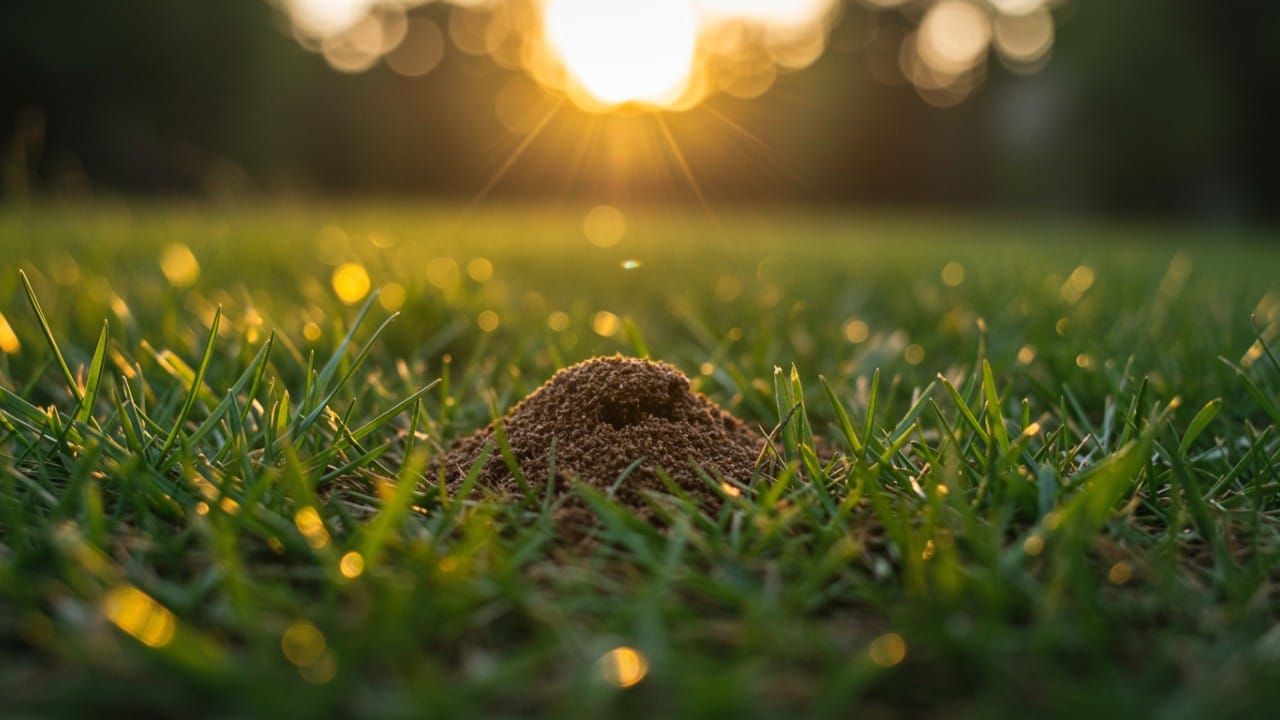
You’re finally ready to enjoy a weekend in the backyard, and then you step in it. Literally. A sprawling ant mound right in the middle of your turf. While ants do help aerate the soil, nobody wants them taking over, especially when they start drying out grass roots or threatening your kids and pets with nasty stings.
If you are trying to figure out how do you get rid of ants in the lawn without ruining your grass, you aren't alone. The problem is that killing the ants you see is rarely enough. You have to outsmart the colony and manage the environment they thrive in. Here is a breakdown of scientific solutions—from aggressive chemical treatments to eco-friendly barriers—backed by agricultural research.
Why Are There So Many Ants in My Yard?
Before you declare war, it helps to understand what you’re up against. Ants don't just wander onto your property by accident; they are usually hunting for food, moisture, or dry nesting ground.
The University of Kentucky Entomology Department points out a common rookie mistake: spraying the visible ants and calling it a day. Surface ants are just the foragers, the tip of the iceberg. The reproductive queen is likely sitting deep underground, laying thousands of eggs. If you don't target the heart of the colony, they will just bounce back.
How to Repel Ants Outside: Natural Methods
If you have dogs running around or a vegetable garden nearby, you probably don't want to start with the "nuclear option." For minor infestations, these lower-impact suppression tactics can actually work pretty well.
Method 1. The Boiling Water Technique
It’s the oldest trick in the book because it works—mostly. Dumping 2-3 gallons of boiling water directly onto a mound can penetrate the nest structure.
- The Upside: Instant, zero chemicals, and completely free.
- The Downside: It’s going to kill the grass right around the mound, and if the queen is deep enough, she might survive.
Method 2. Diatomaceous Earth (DE)
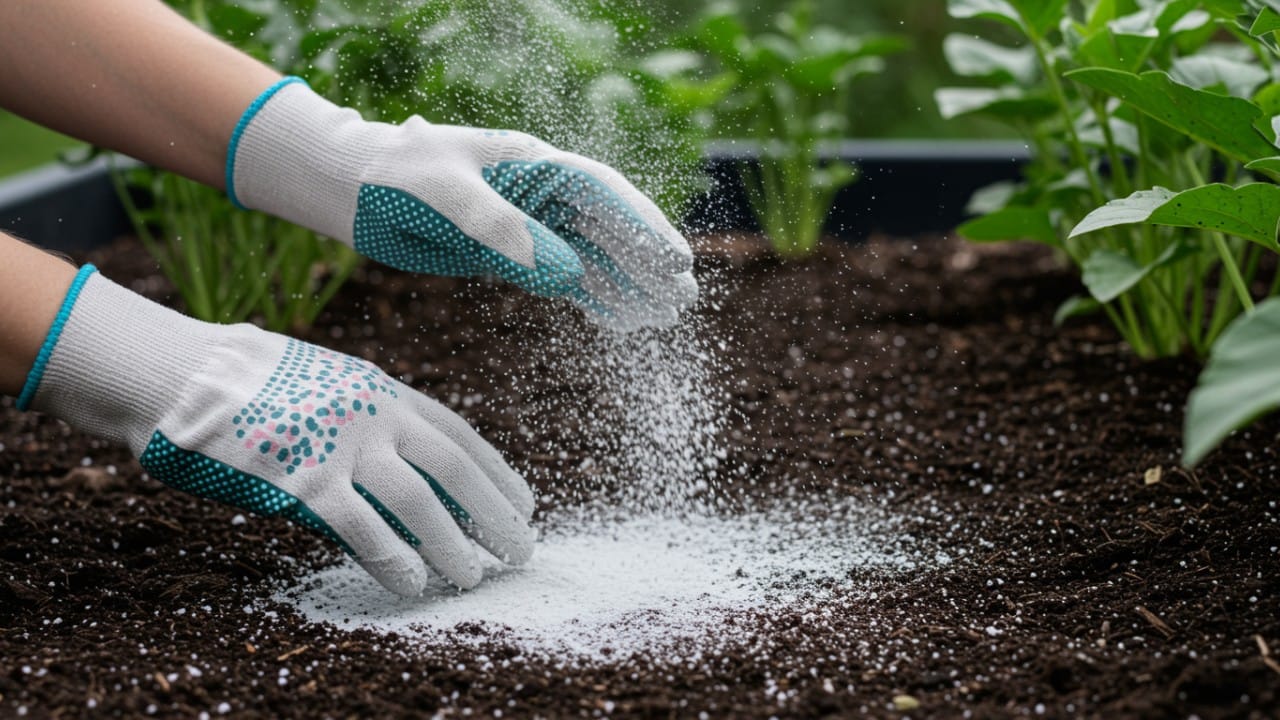
Think of food-grade Diatomaceous Earth as microscopic broken glass. It’s a powder made from fossilized algae that slices up the exoskeleton of insects, causing them to dehydrate.
- How to use it: Dust it around the perimeter of ant hills or directly along their highways.
- Heads up: Rain and sprinklers will wash it away, so you’ll need to reapply it often.
Method 3. Soap and Water Solution
A simple mix of dish soap and water sprayed on trails messes with the pheromones ants use to navigate. This is a solid method for how to repel ants outside without harsh toxins—it essentially confuses the colony, forcing them to pack up and move elsewhere.
The Best Way to Kill Ants: Chemical Solutions
Sometimes, natural remedies just don't cut it. If you are dealing with aggressive Fire Ants or a massive takeover, you need a stronger vector of attack.
Broadcast Granular Baits (The Expert Pick)
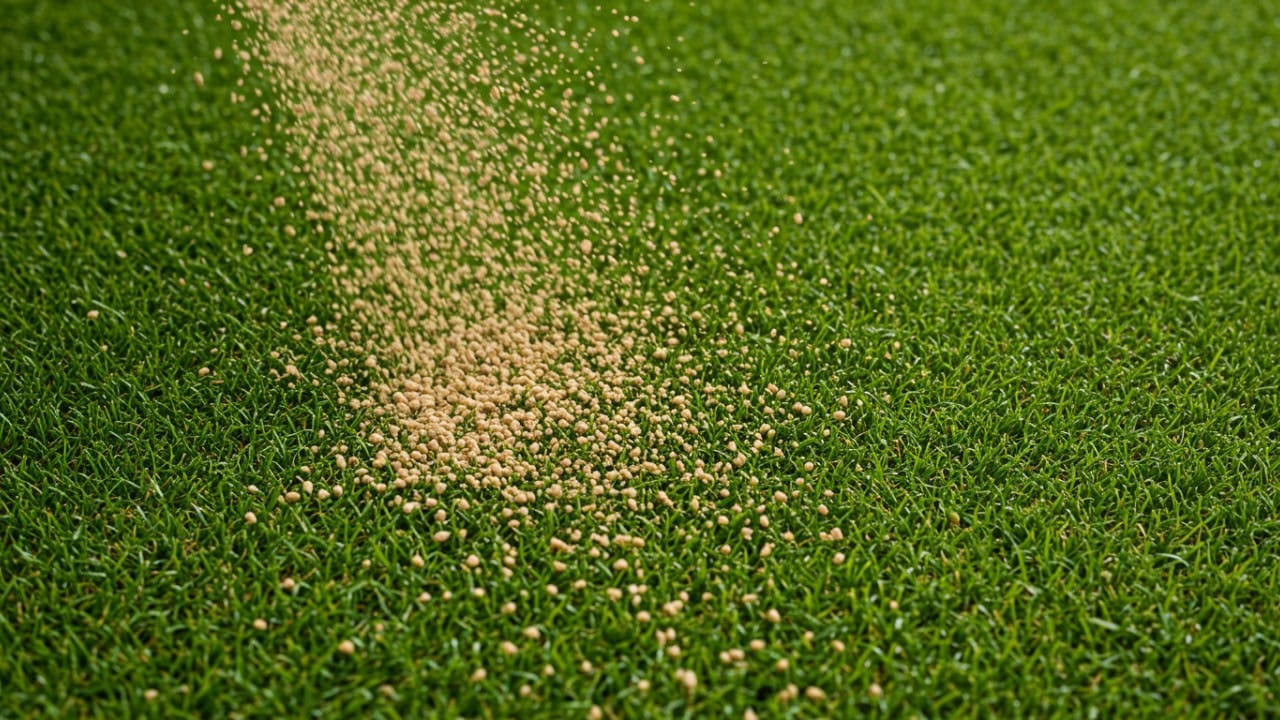
Most pros agree this is the best way to kill ants for long-term control. Instead of killing on contact, these granules are food disguised as poison. Workers carry the bait back home and feed it to the larvae and the queen.
Expert Insight: University of Kentucky landscape guidelines emphasize that baiting beats spraying because it uses the ants' own biology against them. It’s a slow burn—taking days or weeks—but the colony collapse is total.
Liquid Insecticides
Liquid concentrates (often with bifenthrin) work fast. They are great for creating a perimeter shield around your house foundation to stop ants in lawn areas from getting inside. Just keep in mind they are generally less effective at killing deep-burrowing queens compared to baits.
Comparison: Natural vs. Chemical Approaches
Not sure which route to take? Here is the trade-off.
| Feature | Boiling Water / Soap | Diatomaceous Earth | Granular Baits |
|---|---|---|---|
| Action Speed | Instant | Slow (Days) | Slow (Weeks) |
| Colony Kill Rate | Low (Surface only) | Medium | High (Kills Queen) |
| Pet Safety | High | High (Food Grade) | Moderate (Check Label) |
| Best Use Case | One-off mounds | Perimeter defense | Heavy infestation |
Long-Term Prevention: Soil and Moisture Management
Treating the symptoms is one thing; stopping them from coming back is another. A dense, healthy lawn is actually your best defense.
Ants—especially the nuisance kind—tend to build stable mounds in dry, sandy soil. On the flip side, waterlogged soil attracts pests looking for moisture. The trick is hitting that sweet spot with precision irrigation.
Keeping soil moisture balanced strengthens grass roots, making it physically harder for ants to establish massive networks. This is where tech like the Aiper IrriSense 2 comes in handy. It’s not just about watering; it gives you high-precision monitoring of what's happening underground.
By using the IrriSense 2 to track hydration data, you can keep soil moist enough to deter dry-soil nesters without overwatering and inviting fungus. It’s a data-driven approach that creates an environment where grass thrives, but pests struggle to settle in.
FAQ regarding Lawn Ants
How do you get rid of ant hills without killing grass?
The safest bet for your turf is baiting. Pouring boiling water or strong liquid chemicals will almost certainly scorch the grass. Granular baits are usually placed around the mound, not directly on the delicate blades, protecting your lawn's look.
How can I get rid of ants in my lawn if I have dogs?
Stick to food-grade Diatomaceous Earth or specific pet-safe baits (often based on borax or spinosad). And a general rule of thumb: keep pets inside until any liquid treatment has completely dried.
What is the best time to treat ants?
Aim for early morning or late evening. That’s when ants are most active foraging for food. If you treat during the heat of the day, they are likely hunkered down deep underground, and your efforts won't reach them.
Summary
Figuring out how do you get rid of ants in the lawn is really a mix of patience and strategy. Start with a good inspection, pick the method that matches your severity level, and use smart lawn care to make your yard inhospitable to future invaders.
- Identify: Is it a nuisance ant or a dangerous fire ant?
- Treat: Use baits for the colony (the "Trojan Horse" method) and spot treatments for immediate relief.
- Prevent: Maintain healthy soil moisture using tools like the Aiper IrriSense 2 to build a natural defense.