
How Long After Laying Sod Can I Water It? A Complete Guide

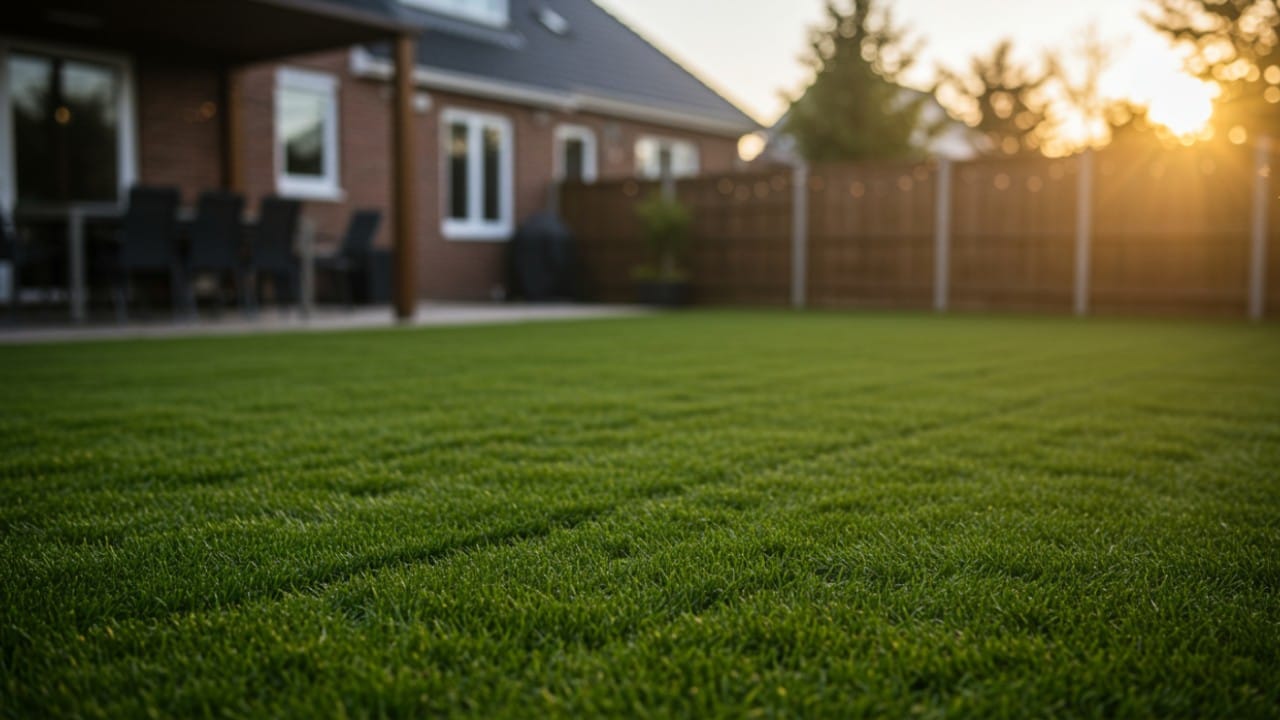
Laying sod is a serious investment. Between the cost of materials, delivery, and labor, plus the physical effort of installation, there is very little room for mistakes. One wrong step can turn fresh, green turf into a patchy, dying lawn. That is why a common question among homeowners is, "How long after laying sod can I water it?"
The answer is both simple and urgent.
You must water new sod immediately, ideally within 30 minutes of installation.
This timing is critical because sod dries out fast once it touches the ground. While watering new sod sounds straightforward, doing it manually is exhausting and easy to get wrong. Missed sessions, uneven coverage, or overwatering can all undo your hard work. Precision matters, and this is where smart irrigation technology makes a real difference.
When to Start Watering: The First 30 Minutes
The moment sod is laid, the clock starts ticking. Fresh sod has almost no established root system. It is essentially grass cut off from its original soil, laid on a new surface, and left in a fragile state of shock. Without immediate water, it begins losing moisture faster than it can replace it.
According to experts at the University of Florida IFAS Extension, sod can begin to experience “transpiration shock” if it is not watered right away. This means moisture escapes through the grass blades before roots have any chance to anchor into the soil. Once that happens, the grass can dry out beyond recovery, even if you water later (University of Florida IFAS, 2016).
The best practice is to water in sections. Do not wait until the entire yard is finished. As soon as one area is laid, water it thoroughly before moving on. This approach protects each section during installation and reduces the risk of uneven drying. In sod care, speed and consistency in the first half hour are non-negotiable.
The Ultimate 14-Day New Sod Watering Schedule
The goal of watering new sod is to keep the soil underneath consistently moist, never bone dry and never swampy. This balance is difficult for most people to maintain by hand, which is why the sod care schedule often breaks down in real life.
Day 1 (Installation Day): Deep Saturation
Day one is all about deep watering. Water must penetrate at least 3 to 4 inches into the soil below the sod. This ensures the entire root zone is damp and ready for root contact.
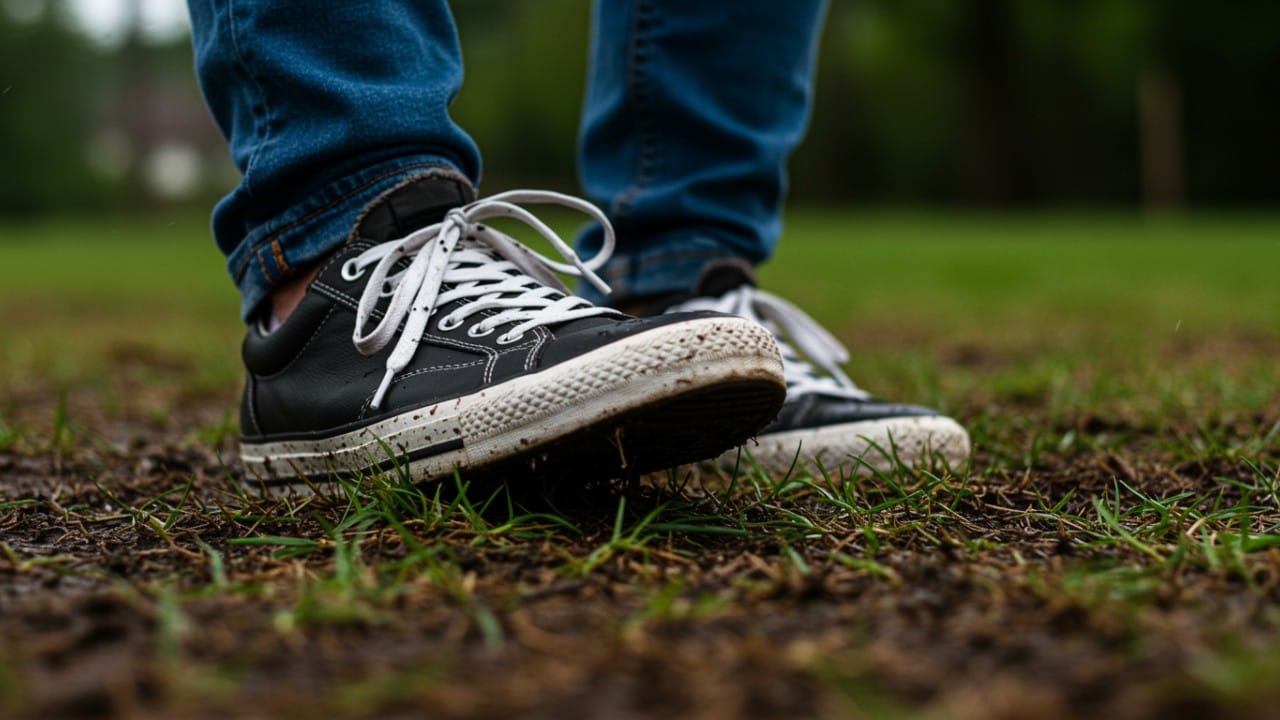
A simple way to check is the “squish test.” Step gently on the sod. If water rises around your shoe, the soil is too wet. If it feels like a damp sponge, soft but not sloppy, you have it right. Deep saturation sets the foundation for successful root establishment.
Week 1 (Root Establishment): Frequent & Short
The first week is the hardest. Roots are shallow and vulnerable, so the surface layer must stay moist at all times. This usually requires watering two to three times per day for short periods, around 10 to 15 minutes each session.
The University of California Integrated Pest Management program explains that the goal during week one is to keep the top 1 inch of soil constantly moist. One long watering session is less effective than multiple short ones because it increases runoff and dries out between cycles (UC IPM, n.d.). This phase demands discipline and precision, which is why many lawns fail during the first seven days.
Week 2 (Transition): Deeper & Less Frequent
By week two, roots begin reaching downward. This is your cue to shift strategy. Reduce watering to once per day, but increase depth slightly. Deeper watering encourages roots to grow down in search of moisture, creating a stronger, more drought-resistant lawn over time.
This transition phase is where many homeowners either keep watering too often or stop too soon. Both can weaken root development, making timing just as important as volume.
Troubleshooting: Overwatering vs. Underwatering New Sod
| Timeline | Frequency | Goal | Pro Tip |
|---|---|---|---|
| Day 1 | Immediate, deep | Saturate the soil 3–4 inches deep | Use the squish test to avoid soggy soil |
| Week 1 | 2–3 times daily | Keep the top layer moist | Short cycles prevent runoff |
| Week 2 | Once daily | Encourage root growth | Water deeper, not longer |
New sod problems usually fall into two categories: too little water or too much. Knowing the signs can save your lawn.
Underwatered sod often shows curling leaf blades, visible gaps forming between sod rolls as they shrink, and a blue-grey tint to the grass. These are signs that the turf is losing moisture faster than it can absorb it.
Overwatering is just as damaging. Constantly soggy soil deprives roots of oxygen and can lead to root rot. You may notice the lawn feels spongy long after watering, or the grass blades turn yellow instead of green. Yellowing sod is often mistaken for dryness when it is actually drowning.
Finding the right balance manually is difficult, especially with changing weather conditions. Soil moisture can look fine on the surface while being saturated underneath. This is where technology becomes more reliable than guesswork.
How Smart Irrigation Automates Sod Care
Manual sprinklers are simple, but they are also “dumb.” They water whether it rains or not, miss spots, and rely entirely on memory. New sod is too expensive to risk on a forgotten timer or uneven coverage.
This is where Aiper IrriSense 2 fits naturally into the sod care schedule. Instead of acting like an advertisement, think of it as a solution to human error. Your new sod is like an infant; it needs a strict feeding schedule. Let Aiper IrriSense be the nanny that never sleeps.
With smart scheduling, homeowners can set the critical two to three watering sessions per day during week one directly from their phone. No missed cycles, no late-night reminders. Precision delivery ensures the lawn gets exactly the water it needs, reducing the soggy conditions that cause root rot.
IrriSense also adapts to weather conditions. If it rains, the system adjusts automatically, preventing overwatering and conserving water. This eco-friendly approach protects both your lawn and your water bill while removing the stress of manual monitoring during the most sensitive establishment period.
Conclusion
The first 30 minutes after installation and the first 14 days of care are the make-or-break period for new sod. Proper timing and consistency matter more than anything else. Do not let weeks of planning and hard work go to waste because of missed watering or poor scheduling.
By combining proven horticultural guidance with smart irrigation, you can protect your investment and establish a healthy lawn from day one. Upgrade your garden care with Aiper IrriSense and give your new sod the precise support it needs to thrive.
FAQs
Q: Can I walk on new sod to water it?
A: You should minimize foot traffic as much as possible during the first two weeks. Walking on soggy, unestablished sod can cause depressions, tear fragile roots, and leave permanent footprints. This is another reason why an automated system like Aiper IrriSense 2 is superior—it waters your lawn without you ever needing to step on the grass to move a hose.
Q: What is the best time of day to water new sod?
A: Best Time to Water Grass: A Guide to a Healthy Lawn is the golden window. It reduces evaporation from the sun and wind, ensuring water reaches the roots. Avoid evening watering if possible, as water sitting on grass blades overnight can encourage mold and fungal diseases.
Q: How do I know if the sod has taken root?
A: After about 10 to 14 days, perform the "Tug Test." Gently grasp a handful of grass and pull upward. If you feel resistance, the roots are anchoring into the soil, and you can begin transitioning to a less frequent watering schedule.