
How to Compost at Home: A Beginner’s Guide to Nutrient-Rich Soil
Start composting at home by balancing nitrogen-rich "greens" and carbon-rich "browns" in a damp, aerated pile. It reduces landfill waste, creates nutrient-rich soil, and pairs perfectly with smart watering systems for a sustainable garden.

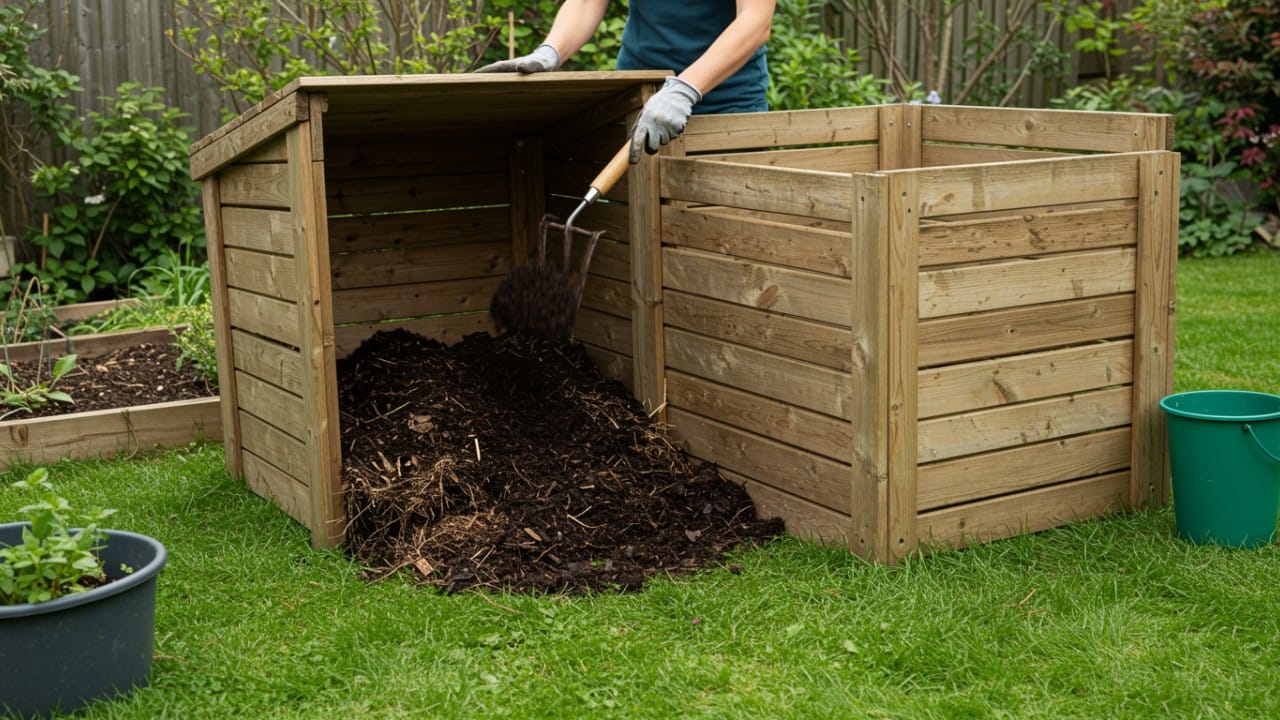
If you dream of a lush garden but want to avoid relying on harsh chemical fertilizers, composting is one of the smartest steps you can take. Learning how to compost at home allows you to turn everyday kitchen scraps and yard waste into what gardeners proudly call “Black Gold.” This rich, dark material feeds your soil naturally and strengthens plants from the roots up.
This guide follows official recommendations from the EPA (United States Environmental Protection Agency) to make sure your composting process is safe, effective, and environmentally responsible. With the right balance and a little patience, you can transform waste into one of the most valuable tools in eco-friendly gardening.
What is Composting? (The Science Made Simple)
Compost is organic material that has decomposed into a nutrient-rich soil amendment. According to the EPA, composting is a natural recycling process where microorganisms break down food scraps and yard debris into a stable, earthy product that improves soil health.
Here are the key benefits:
- Reduces landfill waste: Food scraps and yard trimmings make up a significant portion of household waste. Composting keeps these materials out of landfills, which helps lower methane emissions.
- Enriches soil: Compost adds nutrients and beneficial microbes that can help suppress plant diseases and pests.
- Improves moisture retention: Healthy soil enriched with compost holds water more effectively and reduces the need for chemical fertilizers.
In simple terms, composting builds better soil while reducing environmental impact. It is organic recycling at its best.
The Core Ingredients: Greens vs. Browns
A healthy compost pile depends on balance. Microorganisms need two primary components to do their job properly: nitrogen and carbon. These are commonly referred to as “Greens” and “Browns.”
Greens are nitrogen-rich materials. They are typically moist and break down quickly. Examples include vegetable scraps, fruit peels, coffee grounds, and fresh grass clippings. These materials fuel the microbial activity that drives decomposition. Without enough nitrogen, the pile will struggle to heat up and break down efficiently.
Browns, on the other hand, are carbon-rich materials. They are usually dry and provide structure and airflow. Dry leaves, small branches, twigs, cardboard, and shredded newspaper all fall into this category. Browns prevent the pile from becoming slimy or compacted.
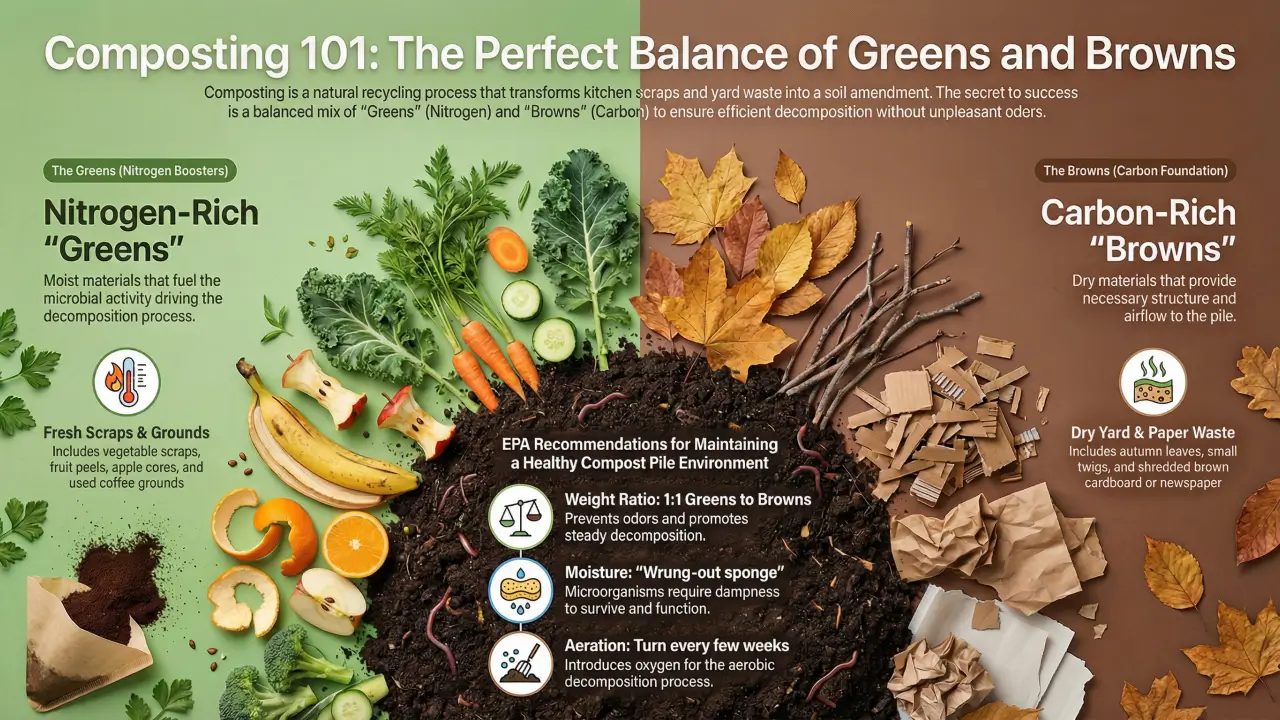
According to EPA guidelines, maintaining roughly equal amounts of greens and browns by weight helps prevent unpleasant odors and promotes healthy decomposition. Too many greens can make the pile smell and become overly wet. Too many browns can slow everything down.
Think of it like building a balanced meal for your compost microbes. They need both nutrients to thrive.
Step-by-Step: How to Compost at Home
If you are wondering how to compost at home in a practical, straightforward way, the process is simpler than most people think. Here is a step-by-step approach based on EPA best practices.
Step 1: Select a Dry, Shady Spot
Choose an outdoor location with good drainage. The EPA recommends selecting a convenient area close to your kitchen and near a water source. Shade is important because it prevents the compost pile from drying out too quickly under direct sunlight. Too much heat from the sun can halt microbial activity by drying the materials.
You can compost in a bin, a tumbler, or simply in a contained pile.
Step 2: Start Layering Using the “Lasagna Method”
Begin with a layer of coarse browns such as twigs or small branches at the bottom. This improves airflow from underneath. Then alternate layers of greens and browns. For example, add kitchen scraps, then a layer of dry leaves, then more scraps.
Layering helps distribute moisture and nutrients evenly. Avoid dumping large amounts of one material all at once.
Step 3: Moisten the Pile
Your compost pile should feel like a wrung-out sponge. It should be damp but not dripping wet. If it is too dry, decomposition slows. If it is too wet, it can start to smell.
If rainfall is scarce, lightly water the pile as you build it. The microorganisms responsible for breaking down materials require moisture to survive.
Step 4: Cover and Aerate
Covering the pile with a lid or tarp helps retain heat and moisture. Heat is a sign that microbes are actively breaking down materials.
Turning the pile every few weeks introduces oxygen. Aeration is critical because composting is an aerobic process. The bacteria need oxygen to function effectively. Without it, the pile may produce foul odors.
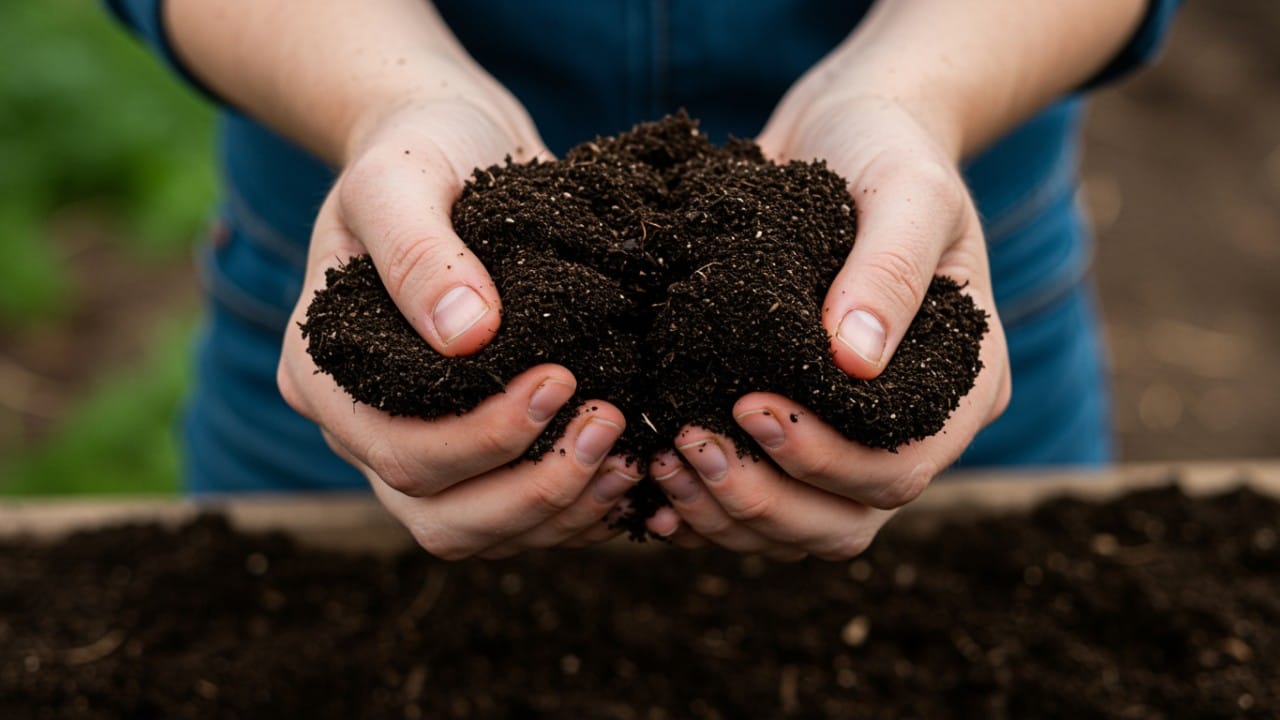
With proper care, you will start seeing dark, crumbly compost form over time.
Eco-Smart Gardening: Water and Lawn Care
Composting strengthens soil structure and improves moisture retention. This means your garden can hold water longer and reduce runoff. However, sustainable gardening does not stop at soil improvement. Water management plays an equally important role.
Modern eco-conscious gardening focuses on precision. Instead of overwatering and hoping for the best, homeowners are turning to smarter solutions that apply water exactly where it is needed.
For example, the Aiper IrriSense 2 is designed as a 4-in-1 Smart Irrigation System. It combines a controller, sprayer, fertilizer applicator, and solenoid valve into a single unit. This design removes the need for complex underground systems that require digging up the yard.
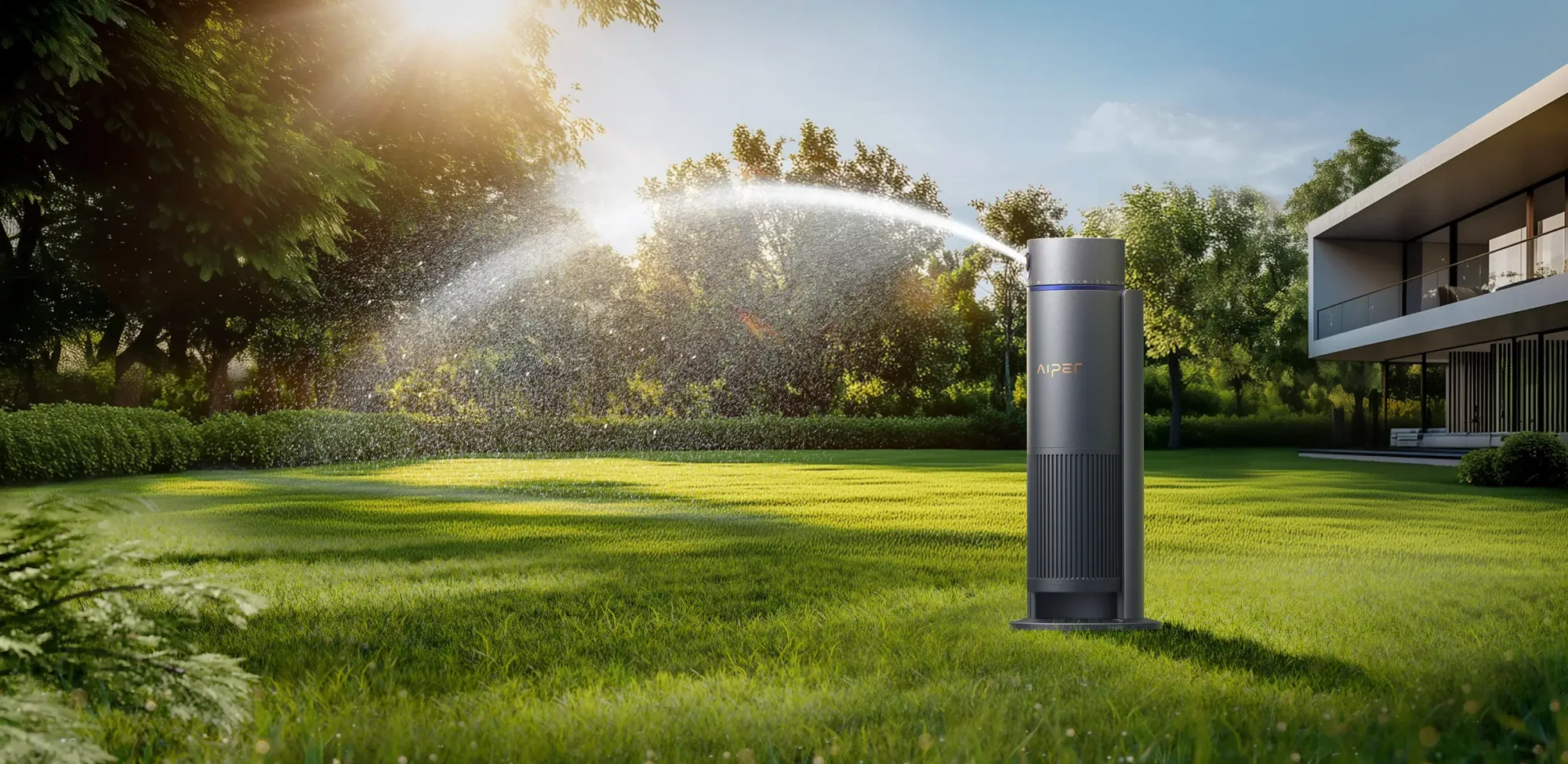
One of its key advantages is up to 40 percent water conservation without sacrificing lawn health. Its EvenRain™ technology and TÜV-certified map-based precise watering ensure that water is delivered evenly and accurately. When paired with compost-enriched soil that retains moisture more effectively, this kind of technology helps create a balanced, sustainable lawn care routine.
Healthy soil and smart watering work together. Compost builds resilience in the ground, and precision irrigation protects that investment.
What NOT to Compost (Safety Warnings)
While composting is simple, certain materials should always be avoided. According to the EPA’s official composting guidance, you should never add:
- Dairy products such as milk or cheese
- Meat or fish scraps and bones
- Fats or oils
- Pet wastes from dogs or cats
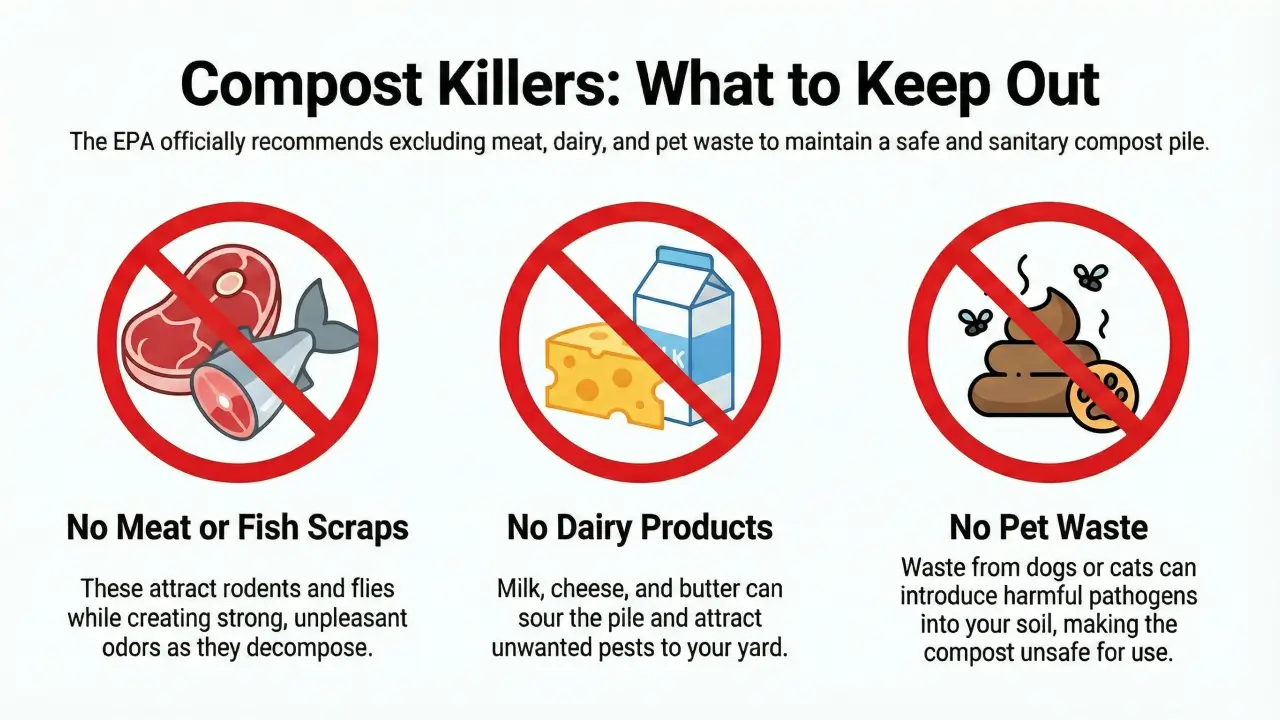
These materials can create strong odors and attract pests like rodents and flies. They may also introduce harmful pathogens into your compost.
For full safety recommendations, refer to the EPA’s Composting at Home Guide on the Environmental Protection Agency website. Following these guidelines keeps your compost pile safe and sanitary.
Troubleshooting Common Issues
Even with care, small problems can arise.
Problem: Rotten smell
If your compost smells sour or rotten, it likely contains too many greens or too much moisture. Add dry leaves, shredded newspaper, or sawdust to rebalance the carbon content and improve airflow.
Problem: Pile is not heating up
If nothing seems to be happening, your pile may lack nitrogen or moisture. Add fresh vegetable scraps or grass clippings, sprinkle some water, and turn the pile to introduce oxygen.
Small adjustments usually solve most composting problems quickly.
Conclusion
Composting is one of the simplest steps you can take toward a greener lifestyle. By following EPA-backed guidance, you can safely turn everyday waste into nutrient-rich soil that benefits your entire garden. Start small. Begin collecting dry leaves or shredded paper today, and take the first step toward building your own supply of Black Gold.
FAQ
How long does it take to compost?
Composting can take anywhere from two months to two years. The timeline depends on factors like temperature, moisture, and how often you turn the pile. Active management speeds up the process.
Can I compost in the winter?
Yes. Decomposition slows during cold weather, but it does not stop completely. Once temperatures rise in spring, microbial activity increases again and the process continues.