
How to Fix Dry Patches on Lawn: Diagnosis & Treatment Guide

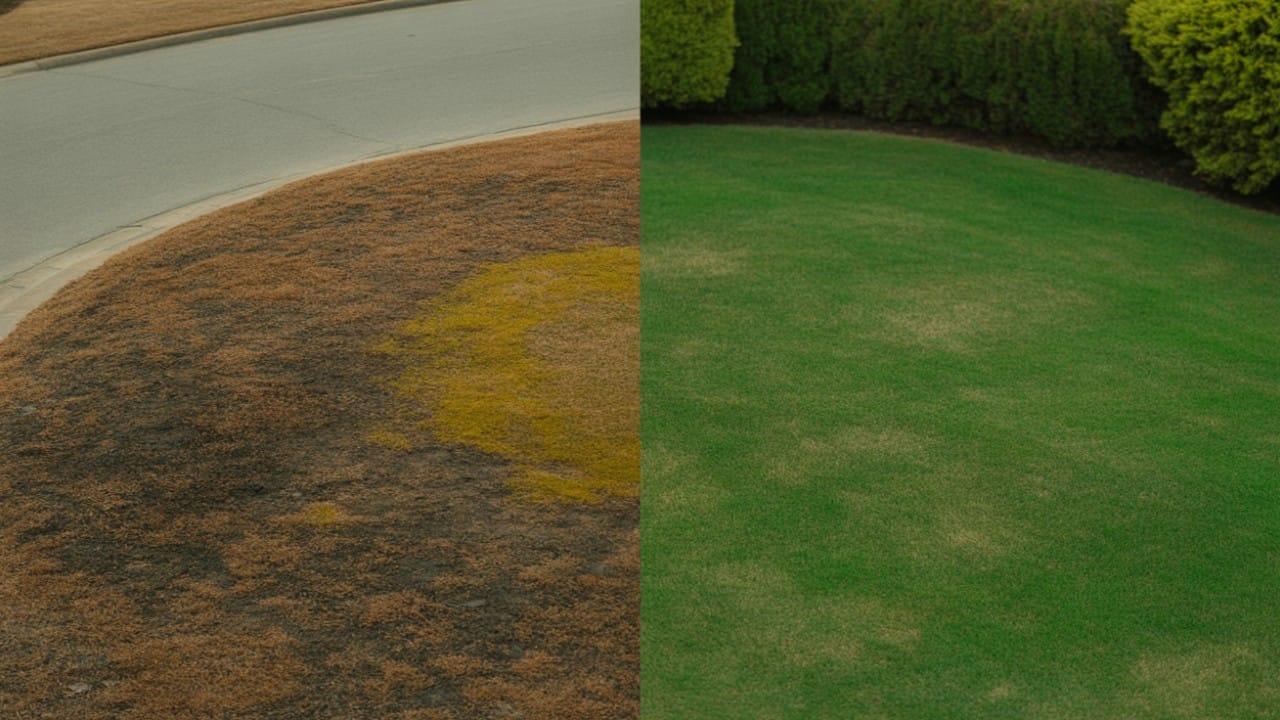
Nothing ruins curb appeal faster than those stubborn brown, crispy areas scattered across an otherwise healthy yard. If you have been searching for how to fix dry patches on the lawn, you are not alone. Many homeowners assume the problem is simple dryness, but in reality, these spots usually signal a deeper issue. Fungus, pests, uneven irrigation, hydrophobic soil, and even pet activity can all leave behind unsightly patches that refuse to green up.
The good news is that dry patches are fixable once you identify the cause behind them. This guide will walk you through diagnosis, step-by-step repair techniques, and how modern smart irrigation tools like the Aiper IrriSense can prevent these patches from returning. With the right approach, you can restore your lawn and keep it consistently hydrated and protected throughout the season.
What Causes Dry Patches on the Lawn? (Diagnosis)
Understanding what causes dry patches on the lawn is the first step toward long-term recovery. Use this section to compare possible symptoms and narrow down the true source of the issue.
Fungal Diseases: Brown Patch and Dollar Spot
Contrary to the name, Brown Patch often appears during humid, warm weather and can develop due to overwatering rather than drought. According to Clemson Cooperative Extension, Brown Patch lawns often form circular patterns with a darker outer ring known as the smoke ring. Dollar Spot creates smaller bleached spots that expand over time. If you see these symptoms, it is time to consider lawn fungus treatment, since watering alone will not fix the issue.
Localized Drought and Hydrophobic Soil
Sometimes the soil itself becomes hydrophobic, meaning it repels water instead of absorbing it. This can happen when soil becomes compacted or when traditional sprinklers fail to cover certain areas. These blind spots cause irregular patches that stay dry even when the rest of the lawn looks healthy.
Insect Damage from Grubs or Chinch Bugs
If pests are the culprit, the patch will usually feel loose or spongy. Texas A&M AgriLife Extension recommends the tug test. Gently pull on the grass. If it lifts like a carpet with little resistance, grubs likely ate the roots. Chinch bugs leave irregular dry areas that worsen during hot, dry spells.
Pet Urine
Dog urine can burn grass due to excess nitrogen. These spots are easy to identify because they often have a bright green border around the dead center, where the nitrogen concentration was highest.
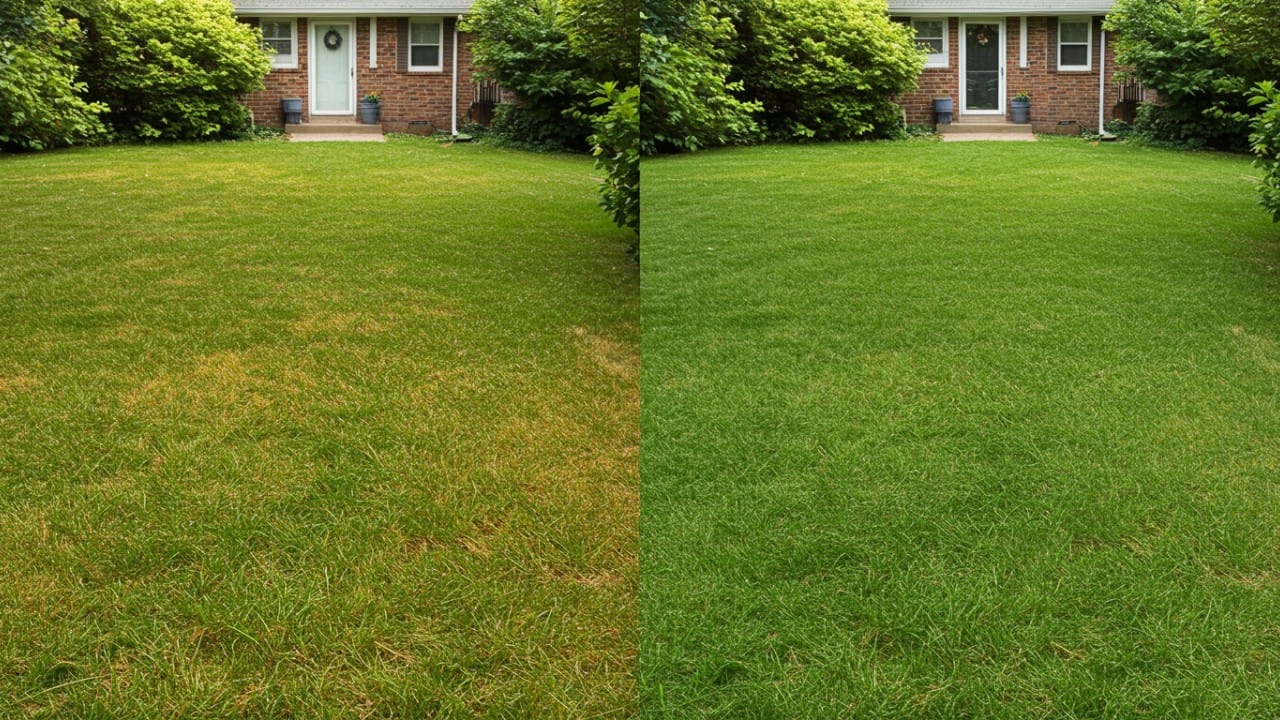
How to Fix Dry Patches on Lawn (Step-by-Step)
Once you identify the cause, follow these steps to repair dead grass and prevent recurring damage.
Step 1: Rake and Dethatch
Start by thoroughly raking the affected area. Remove all dead grass and loosen the top layer of soil. Clearing thatch improves airflow and helps new seed make direct contact with the soil.
Step 2: Aerate the Soil
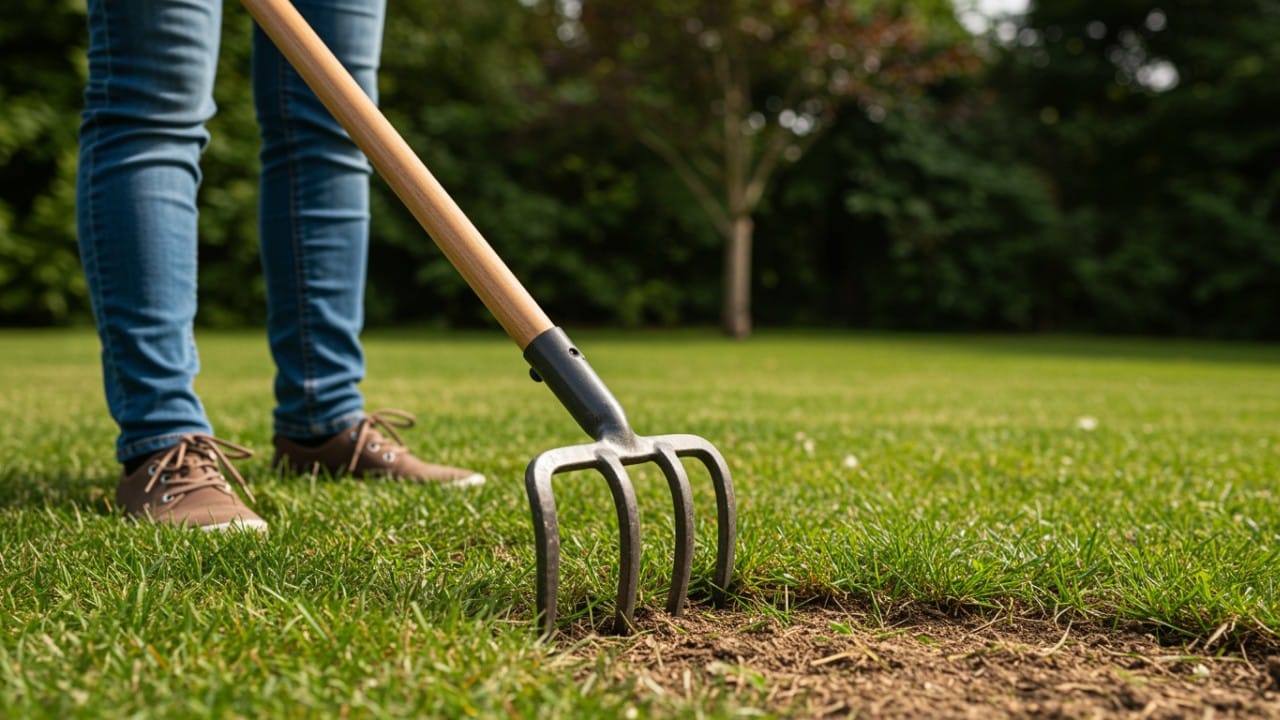
If the soil is hard or compacted, water will not infiltrate; it will flow away. Break up the soil with a garden fork or hand aerator, making holes approximately 3-4 inches. This enables oxygen and water to penetrate the root zone. Aeration is also used to relieve hydrophobic soil.
Step 3: Reseed and Topdress
Sow good grass seed on bare ground. Next, cover with a thin layer of compost or topsoil. This keeps the seed safe, maintains moisture, and promotes healthy germination. This is among the surest methods of repairing dead grass and promoting new growth.
Step 4: Smart Deep Watering with Aiper IrriSense
Traditional sprinklers spray in broad patterns that waste water and miss targeted areas. This inconsistent watering is one of the biggest causes of recurring dry patches.
Modern irrigation works differently. The Aiper IrriSense delivers precise hydration to vulnerable spots without oversaturating the rest of your yard.
- Zone Mapping: Through the Aiper App, Custom Mapping lets you draw a zone around the newly repaired patch. This ensures consistent watering exactly where it is needed.
- EvenRain Technology: EvenRain technology mimics natural rainfall with gentle droplets that soak into the soil without disturbing the new seed. High-pressure hoses can wash seed away, but EvenRain protects the area and encourages deeper root growth.
Step 5: Fertilize or Treat Fungus
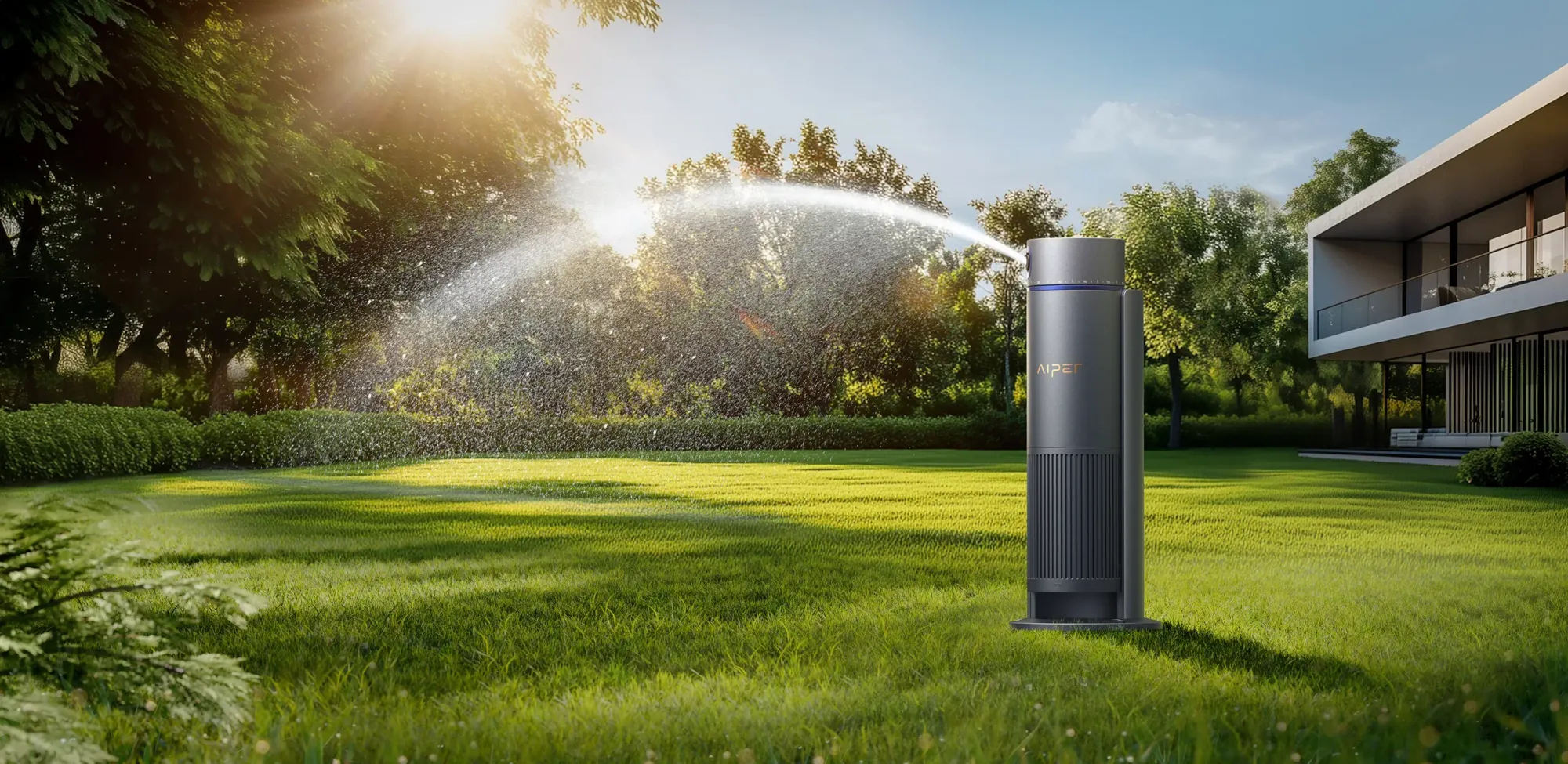
This step is necessary if we determined the presence of fungus or a nutrient deficiency in the previous step. Aiper IrriSense has an inbuilt tank that can spray liquid fertilizer or pesticide. Rather than spraying it on with a hand pump, just load the product and let the system spray it evenly over the area of effect. This saves time and provides accurate coverage.
Prevention & Maintenance Tips
Long-term lawn health requires consistency. Use the table below to quickly identify common symptoms and their solutions.
Dry Patch Symptoms vs. Solutions
| Appearance | Likely Cause | Immediate Fix |
|---|---|---|
| Irregular brown shapes | Localized drought | Aerate, reseed, and apply targeted irrigation |
| Circular rings | Fungus | Apply lawn fungus treatment and adjust watering |
| Loose turf that lifts | Grubs | Treat with insect control and reseed |
| Dead center with green border | Pet urine | Flush with water and reseed |
Watering Consistency Matters
Grass becomes stressed when watering patterns change too often. Aiper IrriSense uses Weather Smart Technology to monitor local weather and automatically pause watering during rain. It also increases water delivery during heatwaves. This keeps the lawn balanced and prevents both fungus from overwatering and drought stress from dry spells. This is a smart irrigation controller that truly adapts to your lawn’s needs.
Conclusion
Fixing dry patches on a lawn requires accurate diagnosis, hands-on repair, and a consistent watering routine. With the right tools, you can bring back healthy green growth faster and prevent problems from returning. Stop guessing with your watering habits. Upgrade to the Aiper IrriSense to ensure every inch of your lawn gets the hydration it needs.
FAQ
Q. How long does it take for dry patches to recover?
Usually, it takes 2 to 3 weeks for a new seed to sprout and blend in with the lawn.
Q. Will dead grass turn green again?
Dormant grass can recover. Dead grass cannot and must be reseeded.
Q. Can overwatering cause dry patches?
Yes. Excess moisture encourages fungal problems like Brown Patch.
References
- Clemson Cooperative Extension. (n.d.). Brown patch & large patch diseases of lawns. Home & Garden Information Center. https://hgic.clemson.edu/factsheet/brown-patch-large-patch-diseases-of-lawns/
- Texas A&M AgriLife Extension. (n.d.). Chinch bugs in St. Augustine lawns. https://agrilifeextension.tamu.edu/library/landscaping/chinch-bugs-in-st-augustine-lawns/