
How to Fix Fertilizer Burn on Grass: A Step-by-Step Recovery Guide
Don't panic over fertilizer burn. Remove visible granules first, then heavily flush the soil with water for 3-4 days to leach excess salts away from the roots. Once recovered, prevent future burns with precise, smart irrigation systems.

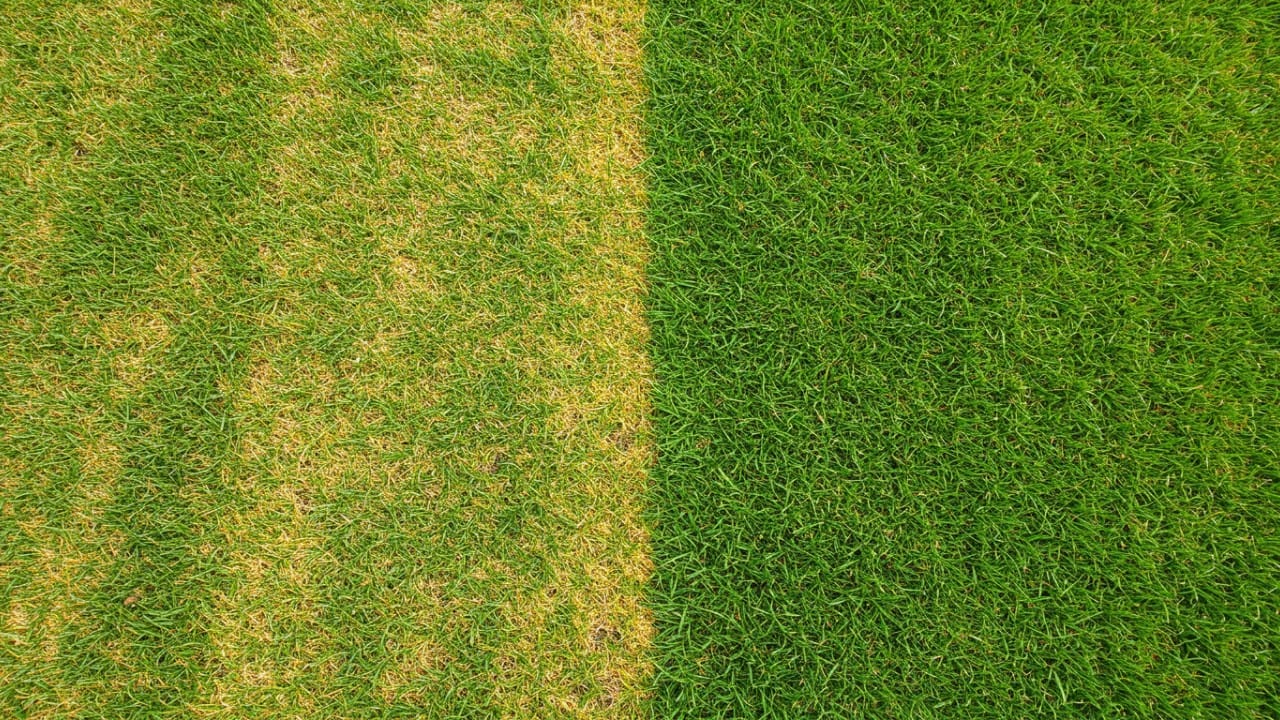
You step outside expecting to see a deeper green lawn after feeding it, and instead you find yellow streaks and brown patches that look like burnt toast. It is frustrating. Fertilizer is supposed to help, not harm. If you are searching for how to fix fertilizer burn, take a breath. In many cases, the grass blades may look scorched, but the roots underneath are still alive. If you act quickly and follow the right recovery steps, your lawn can bounce back.
Before you panic, remember that not all yellowing is caused by chemicals. If you have not fertilized recently, you might be dealing with heat stress instead. Review the signs of heat stress and consider treating heat-stressed grass before assuming the worst.
In this guide, we will walk through a science-backed flushing method that helps rescue an over-fertilized yard and sets you up to prevent it from happening again.
What Does Fertilizer Burn Look Like? (Identification)
The first step is knowing what you are dealing with. Fertilizer burn on grass has some very specific symptoms.
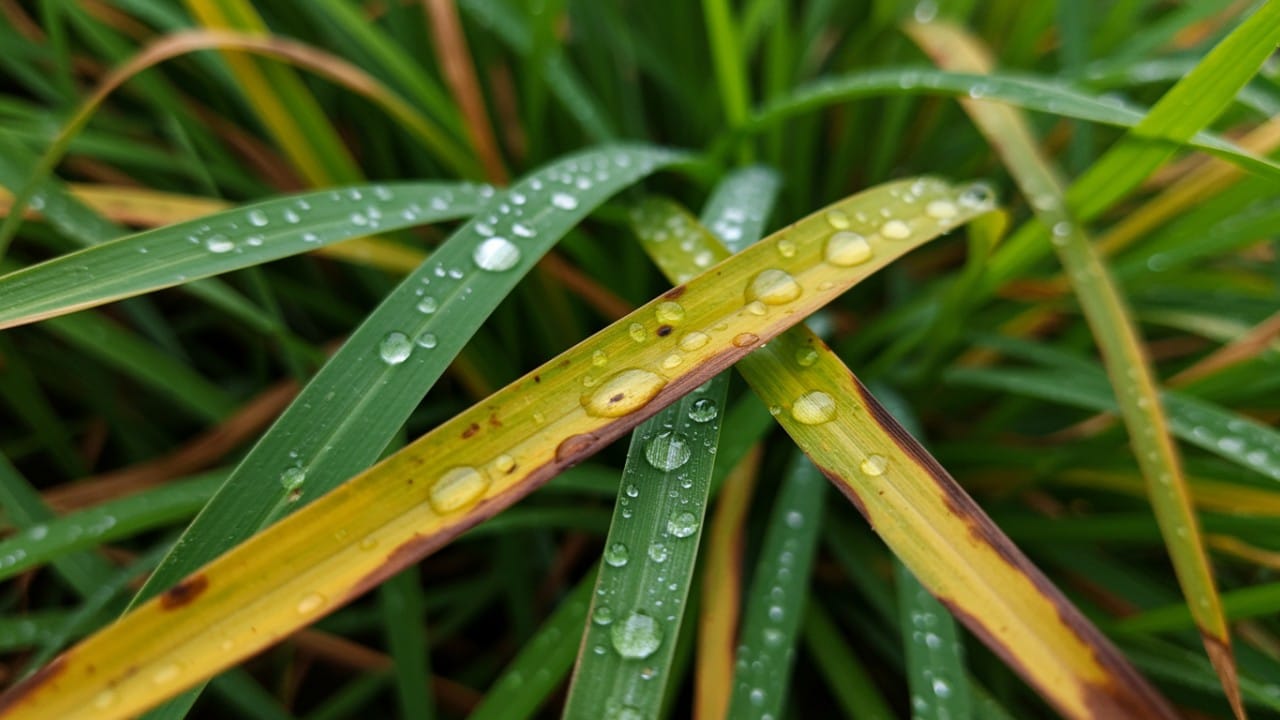
You will often see leaf tips turning yellow or brown first. The damage usually starts at the tips because that is where salts accumulate as water evaporates. The grass can look dry, brittle, or scorched.
Another common sign is stripes or streaks across the lawn. These often appear when spreader passes overlap, dropping too much product in certain rows. Instead of uniform green, you see defined bands of yellow.
In severe cases, you may notice crusty soil or even a faint white residue on the surface. That white material is salt buildup from excess nitrogen.
To help you distinguish between similar lawn problems, here is a simple comparison:
Fertilizer Burn vs. Dog Urine vs. Fungus
Cause | Signs to Look For |
Fertilizer Burn | Appears in larger areas or stripe-like patterns. Grass tips turn yellow or brown. |
Dog Urine | Shows as small, round spots with a dark green ring around the edges. |
Fungus | Forms irregular patches that may be slimy or show visible spores. |
How to Fix Fertilizer Burn: The “Flush” Method
This is the most important section. When fertilizer burn symptoms appear, speed matters. Excess nitrogen salts draw moisture out of grass roots through osmotic stress. The goal is to remove or dilute those salts before permanent root damage occurs.
Step 1: Physical Removal (The “Vacuum” Step)
If you can still see granular fertilizer sitting on the surface, do not grab the hose immediately.
According to Purdue University’s Plant and Pest Diagnostic Laboratory, visible granules should be removed before watering. If you water first, you risk dissolving and pushing even more nitrogen into the soil.
Use a shop vacuum or a stiff broom to carefully collect as many remaining granules as possible. This step reduces the total salt load before you begin flushing.
It may feel counterintuitive to delay watering, but removing excess fertilizer first is critical to limiting further damage.
Step 2: Deep Watering (The “Leaching” Step)
Once loose granules are removed, the next step is leaching.
Leaching means applying enough water to push dissolved salts down past the root zone. For most turfgrass, the active root zone sits about 6 to 8 inches deep. You want to drive excess nitrogen below that level so it no longer pulls moisture away from the roots.
Light misting will not help. The lawn needs a deep soak.
Water heavily for the next three to four days. The goal is steady saturation that penetrates deeply into the soil. This helps dilute salt concentration and move it downward.
Be careful not to create standing water for long periods, especially in clay soil. The aim is thorough flushing, not drowning the grass.
Smart Watering for Even Recovery
Watering a lawn by hand with a hose often leads to uneven results. Some spots end up soaked and puddling, while others stay dry. These inconsistent areas can slow down recovery and, in some cases, even cause root rot.
Consistency is key during recovery. Smart irrigation systems such as the Aiper IrriSense 2 use EvenRain™ technology to deliver precise, uniform coverage. Even distribution ensures that salts are flushed evenly across the lawn without oversaturating certain areas. Uniform watering supports balanced leaching and protects surviving roots.
This is not about adding more product. It is about applying water accurately and consistently during a stressful time for your grass.
Will Over-Fertilized Grass Grow Back? (Recovery Timeline)
The answer depends on the severity of the damage.
Minor Burn
If the burn is mild and you act quickly, you should see improvement within 7 to 10 days. The brown tips may remain, but new growth at the base should start to appear green and healthy. Grass blades grow from the crown at the base of the plant, not from the tip.
As long as the crown is alive, recovery is possible.
Severe Burn
If the crown has turned brown and feels soft or mushy, the plant is likely dead. In this case, flushing the soil is still important to remove excess salts, but reseeding or patch repair may be necessary once soil conditions stabilize.
Do not rush into reseeding immediately. Give the soil time to recover and allow excess nutrients to disperse. In some cases, lightly raking the affected area after flushing can help remove dead material and improve seed-to-soil contact when you are ready to overseed.
Mowing Advice
Avoid mowing right away. Damaged grass is already under stress. Wait until it has grown back to about 3 to 4 inches before cutting. When you do mow, remove no more than one third of the blade height. This reduces additional shock and allows the plant to rebuild energy reserves in the roots.
Soil Health After Fertilizer Burn
Once the visible damage improves, it is worth thinking about what happened beneath the surface. Excess fertilizer does more than scorch blades. It can temporarily disrupt soil biology.
High salt levels can reduce microbial activity and affect how roots absorb water. After flushing, consider supporting long-term soil health with proper watering practices and organic matter additions such as compost. Improving soil structure helps buffer future nutrient applications and reduces the likelihood of another over-fertilized yard situation.
Healthy soil acts like a sponge and a filter. It holds nutrients in balance rather than allowing them to spike suddenly.
Common Mistakes Leading to an Over-Fertilized Yard
Understanding how fertilizer burn happens can help you avoid repeating the same mistake.
Mistake 1: Fertilizing Wet Grass
Spreading granular fertilizer on wet grass can cause problems. The granules tend to stick to the blades, and as they dissolve, they release a high concentration of nitrogen directly onto the leaf. This can result in chemical burns and damage the lawn.
To avoid this, always apply fertilizer to dry grass unless the product label specifically says otherwise.
Mistake 2: Uneven Spreader Settings
One of the main reasons grass suffers fertilizer burn is incorrect spreader calibration. When too much product lands in one spot, salt levels rise rapidly and can damage the lawn.
To prevent this, check your spreader settings carefully before starting. Keep a steady walking pace and try not to overlap passes more than necessary. This simple approach helps ensure even coverage and protects your grass.
Mistake 3: Miscalculating Lawn Size
Guessing how much fertilizer to use often causes over-application. Homeowners commonly underestimate the lawn’s size or forget to exclude paths, driveways, and garden beds.
Before your next feeding, take the time to calculate the correct amount using recommended guidelines. Accurate measurements are an easy and effective way to protect your lawn and avoid unnecessary damage.
Prevention: Smart Tools for a Healthy Lawn
Modern lawn care is shifting away from manual guesswork. The more variables you remove, the lower your risk of mistakes.
One option homeowners are exploring is integrated lawn management systems. The Aiper IrriSense 2 functions as a 4-in-1 Smart Irrigation System, combining a controller, sprinkler, fertilizer applicator, and solenoid valve into one unit.
By automating application patterns and distribution, it reduces the risk of overlapping rows or uneven granule spread. That automation directly addresses one of the main causes of an over-fertilized yard.
Another benefit is water conservation. The system can conserve up to 40 percent water while maintaining lawn health. Balanced watering not only supports steady growth but also helps prevent nutrient buildup in specific zones.
The goal is not to complicate lawn care. It is to simplify it. When irrigation and fertilizer application work together with precision, your grass is less likely to suffer from extreme highs and lows.
Frequently Asked Questions
Can sugar fix fertilizer burn?
No. This is a common myth. While sugar can provide a carbon source for soil microbes, it does not remove excess nitrogen salts. Water is the only proven solution for leaching those salts out of the root zone.
Should I aerate burned grass?
Wait. Mechanical aeration stresses the roots and can worsen damage during recovery. Allow the grass to regain strength before introducing additional stress.
How do I fix yellow grass from dog urine?
Dog urine also causes nitrogen burn, but the pattern is different. These spots are smaller and often circular. Flush the area with water as soon as possible after exposure to dilute the nitrogen concentration.
Conclusion
Fertilizer burn looks alarming, but it is not always permanent. The recovery strategy is straightforward: Flush, Wait, and Prevent.
Remove visible granules first. Leach excess salts deeply with consistent watering. Give your lawn time to recover before mowing or reseeding. Then take steps to prevent future mistakes by measuring carefully and improving application accuracy.
If you are tired of relying on manual spreaders and hoping for even coverage, it may be time to evaluate your current equipment. Smart, integrated solutions like Aiper can help simplify the process and reduce human error. A healthy lawn should not depend on guesswork.