
How to Get Rid of White Grubs and Restore Your Lush Lawn
White grubs destroy lawns by feeding on grass roots, but early detection and smarter lawn care—like balanced irrigation and soil restoration—can eliminate infestations and help your grass recover into a healthy, resilient lawn.

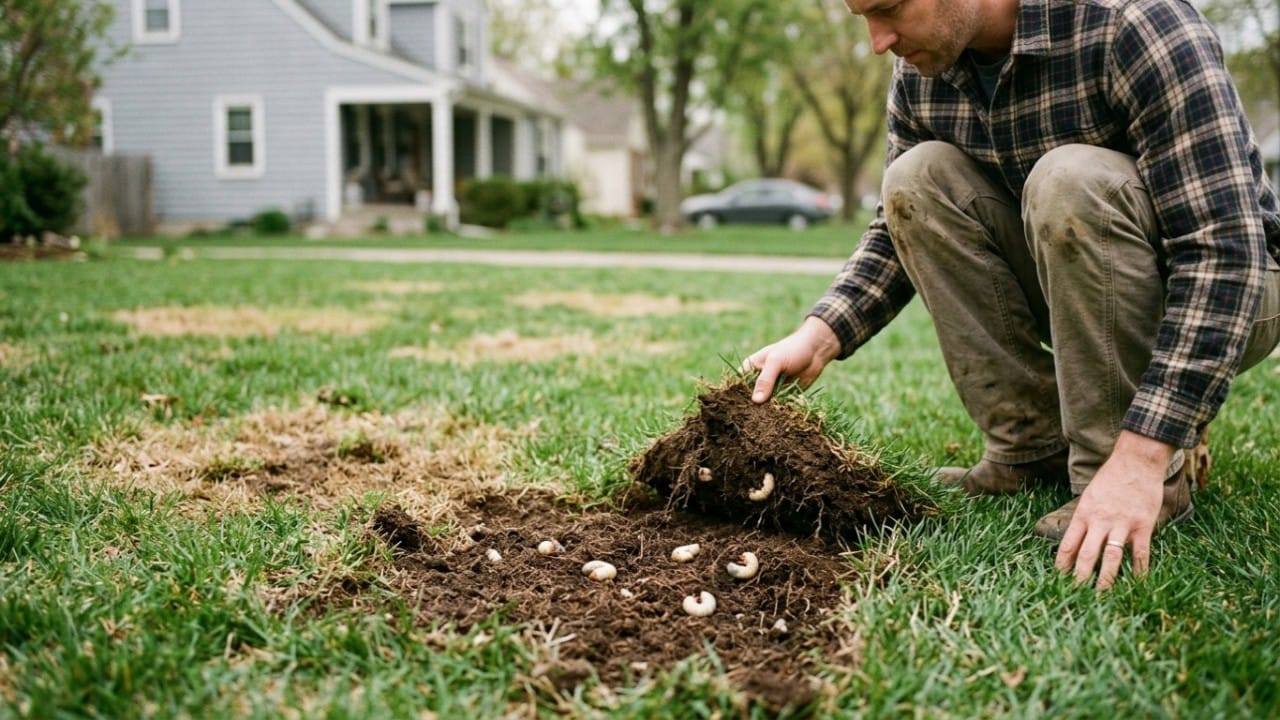
There’s a specific kind of quiet pride that comes with a perfectly manicured lawn—that lush, green carpet that anchors your home’s curb appeal. But beneath that pristine surface, a hidden battle is likely raging. If you’ve started noticing mysterious brown patches or turf that feels suspiciously spongy underfoot, you need to know how to get rid of white grubs before they decimate your landscape.
These tiny, C-shaped larvae are the undisputed top threat to American lawns. However, with the right lawn grub treatment and a tech-forward approach to maintenance, you can reclaim your yard. Modern solutions like the Aiper IrriSense 2 and specialized Soil Pulse™ treatments are shifting the landscape, turning a frustrating fight against pests into a smart, automated victory for your home.
The Invisible Saboteur: Understanding the White Grub
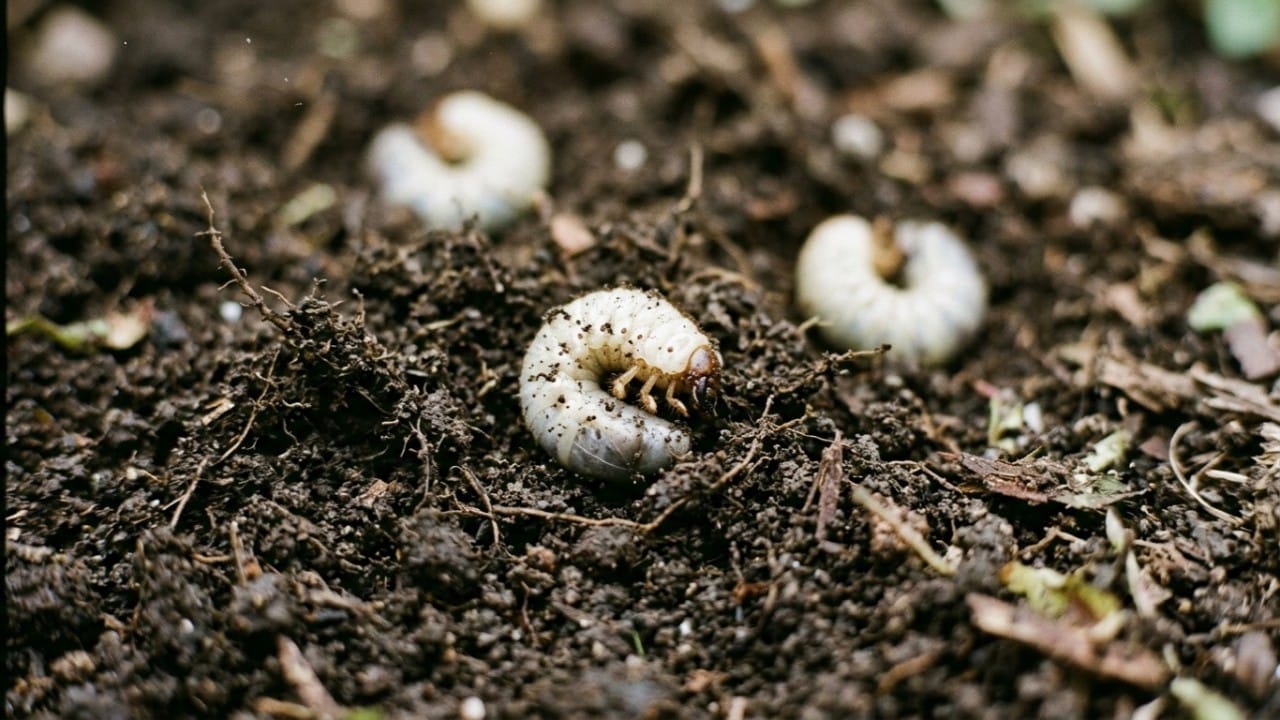
To the untrained eye, a white grub looks like little more than a plump, pale worm. In reality, they are the larval stage of several beetle species that haunt North American suburbs. Their mission is simple: eat as much organic matter as possible to fuel their transformation into adults. Unfortunately, their favorite "fuel" just happens to be the root system of your grass.
The Culprits Behind the Damage
- Japanese Beetles: Notorious for skeletonizing ornamental leaves as adults and destroying turf as larvae.
- June Bugs: Large, clumsy fliers whose offspring are among the largest and hungriest grubs you'll find.
- European Chafers: Particularly resilient to cold and known for early-season activity that catches homeowners off guard.
Think of their lifecycle as a relentless clock. In mid-summer, beetles lay eggs in moisture-rich soil. By late summer, those eggs hatch into larvae, and the peak feeding season begins—this is when those ugly brown patches start to appear. As fall hits, the feeding intensifies, severing roots and leaving your turf unanchored. They’ll hibernate deep below the frost line in winter, only to resurface for one final feeding surge in the spring before becoming beetles.
The "Rug Test" and Other Tell-Tale Signs
Differentiating between a simple dry patch and a full-scale grub infestation is key. In professional landscaping, we look for three major red flags.
Your Quick Grub Diagnostic Checklist
- The Spongy Walk: If walking across your lawn feels like stepping on a thick, unanchored carpet rather than firm earth, the roots are likely gone.
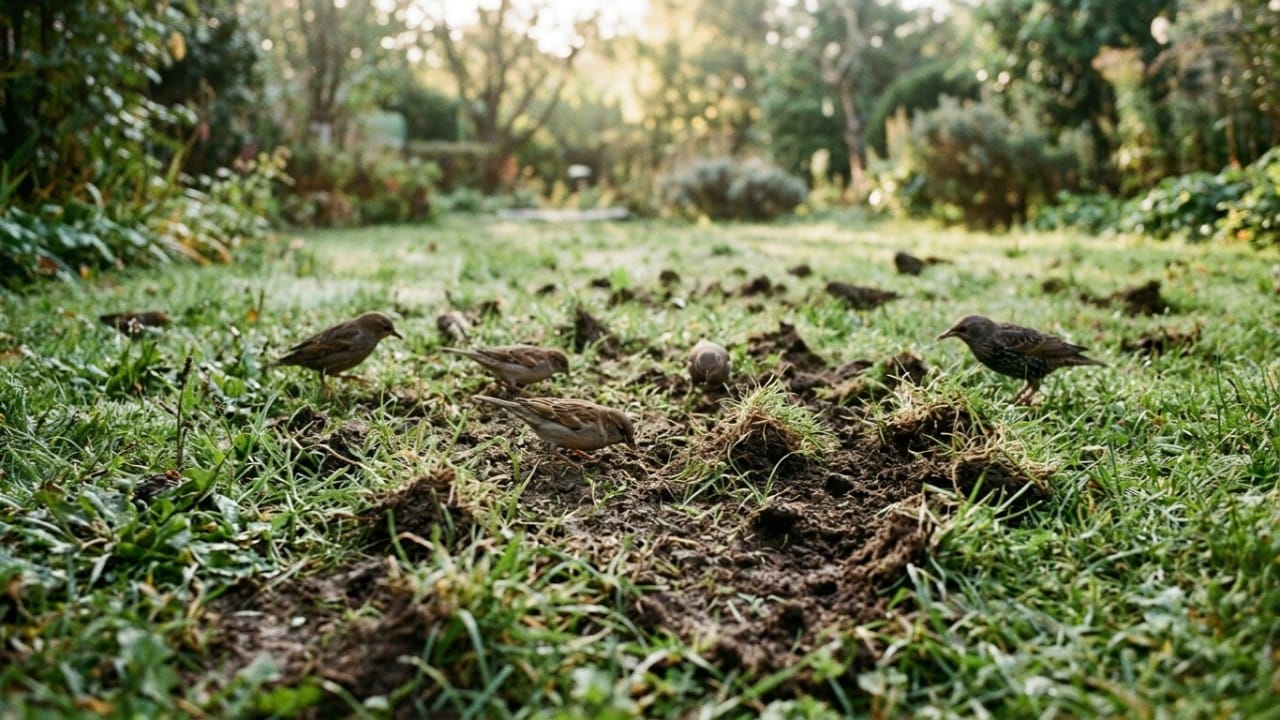
- The Animal Audit: Keep an eye out for skunks, raccoons, or birds "plowing" sections of your turf overnight. They aren't trying to ruin your lawn; they're just hunting for protein-rich snacks.
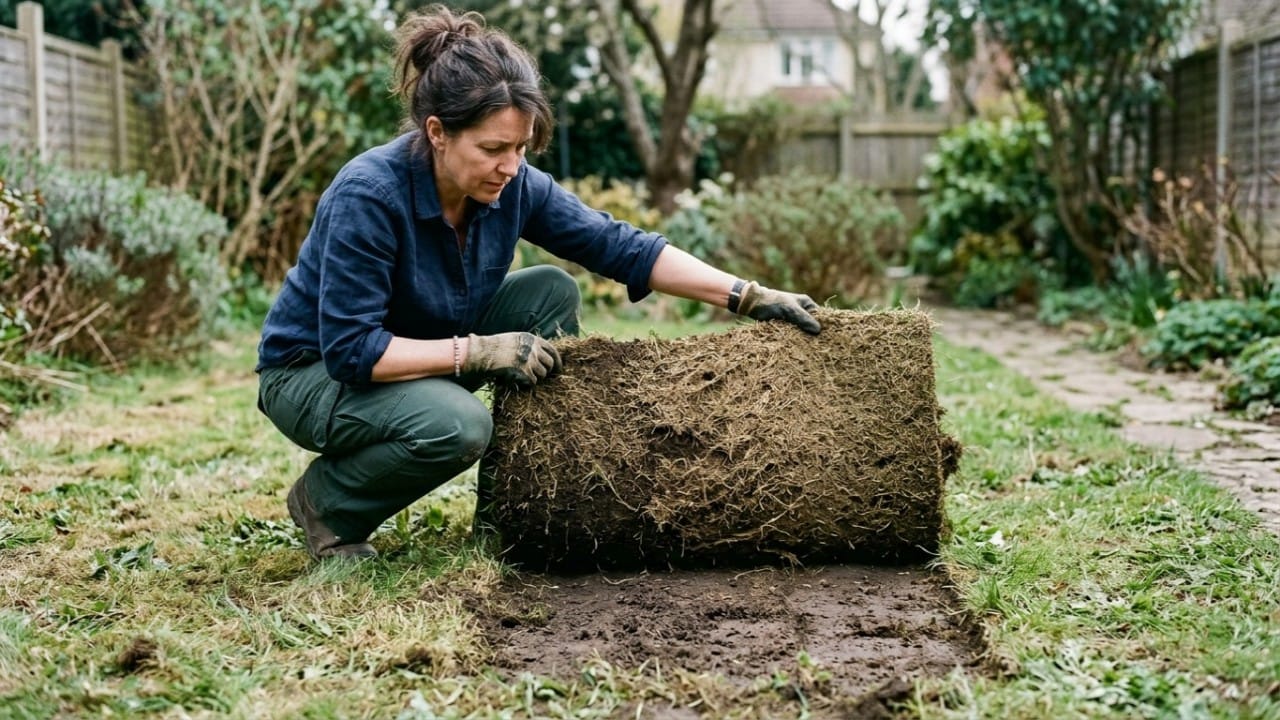
- The "Rug Test": This is the definitive proof. Grab a brown patch of grass and pull upward. If the turf peels back in one clean sheet—exposed and rootless—you have a confirmed infestation.
Density matters here. Finding one or two grubs per square foot is perfectly normal for a healthy ecosystem. But if you count ten or more, you’ve hit the "danger zone," and it's time to take action.
The Tech-Forward Cure: Integrating Soil Pulse™ and Precision Care
Old-school grub control usually involves heavy-handed chemical applications that are as wasteful as they are imprecise. But we live in the era of the smart home, and we should expect more from our lawn care. This is where the Aiper IrriSense 2 completely changes the game. As the world’s first 4-in-1 multi-zone smart irrigation system, it doesn’t just dump water; it actively nurtures the entire soil environment.
The IrriSense 2 integrates four heavy-hitting components into one DIY-friendly device: a Smart Controller that thinks for itself, Precision Sprinklers, a TÜV-certified Electrical Valve, and a built-in Chemical Feeder.
For the U.S. market, Aiper has introduced Soil Pulse™, a microbial organic soil amendment that acts as a powerful restorative agent. By dispensing Soil Pulse™ directly through the irrigation stream, the IrriSense 2 ensures the treatment reaches the soil with perfect uniformity.
Why Soil Pulse™ works where others fail:
- Boosts Fertility: It provides the exact nutrients grass needs to literally outgrow pest damage.
- Heals the Ground: It loosens compacted soil, allowing air and water to reach what’s left of the root zone.
- Cleanses the Turf: It helps decompose harmful toxins that build up in stressed grass.
- Long-term Defense: It naturally inhibits new weed growth, making your lawn a less attractive target for future outbreaks.
Prevention through Precision: The Power of EvenRain™
The best way to "get rid" of grubs is to make sure they never feel at home in the first place. Beetles are attracted to soil that is over-saturated yet poorly nourished. Traditional sprinklers are part of the problem—they create "hot spots" and muddy puddles that act as open invitations for egg-laying beetles.
The EvenRain™ Technology in the IrriSense 2 covers up to 4,800 square feet with a gentle, consistent "rain curtain." This ensures moisture penetrates deep into the roots without creating those surface-level muddy pools. Pair this with the Weather-Sense Response System, which automatically pauses irrigation during rain or high humidity, and you’ve effectively removed the invitation for pests. Plus, you’re looking at up to 40% water conservation compared to traditional, manual systems.
The Smart Ecosystem: Multi-Zone Recovery
Grubs almost never attack a lawn uniformly; they tend to cluster in the sunniest, high-value areas. The IrriSense 2 allows you to define up to 10 independent watering zones through the Smart APP Control Hub.
If the south-facing corner of your yard has been hit hard, you can designate it as a "Recovery Zone." This allows you to:
- Set Targeted Schedules: Give extra hydration to new seed or recovering roots in that specific spot.
- Deliver Localized Treatment: Run a cycle of Soil Pulse™ exclusively through the zone that needs it most.
- Track Everything: Monitor your water usage and real-time savings directly from your phone.
A 15-Minute DIY Defense
In the past, professional-grade lawn care meant professional-level headaches: trenching, underground pipes, and expensive contractors. The IrriSense 2 was built for the modern homeowner who wants results without the drama.
The 15-Minute DIY Installation is tool-free and modular. Once it’s up, the Engineered Resilience Framework takes over. With a UV-resistant shell, brass connectors, and ultra-quiet operation (under 60dBA), it’s a "set it and forget it" guardian for your outdoor sanctuary.
Conclusion: A Lusher Lawn, the Smarter Way
Winning the war against white grubs is a test of patience, but it shouldn't be a test of your manual labor. By combining biological insights with the precision of the Aiper IrriSense 2, you are doing more than just managing pests—you’re building a resilient, intelligent landscape.
The synergy of Soil Pulse™ and EvenRain™ delivery transforms a brown, spongy yard into a vibrant, deep-rooted masterpiece. The future of American lawn care isn't about more chemicals; it's about smarter data and better delivery. Reclaim your yard, save on your water bill, and tell the grubs their time is up.
To learn more about how the IrriSense 2 and Soil Pulse™ can revolutionize your lawn care routine, visit Aiper.