
How to Lubricate Pool O-Rings Correctly (Filter & Pump)

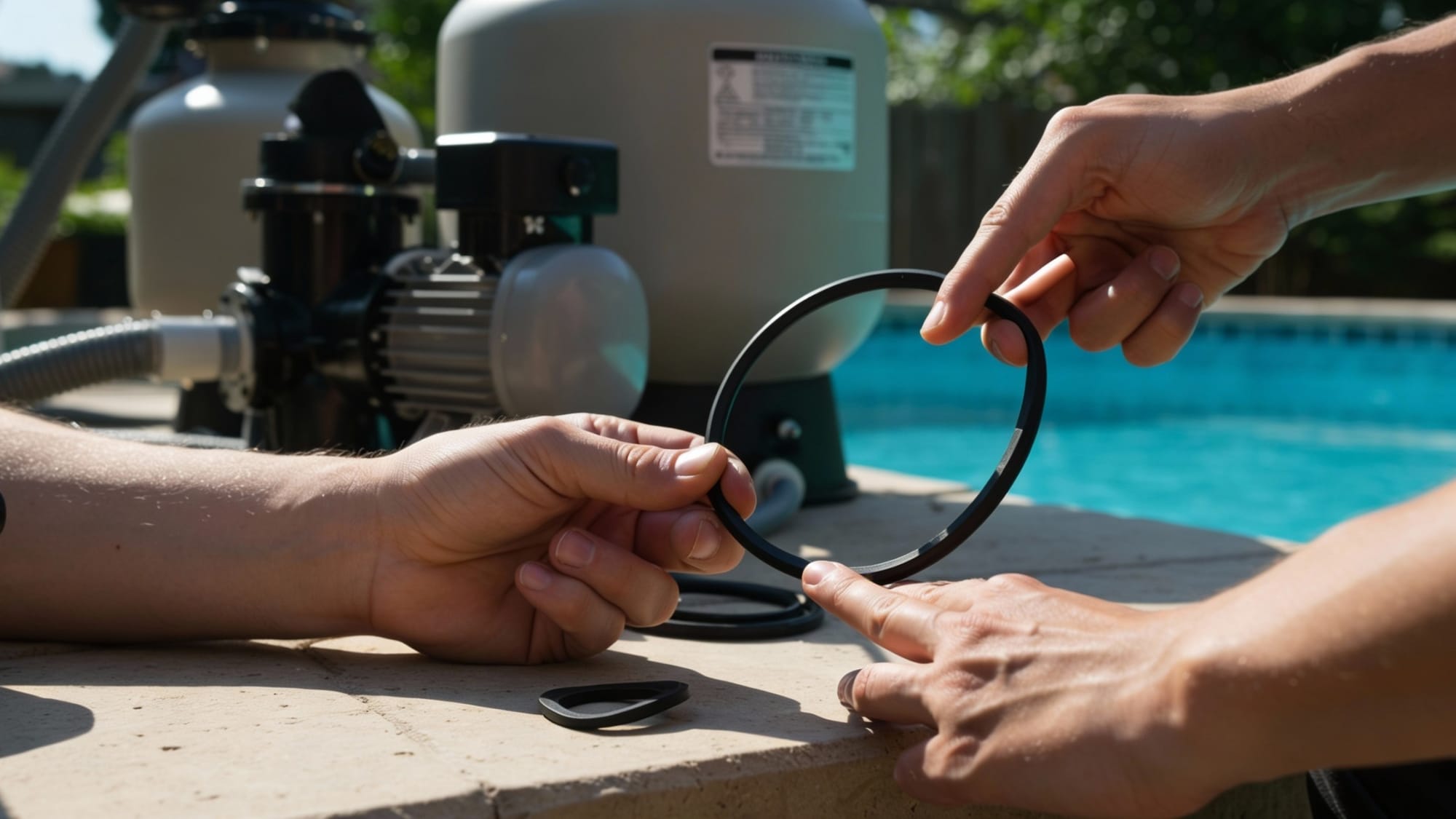
If your pool filter lid sticks, the pump sucks in air, or water slowly leaks around the seal, the problem is usually the O-rings.
Many pool owners feel nervous about touching these seals, worrying they might crack the lid or make the leak worse. These concerns are real—damaged O-rings can reduce water flow, force your pump to work harder, and ultimately ruin your water clarity.
This guide will show you how to lubricate pool O-rings safely, specifically for your filter and pump. You’ll learn the simple 4-step process, the only safe products to use, and why this small task is critical for your pool’s health.
Best Pool O-Ring Lubricant: Silicone vs. Petroleum
On average, maintaining a residential pool costs between $1,200 and $1,800 per year. Unaddressed issues like a $10 O-ring failure, can spike this cost significantly by damaging expensive pumps.
Choosing the right lubricant is the most critical step. Using the wrong product can destroy the rubber seal rather than protect it.
Why You Should Never Use Vaseline on Pool O-Rings
Many people grab Vaseline (petroleum jelly) because it is in their medicine cabinet. This is a major mistake.
According to rubber manufacturers and pool equipment service manuals, petroleum products cause rubber to chemically break down.
- The Reaction: Petroleum causes the rubber to absorb the oil and expand.
- The Result: The O-ring swells and no longer fits in the groove. Over time, it becomes gummy, cracks, or flattens out.
If you want to know how to lubricate pool O-rings safely, remember the golden rule: Never use petroleum. This includes Vaseline, engine oil, and WD-40.
Safe Lubricants: Silicone and PTFE Grease
There are only two types of lubricants safe for pool equipment:
- 100% Silicone Pool Lubricant
- PTFE (Teflon) Based Grease (labeled "Rubber Safe")
These lubricants create a waterproof seal without changing the rubber's size or structure. Manufacturers recommend silicone grease because it withstands chlorine, heat, and constant water pressure. It keeps the rubber flexible and prevents the lid from seizing shut, extending the life of your seals for years.
When to Apply Pool O-Ring Lube
You do not need to lubricate your O-rings every week. In fact, over-lubricating can attract dirt and grit, which causes leaks. Instead, follow these natural maintenance triggers:
Maintenance Triggers: Filter Cleaning and Winterizing
You should clean and lube your O-rings whenever you break the seal:
- During Filter Cleaning: Every time you open the tank to clean cartridges or backwash.
- Winterizing: Before closing the pool for the season to prevent dry rot.
- Spring Opening: Before firing up the system after a long pause.
- After Replacement: Anytime you install a new O-ring.
Signs of O-Ring Failure: Air Leaks and Dry Rot
Your pool often warns you before a seal fails completely. Watch for these signs:
- Air Bubbles: Constant bubbles shooting out of return jets (indicates a suction leak).
- Loss of Prime: The pump struggles to pull water.
- Dripping: Water pooling under the filter clamp or pump lid.
- Stuck Lids: If you have to fight to open the pump basket, the old lube has dried out.
- Visual Damage: Cracks, flattening (squared edges), or brittleness.
Note: If the O-ring is cracked or flattened, lube will not fix it. You must replace it.
How to Lubricate Pool O-Rings in 4 Steps
The process is simple, but skipping a step—especially cleaning—guarantees failure.
1. Turn Off Power and Relieve Tank Pressure
Safety first. Turn off the power at the breaker to ensure the pump cannot start. Then, open the Air Relief Valve on top of your filter to release the vacuum pressure.
- Warning: Never try to open a pressurized filter tank. It is dangerous and can damage the threads.
2. Remove the O-Ring and Clean Old Grease
Gently pry the O-ring out of the groove using a plastic tool or your fingers (avoid screwdrivers that can nick the rubber).
- The Critical Step: Wipe the old grease, dirt, and sand off the O-ring with a clean rag.
- Clean the Groove: You must also wipe out the plastic groove where the O-ring sits. If a single grain of sand remains in that groove, the seal will leak—no matter how much lube you use.
3. Apply Silicone Lubricant Evenly
Put a pea-sized amount of silicone lubricant on your finger. Run the O-ring through your fingers to coat it.
- The Goal: The O-ring should look shiny, not gloopy.
- The Mistake: Do not leave thick globs of grease. Excess grease attracts grit.
4. Reseat the O-Ring and Seal the Lid
Place the O-ring back into the groove. Run your finger around it one last time to ensure it is seated flat and not twisted.
- Closing: Hand-tighten the lid. Do not over-tighten with a wrench. Most pool lids seal by compression; cranking them down too hard can crack the lid body.
The “Silent” Leak: Why Pool Owners Miss O-Ring Problems
Some leaks spray water everywhere, but others—like suction leaks—are silent and invisible, slowly destroying your pump's efficiency.
Don’t Neglect the Equipment Pad
Modern pool owners often rely on advanced tools like the Aiper Scuba X1 Pro Max to handle daily cleaning. Because these cordless robots operate independently, you spend less time messing with hoses at the equipment pad.
- The Risk: Since you visit the pump less often, it is easy to miss small air leaks or dry seals.
- The Fix: Make it a habit to inspect your equipment pad once a month, even if your robot is doing all the heavy lifting in the pool.
Complete Pool Health: Debris vs. Sanitation
Think of your pool as having two systems:
- Cleaning (Debris): Tools like the Aiper Surfer S2 remove leaves and physical dirt.
- Circulation (Sanitation): Your pump and filter distribute chemicals to kill bacteria.
These systems must work together. If a bad O-ring causes your pump to lose pressure, the water stops circulating. Chemicals stop mixing, and algae blooms—forcing your robot to work double-time. keeping your O-rings lubricated ensures the "heart" of your pool keeps beating strong.
Conclusion
O-rings may be small, but they play a massive role in your pool’s health. Learning how to lubricate pool O-rings correctly prevents air leaks, stops water loss, and protects your expensive equipment.
By using the right silicone lubricant and cleaning the groove thoroughly, you ensure your system stays watertight. Combine this simple maintenance with the effortless cleaning of an Aiper robotic pool cleaner, and you’ll enjoy a crystal-clear, trouble-free pool all season long.
Frequently Asked Questions About Pool O-Rings
What is the best lubricant for a pool pump O-ring?
The best choice is a 100% silicone pool lubricant. It protects the rubber, withstands water pressure, and does not cause expansion. PTFE (Teflon) grease is also a safe alternative.
Can you use Vaseline on pool pump O-rings?No.
Vaseline is petroleum-based. It causes rubber to swell, soften, and eventually degrade. Using it will ruin the seal and potentially damage your pump lid.
Is Dawn dish soap safe for O-rings?
No. Dish soap is a degreaser. It removes the protective oils from the rubber, causing it to dry out and crack prematurely.
How often should you replace pool O-rings?
Even with proper lubrication, rubber eventually wears out. Most experts recommend replacing your main O-rings (pump lid and filter tank) every 3–5 years, or immediately if you see cracks or flattening.