
How to Overseed Your Lawn: A Step-by-Step Guide for Thicker Grass

A thin, patchy lawn can be one of the most frustrating things for a homeowner. You mow regularly, water consistently, and yet the yard still looks tired, with bare spots showing through. Fortunately, there’s a simple, cost-effective way to bring your lawn back to life: overseeding.
Overseeding is when you spread grass seed over the lawn you already have. This helps fill in bare spots, make the grass thicker, and even out the color. You don’t have to tear up your whole lawn, so it’s a quick and easy way to improve many yards.
By doing the right steps, you can turn a thin, worn-out lawn into a green, healthy carpet. This guide will show you how to overseed your lawn the right way, from getting ready to taking care of the new grass, so it grows strong and stays healthy.
When is the Best Time to Overseed?
Timing is everything when it comes to overseeding. The success of your new grass depends largely on when you plant the seed, which in turn depends on the type of grass in your yard.
Cool-season grasses, like fescue, bluegrass, and ryegrass, do best when soil is still warm, but the air is cooler. According to Purdue University Turfgrass Science, the absolute best window for these grasses is early fall, from late August to September. At this time, soil temperatures encourage germination, weeds are less competitive, and the new grass can establish before winter.
Warm-season grasses, such as Bermuda and Zoysia, prefer late spring. The soil is warming up, and these grasses can take advantage of the long, hot summer to grow strong.
Here’s a simple visual cue: if you live in a northern region with cold winters, aim for early fall for cool-season grasses. In southern climates with hot summers, spring is usually your best bet. Planting outside these windows reduces germination rates and leaves your lawn vulnerable.

How to Overseed Lawn in 5 Easy Steps
Overseeding might sound simple: just throw some seed on the lawn, right? Not quite. Success depends on following the right steps so seeds make good contact with the soil and can actually grow.
Step 1: Mow Low and Dethatch
Mow your lawn a little shorter than usual, about 1.5 to 2 inches. This helps sunlight reach the soil and gives new seeds a better chance to grow. After mowing, rake away grass clippings and thatch. Seeds that land on dead grass or debris may not sprout, so making sure they touch the soil is very important.
Step 2: Aerate the Soil
If the soil is hard, roots cannot grow. A core aerator pulls out little plugs of soil and makes tiny holes. Air, water, and nutrients can go to the roots. The holes also give seeds a safe place to sit and grow.
 Aiper
Aiper
Step 3: Choose the Right Grass Seed
Pick seeds that match your lawn and your weather. Don’t use cheap mixes with fillers or weed seeds. Good seeds for sun or shade will grow better. The right seeds help your lawn grow thick and strong.
Step 4: Spread the Seed Evenly
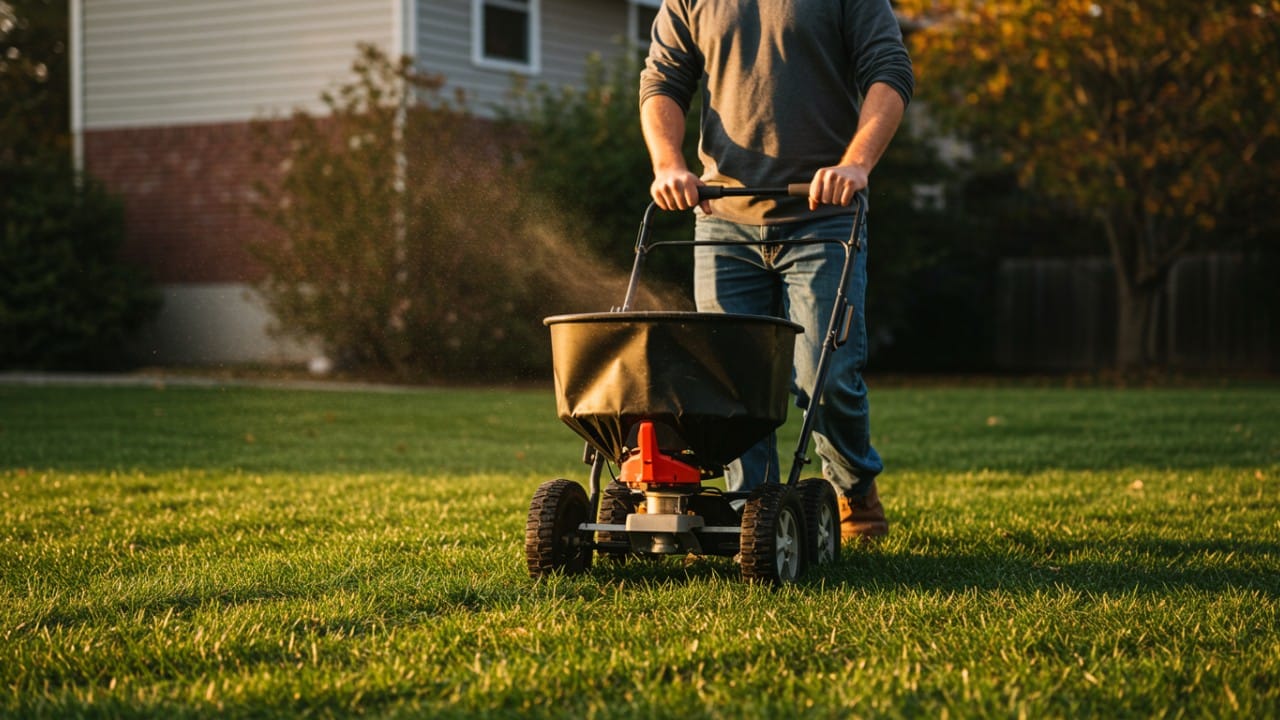
Use a spreader for big lawns. Use a hand spreader for small spots. Spread half the seed one way, then go over it again the other way. This helps seeds cover the lawn evenly and stops bare spots.
Step 5: Water for Germination and Maintenance
Seeds need water to grow, especially in the first 10-14 days. Too little water will dry them out. Too much water can make them rot. Tools like the Aiper IrriSense 2 can check the soil for moisture. This makes sure the seeds get the right amount of water every time.
Common Mistakes to Avoid When Overseeding
Even experienced gardeners can fail if they make a few common errors:
Applying Weed Killer Too Soon
Never use “weed and feed” products or pre-emergent herbicides before or right after overseeding. These chemicals can kill grass seeds along with weeds.
Inconsistent Watering
Even a single missed day of watering can prevent seeds from germinating. Since new seedlings don’t have roots yet, shallow, frequent watering is necessary until they establish.
Mowing Too Early
Be patient. Wait until the new grass is about 3 to 3.5 inches tall before mowing. Cutting it too early can hurt the roots and slow growth.
Avoiding these mistakes helps your lawn grow thick and strong and stops the seeds from going to waste.
Lawn Care After Overseeding
New grass needs care to grow well. Here is an easy schedule:
- Week 1–2: Water a little every day so the soil stays wet. Don’t walk on the lawn.
- Week 3: Water less often but give more water each time. This helps roots grow deep.
- Week 4: If you didn’t use fertilizer when planting, you can add a starter fertilizer now.
- Week 5 and after: Mow the grass when it is tall enough. Always use a sharp blade so you don’t hurt the new grass.
Doing this every week helps the new grass grow strong roots and mix well with the old grass.
Conclusion
Overseeding is a great way to make a tired or patchy lawn look full and healthy again. The key is to plant at the right time, prepare the soil well, and keep the grass watered regularly. It takes a few weekends to do, but the result is worth it: a thick, green lawn that stays strong, fights weeds, and handles dry weather better. Following these steps can help any yard become healthy and beautiful for years.
FAQ
Can I throw grass seed down without aerating?
You can, but it’s less effective. Seeds need soil contact to germinate, and without aeration or raking, they may sit on thatch and fail to sprout.
How long does it take for overseeding to work?
It depends on the seed type. Ryegrass germinates quickly in 5-7 days, while bluegrass can take 3-4 weeks to appear.
Should I cover grass seed after overseeding?
A thin layer of peat moss, topsoil, or straw helps retain moisture and protects seeds from birds. It’s not strictly necessary if you maintain proper watering, but it can improve germination success, especially in dry or windy conditions.