
How to Treat Brown Patch Fungus: A Step-by-Step Recovery Guide

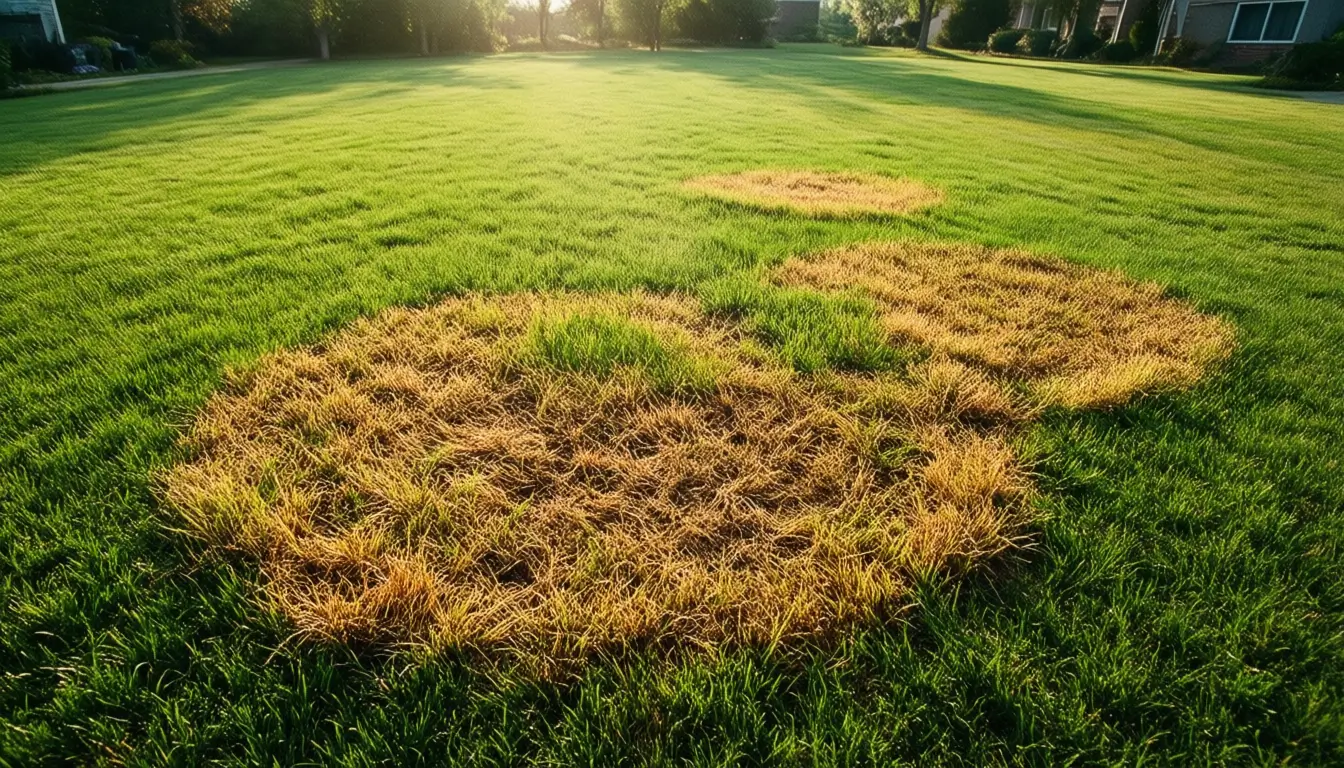
Oh no, not again. Those brown circles are showing up on your lawn. You water, you mow, you try to ignore them, but they just keep spreading. With hot, humid weather, it only seems to get worse, and suddenly your once-green grass looks patchy and tired.
If this sounds familiar, you’re probably dealing with brown patch fungus (Rhizoctonia solani). It’s fast, sneaky, and loves heat and moisture. Trust me, you’re not alone; lots of homeowners run into this nightmare every summer.
In this guide, we’re going to cover how to treat brown patch fungus and get your lawn back in shape. I’ll show you practical steps, from spotting it early to treating it and repairing those brown spots, so your grass can bounce back.
Is It Really Brown Patch? (Quick Identification)
First things first, make sure it is actually brown patch fungus. You do not want to spray chemicals if your lawn is just thirsty or has some pet damage.
Here is what to look for:
- Smoke rings: Early morning dew often shows a grayish, smoky ring around the affected area.
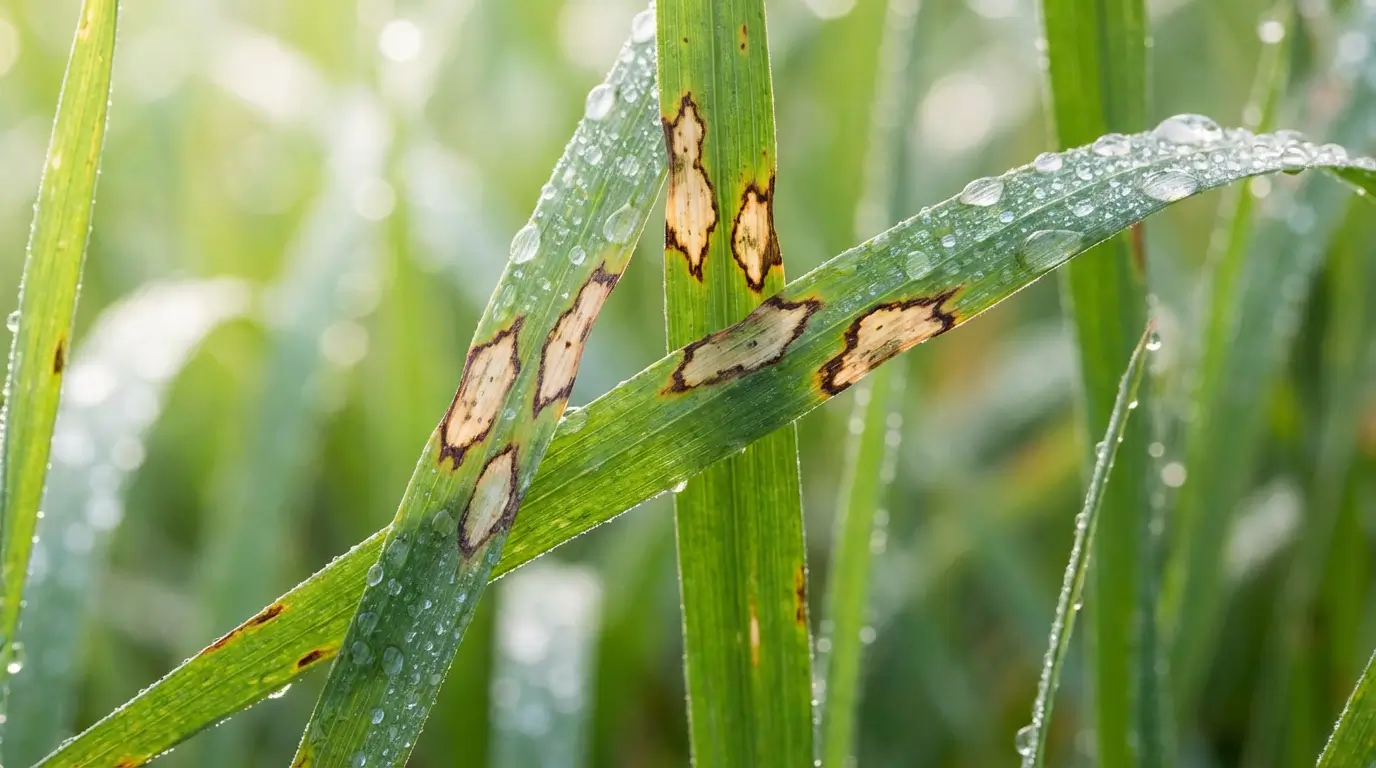
- Blade lesions: Grass blades develop irregular brown spots with a darker edge and a lighter, tan center, according to NC State Extension.
- Spreading circles: Unlike random brown spots from drought or dog urine, brown patch tends to spread quickly in circular patterns.
If your lawn matches these signs, congratulations, you found the culprit. If not, maybe just water more and keep an eye on it.
How to Treat Brown Patch Fungus (The Solution)
Dealing with brown patch is not magic. You need a two-pronged approach:
- Stop the fungus now with fungicides.
- Change how you care for your lawn so it does not come back.
Do one without the other, and you will be fighting this disease all summer.
Step 1: Fungicide Application (Chemical Control)
Sometimes cultural fixes are not enough. When the brown patch is active, a fungicide is the fastest way to stop it. Some recommended active ingredients (per Clemson HGIC) include:
- Azoxystrobin
- Propiconazole
- Pyraclostrobin
A tip: rotate fungicide types so the fungus does not get resistant. And always read the label. Too much or too little can make a difference; yes, it actually matters.
Step 2: Stop Nitrogen Fertilization Immediately
It might feel counterintuitive, but hold off on nitrogen fertilizers until the fungus is under control. Nitrogen is basically a feast for brown patch. Fast-growing, lush grass looks nice, sure, but it is like putting out a welcome mat for fungus.
Step 3: Adjust Watering Practices
Here is where most people mess up: evening watering. Grass sitting wet overnight is fungus heaven.
Instead, water early in the morning, between 6 AM and 10 AM. That way, the sun dries the leaves during the day.
Consistency is key here. Smart irrigation tools like Aiper Irrisense make it easy. Set it, forget it, and let it water at the right time. No guesswork, no accidental nighttime watering, and way less fungus stress.
Fungicide Application Schedule
| Treatment Type | Frequency | Best Time to Apply |
|---|---|---|
| Preventive | Every 14–28 days | Early morning |
| Curative | As needed | Morning or evening, if the label allows |
How to Fix Brown Spots in Grass (Recovery Phase)
Stopping the fungus is step one. Now, let us fix the damage.
- Rake lightly: Pull out dead grass to improve airflow and soil contact for new growth. Do not go crazy, just enough to prep the soil.
- Reseed carefully: Check your fungicide label. Some chemicals can prevent new seeds from germinating for a while.
- Add compost: A thin layer on bare spots improves drainage and gives new grass a nutrient boost.
With patience, your lawn will bounce back. Yes, it might take a little while, but seeing those brown patches turn green again is worth it.
How to Stop Grass from Turning Brown Again
Prevention is easier than a cure. A few smart habits go a long way in reducing the risk of grass turning brown:
- Mow high: Cutting grass too short stresses it. Taller blades help shade the soil and keep it healthy.
- Sharpen blades: Dull mower blades tear the grass, which can let fungus in.
- Aerate in fall: Hard soil holds water, which fungus loves. Aeration helps the roots get air and grow strong.
- Test your soil: Making sure pH and nutrients are balanced keeps your lawn healthy and more resistant to disease.
Pair these practices with consistent early morning watering via Aiper Irrisense, and your lawn is much less likely to fall prey to brown patch next season.
Conclusion
Brown patch fungus is annoying, but it is fixable. Quick fungicide application, stopping nitrogen, adjusting watering, and repairing damaged spots are all part of the solution.
Keep an eye out in the morning for “smoke rings” and act fast, and you can usually save most of your lawn. If more than half your yard is infected, though, it might be time to call a professional.
With smart care and maybe a little help from tools like Aiper Irrisense, your grass can bounce back and stay healthy. Trust me, the satisfaction of seeing a full green lawn again is unbeatable.
FAQs
Q: How long does it take for the brown patch to go away?
Usually, 2-3 weeks if you act fast and follow good lawn practices.
Q: Will the brown patch grass grow back?
Yes. The crowns usually survive. Recovery depends on weather and care.
Q: Can I mow my lawn if it has fungus?
Yes, but bag the clippings to avoid spreading spores. Mow infected areas last.
References:
- Clemson Cooperative Extension. (2021, February 24). Brown Patch & Large Patch Diseases of Lawns. Home & Garden Information Center (HGIC). https://hgic.clemson.edu/factsheet/brown-patch-diseases-of-lawns/
- North Carolina State University. (n.d.). Brown Patch in Turf. NC State Extension TurfFiles. https://www.turffiles.ncsu.edu/diseases-in-turf/brown-patch-in-turf/