
How to Improve Soil Water Retention with Smart Irrigation
Improve soil water retention by combining physical amendments like compost and clay with smart irrigation. This dual approach optimizes soil structure and watering precision, reducing water bills and ensuring a drought-resilient lawn.

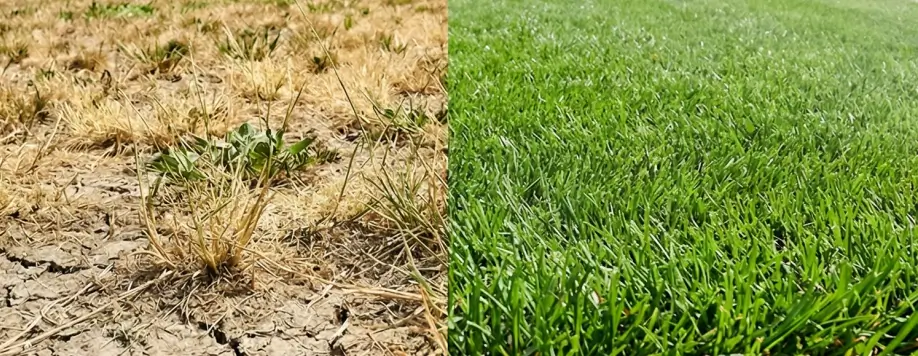
Summer water bills are running high, but the American lawns are dry and yellow. The problem may not be the lack of water, but that the soil is unable to retain it.
How well your soil retains water depends on the type of soil and irrigation practices. To achieve an optimal soil water retention, combine soil amendments with efficient irrigation. This guide will cover soil analysis, physical amendments, and modern irrigation solutions to achieve long-term success.
What is Soil Water Retention?
Water retention is an essential soil property where the soil behaves like a sponge. Some sponges are more porous, so moisture drains away easily, but other sponges are denser and retain water for much longer. Similarly, the denser the soil, the more moisture retention for plant roots.
At its simplest, soil water retention is the soil’s ability to retain moisture and prevent it from draining away. It retains water for plant roots' use over a given period of time despite the force of gravity. Without it, the plant growth is highly prone to stress, especially when there is water scarcity, as in the summer.
Moisture retention in the soil is greatly influenced by soil texture, organic matter content, and density. Therefore, it is important to understand how the soil composition and structure affect its water retention properties.
How Does Soil Texture Affect Water Retention?
Some soil types are prone to poor drainage, while some allow fast draining with poor water retention. Let’s look at how your soil’s texture affects its ability to retain water.
There are three main soil types, namely, sandy, clayey, and silty soil, based on their particle or pore size. The larger the particle size, the quicker the water drains, and as a result, low water retention. Conversely, the small pores will have more water retention, leading to potential waterlogging problems.
Here is the quick comparison table of all three soil types with their moisture retention properties.
| Sand | Clay | Silt/Loam | |
|---|---|---|---|
| Particle Properties | Large particles, well-connected pores | Small, irregular pores and high surface area | Medium-sized particles |
| Drainage Rate | Quick | Slow | Adequate |
| Water Retention | Lesser | Greater | Optimal |
Before amending the soil to improve its water retention, understand the key differences between clay and sandy soil.
Sandy soils are prone to drought stress, whereas clay soils are prone to waterlogging. The silt loam soil is considered ideal (mixture of sand and clay) with a balance between draining and retention.
5 Proven Ways to Improve Soil Water Retention
Organic amendments combined with modern technology can improve the water retention capacity of soils. Let’s get into action and use soil additives the right way.
Apply Compost and Organic Matter
Enriching the soil with organic matter through compost and manure significantly helps soil hold more water and reduces runoff. To boost the soil structure of dry or sandy soils, add well-rotted manure and peat moss. The quantitative industry rule of thumb is that increasing soil organic matter (OM) by 1% can increase water holding capacity by roughly 1 inch per acre.
Compost is the ultimate soil sponge. Layer greens (food scraps, grass, etc.) and browns (wood chips, dry leaves, etc.) in a dry, shady area. For cost-effective composting, here is how to start your own compost at home.
Use Mulch to Minimize Bare Soil
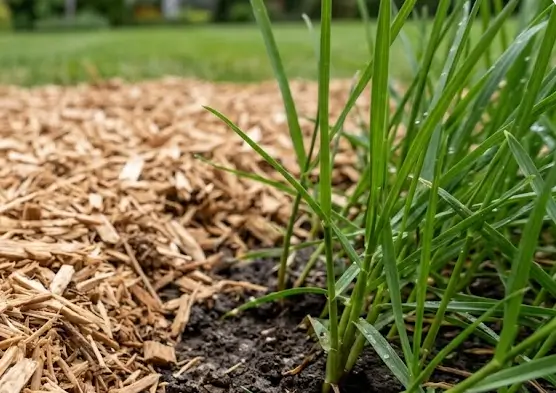
Mulching is another simple yet effective water retention-enhancing technique. The organic mulch includes wood chips, straw, bark, or leaves that decompose over time. Add a 2-4-inch thick layer of mulch, keeping it a few inches away from stems to prevent rot.
It enriches the soil as well as reduces evaporation from the soil surface by regulating temperature. Hence, mulch becomes a protective barrier, beneficial especially during hot days. Maintain mulch periodically by replacing or refreshing it as needed. The best time to apply mulch is in the spring to lock in the winter moisture before the hot summer.
Focus on Sandy Soils
Sandy soils struggle to retain water due to large particle size and permeability, becoming a formidable challenge for many homeowners. If you are also wondering how to improve water retention in your sandy soil, then try mixing in clay to fill in the gaps between sand particles.
Add just 1% of pure clay to the clean sandy soils for long-lasting water retention. It can instantly help prevent rapid drainage and increase nutrient and water retention. Soil with added clay shows increased microbial population, accumulation of organic carbon and nitrogen, and a better quality overall. However, it requires the right proportion and thorough mixing to avoid creating a compaction.
Utilize Soil Additives Correctly
Although organic matter topdressing is the best way to boost soil water retention, using commercially available soil additives also offers some gains. The effectiveness depends on the soil type.
As per the Utah State University Extension study, the sandy soils benefit more from the use of additives such as coco choir, biochar, and peat. The research found that the typical mix of biochar and soil (1:15) improved water retention in rich soils. The peat and soil mix (1:5) reduced the soil compaction, hence it is good for sandy soils. Coconut coir, a sustainable alternative to peat, improved soil structure and biological activity.
Some products also showed inconsistent or no results, so blend them in the right proportions. Follow the manufacturer’s application rates to prevent overuse.
Upgrade Your Watering Method (Smart Irrigation)
Underwatering or overwatering habits can damage even the most ideal soil type.
Some gardeners make a strict watering schedule rather than checking soil moisture. Some tend to water the leaves instead of the soil. Watering on windy days also causes more evaporation, preventing water from reaching the roots. Such poor watering habits can lead to water waste and poor soil health.
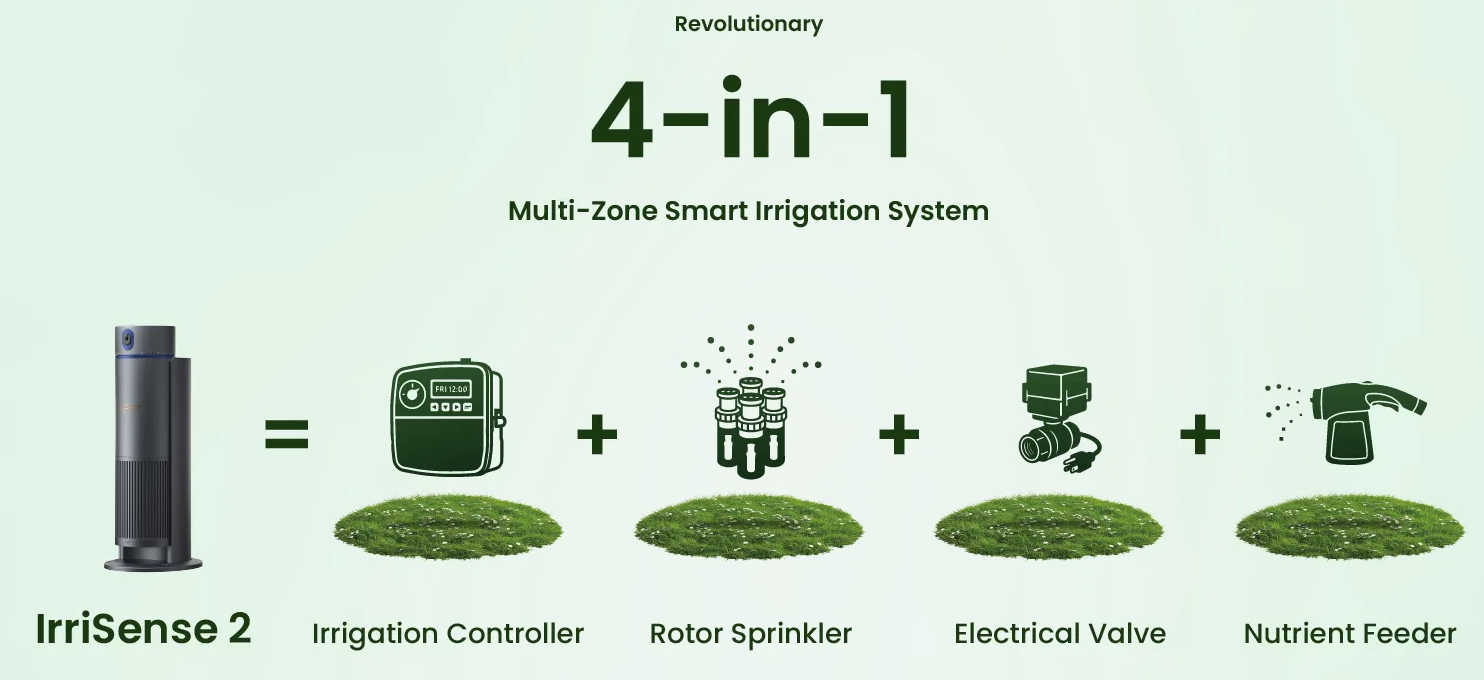
Traditional irrigation requires digging up the yard, which is a big hassle for homeowners. A modern yet cost-effective solution is the use of smart irrigation devices, such as a sprinkler system. Aiper IrriSense 2 is a 4-in-1 smart irrigation system comprising a controller, sprinkler, doser, and valve. It exhibits weather-based scheduling and map-based precision watering, thus conserving water without compromising soil health.
Common Mistakes in Moisture Retention
One of the common mistakes in moisture retention is overwatering. Negate this concept of “the more water you pour, the healthier the growth will be”. In fact, excessive watering can lead to a shallow root system and root rot. Waterlogging basically cuts off the oxygen, leading to the root system's decay, which cannot breathe or absorb water. Mold growth also starts to appear.
Inefficient watering practices are the major reason behind high water bills in the summer. The massive amount of household water is wasted outdoors, leading to unsustainable irrigation. To identify saturated soil, check whether the soil smells or the plant has soft roots. Let the soil dry and stop fertilizing it until it recovers.
Moreover, avoid over-tilling or leaving the soil bare to prevent runoff. Do not treat the sandy and clay soils the same way. As weeds compete with plants for moisture, don’t forget to remove them. Lastly, avoid using additives with improper ratios to maximize soil water retention.
Summary & Actionable Steps
By harnessing the power of soil water retention, homeowners can conserve resources and achieve sustainable lawn care success. Soil type, irrigation schedule, and weather all affect the amount of water retained by the soil. To improve moisture retention, add soil amendments such as coco peat, mix in organic matter like compost, or use mulch. The golden formula is to amend the soil physically while irrigating the soil smartly using a smart sprinkler system for precise watering. Test your soil before adding additives or buying equipment.
FAQs
Why is retaining water in the soil so important for lawns?
Retaining water in the soil is critical for promoting plant growth and maintaining steady nutrient uptake by roots while conserving water. It is an important property of the soil that makes the lawns drought resilient with improved nutrient composition.
Can smart irrigation completely replace soil amendments?
No, it’s a complement. Soil amendments improve the soil’s water-holding capabilities. Good soil balances water drainage and retention. The smart irrigation system gives the precise amount of water needed.
What are the signs of poor moisture retention?
The signs include water accumulating on the soil's surface (hydrophobic soil), drying out too quickly, and crumbling easily. The plants appear yellow and wilted even after regular watering. It is due to poor nutrient uptake and a lack of organic matter.