
Mulching Leaves vs. Raking: The Best Choice for Your Lawn
Mulching leaves recycles nutrients and saves time, while raking is essential for heavy leaf piles. Use both strategically and pair with smart irrigation like Aiper for a healthy, fungus-free lawn that bounces back stronger in the spring.

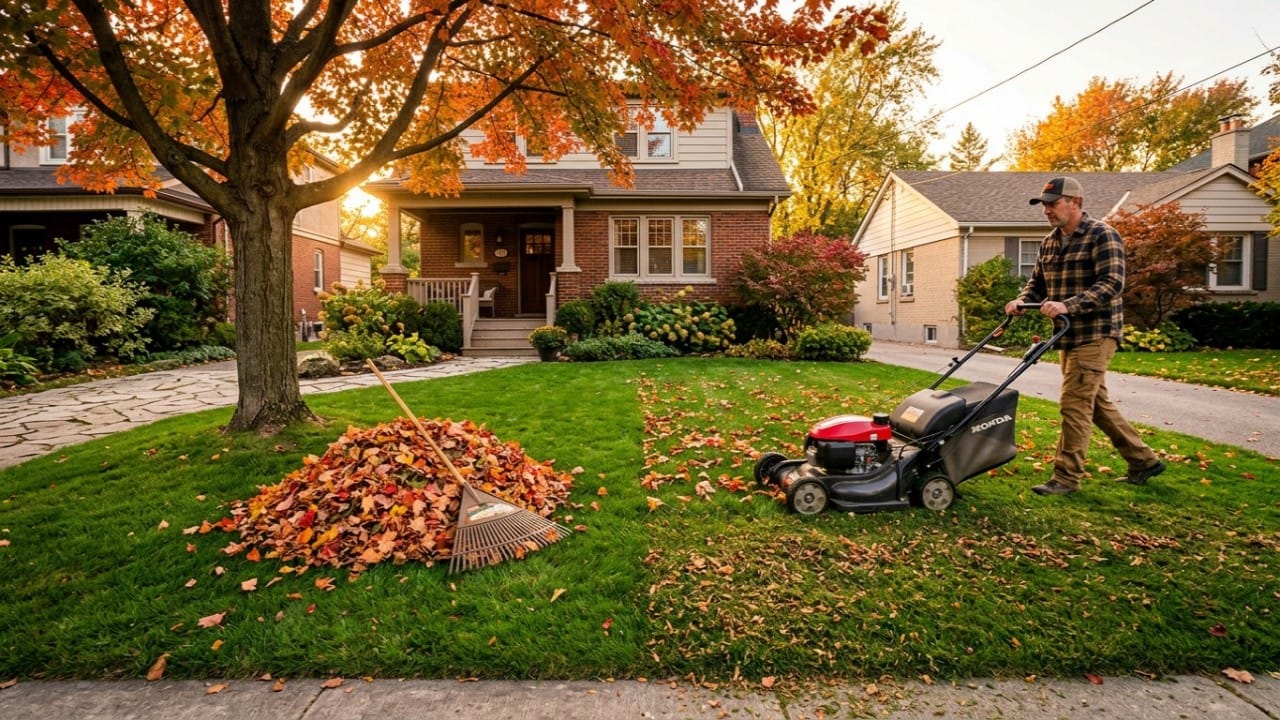
Every fall, the same question returns with the falling leaves. Do you grab a rake and start bagging, or run the mower and let nature recycle itself?
For many homeowners, this annual chore feels overwhelming. A yard covered in red, yellow, and brown quickly turns into a heavy, soggy blanket.
The debate around mulching leaves vs. raking often comes down to time, effort, and lawn health. This guide breaks down the science behind both methods, the real labor involved, and how to choose the right approach for your specific yard.
By understanding the pros and cons of each method, you can make an informed decision that saves effort, improves soil, and keeps your lawn healthy throughout the fall and into spring.
Why You Can't Just Leave Fallen Leaves on Your Lawn
It may seem harmless to leave leaves where they fall. After all, forests manage just fine without rakes.
Your lawn is different.
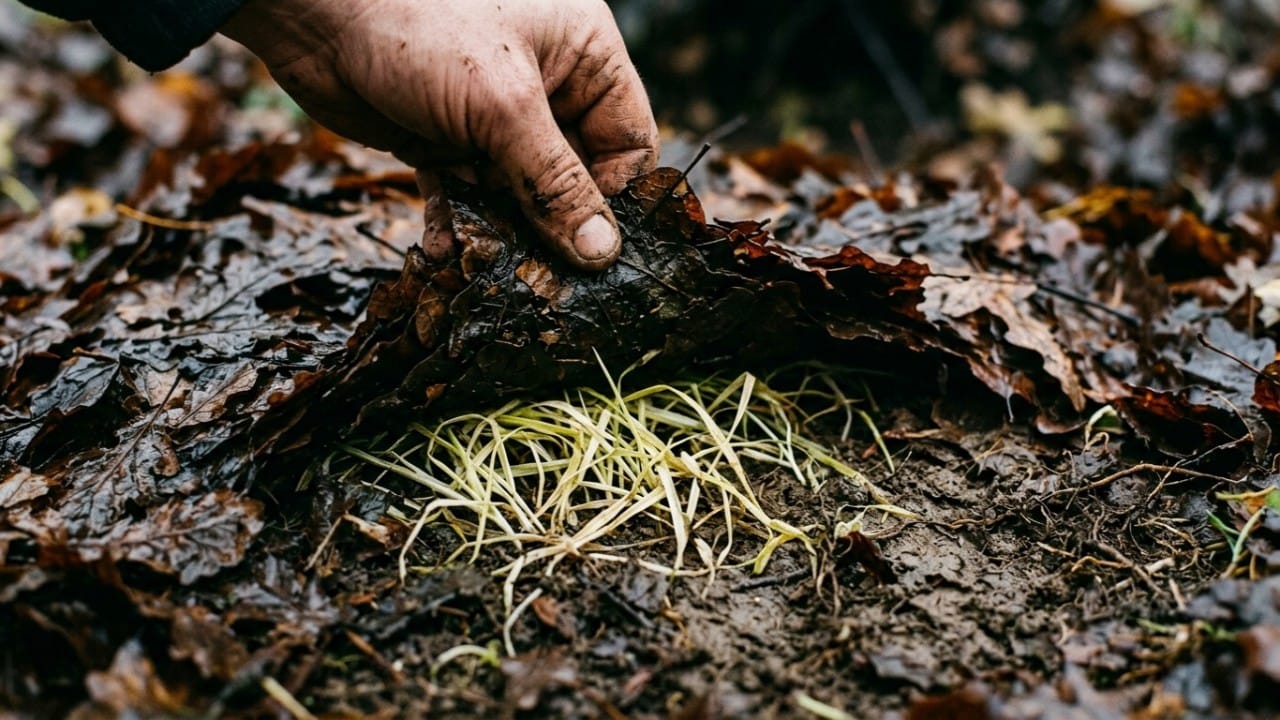
A thick layer of wet leaves blocks sunlight from reaching grass blades. Without sunlight, photosynthesis slows down. Grass weakens, yellows, and eventually dies. Even a light covering over time can stress the grass, especially cool-season grasses that remain active during fall.
Leaves might look harmless, but when they pile up, air can’t move, and moisture gets trapped. That’s perfect for fungus like snow mold, which can damage grass roots and crowns.
If too many leaves sit too long, you might see:
- Thin or bare patches of grass
- Weeds taking over
- Compacted, oxygen-starved soil
- Costly repairs
Even though leaves are natural, too many on a suburban lawn can block sunlight and slow growth. Regular raking or mulching keeps grass healthy and strong.
If you want to understand the deep science behind lawn suffocation and snow mold, read our complete guide on why people rake and pick up leaves in the fall.
Mulching Leaves vs. Raking: A Direct Comparison
When comparing mulch vs rake leaves, the decision often depends on lawn size, leaf volume, and available time.
Here is a quick breakdown:
| Comparison Factor | Traditional Leaf Removal | Mulching Leaves In Place |
|---|---|---|
| Effort Level | High and labor-intensive | Low and quick |
| Lawn Health Impact | Removes debris but takes away potential nutrients | Feeds soil with nitrogen and organic matter |
| Best Scenario | Deep, heavy leaf piles over 2 inches thick | Light to moderate leaf coverage where grass is still visible |
Raking provides a clean look. It removes all debris but also removes organic material that could improve soil health. It is also preferred if you want leaves for composting or for decorative purposes in garden beds.
Mulching chops leaves into fine particles. These flakes decompose and return nutrients to the soil. Over time, mulching can improve soil structure, increase organic matter, and reduce the need for chemical fertilizers.
For lawns with lighter leaf coverage, mulching may even be faster than raking and bagging combined.
In reality, you do not always have to choose one method exclusively. Many homeowners combine both, especially when leaf layers vary across the yard. For example, rake heavy piles into compost, then mulch the remaining thin layer to enrich the grass.
The Environmental Benefits of Mulching Your Yard
From an environmental standpoint, mulching has a clear advantage.
Bagged leaves often end up in landfills. As they decompose without oxygen, they release methane, a potent greenhouse gas. Even small piles across a neighborhood can add up to a significant environmental impact each year.
According to the Environmental Protection Agency, guidelines on yard waste encourage homeowners to compost or mulch leaves instead of sending them to landfills.
The agency explains that leaving grass clippings and shredded leaves on your lawn:
- Reduces landfill waste
- Acts as a natural soil conditioner
- Helps soil retain moisture during dry spells
- Reduces the need for synthetic fertilizers
- Supports beneficial soil organisms like earthworms and microbes
When you mulch instead of raking every day, you’re not just saving time, you’re also helping the environment. Even a small lawn can make a real difference by keeping leaves out of landfills and improving soil health.
How to Succeed at Mulching Leaves vs. Raking: A Step-by-Step Guide
If you decide mulching is right for your yard, the process must be done correctly. Poor technique can damage grass instead of helping it.
Follow these five essential steps.
Step 1: Check How Thick the Leaves Are
Take a look at your lawn. If the leaves are really thick, covering about a third of your grass or stacking up more than two inches, start by raking off the heavy layer. Then you can mulch the lighter layer left behind.
Trying to mulch a super thick pile all at once can smother your grass and slow decomposition. Keeping an eye on leaf buildup throughout the season makes the job much easier.
Step 2: Get Your Mower Ready
A regular side-discharge blade usually won’t chop leaves finely enough. You’ll want a mulching blade instead. These blades keep leaves moving under the deck and slice them into tiny, dime-sized pieces that break down faster.
If your yard has different kinds of trees, like oak or maple, a mulching blade can handle the mix without leaving big chunks behind.
Step 3: Pick a Dry Day
You’ll want to mulch only when the leaves are dry. Wet leaves stick together, clog your mower, and end up smothering the grass. A crisp, sunny afternoon is perfect; dry leaves shred much better and spread evenly.
Step 4: Try a Grid Pattern
Set your mower to the highest setting. Start by mowing in one direction, then go back across the yard at a right angle. This crisscross method helps shred the leaves evenly. For thicker areas, a second pass might be needed. The goal is to leave just a thin layer so the grass can peek through, letting air and sunlight reach the blades.
Step 5: Hydrate the Mulch to Speed Up Breakdown
Shredded leaves need balanced moisture to decompose properly.
Too dry, and decomposition slows. Too wet, and fungus may develop. Maintaining the right moisture level can be tricky in the fall when temperatures fluctuate, and rainfall is unpredictable.
If you want to make sure your mulched leaves break down just right, a smart watering system can help. The Aiper IrriSense 2 is a handy all-in-one setup; it handles watering, sprinkling, and even adding treatments without needing complicated underground pipes.

It adjusts watering based on the weather, keeps pressure steady, and spreads water evenly across your lawn. You can control everything from an app, which means you won’t overwater or waste water.
With just the right amount of moisture, your shredded leaves turn into nutrient-rich soil faster, giving your lawn a healthy boost before winter.
Combining this kind of smart hydration with proper raking or mulching makes your fall lawn care much easier. A little planning and the right tools can really pay off in spring.
Summary: Building Your Autumn Lawn Care Strategy
Most of the time, mulching is the way to go. It’s faster, adds nutrients back into the soil, and keeps your grass healthy. But don’t toss the rake aside completely; if leaves are piled high, you’ll still need to clear them first.
A simple approach works best: rake the heavy spots, mulch the rest, and make sure your lawn gets just the right amount of water. Using a smart system like the Aiper IrriSense 2 makes mowing or raking easier.
With a little planning and care, you can set your lawn up to come through winter looking strong and green, ready for spring growth.
Frequently Asked Questions (FAQ)
Should I rake leaves before it rains?
Yes, if you plan to bag them. Wet leaves become heavy and harder to handle. If you are mulching, wait until after rainfall dries before mowing.
Will mulching leaves make my soil too acidic?
No. Shredded leaves from oak, maple, and other common trees have a negligible effect on soil pH once fully decomposed. Adding a balanced mulch layer improves soil health without altering acidity significantly.
Can I use a regular mower to mulch leaves?
You can try, but it may require multiple passes. A specialized mulching blade is strongly recommended for finer particles and faster breakdown. Using a standard blade may leave clumps and slow the decomposition process.