
The Ultimate Guide on How to Detox from Pesticides Safely (Body & Lawn)
Detox from lawn chemicals by boosting liver enzymes with cruciferous veggies, sweating toxins out via saunas, and upgrading to smart irrigation to stop pesticide use at the source.

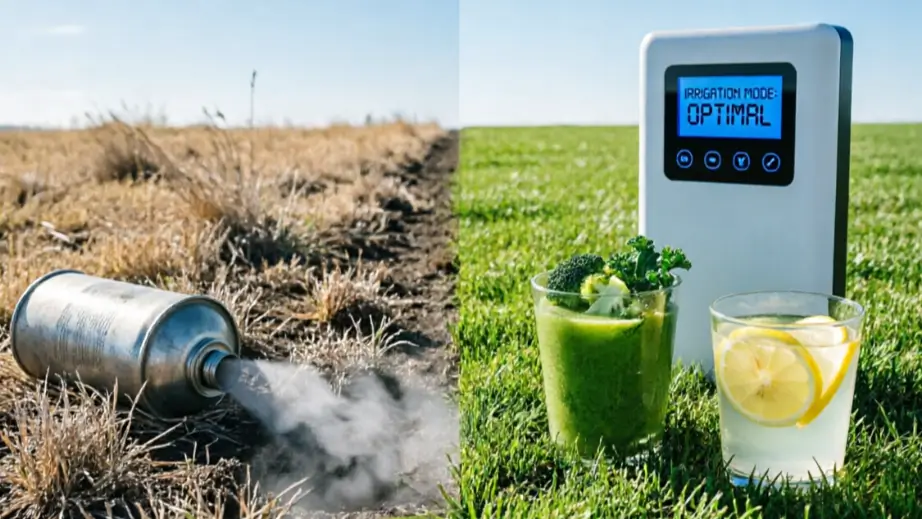
A perfectly manicured, emerald-green lawn has always been a point of pride. We spend our weekends pulling weeds, planting flower beds, and trying to keep our outdoor spaces looking sharp. But there's a hidden reality behind that lush greenery. Modern landscaping leans heavily—sometimes too heavily—on synthetic weed killers and bug repellents.
If you've recently spent a Saturday spraying your yard, you're probably wondering how to detox from pesticides effectively. You aren't alone. It's becoming a major health priority for families who want a cleaner, safer lifestyle without giving up their backyard oasis.
The hard truth? We absorb these chemicals from more than just unwashed grocery store produce. They come right from our own properties. Every time you manually spray the lawn, invisible droplets drift through the air. They settle on your skin, your clothes, and even the patio furniture where you relax with your morning coffee.
So, how do we fix it? Instead of offering up a fad juice cleanse, we're going to break down the actual science of chemical buildup. We'll look at proven ways to help your body naturally flush out toxins, share expert secrets for cleaning up contaminated dirt, and explore the smart home tech that stops exposure from happening in the first place.
The Invisible Threat: How Pesticide Buildup Happens
Before you go out and buy a 10-day detox tea, let's talk about how synthetic chemicals actually get into your system. You can't fight a problem you don't understand.
Routes of Exposure in Your Backyard
Exposure doesn't just happen at the dinner table; it happens in the driveway. When you use a traditional manual sprayer to apply weed killer, you're opening yourself up to dermal (skin) absorption and inhalation. A tiny gust of wind is all it takes to send microscopic particles straight into your lungs.
Over the years, repeated exposure to common yard chemicals like organophosphates and herbicides can lead to a steady buildup in your fat cells. The result? You might feel constantly fatigued, sluggish, or deal with unexplained, lingering headaches.
How Your Body Naturally Fights Back
Your body isn't defenseless, though. You actually have a highly sophisticated internal filtration system already running.
According to a massive, peer-reviewed study published by the National Institutes of Health (NIH) regarding enzymatic detoxification, your body relies heavily on specific liver enzymes. These enzymes naturally break down and metabolize toxic stuff like organophosphorus compounds.
Basically, your liver is already doing the heavy lifting. The real secret to flushing this stuff out isn't a magic pill. It's simply giving your liver the exact nutritional fuel it needs to do its job better and faster.
Proven Methods to Detoxify Your Body From Pesticides
When your organs are bogged down by environmental junk, they need a hand. Here are the most effective, science-backed strategies to accelerate your body's natural clearing process.
Dietary Adjustments for Glyphosate Detoxification
What's on your plate directly impacts how well your liver produces those vital detoxifying enzymes. If you want to support robust glyphosate detoxification, you need to load up on antioxidants, fiber, and specific amino acids.
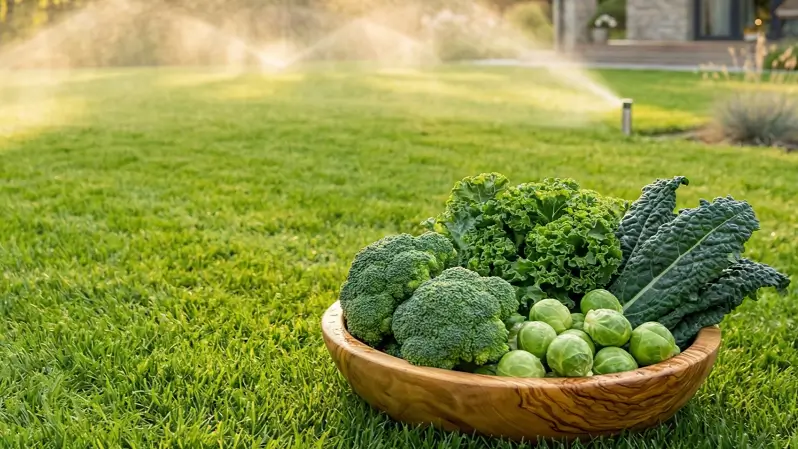
Think cruciferous vegetables: broccoli, Brussels sprouts, and kale. They contain sulforaphane, a compound practically tailor-made to kickstart liver enzymes. Add in high-fiber foods to trap toxins in your digestive tract so they actually leave your body instead of just recirculating into your bloodstream.
Visual Guide: Dietary Choices for a Cleaner System
| Food Category | Eat More Of (Supports Detox) | Avoid/Limit (Hinders Detox) |
|---|---|---|
| Vegetables | Broccoli, cabbage, garlic, onions (high sulfur content) | Conventionally grown "Dirty Dozen" (like strawberries, spinach) |
| Proteins | Organic eggs, wild-caught fish, Brazil nuts | Heavily processed meats, conventionally raised beef |
| Beverages | Green tea, filtered lemon water, dandelion root tea | High-sugar sodas, excessive alcohol (which heavily stresses the liver) |
| Supplements | Milk thistle, activated charcoal (always consult a doctor first) | Sugary "detox" juices that lack actual dietary fiber |
Boost Elimination Through Sweat and Hydration
Your skin is your biggest organ, making a good sweat session one of the absolute fastest ways to ditch chemical residue.
- Hit the Sauna: Whether you prefer a traditional steam room or an infrared setup, saunas force heavy metals and pesticide residues right out of your fat cells. Aim for 15 to 20 minutes a few times a week. Pro tip: Always shower immediately after so your skin doesn't just reabsorb the toxins you just sweat out.
- Hydration is Non-Negotiable: You can't flush a system without enough water. Chugging plenty of filtered water all day gives your kidneys the fluid they need to filter water-soluble toxins into your urine.
- Epsom Salt Baths: Try soaking in a warm bath with Epsom salts. The magnesium sulfate helps pull impurities through the skin. Plus, it feels amazing on sore, tired muscles after a long day of doing yard work.

Detoxing Your Environment: How to Rid Soil of Chemical Residue
It makes zero sense to optimize your diet if you're just going to track chemical residue into the kitchen every time you walk across the grass. To really protect your house, you have to look at the dirt.
Enter phytoremediation—the brilliant science of using living plants to literally clean contaminated soil.
The Power of Plant Absorbers
Permaculture experts and hardcore organic gardeners have been doing this for years. They use specific plants and fungi to suck up heavy metals and break down the harsh compounds left over from years of using synthetic fertilizers.
- Sunflowers: They look pretty, but sunflowers are actually renowned "hyperaccumulators." Their incredibly deep taproots act like natural vacuums, pulling heavy metals upward out of the earth.
- Oyster Mushrooms: Don't ignore fungi. Studies show that certain white rot fungi, like Oyster mushrooms, release powerful enzymes into the dirt. These enzymes can actually shatter complex, toxic pesticide molecules into harmless basic elements.

Crucial Warning: Do Not Compost Detox Plants!
Here's a massive mistake a lot of well-meaning homeowners make. You absolutely cannot treat these "cleaning plants" like regular yard waste.
If you plant sunflowers to pull toxins out of the ground, those chemicals don't just vanish. They get stored straight into the plant's stems, leaves, and petals. If you chop those sunflowers down at the end of the season and throw them into your compost bin, you're just dumping all those concentrated toxins right back into your yard's ecosystem.
Once these specific plants finish their life cycle, bag them up and send them to the landfill. Treat their biomass like the hazardous waste it has technically become.
The Ultimate Detox: Stop Pesticide Use at the Source
Cleaning out your body takes time, and using sunflowers to heal your soil can take years. When it comes to managing your home, the old cliché totally holds up: an ounce of prevention is worth a pound of cure.
The absolute best strategy for dealing with yard toxins? Stop exposing yourself to them. Manual chemical sprayers are sloppy, inaccurate, and easily the biggest risk for accidental skin contact and breathing in fumes.
Instead of fighting a never-ending, toxic war against weeds and pests, people are wising up. They're shifting their focus to cultivating naturally resilient lawns using smart home tech. A thick, healthy lawn naturally chokes out weeds and fights off pests, which is the foundational secret to managing invasive weeds without relying on harsh chemicals, drastically dropping your need to grab a bottle of poison.
Upgrading Your Yard with Smart Technology
Just like smart thermostats changed how we heat our homes, smart irrigation is completely flipping the script on outdoor care. A perfect example of this technological leap is the Aiper IrriSense 2. It's a completely reimagined 4-in-1 Smart Irrigation System.
Old-school lawn care means juggling leaky hoses, separate chemical sprayers, and those confusing plastic timers. The Aiper IrriSense 2 changes the whole dynamic by seamlessly combining a smart controller, a sprinkler, a chemical sprayer, and a water valve into a single, sleek unit.
Why this matters for a chemical-free lifestyle:
- Drastically Simplified Maintenance: You don't have to deal with tearing up your yard for an expensive, complicated underground setup—a massive relief for anyone looking into setting up a reliable sprinkler system without digging trenches. This all-in-one approach lowers the learning curve to near zero. By automating the watering and any necessary treatments, it keeps you safely out of the crossfire, cutting your physical exposure down immensely.
- Intelligent Water Conservation: The real secret to a lawn without weeds isn't poison—it's precision watering. The IrriSense 2 uses integrated precision map irrigation and weather-intelligent scheduling. By tweaking its output based on your local forecast, it hits up to 40% water conservation. And it manages to do that without compromising lawn health.
- Flawless, Uniform Coverage: Water pressure spikes are annoying, but thanks to TÜV-certified pressure stabilization and proprietary EvenRain™ uniform irrigation technology, this device guarantees a steady, on-demand supply. It stays stable and never accidentally sprays outside your designated map parameters.
When your grass gets exactly the hydration it needs at exactly the right time, the roots grow deep and strong. That creates a biological fortress against lawn diseases and invasive weeds. You get to enjoy a lush yard, and you don't need to rely on synthetic toxins to keep it that way.
The Bottom Line & Next Steps
Living a cleaner lifestyle doesn't mean you have to let your outdoor spaces go wild. Once you understand how your liver's enzymes work, you can tweak your diet to flush out lingering residues. And by planting a few hyperaccumulating flowers, you can slowly, safely heal your soil.
But the biggest, most immediate change you can make today is upgrading your gear. By leaning on automated, precision irrigation systems, you can break the cycle of chemical reliance right at the source.
Next time you're in the garage, take a hard look at those aging manual sprayers and harsh chemical bottles on the shelf. Maybe it's time to safely toss them out and take the first real step toward a detoxified home environment.
FAQ About Detoxing Pesticides
How long does it take to detox pesticides from the body?
It really depends on your exposure levels and personal metabolism. Water-soluble chemicals flush out through urine and sweat in a matter of days. Fat-soluble toxins, however, hide deep in adipose tissue. Those might take a few weeks or even months of solid diet changes and sauna sessions to completely clear out.
Can drinking water help with glyphosate detoxification?
Yes, 100%. Water isn't going to neutralize the chemicals by itself, but staying heavily hydrated is non-negotiable. Your kidneys absolutely need that fluid to flush out the toxins your liver just finished metabolizing. Shoot for 8 to 10 glasses of filtered water a day when you're focusing on detoxing.
Do I need to buy expensive detox supplements to clean my system?
Nope. While some supplements like milk thistle are great for liver support, the best strategy is actually pretty simple. Eat whole foods (think lots of fiber and cruciferous veggies), drink tons of water, sweat it out, and—most importantly—stop spraying chemicals in your backyard.