
Soil pH and Plant Health: How Acidity Affects Nutrient Availability

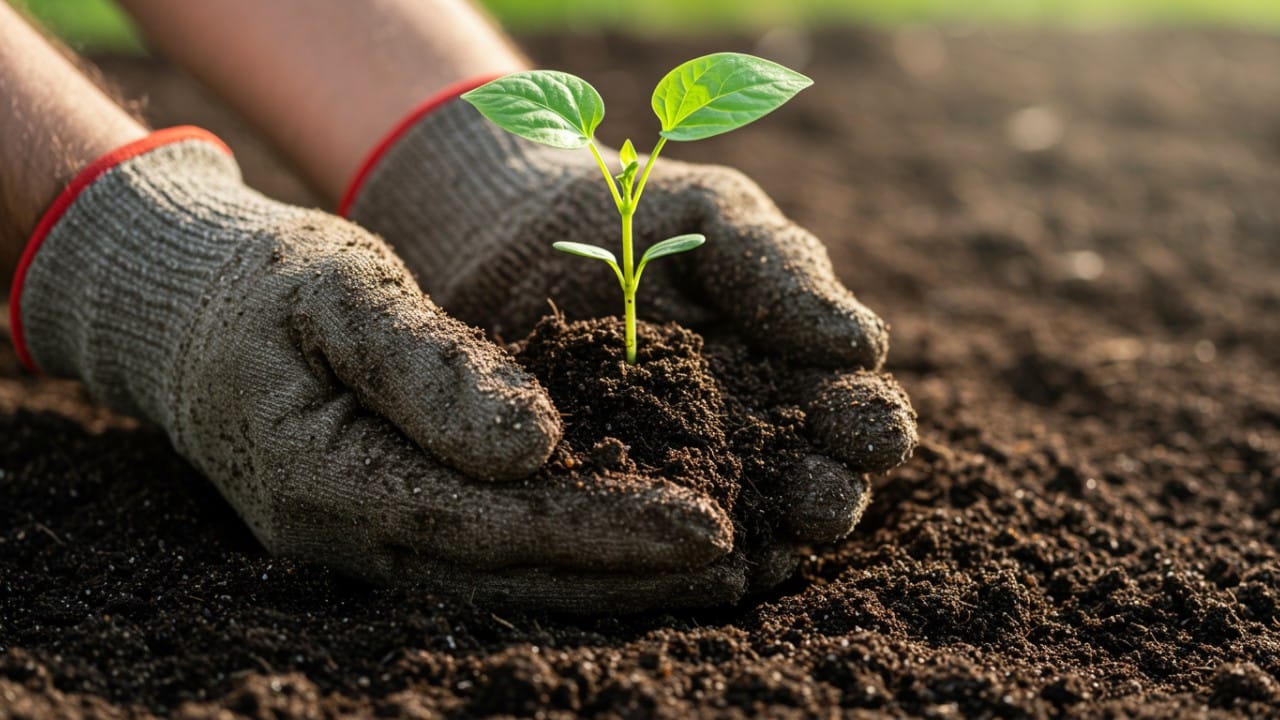
You’ve done everything right. You bought the premium fertilizer. You watered on a strict schedule. Yet, your tomato plants look tired, and your lawn is patchy.
It’s incredibly frustrating.
But here is the truth: the problem likely isn't in your fertilizer bag. It’s hiding deep in the chemistry of your soil. If that chemical balance is off, your plants are essentially starving in the middle of a buffet. So, how does soil pH affect plant health and nutrient availability?
Think of soil pH as the gatekeeper. It decides whether the nutrients you add actually dissolve and enter the plant's roots, or if they stay locked away in the dirt, completely useless. Even the richest soil fails if the pH slams the door on nutrient absorption.
This guide breaks down the science—skipping the boring textbook jargon—and uses USDA and university standards to help you fix your garden from the ground up.
What Is Soil pH? (The Basics)
At its core, soil pH is just a measure of acidity or alkalinity. Scientists map this on a scale from 0 to 14:
- pH 7.0: Neutral (The middle ground)
- Below 7.0: Acidic (Sour)
- Above 7.0: Alkaline (Sweet)
It might just look like a number, but small shifts here represent massive chemical changes underground. According to the USDA Natural Resources Conservation Service, most plants are picky eaters—they thrive only when soil pH hovers between 6.0 and 7.5.
In this "sweet spot," nutrients dissolve in water easily, serving themselves up to plant roots on a silver platter. Drift too far outside this range, however, and the soil chemistry flips. It starts trapping nutrients or, worse, releasing toxic elements like aluminum. Geography plays a role, too; rainy regions often battle acidic soil, while dry, arid climates usually deal with alkalinity.
The Science: How pH Impacts Nutrient Availability
To really grasp how soil pH affects plant health and nutrient availability, imagine nutrients are keys, and pH is the lock.
If the pH is too high or too low, the shape of the "key" changes. Suddenly, it doesn't fit the lock anymore. This is what experts call "Nutrient Lockout." The nutrients are sitting right there in the dirt, but your plants can't access them.
Acidic Soil Problems (Below pH 5.5)
When your soil turns too sour (acidic), things get messy:
- The Blockage: Vital macronutrients like Nitrogen, Phosphorus, and Potassium (N-P-K) get tied up.
- The Poison: Conversely, Aluminum and Manganese become dangerously soluble. They turn into a toxic soup that can literally burn plant roots.
- The Life Support: Beneficial bacteria—the good guys that break down compost—start to die off.
Plants in these conditions often look pathetic: stunted growth, weird purple stems, or dark, lifeless leaves. Their roots stop spreading, limiting how much water they can drink.
Alkaline Soil Problems (Above pH 7.5)
In alkaline (sweet) soils, the script flips:
- The Lockout: Trace elements like Iron, Manganese, and Zinc turn solid. They become like rocks that roots can't absorb.
- The Look: This triggers "Chlorosis"—a fancy word for leaves turning yellow while their veins stay green.
Research from Cornell University Cooperative Extension points out a crucial fact: iron deficiency is almost always a pH problem, not a lack of iron. You can dump gallons of iron supplement on the soil, but if the pH is high, it won't help. This is why fixing the pH is smarter—and cheaper—than just adding more fertilizer.
Quick Guide: Nutrient Availability Chart
Here is a cheat sheet on how pH levels dictate your garden's diet:
|
pH Range |
Classification |
What Happens to Nutrients? |
Common Symptoms |
|---|---|---|---|
|
4.5 – 5.5 |
Strongly Acidic |
N, P, K get locked out; Aluminum turns toxic. |
Stunted growth, dark/purplish leaves, weak roots. |
|
6.0 – 7.0 |
Optimal |
The Buffet is Open: Max nutrient availability. |
Healthy green color, vigorous growth. |
|
7.5 – 8.5 |
Alkaline |
Iron, Manganese, and Zinc become unavailable. |
Yellow leaves (Chlorosis) with green veins. |
Use this chart before you rush out to buy expensive plant food. The answer might just be lime or sulfur.
Signs Your Soil pH Is Unbalanced
Your plants are constantly communicating with you. You just need to learn their language to understand the link between soil pH and plant health.
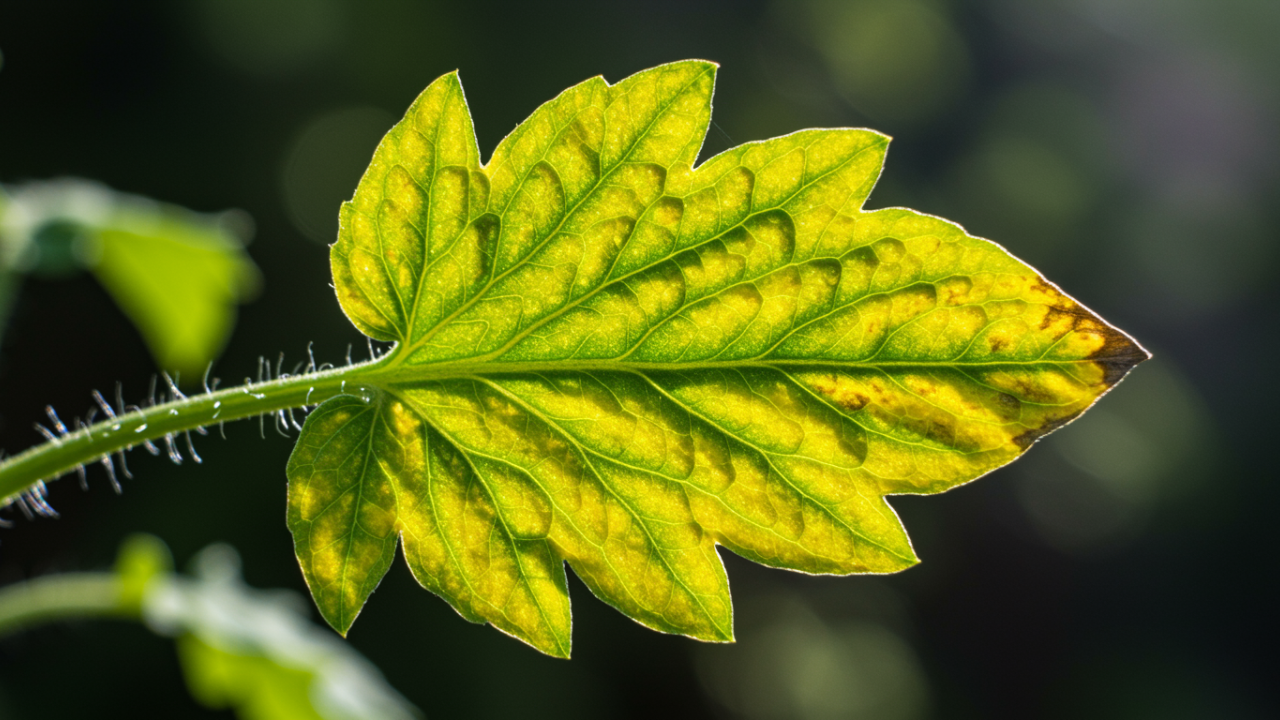
1. Yellowing Leaves (Chlorosis)
This is the classic "red flag" for Iron deficiency, usually caused by alkaline soil. Look closely at new growth: if the leaves are turning yellow but the veins remain a distinct green, your pH is likely too high.
2. Purple or Reddish Leaves
This often screams Phosphorus deficiency. In acidic soil, phosphorus binds tightly with iron and aluminum, becoming unusable. Your plants will look stressed, with purple discoloration and delayed flowering.
3. Stunted Growth
If roots are fighting toxic aluminum levels (in acidic soil) or starving for basics (in alkaline soil), the plant simply goes on strike. Growth stops. Stems look spindly. No amount of water seems to perk them up.
How to Correct Soil pH (Safely)
Fixing soil isn't like fixing a leaky pipe; it takes patience. The Clemson Cooperative Extension explicitly warns against rushing this process. Drastic chemical changes can shock plant roots and ruin soil structure.
Step 1: Test, Don't Guess
Seriously, put down the lime bag until you know your numbers. Use a home test kit or send a sample to your local extension office. You need a baseline.
Step 2: Raising Soil pH (For Acidic Soil)
Soil too sour? Sweeten it with Lime (Calcium Carbonate).
- Broadcast it evenly over the surface.
- Water it in well.
- Heads up: Lime is slow. It’s a marathon, not a sprint—expect to wait a few months for the full effect.
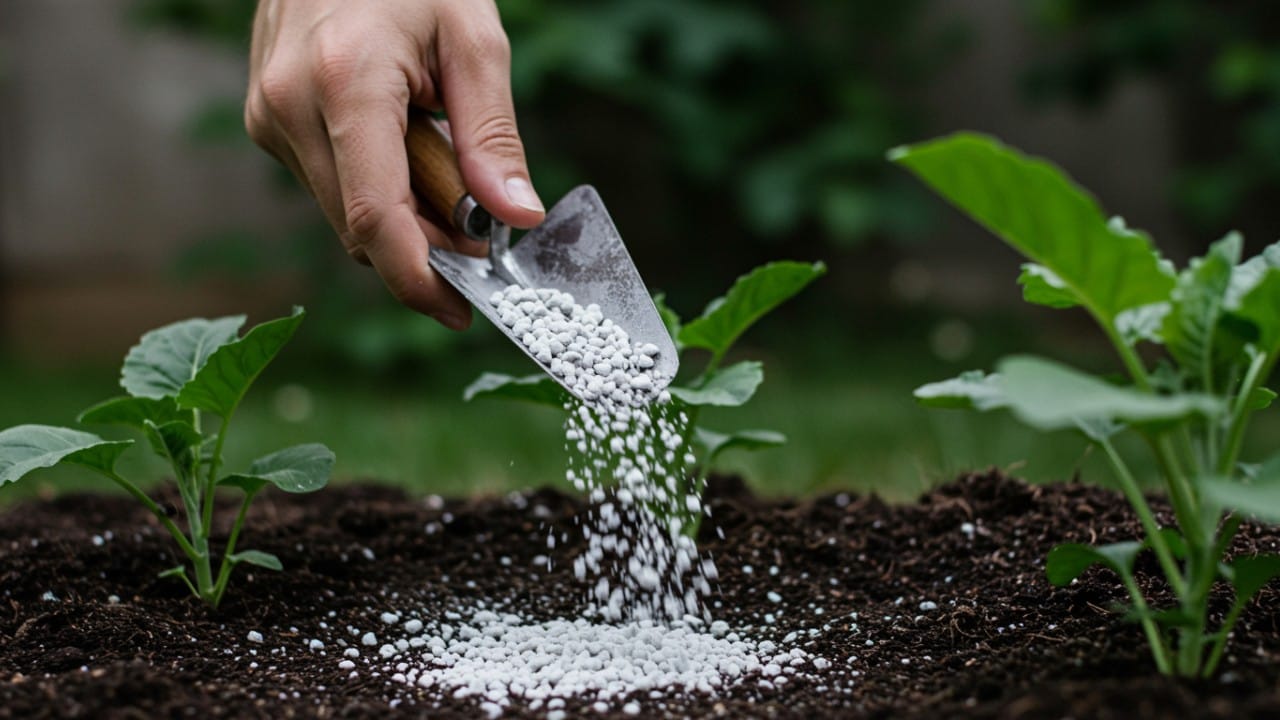
Step 3: Lowering Soil pH (For Alkaline Soil)
Soil too sweet? Add Elemental Sulfur or Aluminum Sulfate.
- Elemental sulfur is the safer bet; it works biologically over time.
- Aluminum sulfate is faster but riskier—overdo it, and you create toxicity issues.
Conclusion
Soil pH is the invisible foundation of your entire garden. It controls everything: nutrient availability, root health, and whether your plants survive or thrive.
If you ignore pH, you are likely flushing money down the drain on fertilizers your plants can't even touch. Understanding how soil pH affects plant health and nutrient availability gives you the power to solve problems at their source. Test your soil, aim for that USDA-recommended 6.0–7.5 range, and watch your garden come back to life.
Frequently Asked Questions (FAQ)
How long does it take for lime to adjust soil pH?
It’s not magic. Lime typically needs 2 to 3 months to fully react with the soil, depending on moisture levels and soil type.
Can I use baking soda to raise soil pH?
No, avoid this "hack." Baking soda adds sodium, which can wreck soil structure and burn plant roots. Stick to agricultural lime—it's safer and cheaper in the long run.
What is the best pH for a vegetable garden?
Most veggies like it slightly acidic to neutral, typically between 6.0 and 7.0. This range ensures they can access all the nitrogen and potassium they need for a heavy harvest.