
The Ultimate Spring Lawn Care Checklist: Your Month-by-Month Schedule for a Perfect Yard
Revive your yard with our expert spring lawn care checklist. Get a complete grass care schedule for seeding, fertilizing, and smart watering.


Spring is the season when lawns either bounce back beautifully or struggle for the rest of the year. After winter, it’s common to see dull brown patches, compacted soil, or thin areas where grass never quite returned. Many homeowners feel unsure where to start, especially when every lawn seems to need something different.
That’s where a spring lawn care checklist becomes essential. Spring isn’t just about making your yard look better; it’s about restoring soil health, strengthening roots, and setting up growth that lasts through summer heat and fall stress.
This guide isn’t a random list of tips. It’s a clear, month-by-month grass care schedule designed to take the guesswork out of spring lawn care. By following the right steps at the right time, you can revive your lawn efficiently and avoid costly fixes later in the year.
Early Spring (March): Cleanup and Preparation
Deep Clean: Rake and Remove Debris
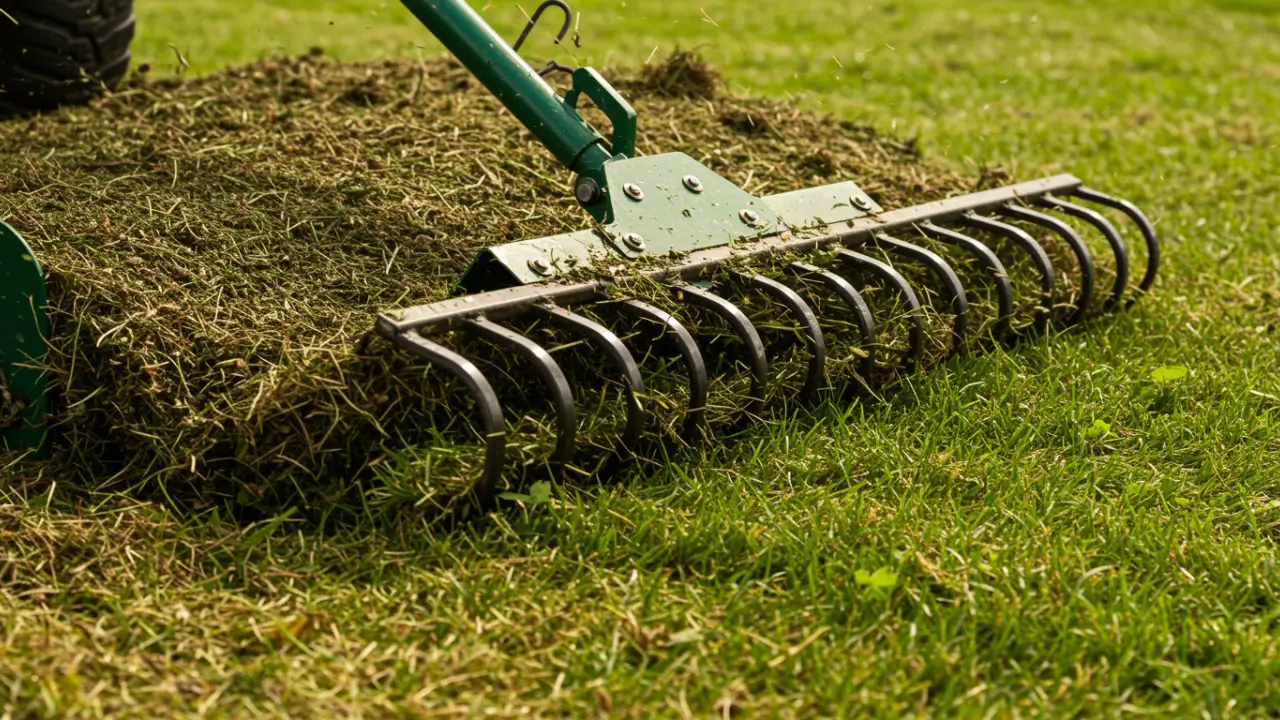
March is all about clearing the way for new growth. Raking isn’t just about leaves and twigs; it’s primarily about managing thatch, the layer of dead grass stems and roots that builds up between soil and living grass.
According to Penn State, a thatch layer thicker than ½ inch can block water, air, and fertilizer from reaching the soil, while also increasing the risk of fungal disease and insect problems
Light raking helps loosen this layer and improves airflow at the soil surface. The goal isn’t to strip everything bare, but to reduce buildup so the lawn can breathe again.
Tune Up Your Equipment
Before the first mow, give your equipment some attention. Check mower blades and sharpen them if needed. Dull blades tear grass instead of cutting it cleanly, leaving ragged tips that turn brown and invite disease.
This simple prep step protects the grass during its most vulnerable growth phase and makes every mow healthier going forward.
Mid-Spring (April): Soil Treatment and Weed Control
Test and Aerate the Soil
April is the time to look below the surface. Fertilizing without knowing your soil condition often leads to wasted effort.
Start with a soil test to check pH levels. Grass struggles to absorb nutrients if the soil is too acidic or alkaline. If pH is off, products like lime can help correct it gradually.
If the soil feels hard or water pools after rain, compaction may be the issue. Aeration removes small plugs of soil, allowing roots to breathe, water to penetrate more deeply, and nutrients to reach where they’re needed most.
Apply Spring Lawn Treatment for Weeds
This is when spring lawn treatment matters most for weed prevention.
Pre-emergent herbicides work by creating a barrier in the soil that stops weed seeds from germinating. Timing is critical. These products must be applied before soil temperatures reach 55°F, which is when weeds like crabgrass begin to sprout.
Miss this window, and you’re no longer preventing weeds; you’re reacting to them.
Overseed Bare Spots
Winter often leaves behind thin or bare patches. Overseeding helps fill these areas before weeds take advantage.
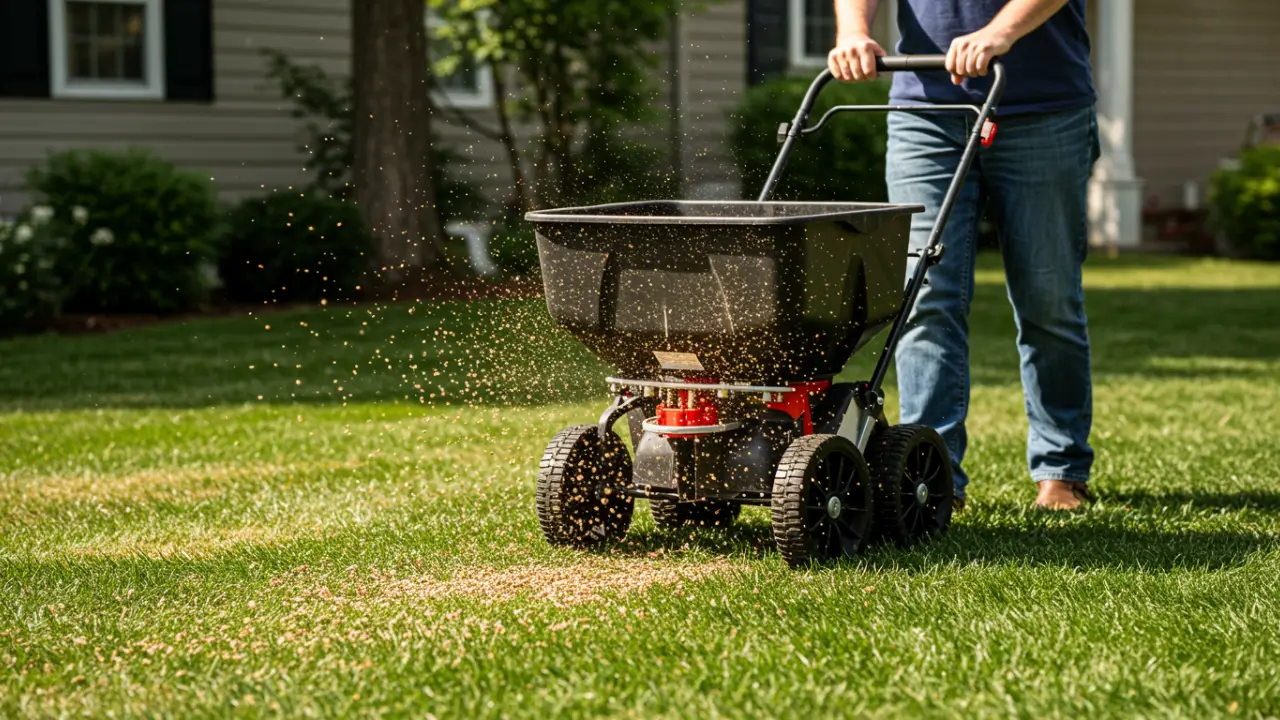
Loosen the soil, spread seed evenly, and lightly cover it with soil or compost. New grass seed needs consistent moisture to germinate, which makes proper watering especially important in late spring.
Late Spring (May): Fertilizing and Smarter Watering
Feeding the Lawn
By May, lawns enter peak growth. This is the ideal time to fertilize.
Choose a slow-release nitrogen fertilizer, which feeds the lawn gradually instead of forcing rapid growth. This supports stronger roots and steadier color without overwhelming the grass or increasing mowing demands.
The Science of Watering: Precision over Volume
Spring watering mistakes are common. Over-watering leads to runoff and disease, while uneven watering creates yellow or stressed patches.
The EPA WaterSense program reports that up to 50% of outdoor water use is wasted due to evaporation, runoff, or inefficient irrigation
This waste doesn’t just impact water bills, it weakens lawns by drowning roots and encouraging fungal growth.
Upgrade to Smart Irrigation Technology
This is where a smarter approach makes a real difference.
The Aiper IrriSense 2 acts as a modern tool upgrade rather than a replacement for good habits. Its EvenRain™ Technology simulates natural rainfall, delivering uniform coverage across areas up to 445 square meters, eliminating dry zones caused by traditional sprinklers.
It also features a TÜV-certified pressure stabilization system, ensuring consistent watering even when household water pressure fluctuates. Combined with Aiper lab data, this system supports up to 40% water conservation without sacrificing lawn health.
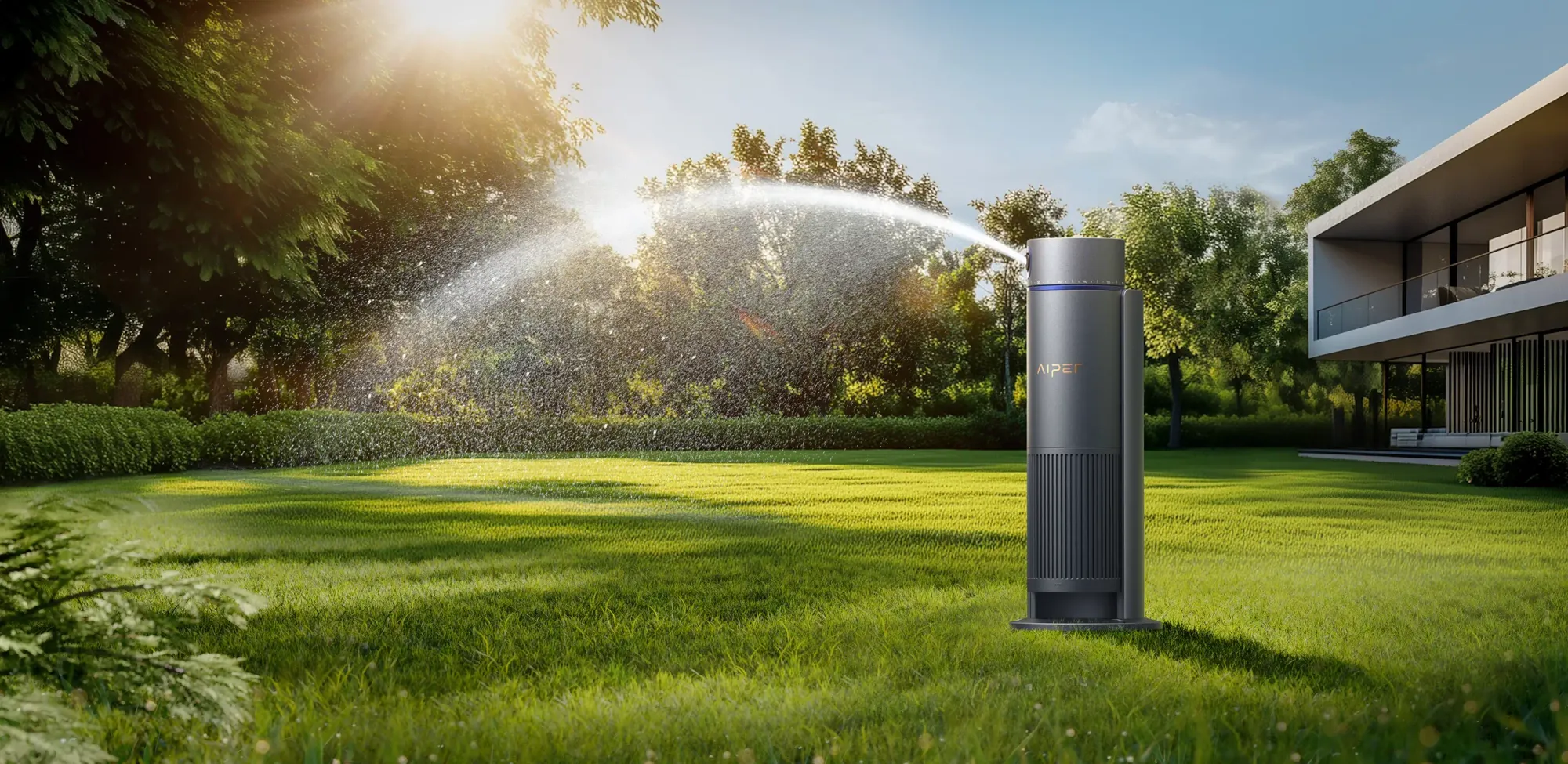
One standout feature is Plant-Specific Multi-Zone Irrigation. Using the app, homeowners can map their yard and assign different watering schedules for lawns, flower beds, or shaded areas. This avoids the one-size-fits-all problem common with manual sprinklers.
The Weather-Sense Response System automatically pauses watering during frequent spring rains, preventing over-watering and reducing fungal risk, something manual systems simply can’t do reliably.
Ongoing Maintenance: Mowing Best Practices
Follow the One-Third Rule
Never cut more than one-third of the grass blade at a time. Cutting too short weakens the plant and forces roots to shallow out, making the lawn more vulnerable to drought and weeds.
Practice Grasscycling
Leave grass clippings on the lawn after mowing. Clippings are about 80% water and rich in nitrogen. As they break down, they return nutrients to the soil, reducing the need for additional fertilizer.
Visual Guide: Your 3-Month Grass Care Schedule
| Month | Key Task | Pro Tip |
|---|---|---|
| March | Cleanup & Dethatching | Remove debris but keep light thatch |
| April | Aeration & Weed Control | Apply pre-emergent before 55°F soil temps |
| May | Fertilizing & Smart Watering | Use slow-release fertilizer and adjust watering by weather |
Save or screenshot this schedule to keep your spring lawn care on track.
FAQ About Spring Lawn Care
When is the best time to start spring lawn care?
When soil temperatures consistently stay above 50–55°F, not by calendar date.
How often should I water my lawn in spring?
Spring rain often reduces the need for frequent watering. Smart systems like the Aiper IrriSense 2 help adjust schedules based on real-time weather.
Do I need to remove all the thatch?
No. Thatch under ½ inch is beneficial. It only needs removal when it becomes excessive.
Conclusion
Spring lawn care sets the tone for the entire year. From cleanup and soil health to fertilizing and precise watering, each step builds on the last.
Working smarter matters just as much as working hard. With thoughtful timing and tools like the Aiper IrriSense 2, maintaining a healthy lawn becomes simpler, more efficient, and far less wasteful.
Explore Aiper’s irrigation solutions or start with your first task this week, your lawn will thank you all season long.