
What is Fertigation? A Complete Guide to Smarter Lawn Care & Nutrition
Discover what fertigation is and how combining irrigation with feeding boosts lawn health while saving time and reducing runoff.

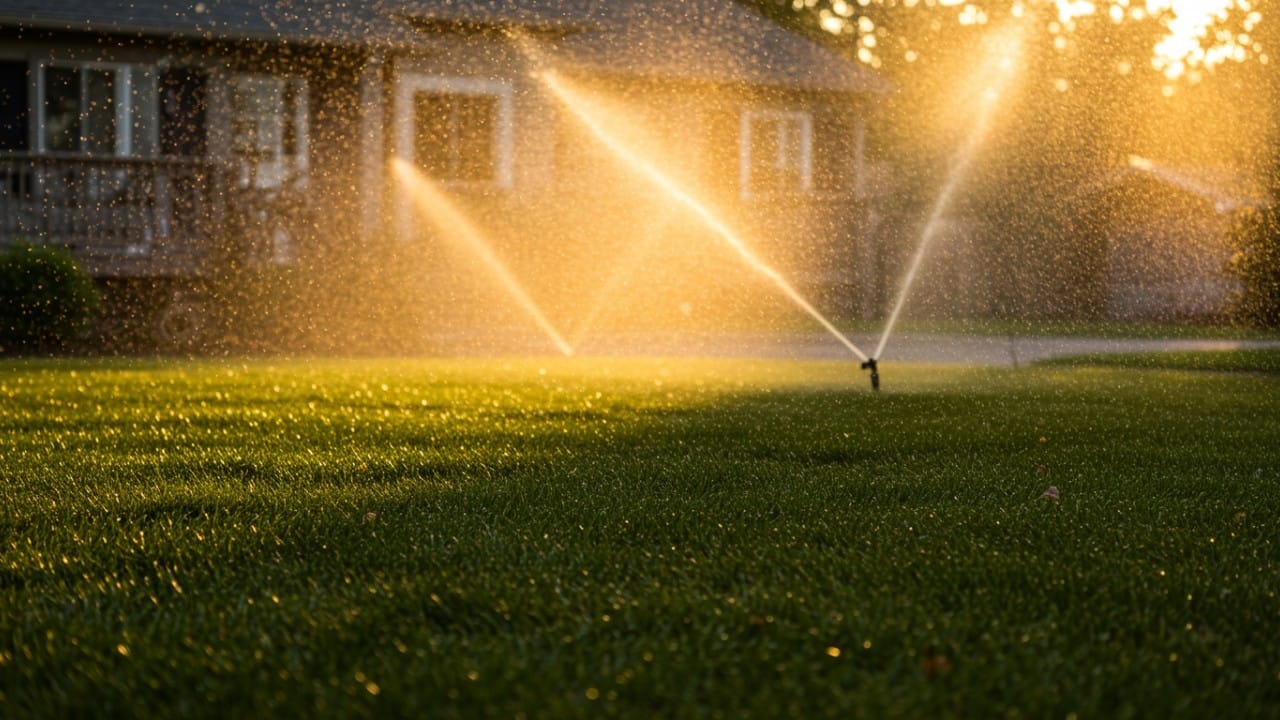
Let’s be honest: maintaining a perfect lawn is a grind. You want that deep, emerald-green look, but getting it usually involves hauling heavy bags of granules, wrestling with a calibrated spreader, and walking grid patterns until your legs burn. And the worst part? It’s imprecise. One wrong turn with the spreader, and you’re left with "zebra stripes" of burnt yellow grass or missed patches.
That’s old-school lawn care. But there is a smarter way to handle the feeding schedule, one that borrows a page from professional agriculture.
You might have seen the term "fertigation" pop up in landscaping forums. But what is fertigation, exactly? Is it just buzzword marketing, or is it actually a viable upgrade for your yard?
It’s essentially the concept of running your lawn’s nutrition plan on autopilot. Instead of treating watering and feeding as two separate, labor-intensive chores, fertigation merges them. It’s cleaner, faster, and—as we’ll dig into below—scientifically better for your grass.
What is Fertigation? (Definition & Basics)
The term is exactly what it sounds like: a mashup of fertilization and irrigation.
Fertigation definition: The process of injecting water-soluble fertilizers, soil amendments, or other nutrients directly into an irrigation system to deliver them to the soil.
Originally, this was the secret weapon of commercial farmers and high-end golf course superintendents. They used it to maximize crop yields and keep fairways pristine without sending crews out to spread pellets manually. But like most pro-grade tech, it has trickled down. Thanks to the rise of smart home ecosystems, a high-quality fertigation system is now accessible to the average homeowner.
Think of it as an IV drip for your lawn. Unlike traditional granular fertilizers that sit on the surface waiting for rain to break them down, fertigation dissolves the nutrients into the water stream itself. Every drop of water that hits your grass carries a micro-dose of food.
How Does a Fertigation System Work?
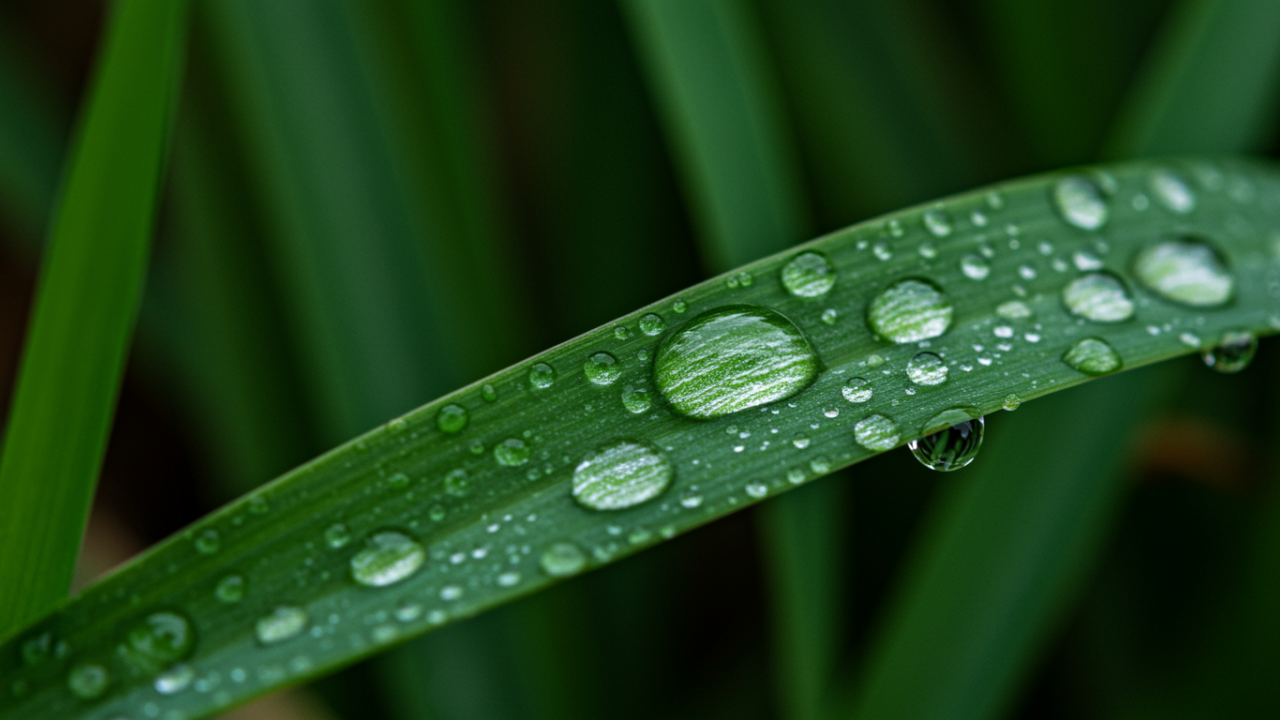
The mechanics aren't actually that complicated. Whether you have a complex underground setup or a modern smart sprinkler, the principle is the same: use water pressure to move nutrients.
A device (usually an injector or a smart dispenser) draws liquid nutrients from a reservoir and mixes them into the water line at a precise ratio.
This mimics a biological concept often called "spoon-feeding."
The Science of "Spoon-Feeding" Your Lawn
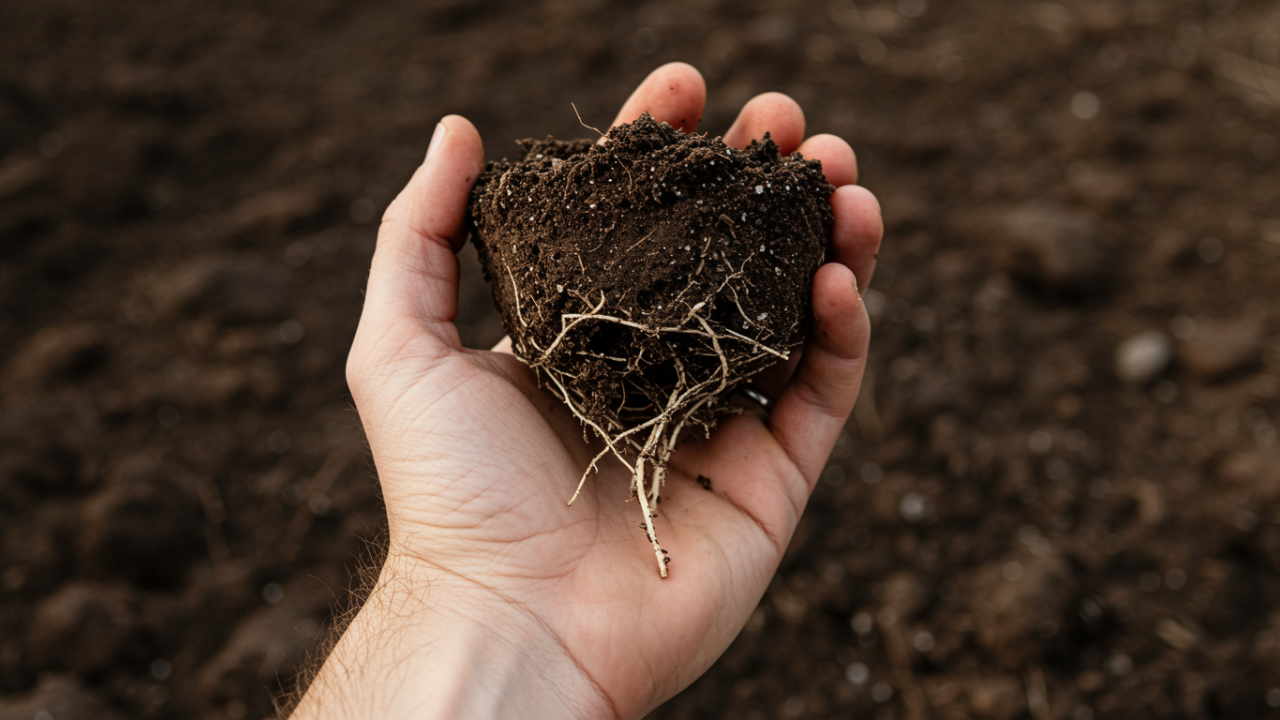
Compare it to your own diet. Would you rather eat all your meals for the month in one massive sitting, or eat healthy, moderate portions every day? Traditional granular fertilizer is that one giant meal. You dump a massive load of Nitrogen down at once. This often shocks the grass into a rapid, unsustainable growth spurt—or, if it rains hard, the nutrients wash away before the roots can grab them.
Fertigation changes the cadence. It provides micro-doses of nutrition every time you water.
Research from the University of Florida IFAS Extension backs this up. Their data on turfgrass management suggests that applying nutrients in soluble form—and in smaller, more frequent amounts—drastically improves efficiency. Because the nitrogen is managed carefully, the plant roots absorb it almost instantly. The result isn't just a sudden flash of green; it's sustained health and deeper root growth.
Benefits of Fertigation for Your Lawn
Why bother switching from the bag-and-spreader method? It comes down to control and absorption.
- Instant Uptake: Since the nutrients are already dissolved, they penetrate the root zone immediately. There is no "lag time."
- Zero Labor: Automation wins here. Your lawn gets fed while you sleep, work, or watch TV. No more walking the grid.
- Environmental Responsibility: This is a big one. The S. Environmental Protection Agency (EPA) notes in their landscaping guidelines that runoff is a major pollutant. Heavy granular applications often end up washing into storm drains. Fertigation’s precision control allows you to use less product with better results, significantly cutting the risk of chemical runoff.
Comparison: Granular Fertilizer vs. Fertigation
Feature | Traditional Granular Fertilizer | Fertigation (Liquid Application) |
Absorption Speed | Slow (needs water to break down) | Fast (roots drink it immediately) |
Uniformity | Low (prone to striping/burning) | High (perfect coverage with water) |
Effort Level | High (manual labor) | Low (automated) |
Runoff Risk | High (excess sits on surface) | Low (micro-dosing reduces waste) |
Hardware | Spreader, heavy bags | Injector or Smart Sprinkler |
Disadvantages and Common Risks of Fertigation
We have to be objective—fertigation isn't magic, and it has downsides if you aren't careful.
- Upfront Cost: Retrofitting an existing irrigation system with professional-grade injectors and backflow preventers can get pricey.
- The Clog Factor: If you try to mix your own cheap fertilizers or combine chemicals that don't play nice, you will clog your emitters.
- Backflow Danger: This is critical. If water pressure drops, there's a risk of siphoning chemicals back into your house's drinking supply. A certified backflow preventer is non-negotiable for plumbed-in systems.
Types of Fertigation Systems
Hardware generally falls into three buckets:
- Drip Irrigation: You see this in flower beds. Nutrients drip right onto the soil. It’s hyper-efficient but useless for a sprawling lawn.
- In-Line Injection Systems: The standard for lawns. These plumb directly into your main water line. Effective, but requires installation know-how.
- Smart Dispensing Systems: The modern, user-friendly evolution. These integrate the tank and mixer directly into a smart sprinkler unit, bypassing the need for heavy plumbing work.
Modern Solution: Smart Nutrient Dispensing
For most people, cutting into PVC pipes to install a chemical injector is a non-starter. The tech industry realized this and introduced the "closed-loop" smart system.
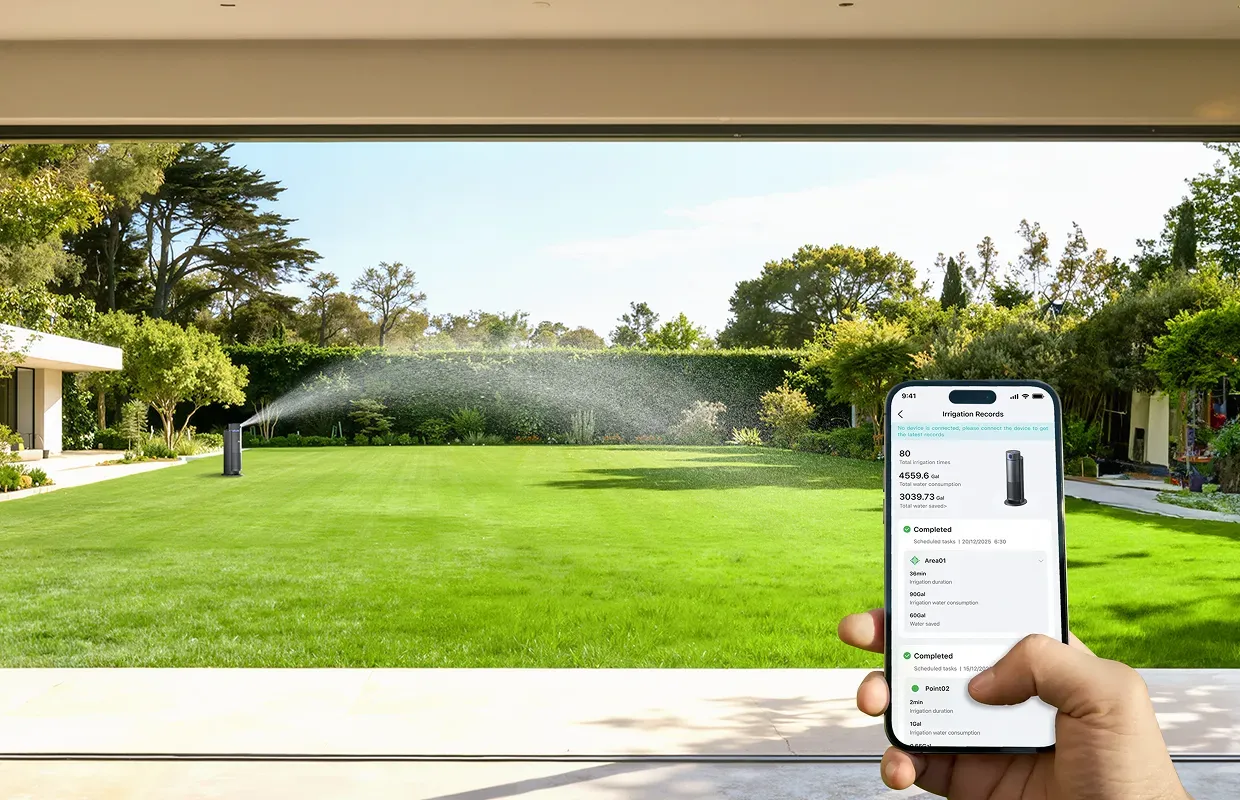
The Aiper IrriSense 2 is a prime example of where the market is heading. It ditches the DIY chemistry set approach for something much safer: a Nutrient Dispensing Compatibility system.
Precision Over Volume
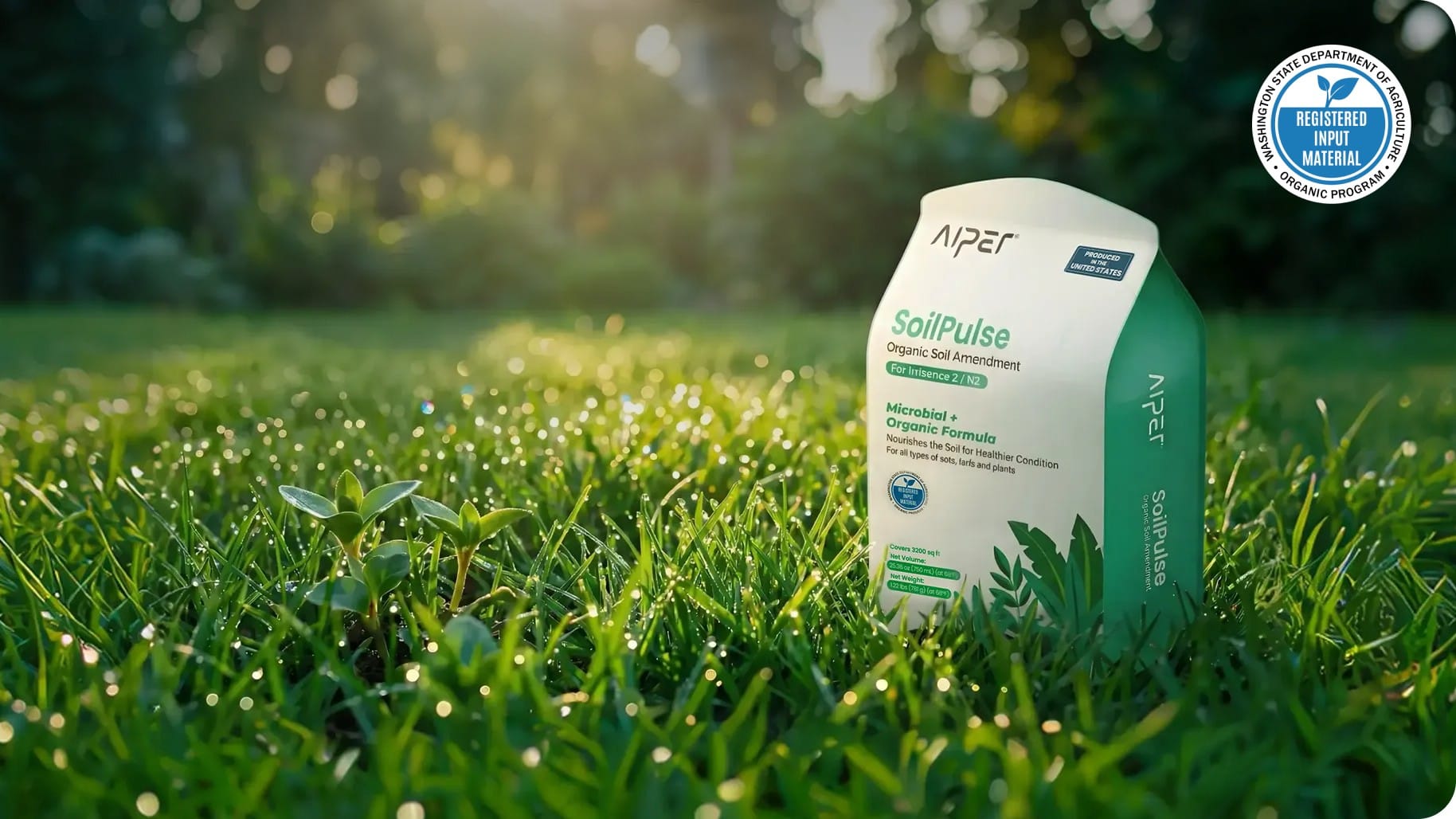
The IrriSense 2 isn't a bucket you dump generic fertilizer into. It’s built to work exclusively with the SoilPulse™ Microbial Organic Soil Amendment. This closed ecosystem addresses the biggest pain point of residential fertigation: safety.
- No Mixing: The system handles the dispensing logic. You aren't handling concentrated chemicals or guessing ratios.
- Smart Control: The app dictates exactly when the nutrient cycle kicks in, ensuring the SoilPulse™ solution is distributed evenly along with the water flow.
Beyond N-P-K: Focus on Soil Health
Old-school fertigation was obsessed with N-P-K (Nitrogen, Phosphorus, Potassium). Modern systems look deeper—at the microbiome. The SoilPulse™ formula used by the IrriSense 2 is a Microbial + Organic Formula.
The goal here isn't just to force the grass to grow tall (which just means more mowing for you). It’s to:
- Boost Fertility: By reintroducing beneficial microbes to the dirt.
- Loosen Compacted Soil: Giving roots room to breathe.
- Retain Water: Healthy soil holds moisture better, helping your lawn survive heat waves.
- Fight Pests naturally: A robust soil biome inhibits weeds and breaks down toxins.
It’s a "feed the soil, not just the plant" philosophy, which is far sustainable than harsh chemical forcing.
Step-by-Step Guide to Starting Fertigation
Ready to upgrade your routine? Here is the roadmap.
- Test Before You Guess: Buy a soil test kit. You need to know your pH and nutrient baseline before you start adding things. Your local university extension office can usually do this cheaply.
- Pick Your Lane:
- Hard mode: Hire a pro to install an underground injector.
- Easy mode: Grab a smart sprinkler with built-in dispensing, like the Aiper IrriSense 2.
- Check Compatibility: Never put granular fertilizer in a liquid tank—it won’t dissolve right and it will break your gear. If you use a smart device, stick to the designated cartridges (like SoilPulse™) to keep the warranty intact.
- Monitor: Start slow. Fertigation is a marathon, not a sprint. Watch your lawn for 2-3 weeks; you should see a gradual, even improvement rather than a sudden explosion of growth.
Frequently Asked Questions (FAQ)
Is fertigation really better than granular fertilizer?
For consistency? Absolutely. It eliminates the "feast or famine" nutrient cycle. However, granular has its place if you need a slow-release option that lasts months without any intervention.
Can I use any fertilizer in a fertigation system?
No. You need high-quality water-soluble products. Putting the wrong stuff in an injector is the #1 cause of system failure. For integrated units like the Aiper IrriSense 2, only use the specific SoilPulse™ formula.
Is it safe for my dog?
generally, yes—especially when using organic or microbial amendments. Because the nutrients are diluted instantly and absorbed into the soil, you don't have pellets sitting on the grass for your pet to sniff or eat. Always check the specific label, though.
The Bottom Line
Fertigation takes lawn care from a heavy-lifting chore to a precise science. By syncing nutrition with hydration, you save time and build a more resilient ecosystem in your backyard.
Whether you go for a complex plumbed-in rig or a plug-and-play smart sprinkler like the Aiper IrriSense 2, the result is the same: smarter growth, less waste, and no more Saturday mornings spent pushing a spreader.
References:
- S. Environmental Protection Agency. (n.d.). Landscaping Tips. WaterSense. https://www.epa.gov/watersense/landscaping-tips
- University of Florida IFAS Extension. (2021). General Recommendations for Fertilization of Turfgrasses on Florida Soils. https://edis.ifas.ufl.edu/publication/LH014