
What Is Pink Slime in a Pool? Identification & Removal Guide

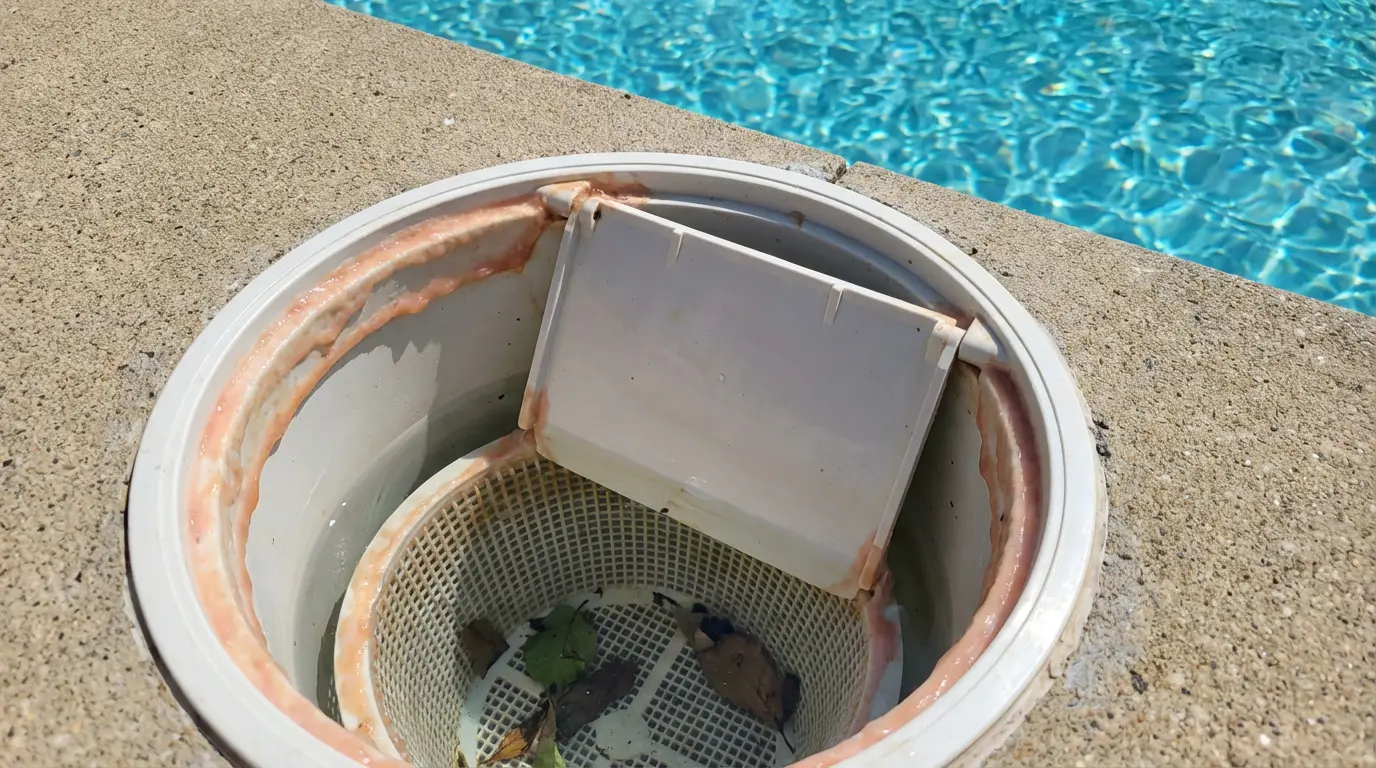
You walk out to your pool expecting clear blue water, and instead, you notice a pinkish, slimy film clinging to the skimmer, creeping along the steps, or hugging the pool lights. It looks gross. It feels slippery. And somehow, it seems to spread overnight, no matter how much chlorine you add.
If you’ve been asking yourself what pink slime in pool water is and why it keeps coming back, here’s the important truth: pink slime is not algae. Despite the common phrase "pink algae in pool," this problem is actually caused by a bacterium called Serratia marcescens.
That distinction matters because bacteria behave very differently from algae. Regular algaecide won’t touch it. This guide breaks down the science behind pink slime, explains whether it’s dangerous, and walks you through the heavy-duty steps needed to completely eliminate it and keep it from returning.
What Exactly Is Pink Slime?
Pink slime is caused by Serratia marcescens, an airborne bacterium that thrives in moist environments. It doesn’t need sunlight, and it doesn’t behave like plant-based algae at all. It spreads easily through the air, water, swimwear, and even pool equipment.
According to the CDC, Serratia marcescens is an opportunistic pathogen commonly found in soil, water, and air, and it produces a red pigment called prodigiosin. That pigment is what gives the slime its pink, reddish, or sometimes orange tint.
This bacterium feeds on fatty substances like soap residue, sunscreen, body oils, and dead skin cells, all things that regularly end up in pools. It also feeds on phosphorus, which is commonly present in pool water. One of its favorite surfaces is PVC, which explains why it shows up so often on pool liners, plastic ladders, solar covers, skimmers, and inside pipes. In fact, it often appears alongside white water mold, another fungus-like bacterium that loves PVC piping and filtration systems.
The slippery feel isn’t random. Pink slime forms a biofilm, a protective coating that shields the bacteria from chlorine and other sanitizers. As long as that biofilm stays intact, the bacteria survive, even in water that technically tests as “balanced.”
Pink Slime vs. Pink Algae: Know the Difference
The term "pink algae in pool" is misleading. Pink slime is not algae at all. Algae are plant-like organisms that rely on sunlight and photosynthesis. Serratia marcescens is a bacterium, and it plays by a different rulebook.
Here’s a quick way to tell what you’re dealing with:
| Feature | Pink Slime (Bacteria) | Green/Mustard Algae (Plant) |
|---|---|---|
| Type | Bacteria (Serratia marcescens) | Plant-like organism |
| Texture | Slimy, gelatinous film | Fuzzy, powdery, or slimy |
| Location | Skimmers, PVC pipes, shaded corners | Walls, floor, and sunlit areas |
| Treatment | Scrubbing and high chlorine shock | Algaecide + shock |
One major giveaway: algae need sunlight. Pink slime does not. That’s why it often shows up in dark, hidden areas like inside filters, pipes, behind lights, or under pool steps.
Is Pink Slime Dangerous?
For most healthy swimmers, pink slime is unlikely to cause serious harm. That said, Serratia marcescens is a known human pathogen. In people with weakened immune systems, the elderly, or those with open wounds, it has been linked to urinary tract infections, wound infections, and even pneumonia.
There’s also another concern pool owners often overlook. Pink slime consumes chlorine quickly. As it grows, it weakens your pool’s sanitation, making it easier for other harmful bacteria to move in.
For that reason alone, swimming is not recommended until the slime is fully eradicated. Clear water doesn’t always mean safe water.
How to Get Rid of Pink Slime in Pool (Step-by-Step)
Pink slime is stubborn. Its biofilm makes it resistant to normal chlorine levels, which is why many pool owners feel stuck in a frustrating cycle. Breaking that cycle requires both physical effort and chemical force.
Step 1: Clean the Filter System
Pink slime often starts inside the filter and then spreads throughout the pool. Begin by backwashing sand or DE filters thoroughly. Cartridge filters should be removed and chemically cleaned according to the manufacturer’s instructions. Skipping this step almost guarantees reinfection.
Step 2: Physically Scrub (Crucial Step)
This is the step people try to avoid and the one that matters most.
Chemical treatments alone will fail if the biofilm remains intact. You must vigorously scrub every affected area, including skimmers, ladders, steps, pool lights, return jets, and any visible pink residue. The goal is to physically break the bacteria’s protective coating so chlorine can do its job.
Think of it as peeling armor off before battle.
Step 3: Shock the Pool (Super Chlorination)
Once scrubbing is complete, it’s time for a serious shock. Use a calcium hypochlorite shock, which delivers a strong, fast-acting chlorine dose.
Industry- and EPA-aligned pool sanitation guidelines recommend reaching breakpoint chlorination when dealing with bacteria. That means raising free chlorine levels well beyond normal shock levels.
For pink slime, aim for 10–20 ppm of free chlorine. This is higher than a standard shock but necessary to penetrate any remaining bacteria.
Step 4: Run the Pump
Run the pool pump for a full 24 hours without stopping. This keeps the water moving so the high-chlorine water can flow through the pipes, fittings, and other hidden areas where Serratia marcescens may still be hiding.
Step 5: Clean Toys and Accessories
Pool noodles, floats, brushes, and even vacuum hoses can hold bacteria. Wash them with a bleach solution or throw them away if needed. If you don’t clean them, the pink slime can get back into the pool.
Mistakes to Avoid
Mistake 1: Relying on Algaecide Alone: Most algaecides are designed for plant-based organisms. Pink slime is bacteria, not algae, so algaecide alone won’t solve the problem.
Mistake 2: “Soft” Shocking: If chlorine levels don’t reach the necessary range, the bacteria survive and regrow, sometimes stronger than before. Half-measures lead to repeat infestations.
How to Stop Pink Slime Before It Starts
Prevention is easier than removal. Showering before swimming reduces sweat, oils, and cosmetics, all of which are food sources for Serratia marcescens. Maintaining consistent chlorine levels between 3 and 5 ppm also helps.
Just as important is eliminating dead spots. Pink slime loves areas with poor circulation where chlorine doesn’t reach effectively.
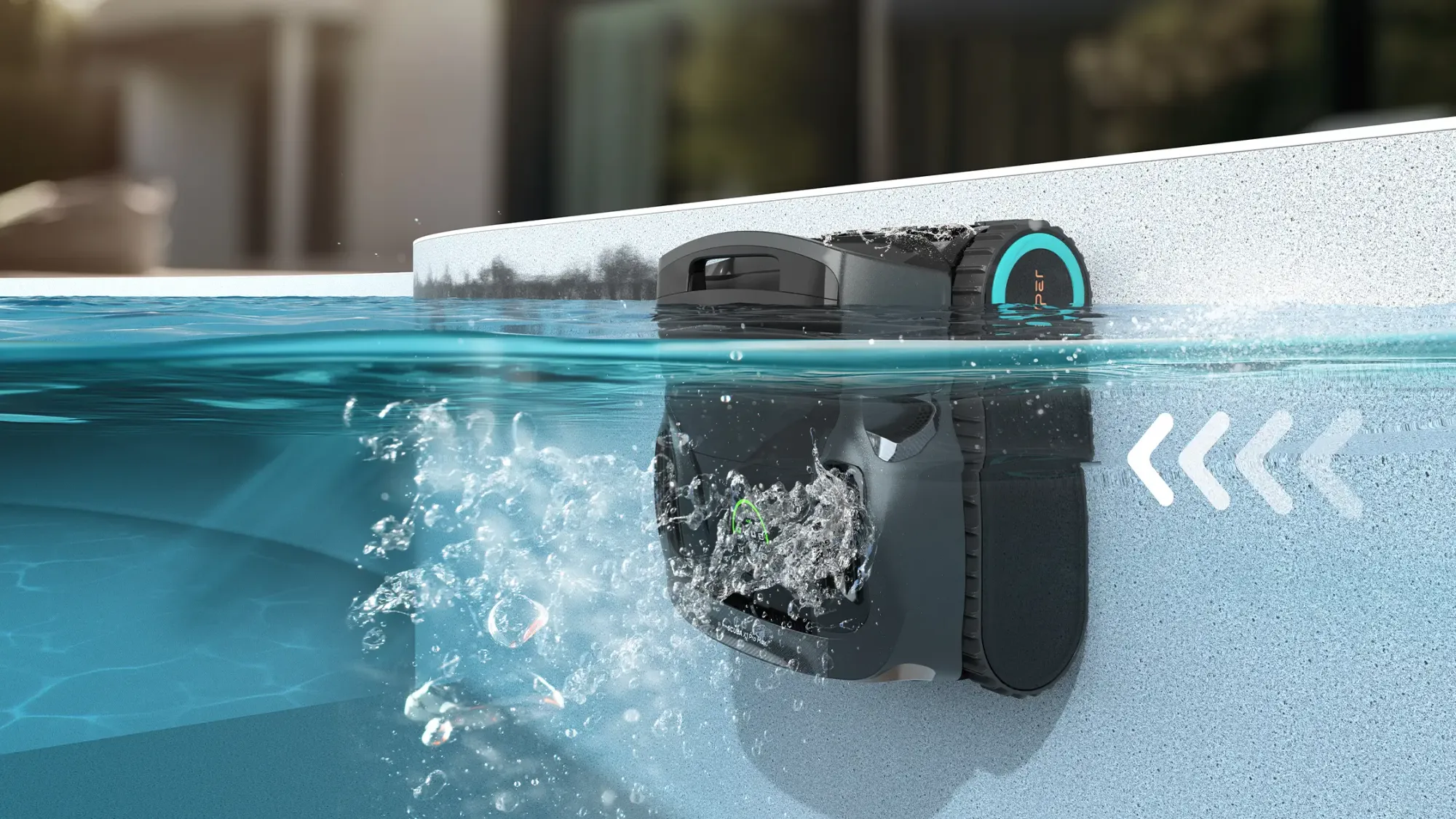
This is where robotic pool cleaners make a real difference. Models like the Aiper Scuba S1 provide two major benefits:
- Active Scrubbing—Daily wall and floor scrubbing prevents biofilm from forming in the first place.
- Improved Circulation—As the robot moves, it stirs the water, helping distribute chlorine into corners and shaded areas where bacteria like to hide.
Used consistently, a robotic cleaner becomes a powerful line of defense against recurring pink slime.
Conclusion
Pink slime doesn’t just look bad; it’s caused by bacteria. Getting rid of it means two things: scrubbing the slimy areas well and using a strong chlorine shock. If you skip either step, the slime will likely come back.
Using an Aiper robotic pool cleaner helps prevent this problem. It cleans hard-to-reach areas, improves water movement, and stops slime from building up, helping keep your pool clean, safe, and clear over time.
FAQ
Q1: Can I swim with pink slime in my pool?
No. Pink slime indicates unsanitary conditions and may cause infections, especially in vulnerable individuals.
Q2: Why does pink slime keep coming back?
Usually, because the filter wasn’t cleaned or the biofilm wasn’t scrubbed off before shocking.
Q3: Does vinegar kill pink slime?
Vinegar can help clean small items like toys, but it’s not strong enough for the full pool. Use chlorine shock instead.