
What Is Waterline Scrubbing? (And Why Your Pool Robot Needs It)

If you have a pool, you’ve probably noticed a dirty ring along the water’s edge. Many pool owners assume their robotic cleaner takes care of this, but that’s not always true.
Most basic robots can climb walls, but they often miss the actual waterline where dirt, calcium, and oils build up. This leaves you with a "clean" pool that still has a dirty ring, forcing you to scrub it by hand.
In this guide, you’ll learn the difference between Wall Climbing and True Waterline Scrubbing, why horizontal movement is the secret to a sparkling pool, and how advanced technology handles the job for you. If you’re currently deciding between a standard and a premium pool robot, this feature is often the deciding factor.
The “Bathtub Ring” of Swimming Pools
Every pool develops a visible line where the water meets the air. Pool experts often liken this to the ring left in a bathtub after the water drains. The cause—and the difficulty of cleaning it—is exactly the same.
What Causes Waterline Scum?
The waterline is a magnet for oils and particles that float on the surface, including:
- Sunscreen and tanning lotions
- Body oils and sweat
- Cosmetics and hair care products
- Airborne pollen and dust
- Calcium and mineral deposits
Because these substances float, they drift to the edges of the pool. Over time, they adhere to your tile, vinyl, or fiberglass. According to SwimmerLiving.com, the texture of your pool surface impacts how easily these oils bond, creating a greasy, hardened residue that is much harder to remove than the loose debris on your pool floor.
Why This is the Hardest Area to Clean
Debris on the pool floor (leaves, sand) sits loosely in the water, making it easy to vacuum up. However, the waterline is exposed to the air and heat. This causes the oils to "bake" onto the surface.
- The Physics: Removing this layer requires friction (scrubbing) and time, not just suction.
- The Problem: A robot that simply passes over the spot for a second cannot generate enough friction to break down this buildup.
Wall Climbing vs. Waterline Scrubbing: What’s the Difference?
Recent industry observations suggest that while standard robots remove most floor debris, they often leave the waterline untouched. One of the common pool maintenance mistakes owners make is assuming "Wall Climbing" means "Waterline Cleaning."
The answer lies in the difference between Vertical Climbing and Horizontal Scrubbing.
Vertical Climbing (The Standard Feature)
Most basic pool robots are designed to climb vertically. They drive up the wall, reach the surface, and then—because gravity takes over—they lose grip and float back down.
- What it does: It cleans the wall face.
- What it misses: It does not spend enough time at the actual waterline to scrub away the grease.
Horizontal Scrubbing (The Advanced Feature)
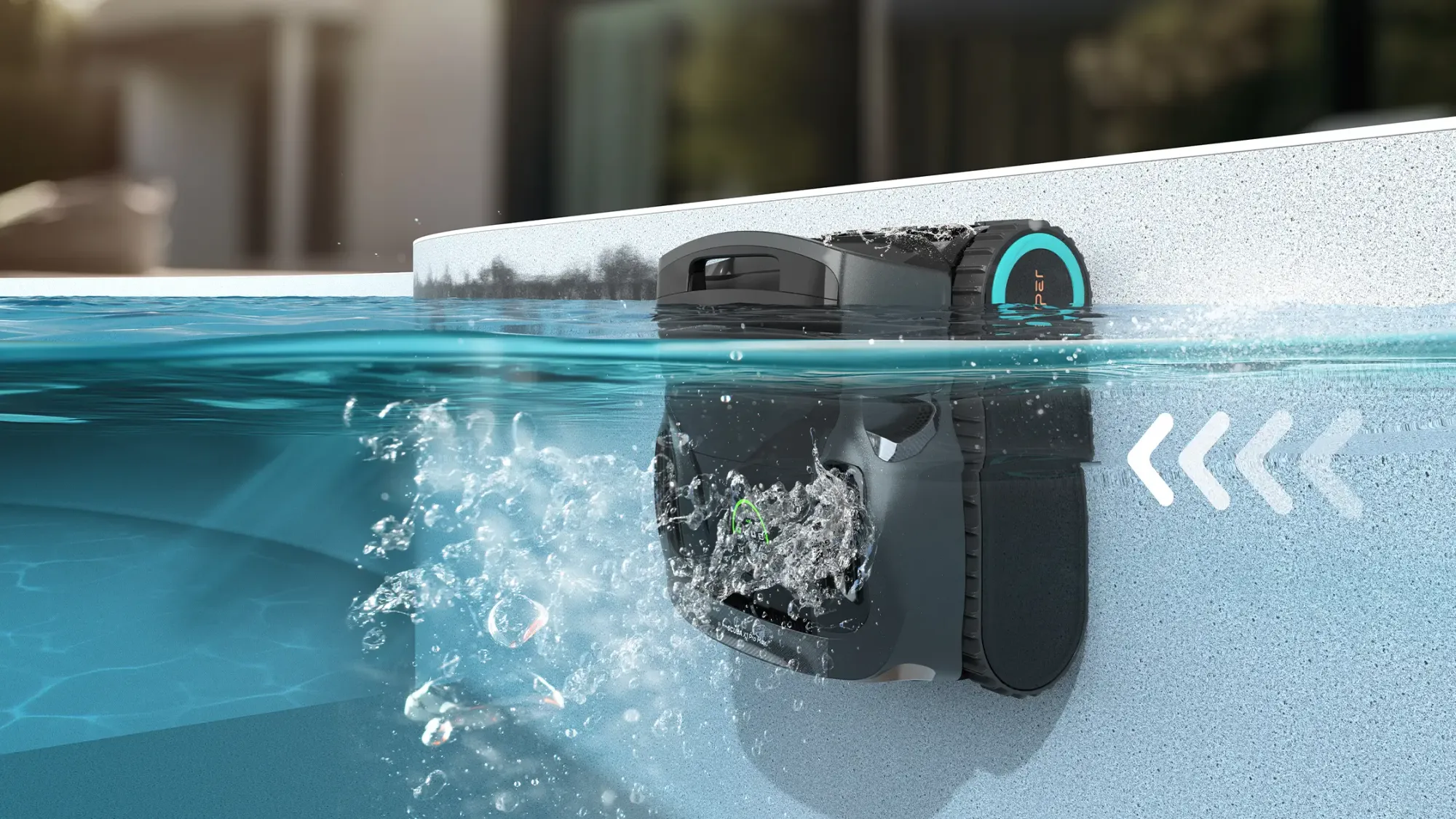
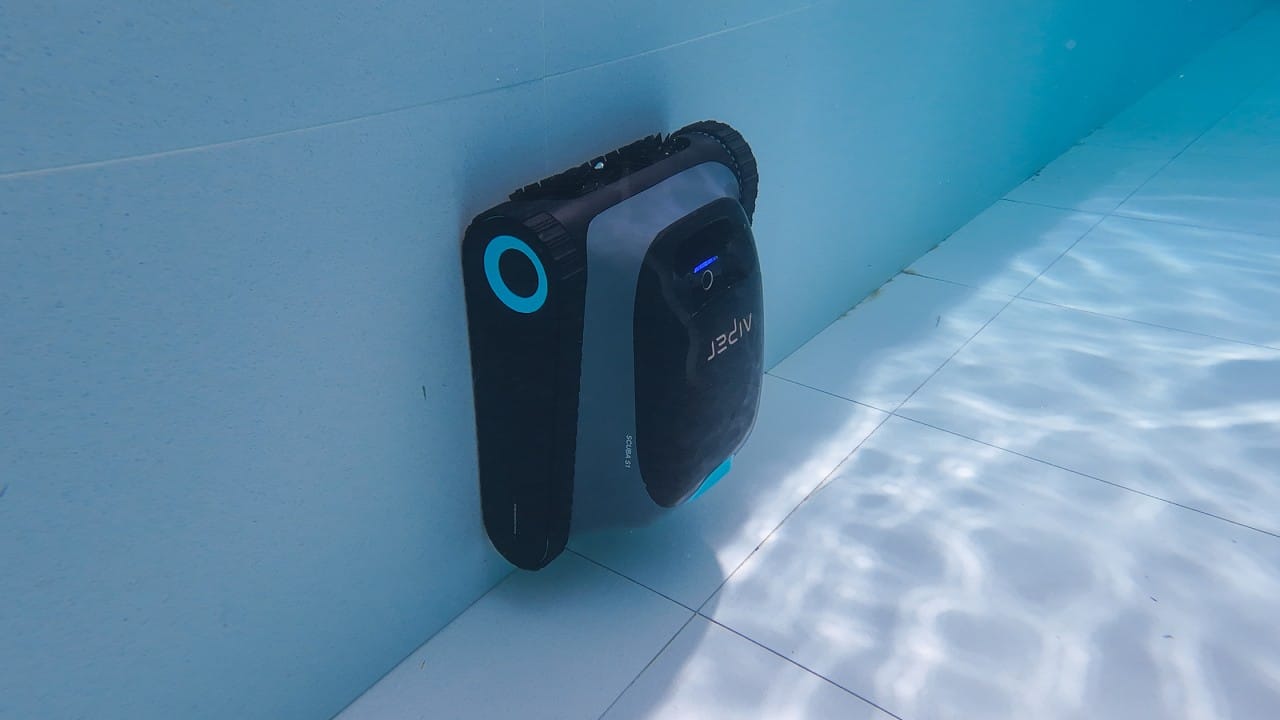
True waterline scrubbing uses a completely different mechanism. When an advanced robot reaches the top of the wall, it defies gravity. Instead of falling back down, it maintains its position and moves sideways (horizontally) along the tile line.
- The Benefit: This forces the spinning brushes against the stain for a sustained period, effectively scouring away the oil and calcium buildup.
Do You Really Need Waterline Scrubbing?
Many pool owners hesitate to pay for premium features. But the alternative is manual labor.
The Manual Alternative (Elbow Grease)
Without a robot that scrubs the waterline, you become the cleaner. This process involves:
- Standing under the hot sun.
- Walking the entire perimeter of the pool.
- Aggressively cleaning swimming pool tile with a stiff brush.
- Often, using harsh chemicals to break down the grease.
Which Pools Need It Most?
While every pool benefits, this feature is essential for:
- High-Traffic Pools: More swimmers = more sunscreen and body oils.
- Fiberglass Pools: These surfaces are prone to staining at the waterline.
- Tiled Pools: Grout lines trap grease and require deep bristles to clean.
How Aiper Technology Masters the Waterline
Advanced waterline cleaning requires more than just a motor; it requires intelligence.
Flow Control and Sensors
Keeping a heavy robot "parked" sideways on a vertical wall is a feat of engineering. Gravity wants to pull it down; water pressure wants to push it off.
- The Solution: Advanced models use a Flow Control System. This adjusts the strength of the water jet to pin the robot firmly against the wall.
- The Intelligence: Built-in sensors detect the water surface, ensuring the robot doesn't climb too high (sucking air) or sink too low (missing the line).
The Horizontal Advantage (Scuba Series)
The Aiper Scuba X1 Pro Max is specifically engineered for this task. Instead of a "touch and go" approach, it positions itself at the top of the wall and moves laterally.
- The Result: It mimics the motion of your hand scrubbing a dish. It applies constant pressure and friction across the entire perimeter of the pool, ensuring no spot is missed.
Conclusion
Waterline scrubbing and cleaning is not a luxurious function. Solve real problems that most pool robots ignore. The wall-climbing function alone cannot remove the scam line formed on the water surface. The horizontal water line cleaning function effectively removes oil, sunscreen, and minerals while the robot stays on the water line and moves horizontally. In the absence of this function, it will return to manual brushing under the flames. Investing in a robot with true horizontal waterline cleaning, like the Aiper Scuba X1 Pro Max Cordless Robotic Pool Cleaner, ensures the brushes stay at the waterline long enough to remove all residue. This reduces manual work, limits chemical use, and protects pool surfaces over time. For cleaner pools, less effort, and better surface care, choosing a premium robot with horizontal waterline scrubbing is a smart, long-term investment.
Frequently Asked Questions on Waterline Scrubbing
Why does my robot fall off the wall?
Most basic robots lack the variable flow control needed to stick to the wall at the surface. Without this "active grip," gravity pulls them down before they can scrub.
Does waterline scrubbing clean tile grout?
Yes. Because the robot moves horizontally, the bristles work deep into the vertical grout lines, removing algae and calcium that manual brushes often skim over.
Can a robot clean steps and ledges?
Yes, but this depends on the model's navigation. Advanced units like the Aiper Scuba series use sensors to identify and navigate complex shapes like stairs and "swim-out" benches.