
What Is Xeriscaping? A Complete Guide to Water-Efficient Landscaping
Xeriscaping reduces water usage by up to 50% through specific planning and climate-appropriate plant selection. It relies on seven core principles, including soil improvement and efficient irrigation, to maintain plant health.

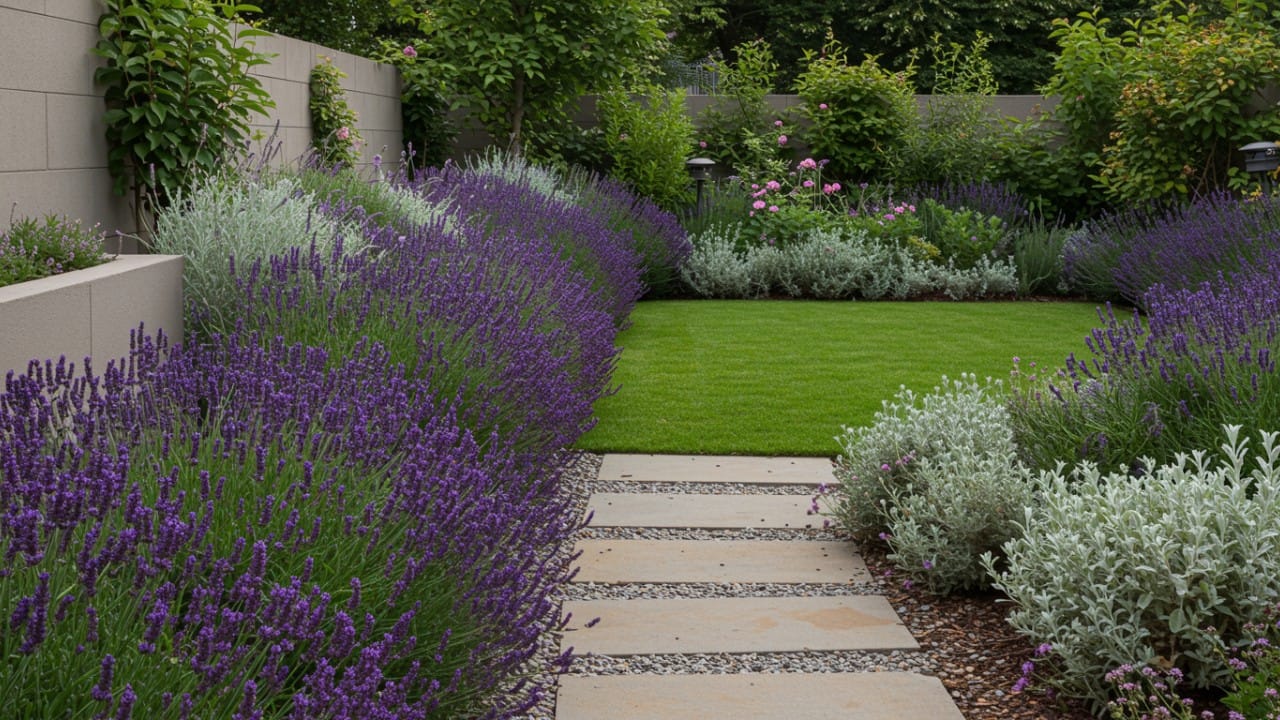
What is xeriscaping? It’s a practical landscaping approach that reduces water use by working with your local climate instead of fighting it. As water prices rise across the US and drought restrictions become more common, many homeowners are looking for ways to keep attractive yards without constant watering. I have noticed something interesting. Most people do not hate their yards. They hate maintaining them. The constant watering. The guilt during drought alerts. Xeriscaping exists to fix that problem.
This guide walks through what xeriscaping really means, where the idea came from, the official principles behind it, and how modern tools have changed the game.
Understanding Xeriscaping: Definition and Origins
Xeriscaping comes from the Greek word xeros, meaning dry. The idea first gained traction in the western United States, where water shortages were not a future worry; they were already happening.
I remember the first time I heard the term. I thought it meant rocks everywhere and zero plants. That misunderstanding is common, and it turns people off fast. But that version is wrong.
Xeriscaping is not “zero-scaping.” It does not mean removing all greenery. It means choosing plants, layouts, and watering methods that fit your climate instead of copying a golf course look from somewhere wetter. And yes, it works outside deserts. Suburbs. City lots. Even small front yards. Anywhere water feels expensive or limited.
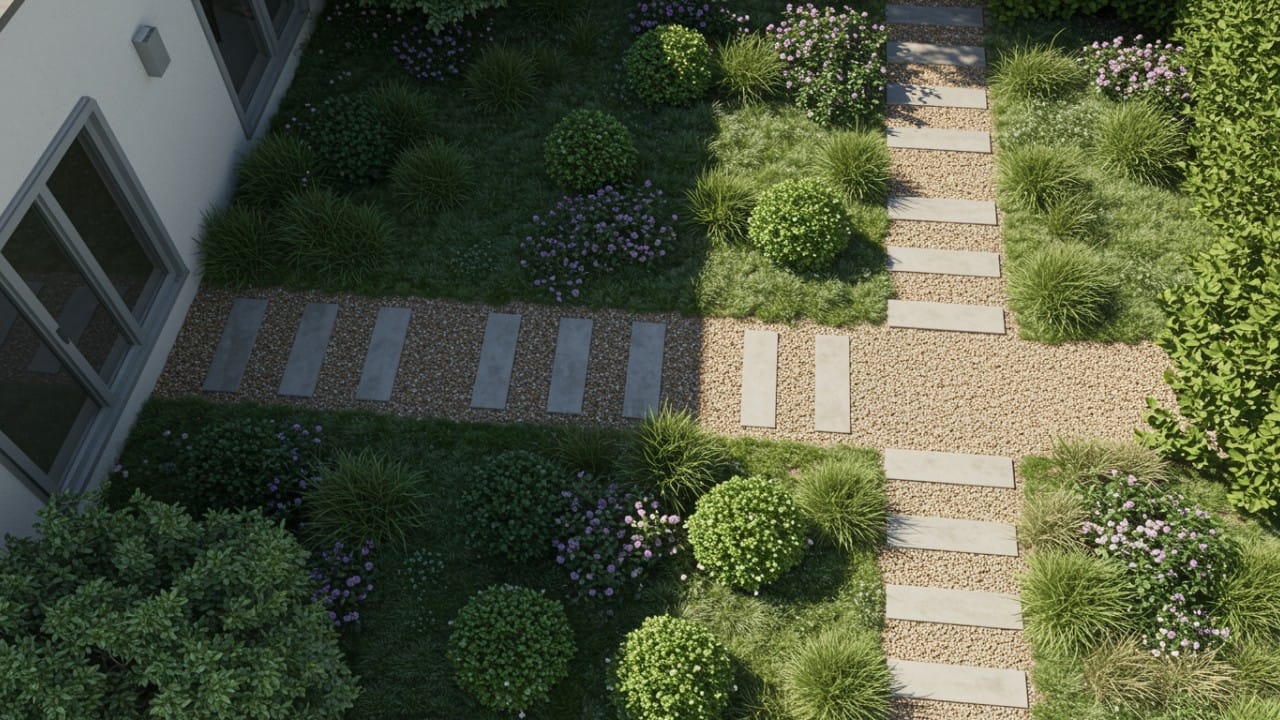
The 7 Core Principles of Xeriscape Landscaping
According to Colorado State University Extension, xeriscaping is built on seven core principles.
I have seen people try to cherry-pick just the plants and ignore the rest. It rarely ends well.
1. Sound Landscape Planning and Design
Planning sounds boring. But it saves more water than any fancy plant ever will. The core idea here is hydrozoning. That just means grouping plants by how thirsty they are. High-water plants go together. Low-water plants go together. You stop forcing one sprinkler schedule to serve everyone.
I personally hate seeing one sad plant drowning while another is crispy dry three feet away. That is poor planning, not bad luck.
Good planning usually includes:
- Separating turf from planting beds
- Putting thirstier plants closer to the house
- Using shade and slopes on purpose
This step costs time, not money. And it pays off fast.
2. Soil Analysis and Improvement
Here is the part most homeowners skip. And then complain that xeriscaping “does not work.”
In my experience, soil is the silent problem. Compacted dirt does not absorb water. Sandy soil dumps it too fast. Either way, you end up watering more than you should.
A basic soil test tells you what you are working with. From there, compost or organic matter can change everything.
Better soil:
- Holds moisture longer
- Feeds root steadily
- Reduces runoff after watering
It is not flashy. But it is foundational.
3. Efficient Irrigation (The Smart Way)
This is where most people get stuck. Traditional irrigation systems are a pain. Trenches. Pipes. Valves buried forever. And once it is installed, changing anything feels like surgery.
That is why modern xeriscaping leans toward simpler solutions. One example is Aiper IrriSense 2 which combines the controller, sprinkler, valve, and sprayer into a single above-ground unit.
No trenching. No pipe maps taped to the garage wall.
Systems like this use weather data and even water distribution to avoid overwatering. Features like Weather Intelligence and EvenRain™ technology help deliver water only when needed. In real use, that can cut outdoor water use by up to 40% without stressing plants or turf. So yes, efficient irrigation used to be the hardest principle. It is not anymore.
4. Practical Turf Areas
Let’s talk grass. Because people get defensive here. Xeriscaping does not ban lawns. It just stops pretending lawns belong everywhere. Grass makes sense where it gets used. Kids. Dogs. Walking paths. Sitting areas.
I have noticed unused lawn space is usually the biggest water waster on a property. Nobody walks there. Nobody sits there. But it still gets watered like it matters. Limiting turf to functional zones keeps the benefits without the waste.
5. Appropriate Plant Selection
Plant choice decides how thirsty your yard will be long-term. Native plants usually win because they already understand the climate. They know the rain pattern. They handle heat swings. They settle in faster.
I personally love when people choose plants because they look good and survive without babysitting. That is the sweet spot.
Drought tolerant landscaping works best when plants match:
- Local climate
- Sun exposure
- Soil type
Exotic plants are not evil. They just ask for more attention.
6. Use of Mulches
Mulch is quiet help. It does its job without showing off. It slows evaporation. It keeps roots cooler. It stops weeds from stealing water. All wins.
Organic mulches improve soil over time. Inorganic mulches last longer in very dry regions. Both have a place. Mulch alone can cut watering frequency more than people expect. Especially in summer.
7. Appropriate Maintenance
Low-water does not mean no work. It means predictable work.
Seasonal checks matter. Small fixes matter. Ignoring problems does not.
Maintenance usually includes:
- Checking irrigation settings with the seasons
- Light pruning when needed
- Removing weeds early
Once established, xeriscaped yards are calm. No weekly panic.
Benefits of Xeriscaping Beyond Water Savings
Water reduction is the most obvious benefit, but it’s not the only one. Over time, xeriscape landscaping changes how homeowners interact with their yards.
Benefits show up in three main ways:
- Environmental: Pollinators, less runoff, healthier soil
- Financial: Lower water and chemical costs
- Time: Fewer weekly chores
It is not flashy. It is stable. And that matters.
Comparison: Xeriscape vs. Traditional Landscaping
| Feature | Traditional Landscaping | Xeriscaping |
|---|---|---|
| Water Usage | High and often wasteful | Low, up to 50–75% less |
| Maintenance | Weekly mowing and feeding | Seasonal pruning and checks |
| Ongoing Cost | Constant utility spend | Lower long-term expenses |
| Visual Style | Lawn-heavy | Mixed textures and color |
This difference is why cities keep promoting drought tolerant landscaping during drought cycles. It holds up under pressure.
Common Myths vs. Reality About Xeriscaping
These myths refuse to die. Probably because bad examples exist.
Myth 1: Xeriscaping looks dry and boring
Reality: Color and structure come from plant choice, not water volume
Myth 2: Grass is not allowed
Reality: Grass is fine when used and irrigated smartly
Myth 3: It only works in deserts
Reality: It works anywhere water feels limited
Once people see a good example, the fear fades fast.
FAQ About Xeriscape Landscaping
How much does xeriscape landscaping cost to install?
Costs vary by size and materials, but many homeowners spend less than a full lawn replacement. Long-term savings usually show up within a few seasons.
Does xeriscaping increase property value?
In drought-prone regions, yes. Buyers like predictable bills and lower upkeep.
What is the difference between drought-tolerant landscaping and xeriscaping?
Drought-tolerant focuses on plants. Xeriscaping covers planning, soil, irrigation, layout, and care.
Final Thoughts
Here is my honest take on what is xeriscaping?. Xeriscaping works best when you stop treating it like a style choice and start treating it like a system. You do not need to rip out your entire yard tomorrow. Start small. Fix one zone. Improve soil. Rethink how water gets applied. Those changes stack up faster than you expect. And once your yard stops fighting your climate, everything feels easier. That is the real win. Over time, those small steps add up to lower bills, fewer restrictions worry, and a landscape that fits your environment instead of constantly fighting it.