
When Is It Too Late to Spray for Weeds? A Seasonal Guide for Smarter Lawn Care
Wondering when is it too late to spray for weeds? Discover the 50°F rule, seasonal timing, and smart prevention tips for a healthy lawn.

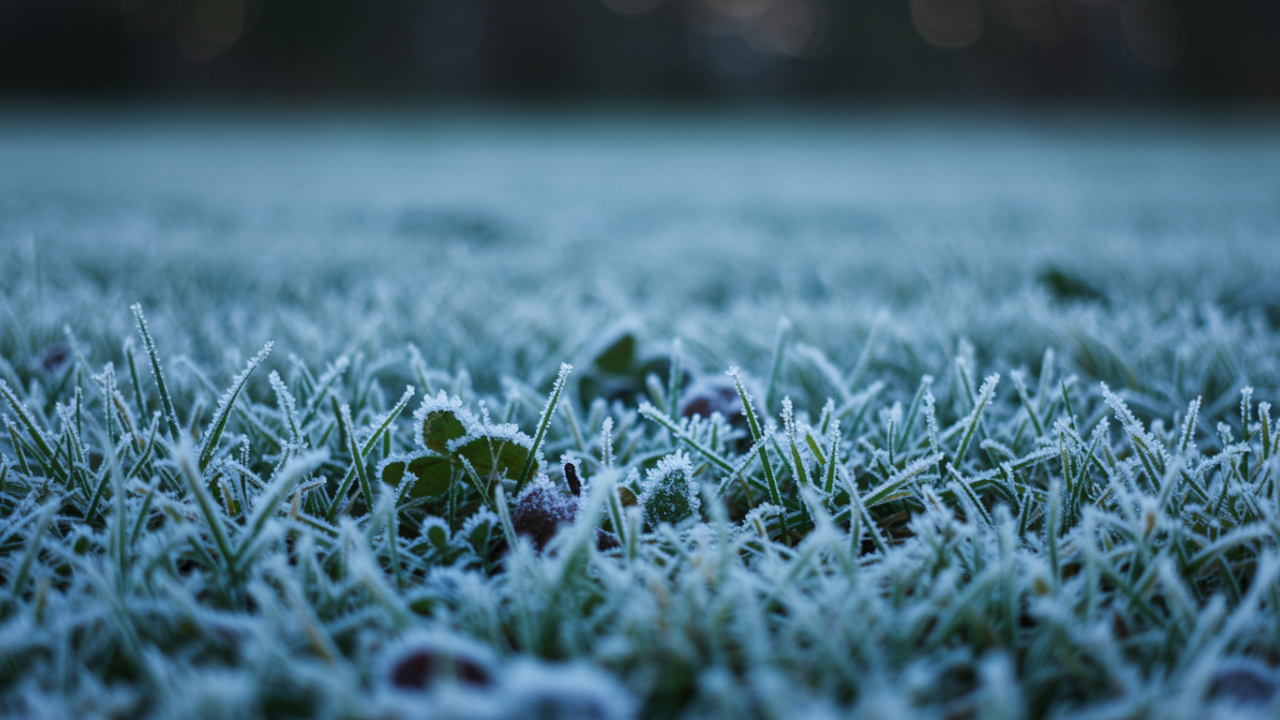
Few things are more frustrating than spraying weeds, watching them wilt for a few days, and then seeing them bounce right back. Even worse is standing in the yard in late fall or winter, wondering if spraying now is just throwing money into the soil.
So, when is it too late?
If you’re asking when is it too late to spray for weeds, the general rule is this: once the ground is frozen or daytime temperatures consistently drop below 50°F–60°F (10°C–15°C), herbicides lose most of their effectiveness. At that point, weeds enter dormancy, meaning they stop absorbing and transporting chemicals.
This article explains why timing matters so much, the best time to spray weed killer by season, how to recognize the signs that it’s already too late, and what you should be doing during the off-season to prevent weeds next year l, without relying on constant chemical treatments.
Understanding Weed Growth Cycles: Why Timing Matters
Most common weed killers don’t work on contact. They’re systemic, meaning the chemical must be absorbed through the leaves and transported down to the root system. That transport only happens when the plant is actively growing.
When temperatures drop, weeds slow their metabolism. Below a certain threshold, they stop moving nutrients and herbicides, through their vascular system. The spray may discolor the leaves, but the roots remain alive, ready to regrow when conditions improve.
The 50-Degree Rule (Temperature Thresholds)
According to the University of Nebraska–Lincoln, most herbicides perform best when daytime temperatures are between 60°F and 85°F. Once temperatures fall below 50°F, herbicide uptake and movement inside the plant decline sharply, especially after frost events
In simple terms, cold weeds don’t “drink” the poison.
Annuals vs. Perennials: Knowing Your Enemy
Not all weeds behave the same when it comes to lateness.
Annual weeds like crabgrass complete their life cycle in one season. Once they drop seeds in late summer or fall, they’re already on the way out. Spraying them after seed production doesn’t prevent next year’s weeds, it just wastes product.
Perennial weeds like dandelions survive winter underground. For these, “too late” usually means once the ground freezes. Before that point, they can still be controlled effectively.
The Best Time to Spray Weed Killer by Season
Understanding the calendar helps clarify the best time to spray weed killer and when to put weed killer on lawn for real results.
Spring: Catch Them Early
Spring is all about prevention. This is the prime window for pre-emergent herbicides, which stop weed seeds from germinating.
Timing matters more than the date on the calendar. Apply pre-emergents when soil temperatures reach about 55°F, before weeds like crabgrass emerge. Once weeds are visible, this window has passed.
Summer: Proceed with Caution
Summer spraying can be tricky. High heat (above 85°F) stresses both weeds and turfgrass. Stressed weeds don’t absorb herbicides well, and chemicals can vaporize, drifting onto desirable plants.
If you must spray in summer, limit it to spot treatments and apply early in the morning when temperatures are cooler and winds are calm.
Fall: The Golden Window
Fall is the best time to spray weed killer for perennial weeds.
As temperatures cool, plants move carbohydrates from their leaves down into their roots to prepare for winter. When you spray during this phase, weeds pull the herbicide straight into their root system, resulting in a complete kill rather than surface damage.
As long as daytime temperatures stay above 50°F and the ground hasn’t frozen, fall applications are highly effective.
Winter: Is It Too Late?
For post-emergent sprays, yes, winter is generally too late.
Weeds are dormant, growth has stopped, and frozen or semi-frozen ground prevents absorption. Any product applied now is likely to wash away during the next rain or thaw.
3 Signs It Is Too Late to Spray for Weeds
Before reaching for the sprayer, look for these clear indicators.
1. Fully Mature Seeds
Dandelion puffballs and seedy crabgrass heads are a sign that the weed has already completed its life cycle. Killing the plant now won’t stop next year’s weeds.

2. Frost or Frozen Ground
If you see frost on the lawn or can’t push a screwdriver into the soil, the plant’s transport system has shut down. No movement means no herbicide effectiveness.
3. Drought Stress
During dry spells, weeds close their stomata to conserve moisture. This defense mechanism also blocks herbicide absorption, making spraying ineffective even in warm weather.
Risks of Spraying Too Late
Ignoring seasonal limits comes with real downsides.
Waste of Money
Applying herbicide to dormant plants delivers little to no benefit, turning an expensive product into runoff.
Environmental Harm
The U.S. Environmental Protection Agency warns that pesticides applied to frozen or saturated ground are more likely to wash into storm drains and waterways, contaminating local ecosystems
Smart Prevention: The Future of Weed Control
When it’s too late to spray, the smartest move isn’t force, it’s prevention.
Precision Nutrition Over Blanket Spraying
Manual spraying is often uneven. Homeowners struggle with mixing ratios, timing, and coverage.
The Aiper IrriSense 2 offers a smarter approach. With nutrient dispensing compatibility, it allows treatments to be delivered evenly and automatically with irrigation, timed for optimal absorption, such as early morning without constant user effort.
Instead of reacting to weeds, you support turf health consistently.
Improving Soil Health to Inhibit Weeds
Late fall and winter are ideal for soil improvement.
SoilPulse™ Microbial Organic Soil Amendment focuses on rebuilding soil biology rather than killing plants.
How it works:
A blend of beneficial microbes and organic matter improves soil structure and nutrient cycling.
Key benefits:
- Inhibits new weeds by creating conditions unfavorable to opportunistic species
- Loosens compacted soil, allowing grass roots to grow deeper and denser
- Breaks down residual toxins from years of chemical overuse
Healthy soil grows thick grass. Thick grass crowds out weeds naturally.