
Why Do My Eyes Burn in the Pool? (It’s Not What You Think)

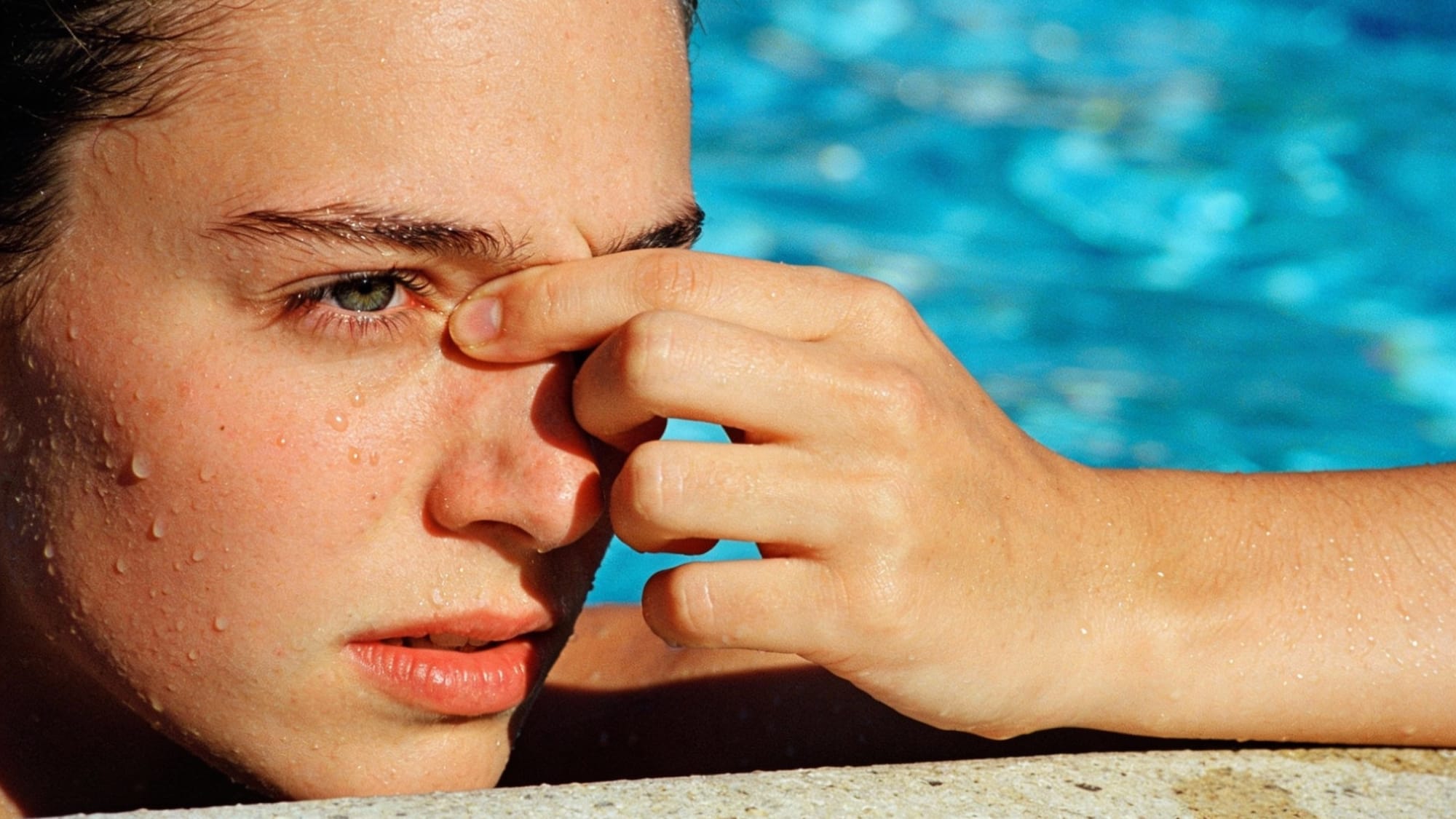
If you feel eye pain, redness, or itching after swimming, you may think the pool has too much chlorine. Many swimming enthusiasts think that because the stimulation is acutely sudden. In most cases, however, the high chlorine concentration is not the true cause. So, why do my eyes burn in the pool? The answer often points to used chlorine, known as chloramines, or poor water balance. These problems stimulate the eyes and cause discomfort. This guide explains the causes of eye pain, immediate mitigation, and how to improve water quality to prevent pool owners from recurring problems.
The Myth: “There’s Too Much Chlorine”
Many people judge the safety of the pool by smell. The strong chemical odor makes the swimmer think that the pool contains too much chlorine. This section solves the misunderstanding and explains why odor and comfort are more important than raw chlorine concentration.
Why a Strong Chlorine Smell Is a Warning Sign
A powerful chlorine smell does not indicate that the pool is dirty. It is typically used to mean that chlorine has already reacted with contaminants. Health agencies that guide pool care explain that fresh chlorine has very little odor. Chloramine is a result of mixing chlorine with sweat, sebum, urine, and garbage. These are chemicals that irritate the eyes and the skin and give off a sharp smell that is felt by many swimmers. A clean pool is free of eye pain and irritant smell.

What a Properly Balanced Pool Feels Like
In a properly managed pool:
- Water smells neutral
- No eye pain when swimming
- Skin does not dry after swimming
If you feel pain in your eyes or why do my eyes burn in the pool, the chemical balance of the pool is likely to be broken. Reducing the amount of chlorine does not solve the problem. Pool owners need to deal with real causes, not guesses.
The Real Cause: Chloramines and pH Balance
Eye stimulation usually arises from two related problems. One is involved in a chemical byproduct called chloramine, while the other is involved in pH levels that are out of the range of comfort in the human eye. By understanding both, the swimmer and pool owner can solve the problem correctly.
What Are Chloramines? (The “Used” Chlorine)
Chloramine is formed when chlorine attacks contaminants in pool water. These contaminants include
- Sweat and sebum
- Urine
- Cosmetics and sunscreen
- Fallen leaves, insects and dirt at the bottom of the pool
When chlorine binds with these substances, the cleaning effect decreases and the possibility of stimulating the eyes increases. According to pool safety guidance used across the US, chloramines are the main cause of eye sting and strong pool odor.
Organic residues play a major role in why my eyes burn in the pool. Fallen leaves and dirt are precipitated, and decomposition is slow, increasing the material that chlorine reacts to. Over time, this leads to increased chloramine levels and increased stimulation.
The pH Problem: Why Acidity Matters
Even without chloramine, you may burn your eyes if the pH value is not appropriate. Human tears keep around pH 7.4 to 7.6. This range protects eye tissue and keeps vision clear. The pool water off this range damages the natural moisturizing layer of the eye.
- Low pH (acidic water) causes sharp stimulation
- High pH (alkaline water) causes dryness and hyperplasia
Most U.S. pool standards recommend keeping pH at 7.2-7.8, with the most comfortable range around 7.4-7.6.
How to Fix a Pool That Burns Your Eyes
Prompt response is important when eye stimulation begins. Pool owners can restore comfort by inspecting water quality and removing the cause of chemical accumulation. These procedures improve swimmer safety and water quality.
Test and Adjust the pH Level
Measurement is the first and most important step. Water quality inspection is required two to three times a week when the pool is active.
Available Methods:
- Test strips for simple inspection
- High-precision liquid inspection kit
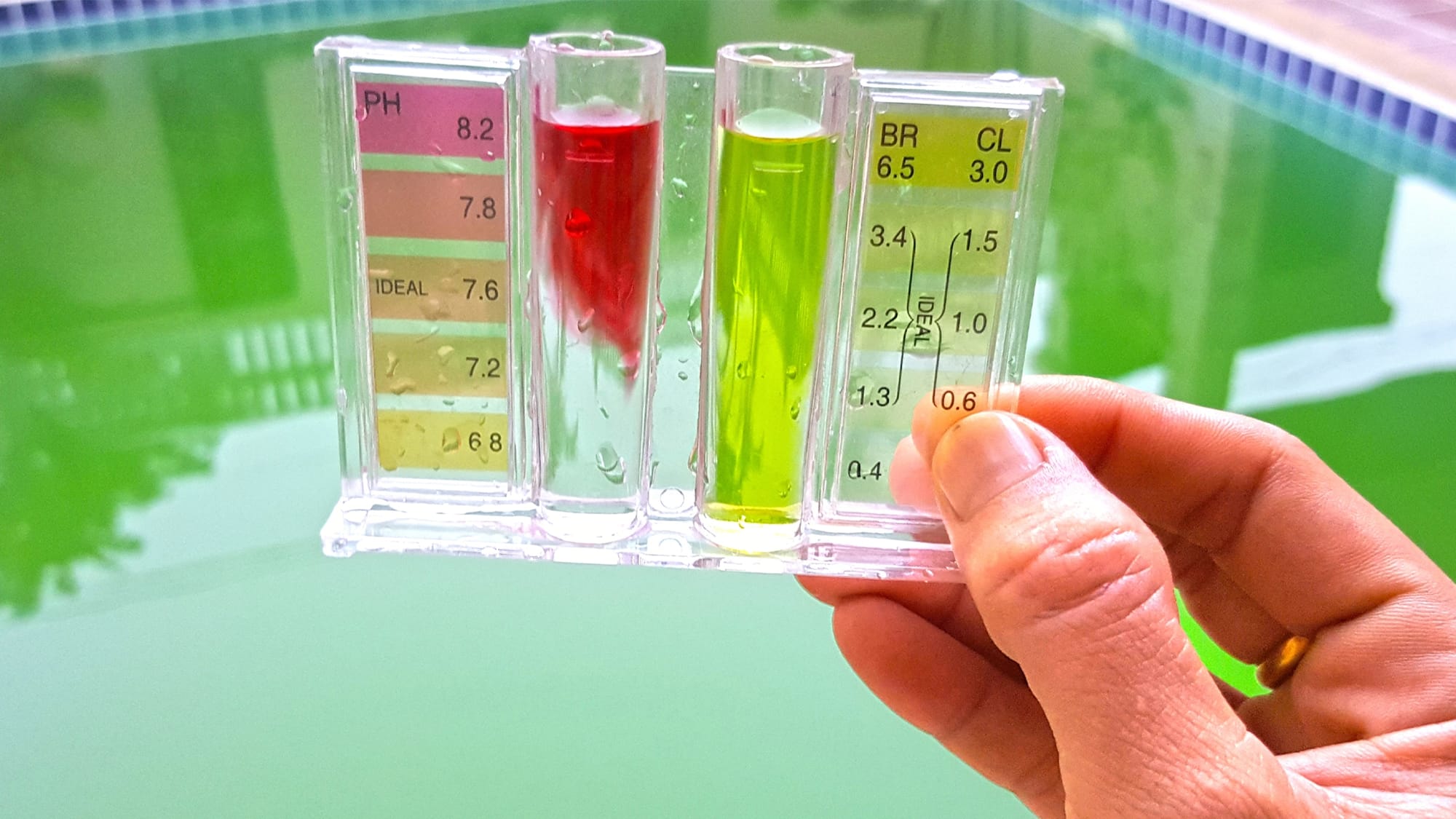
Steps to follow:
- Measure pH value and chlorine concentration
- Adjust pH from 7.4 to 76
- Run the pool pump and reinspect after a few hours
By keeping pH in the proper range, it protects the eyes of the swimmer, and chlorine functions correctly.
Eliminate Chloramines (Shocking the Pool)
To remove chloramine, the pool owner must perform a shock treatment on the pool. This process is called breakpoint chlorination.
Shock treatment has the following effects by adding enough chlorine:
- Break off chemical bonds
- Decompose chloramine
- Restoring free chlorine concentration
Health authorities recommend shock handling in the following cases:
- When eye irritation occurs frequently
- Strong chlorine odor
- When coupled chlorine exceeds safety standards
After the shock treatment, refrain from swimming until the chlorine concentration returns to the safe range.
Prevention: How to Stop the Sting Before It Starts
Prevention saves time, cost, and discomfort. The production of chloramine is suppressed by the pool owner removing contaminants early and protecting the user's simple habits. Keep your eyes comfortable by maintaining water transparency in the following steps:
Remove Debris Regularly
Fallen leaves, insects, dust, and dirt cause chloramine production. When these trash is deposited at the bottom of the pool, chlorine reacts over time. The use of robotic pool cleaners helps prevent this deposition. Cordless robot cleaners like the Aiper Scuba X1 Pro Max remove trash before it is disassembled. Cleaning the bottom of the pool daily reduces the number of substances that chlorine reacts to.
Less debris means:
- Lower chloramine levels
- Improved water quality balance
- Reduces eye irritation for swimmers
This method supports chemical control rather than relying on constant adjustment.
The Importance of Pre-Swim Showers
Sweat and skin oil react quickly with chlorine. You can remove most of these substances by taking a short shower before swimming.
The swimming pool that recommends a shower confirms the following:
- Reduced chloramine levels
- Increased transparency
- Reduced eye discomfort symptoms
Especially in public pools and family pools with high frequency of use, it is effective even in rinsing and washing.

Wear Goggles
Goggles are the only protective means of completely blocking the pool water and eyes.
Effect:
- Preventing irritation
- Contact lens user protection
- Reduces blood hyperplasia after a long swim
For sensitive eyes and those who swim frequently, goggles provide easy and reliable protection.
Instant Relief: What to Do If Your Eyes Already Hurt
Stimulation may begin before you notice water quality problems. Rapid action is required to reduce why my eyes burn in the pool and protect eye health. Cool your eyes safely in the following steps:
Rinse with Fresh Water
According to Cleveland Clinic ophthalmologist Richard Gans, it’s also a good idea to rinse your eyes with cool, clean water or saline drops when you’re done swimming. This step helps wash away chlorine residue and reduces irritation. After leaving the pool, rinse your eyes for a few minutes and avoid rubbing them, as rubbing can worsen redness and discomfort.
Steps to follow:
- Get out of the pool
- Rinse your eyes for a few minutes
- Don't rub your eyes
This removes chemical residues and restores moisture on the surface of the eye.
Use Lubricating Eye Drops
Choose artificial tear solution, not redness-relieving eye drops. Redness-relieving eye drops can constrict blood vessels and worsen dryness if used repeatedly.
Effects of artificial tear fluid:
- Moisturizing
- Promote healing
- Reduce stimulation
If the pain lasts more than 24 hours, please consult an ophthalmologist.
Conclusion
So, why do my eyes burn in the pool? In most cases, the problem is not too much chlorine. It is brought about by chloramine and water that is not in the suitable pH range. The swimmers can save their eyes by wearing goggles, which flood their eyes with fresh water and apply the artificial tear fluid. Making regular water quality tests, shocking the pool when necessary, and getting rid of garbage prior to its disassembly are some of the ways through which pool owners can prevent problems. The Aiper Scuba X1 Pro Max robot cleaner may eliminate leaves, dirt, and insects early on to decrease the amount of chloramine. The swimming is comfortable and safe with clean water and even chemical structure.
Frequently Asked Questions
Is it safe to swim if my eyes burn?
Mild stimulation may not be dangerous but indicates a deterioration in water quality balance. You need to manage the pool if you want to repeat. Long exposure can worsen eye dryness and irritation.
Does saltwater burn less than chlorine?
Chlorine is also used in saltwater pools. Because the chlorine concentration is stable, it is often felt less stimulation, but poor water quality balance can still cause eye stimulation.
How long does swimmer’s eye last?
Light stimulation often cures within hours. With proper cleaning and the use of lubricants, most symptoms of "Why do my eyes burn in the pool?" disappear within a day. If you have persistent pain, get a doctor's diagnosis.