
6 Lawn Watering Mistakes to Avoid for a Healthy Aussie Yard
Transform your patchy lawn into a lush oasis by mastering the 10mm rule, early morning watering, and deep irrigation techniques to save water and prevent disease.

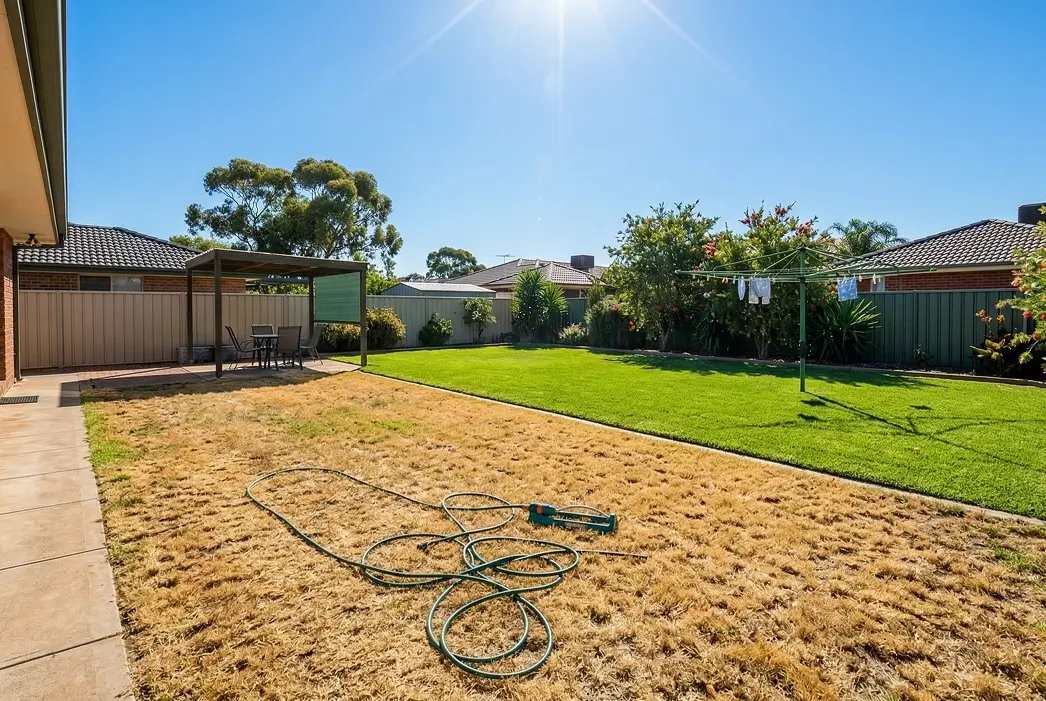
There's a common scene played out across Australian suburbs every summer: the scorching sun beats down, the lawn starts to crisp at the edges, and the homeowner reaches for the hose in a panic. The result? Sky-high water bills, frustratingly patchy grass, and often, a lawn suffering from fungal diseases caused by well-meaning but misguided watering habits. If your yard looks more like a patchwork quilt than a lush, green oasis, you're likely making some common lawn watering mistakes to avoid. The good news is that watering smarter not harder can transform your outdoor space while saving you money and conserving our most precious resource. This guide will walk you through the six most damaging errors Aussie gardeners make and show you exactly how to fix them.
Mistake 1: Overwatering and Ignoring the "10mm Rule"
The most prevalent mistake among Australian homeowners is simply watering too much. We see a dry lawn and assume it needs more water, when in reality, most established lawns only need about 10mm of water per watering day what experts call the "standard drink" for your grass.
This isn't just a random figure; it's based on scientific research into grass root depth and water penetration. When you overwater, you're not doing your lawn any favours. You're actually:
- Promoting shallow root growth: Grass that never has to search for moisture stays weak and dependent on constant watering.
- Creating perfect conditions for fungal diseases: Damp soil and grass blades invite pathogens like brown patch and dollar spot.
- Wasting a precious resource: Australia is the driest inhabited continent on Earth, and every drop counts.
- Running up your water bill unnecessarily: That money could be better spent elsewhere in your garden.
The Fix: Perform the Catch Cup Test
To know exactly how long to run your sprinklers to achieve that perfect 10mm, you need to measure your system's output. Here's the simple method recommended by water authorities:
- Place several straight-sided containers (like tuna cans or catch cups) evenly across your lawn within the sprinkler's reach.
- Run your sprinkler for exactly 15 minutes.
- Use a ruler to measure the depth of water collected in each container.
- Calculate the average depth across all cups.
- Now, do the math: if you collected 6mm in 15 minutes, you need to run your sprinkler for 25 minutes to reach 10mm.
This simple test removes all guesswork and ensures you're giving your lawn exactly what it needs nothing more, nothing less.
Mistake 2: Watering at the Wrong Time of Day
Timing isn't just important for comedy; it's critical for lawn health. Many Aussies water whenever it's convenient often in the evening after work or in the middle of a scorching afternoon. Both are problematic.
- Evening wateringleaves grass blades damp overnight, creating a humid environment where fungal diseases thrive. The combination of darkness, cooler temperatures, and standing moisture is an open invitation for mould and mildew to establish in your lawn.
- Midday wateringis almost as bad, though for different reasons. Under the intense Australian sun, a significant portion of the water evaporates before it ever reaches the soil. You're essentially paying to water the air. Furthermore, water droplets on grass blades can act like tiny magnifying glasses, potentially scorching the leaves.
The Fix: Water in the Early Morning
The gold standard is watering between 4:00 AM and 8:00 AM . Here's why this window works perfectly:
- Temperatures are cool, minimising evaporation.
- Winds are typically calm, ensuring water lands where you intend.
- The grass has time to dry out during the day, reducing fungal risk.
- Water pressure is often higher due to lower domestic demand.
If early morning isn't possible, late afternoon (after 4:00 PM) is an acceptable second choice, provided you finish early enough that the grass dries before nightfall.
Mistake 3: Watering Blindly During Rainy Seasons
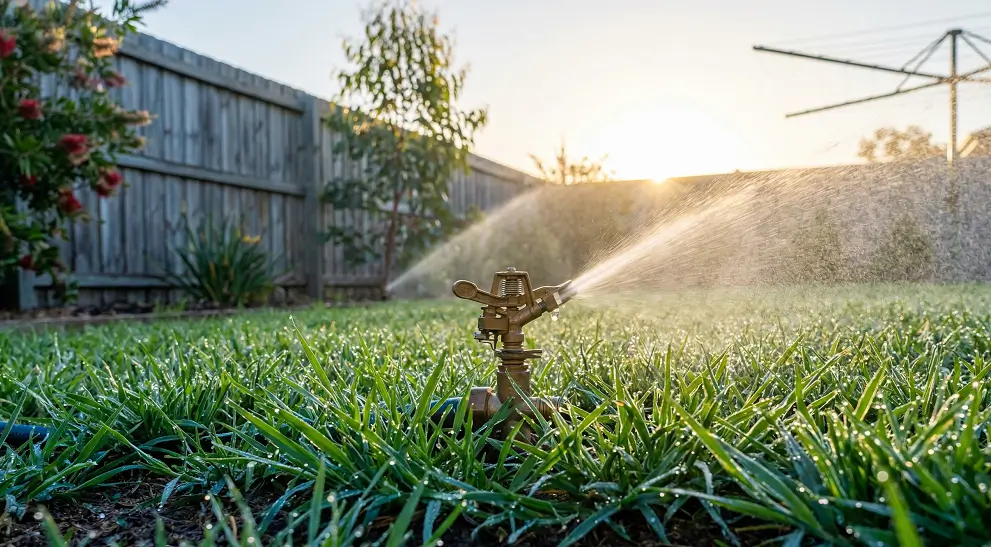
Australia's weather is famously unpredictable. We can have a downpour at 3 AM followed by a scorcher at noon. Yet many homeowners set their tap timers and forget them, allowing irrigation systems to run even during or immediately after significant rainfall. This is not just wasteful; it actively harms your lawn by waterlogging the soil and leaching away nutrients.
Traditional tap timers are "dumb" devices they follow a schedule regardless of actual conditions. They can't tell the difference between a dry spell and a week of monsoon rain.
The Fix: Use Weather-Adaptive Technology
Modern yard care relies on real-time data to make smarter decisions. To avoid the hassle of manual adjustments and the waste of watering in the rain, using a weather-adaptive smart controller like the Aiper IrriSense syncs with local weather forecasts to automatically delay watering when rain is predicted, preventing waste. This system connects directly to Bureau of Meteorology data, ensuring your lawn only gets watered when it actually needs it not when a pre-set timer tells it to.
Beyond rain skipping, these smart controllers also adjust for temperature, humidity, and seasonal changes, ensuring your watering schedule evolves with the conditions rather than remaining static and outdated.
Mistake 4: Frequent, Shallow Watering
The "quick sprinkle every day" habit is one of the most damaging lawn watering errors you can make. It feels productive you see the water hitting the grass and assume you're doing good. In reality, you're training your lawn to be weak and dependent.
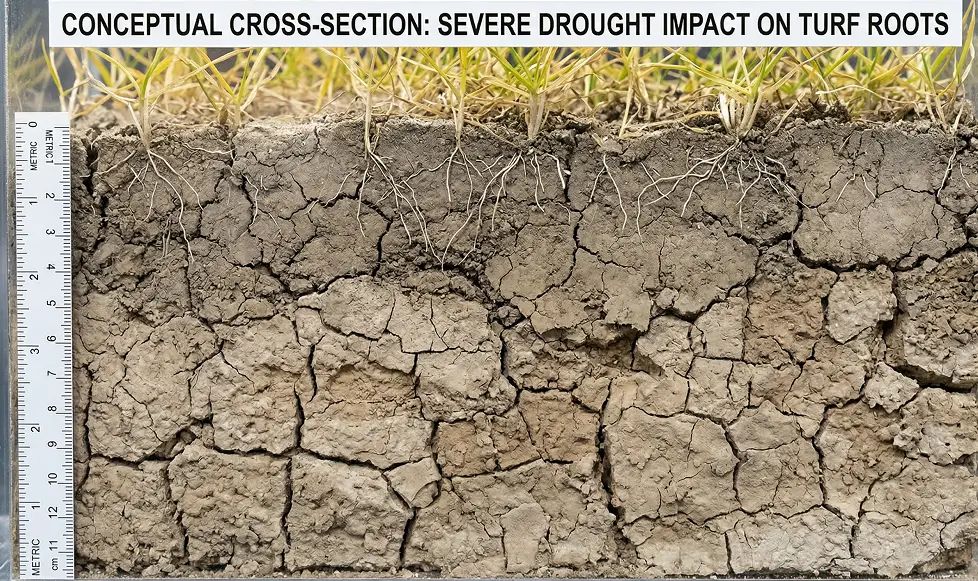
When you water shallowly and frequently, moisture only penetrates the top few centimetres of soil. Grass roots, being opportunistic, will stay in this moist upper layer rather than sending roots deep into the soil profile. The result is a lawn with a shallow root system that has no access to deeper moisture reserves during hot, dry spells. As soon as you skip a day or two of watering, the surface dries out and the grass suffers immediate stress.
The Fix: Water Deeply and Infrequently
The mantra for healthy Australian lawns is "deep and infrequent." The goal is to soak the soil to a depth of 15–20 centimetres with each watering, then allow the soil to dry out partially before the next soak.
This approach encourages roots to grow downward, seeking moisture deep in the ground. A lawn with deep roots is:
- More drought-tolerant and resilient during summer.
- Better able to access nutrients throughout the soil profile.
- Less dependent on frequent irrigation.
- More stable and less prone to thatch buildup.
Depending on your soil type, this might mean watering once or twice a week rather than every day. Sandy soils drain quickly and may need more frequent watering than clay soils, but the principle of encouraging depth remains the same.
Mistake 5: Treating the Entire Yard as One Zone
A common assumption is that all areas of your garden have the same water needs. Walk outside and look critically at your yard is it truly uniform? The shaded backyard under the big gum tree is very different from the full-sun nature strip out front. Garden beds with shrubs and flowers have different requirements than the lawn. Sloped areas may experience runoff faster than flat zones.
When you treat everything the same, you inevitably overwater some areas while underwatering others. The shaded spots stay constantly damp (inviting fungi), while the sunny, exposed areas remain parched.
The Fix: Create Hydrozones in Your Yard
Professional landscapers divide gardens into "hydrozones" areas grouped by similar water needs based on sun exposure, soil type, and plant type . Your lawn might be one zone, your garden beds another, and your potted plants a third.
This is why advanced irrigation systems feature multi-zone controls, allowing users to customise duration and frequency for different microclimates in the yard. With a smart controller like the Aiper IrriSense, you can program separate schedules for each zone longer, less frequent watering for the lawn; shorter, targeted irrigation for garden beds all managed from a single app . This precision eliminates waste and ensures every part of your garden gets exactly what it needs.
Smart vs. Traditional Watering: A Comparison
To help visualise the difference upgrading your approach can make, here's a clear comparison:
| Feature | Traditional Tap Timer | Smart Weather-Based Controller (e.g., Aiper IrriSense) |
|---|---|---|
| Water Savings | None—runs on fixed schedule regardless of need. | Up to 40% savings by adjusting to weather and soil conditions. |
| Weather Response | Manual—you must turn it off before rain. | Automatic—syncs with BOM forecasts to skip watering when rain is predicted. |
| Zone Management | Single zone only, or requires multiple separate timers. | Multi-zone control for customized watering across different yard areas. |
| Convenience | Requires frequent manual adjustments seasonally. | Set once; automatically adjusts schedules based on real-time data. |
| Lawn Health Impact | Prone to over/underwatering depending on season. | Optimizes moisture levels for deeper roots and stronger turf. |
| Remote Access | None—must be physically at the tap. | Full control via smartphone app from anywhere. |
Summary for a Greener Lawn
Achieving a healthy, resilient Australian lawn doesn't require endless hours with a hose or sky-high water bills. It simply requires avoiding the common irrigation mistakes that plague so many homeowners. Remember these key principles:
- Follow the 10mm rule: Use the catch cup test to measure your sprinkler output and water only what your lawn actually needs.
- Water in the early morning: This golden window minimises evaporation and reduces fungal disease risk.
- Let technology handle the weather: Smart controllers eliminate the waste of watering during rain.
- Water deeply, not frequently: Train your roots to go deep for drought-resistant turf.
- Zone your yard: Give shaded areas and sunny spots the different schedules they require.
This weekend, take a fresh look at your irrigation habits. Perform the catch cup test, adjust your watering times, and consider whether upgrading to a weather-adaptive system could transform your yard. Your lawn and your water bill will thank you.

Frequently Asked Questions
How do I know if my lawn is overwatered?
Several signs indicate overwatering: the soil feels constantly squishy or spongy underfoot; mushrooms or fungal growth appear; grass blades develop yellowing or pale green colour; or you notice increased weed growth, particularly sedges and other moisture-loving plants. Runoff during watering is another clear indicator that you're applying water faster than the soil can absorb it.
How can I fix a lawn damaged by bad watering habits?
The first step is correcting your watering practices immediately switch to deep, infrequent watering early in the morning. Then, aerate the soil to improve drainage and oxygen flow to roots. If thatch has built up (a spongy layer of dead organic material), consider dethatching. Apply a slow-release fertiliser to support recovery, and be patient it may take several weeks for the lawn to show significant improvement.
Is it better to water grass every day or every other day?
For most Australian lawns and soil types, watering every other day or even less frequently is better than daily watering. Daily, shallow watering promotes weak, shallow root systems that are highly susceptible to heat stress. Watering deeply every 2-3 days (or according to your local water restrictions) encourages roots to grow deeper, creating a more drought-tolerant lawn. Always adjust based on your specific soil type sandy soils may need more frequent watering than clay soils, but the deep and infrequent principle still applies.
References
Water Corporation. (n.d.). How long should I run my sprinklers for? Retrieved from How Long To Run A Sprinkler - Water Corporation