
Why Your Lawn Needs "Probiotics" (Not Just N-P-K) & Precise Watering

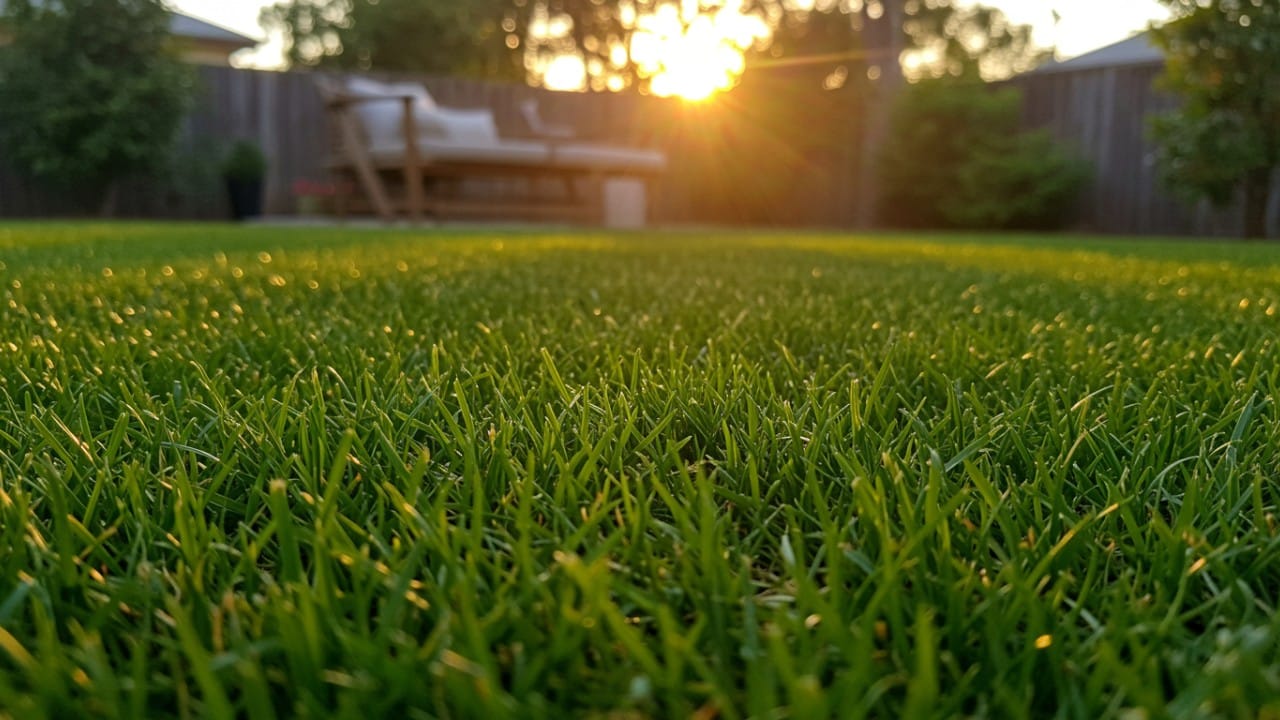
It is an aggravation that is familiar to many homeowners in Australia. You water the lawn on time, you fertilise it, and you still have brown patches, soil compaction, or grass that is so worn out and thin. This issue is further highlighted in the middle of an extreme Aussie summer, where lawns are barely green even with all the effort made on them.The obvious answer is to increase the use of fertiliser. However, loading N-P-K usually complicates the situation. N-P-K is simply food. When there is no working "digestive system" in the soil of your lawn, those nutrients remain trapped. In this regard, lawn probiotics and soil microbes are very important.
To have a perfectly healthy, drought-resistant lawn, you must have two things functioning together:
- Active soil microbes to unlock nutrients and enhance the structure of the soil.
- Precise watering to keep those microorganisms alive.
Neither works effectively without the other to achieve long-term results.
The Underlying Dilemma of Relying on N-P-K
Artificial fertilisers have the benefit of providing a quick visual boost to your lawn, yet in the long run, they cause greater harm to Australian soils. Salts are present in most N-P-K products, and when you use them season after season, the salts do not dissolve. They accumulate in the soil, gradually damaging beneficial bacteria, decomposing organic substances, and turning once-soft ground into hard, compacted soil.
Studies conducted by CSIRO indicate that healthy soil is not so much about the addition of nutrients. It relies on biological organisms, proper structure, and organic matter in combination. With the decline of such life in the soil, the ground becomes deprived of natural air spaces. Water cannot soak in correctly, roots cannot grow deep, and irrigation runs off the surface rather than going where it is most needed.
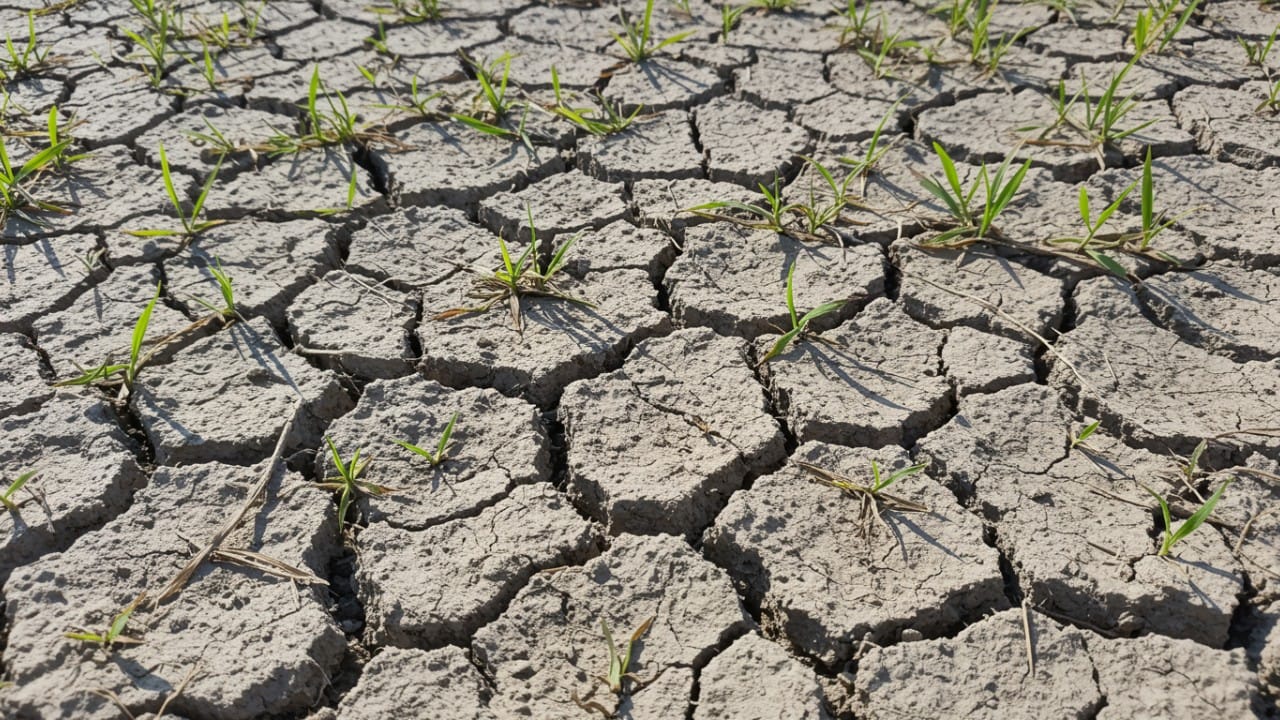
Agriculture Victoria also notes that good soil structure enhances water retention and root development. When the soil loses its structure, water flows over the surface rather than being absorbed in the root zone. This is the reason why most Australian lawns feel rock-hard yet have to be watered continuously.
When such is the case, your water bill is on the rise, while your lawn health declines. The issue is not a deficiency in nutrients. It is a deficiency of living soil capable of retaining water and processing such nutrients efficiently.
What Are Lawn Probiotics & Why Do They Matter?
Lawn probiotics are living organisms added to the soil to restore biological functions. They contain beneficial microbes, including fungi and bacteria like Bacillus species. They do not feed the grass directly as fertiliser does. Instead, they enhance the soil ecosystem so that the grass roots can access nutrients naturally.
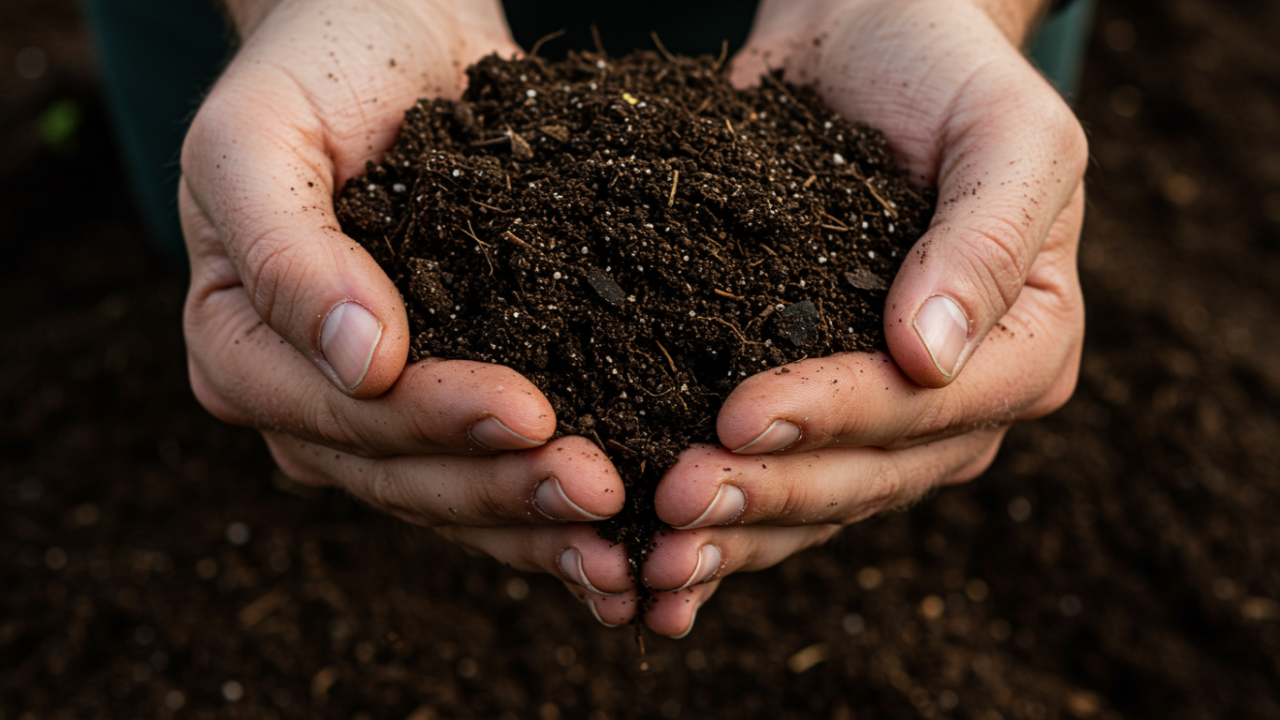
- Nutrient Unlocking: One of the advantages of these N-P-K fertiliser alternatives is nutrient unlocking. Microbes in the soil transform nutrients into forms that are available to plants. Your soil may already have nitrogen, phosphorus, and potassium, but without microbial activity, the grass roots are not able to effectively absorb them.
- Thatch Breakdown: Another advantage is thatch breakdown. Typical Australian grasses such as Buffalo, Kikuyu, and Couch form thick thatch layers. Dead organic matter is consumed by microbes, decreasing thatch accumulation and enhancing airflow and moisture penetration.
- Water Retention: Microbes also enhance water retention. They produce a sticky compound known as glomalin which binds soil particles together. This enhances the soil structure and helps sandy Australian soils retain moisture effectively, which is crucial for drought resistance.
Healthy lawns begin below the ground, where soil life does the real work.
Water: The Switch That Activates Your Soil Microbes
Soil microbes are living organisms, and thus, water management is the determinant of their survival or failure. There is a high probability that using probiotics without correcting watering habits will lead to disappointing results.
Soil microbes require a narrow balance:
- Too Dry: Microbes become dormant or die, rendering probiotic treatments ineffective.
- Too Wet: Oxygen is crowded out, forming anaerobic conditions that kill beneficial microbes and promote root disease.
This balance is very hard to attain when watering by hand. Hand watering is inconsistent. Conventional tap timers operate irrespective of rain, temperature fluctuations, or humidity. The Australian weather is another challenge, bringing unexpected heatwaves, dry winds, and pouring rain.
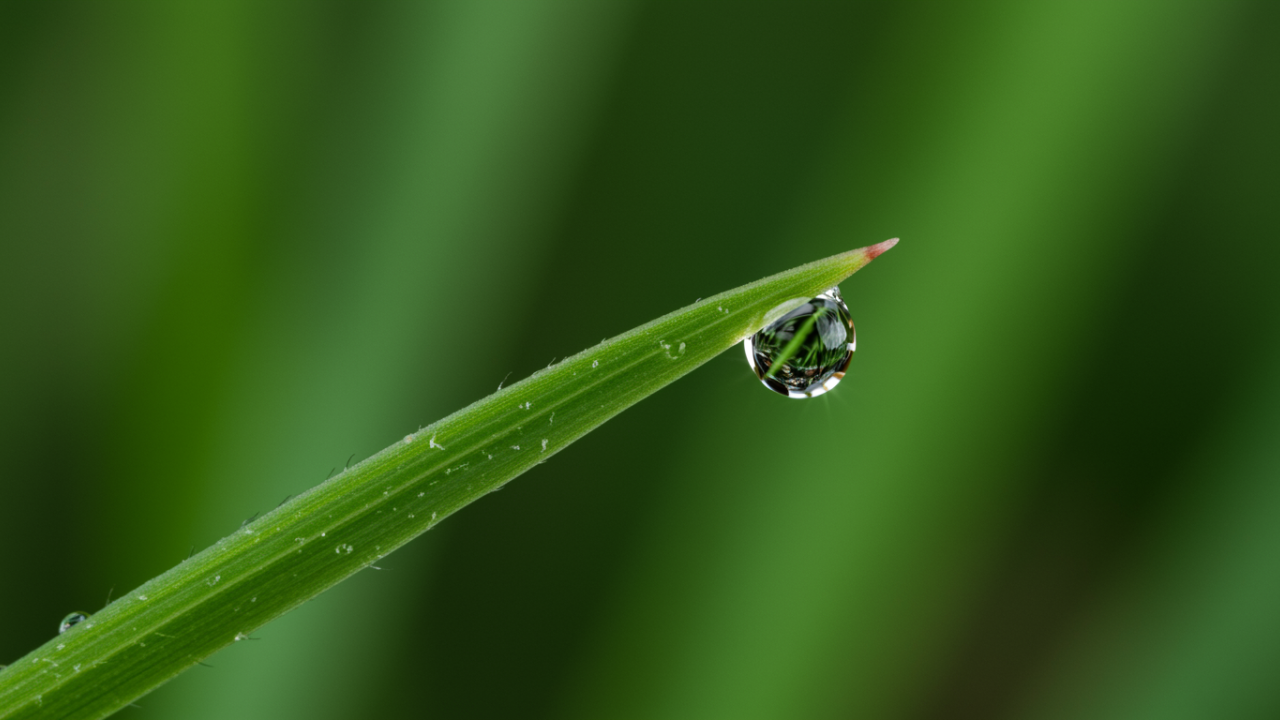
Microbial populations fluctuate without water regulation. Soil biology is like a light that is turned on or off depending on the presence of water. Precision is much better than volume when it comes to sustaining living soil.
How Smart Irrigation Creates the Perfect Habitat
Smart irrigation systems are more than automated sprinklers. They function as soil life support systems by maintaining stable moisture conditions that allow soil microbes to thrive.
Smart irrigation adapts to Australian weather patterns automatically. Using local weather data, these systems delay watering when rain is forecast and adjust cycles during heat spikes. This prevents both drought stress and over-watering, protecting soil biology from extreme conditions.
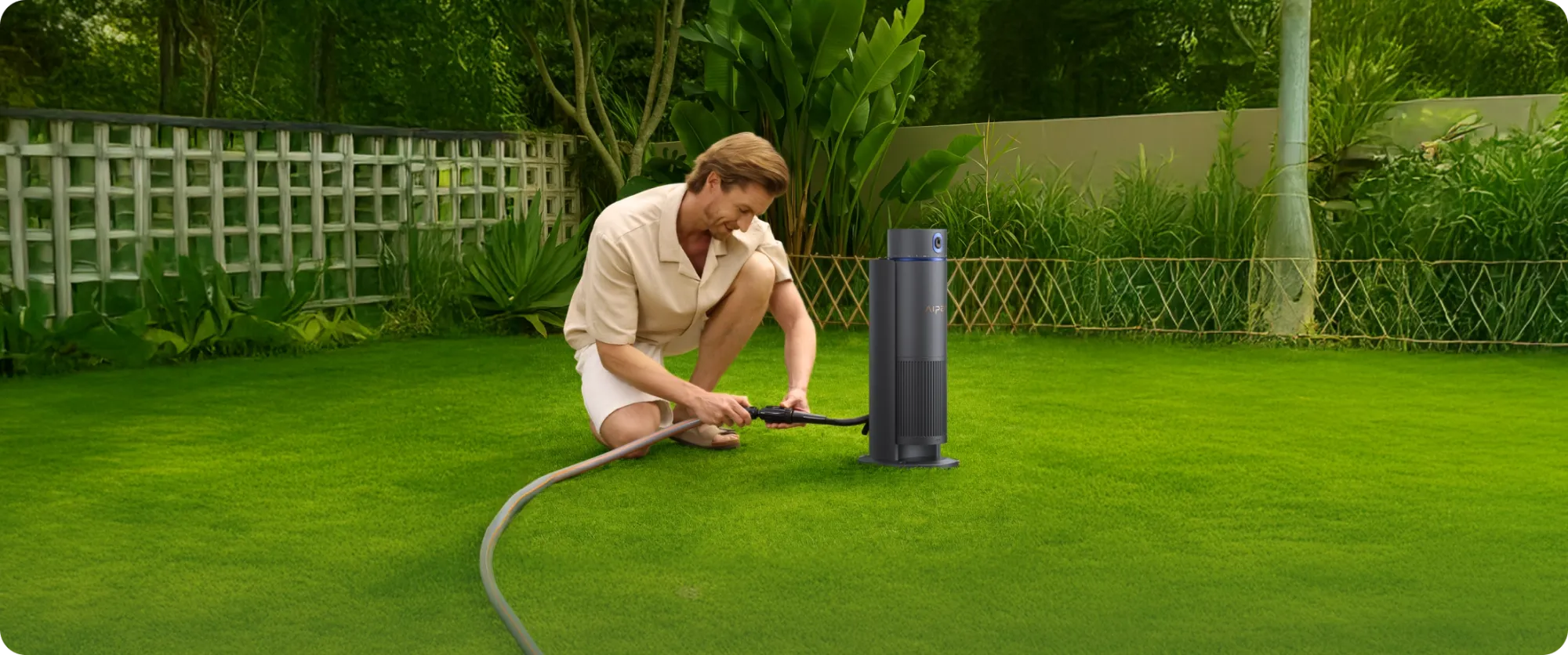
Precise app-based control ensures consistent, deep watering that promotes downward root growth rather than shallow surface roots. Deep roots improve drought tolerance and allow microbes to remain active in the root zone for longer periods.
Manual watering often varies day to day based on time, weather, and memory. Smart irrigation removes human error entirely. The soil receives the right amount of water at the right time, every time.
Below is a comparison of standard watering versus smart irrigation from a soil health perspective:
| Feature | Standard Watering | Smart Irrigation |
|---|---|---|
| Water Usage | High and wasteful | Optimised and efficient |
| Microbe Health | Dries out or drowns | Stable and thriving |
| Nutrient Absorption | Nutrient leaching | Maximised uptake |
By maintaining consistent moisture, smart irrigation creates the ideal environment for lawn probiotics to deliver long-term results.
Conclusion
Having a healthy green lawn does not simply lie in what you pour onto it. What is more important is what is taking place under your feet. It all depends on living soil, active microbes, and the correct amount of water to keep the grass alive through heat, dry spells, and daily wear.
Keep the process simple if you desire long-term results:
- Aerate: Physically or liquid aerate the soil to allow free movement of air and water.
- Inoculate: Add lawn probiotics to restore soil life to do the hard work on your behalf.
- Automate: Eliminate the guesswork of watering with a smart irrigation system such as Aiper IrriSense to keep moisture levels consistent, even as the weather changes.