
Best Mowing Height for Your Lawn: Grass Cutting Height Chart Australia
The ideal mowing height in Australia varies by grass type, with recommended ranges for Couch, Buffalo, Kikuyu, Zoysia and more. Mow higher in heat, shade, drought or when lawns are stressed, follow the one-third rule, and avoid scalping for a healthier, weed-resistant lawn year-round.

Many Australian homeowners know they shouldn't scalp their lawn, but the real question remains: what is the right mower height? It’s a common source of confusion, because the best setting isn't the same for everyone. It depends entirely on your grass type, the season, and your lawn's specific conditions.
This guide includes a simple grass cutting height chart Australia homeowners can use right away. More importantly, it explains how to choose the best point within that range, so you can stop guessing and start mowing with confidence.
How to Pick the Best Mowing Height for Your Lawn
Choosing the right mowing height isn't about cutting as low as the mower will go. It's about matching the setting to your lawn's needs to keep it healthy, even, and easier to maintain.
Different grasses grow and recover differently. A height that suits a fine-leaf Couch lawn will stress a broad-leaf Buffalo. The "best" height is usually a range, not one fixed number, because the correct choice often shifts with weather, sunlight, and lawn stress. The goal is to find the sweet spot where your grass stays thick enough to crowd out weeds and protect its roots, but is still short enough to look neat.
Grass Cutting Height Chart Australia
Use this chart as your starting point. It provides the recommended mowing height range for the most common Australian lawn types.
| Grass Type | Recommended Mowing Height | Best Choice for Most Home Lawns | Mow a Little Higher When |
|---|---|---|---|
Couch |
10–30 mm |
20 mm |
In hot weather, or if the lawn is stressed. |
Buffalo |
30–50 mm |
40 mm |
In shade, or during dry periods. |
Kikuyu |
20–40 mm |
30 mm |
If the lawn struggles in winter, or during drought. |
Zoysia |
15–35 mm |
25 mm |
In shaded areas, or for a softer feel underfoot. |
Queensland Blue Couch |
20–40 mm |
30 mm |
During its slower growing season in cooler months. |
Tall Fescue |
30–50 mm |
40 mm |
In hot, dry summers to protect the crown. |
Ryegrass / Cool-Season Blends |
25–40 mm |
35 mm |
During the heat of summer, to reduce stress. |
How to Choose the Right Height Within the Range
A range gives you flexibility. Here's how to decide whether to mow at the lower or higher end for your specific grass type.
Choose the lower end if you want a neater look and the lawn is growing strongly
Some finer grasses, like Couch and Zoysia, handle lower mowing very well. You can aim for the bottom of their range if your lawn is healthy, receives plenty of sun, and is actively growing. This produces a manicured, carpet-like appearance. However, you must still stay within the safe range for that grass type. Lower mowing encourages lateral growth in varieties like Couch, helping it thicken up, but only when the lawn is strong enough to recover quickly.
Choose the higher end if lawn health matters more than a close-cut look
A slightly taller lawn keeps more leaf area, which means more energy for the plant and better protection for the root system. This is often the safer option for family lawns that see a lot of foot traffic or for homeowners who prefer a lower-maintenance approach. Taller mowing is more forgiving if conditions are not ideal—it shades the soil, reduces weed germination, and gives the grass a buffer against stress.
When You Should Raise Your Mowing Height
Moving to the higher end of the recommended range isn't a sign of neglect. It's a smart adjustment to protect your lawn. Here are the key times to raise the deck.
During hot weather
Hot conditions place significant stress on lawns. Raising your mowing height allows the grass to retain more moisture and keeps the soil surface cooler. Taller blades also mean deeper roots, which help the lawn withstand heatwaves without browning off. If your lawn is already showing signs of heat stress after summer, check this guide on How to Revive a Dead Lawn After Summer: 5 Easy Steps.
In shaded parts of the lawn
Grass growing in shade has a harder time photosynthesising. It needs more leaf area to capture available light. If you mow shaded areas at the same height as sunny parts of your lawn, the grass will gradually thin out. Raising the height in these spots helps maintain density and health.
During dry periods
When rainfall is scarce and watering is restricted, mowing too short can expose the soil and accelerate moisture loss. A taller lawn acts like a living mulch, reducing evaporation and helping the grass survive dry spells with less stress.
When the lawn already looks weak
If your lawn is showing signs of stress—patchy colour, slow growth, or visible wear—the safest approach is to raise the mowing height. Cutting a struggling lawn short adds further stress and delays recovery. Keeping it at the higher end of the range gives it the best chance to bounce back.
Signs Your Lawn Is Being Cut Too Short
Sometimes the signs of incorrect mowing height are obvious, but other times they creep up slowly. Here's what to look for.
The lawn looks scalped or patchy
If you notice exposed brown stems, uneven colour, or areas where the mower has scraped the soil, you are cutting too low. Scalping removes too much of the leaf blade, leaving the lawn vulnerable and unsightly.
The lawn dries out faster than expected
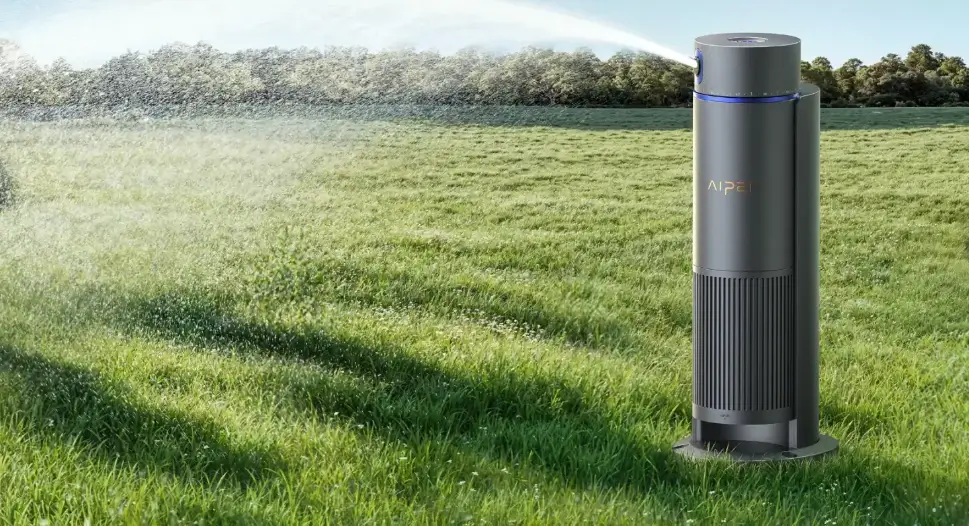
A lawn that feels dry or looks wilted soon after watering or rain may be cut too short. Grass blades provide shade for the soil surface. Without that protection, moisture evaporates rapidly, and the lawn struggles to stay hydrated. If uneven watering is also part of the problem, a smart irrigation tool like AIPER IrriSense 2 can help maintain more consistent moisture levels across the yard and reduce extra stress between mows.
Recovery is slower after mowing
A healthy lawn greens up again within a few days of mowing. If your lawn looks stressed, yellowed, or slow to recover for a week or more after cutting, the mowing height is likely too low for its current condition.
How Often to Mow to Keep the Right Height
Choosing the correct height is only half the job. Mowing frequency determines whether you actually stay within that range between cuts.
There is no single mowing schedule for every Australian lawn. Growth rate changes with grass type, season, rainfall, and watering habits. The best habit is to mow often enough that the lawn stays within its recommended range—never letting it grow so tall that a single cut removes too much leaf. A simple rule is the one-third rule: never remove more than one-third of the grass blade in a single mow. If your lawn has become overgrown, bring it down gradually over several cuts rather than dropping the deck dramatically in one go. This prevents scalping and allows the grass to adjust without unnecessary stress.
Common Mistakes When Choosing a Mower Height
Avoiding these common errors will help you get the most out of the height chart and keep your lawn in better condition.
Using the same mower setting for every lawn type
If your property has different grass varieties in different areas, treat them separately. A setting that suits Kikuyu may leave Buffalo looking ragged and stressed. Adjust the height based on the grass type in each zone.
Always choosing the lowest setting
Shorter is not automatically better. While a very low cut may look tidy immediately after mowing, Brisbane City Council also notes that cutting lawn too short increases evaporation and promotes weed growth. The lowest setting should only be used when it falls within the safe range for your grass type and when the lawn is healthy enough to handle it.
Lowering the deck too quickly
Dropping the mower height by several notches in one session is a recipe for scalping. If you need to reduce the height significantly, do it over two or three mows, lowering the deck a little each time. This gives the lawn time to adjust.
Ignoring lawn condition
Mowing height should not be a set-and-forget decision. Shade, heat, drought, and seasonal changes all affect how your lawn responds to cutting. Pay attention to current conditions and adjust accordingly.
Final Takeaway
Start with your grass type and use the chart as your baseline. From there, choose the lower or higher end based on lawn health, sun exposure, and weather conditions. The best mowing height is the one that keeps your lawn looking good without putting it under extra stress. Mow regularly enough to stay within the range, and adjust when conditions change. A well-chosen height makes for a healthier, easier-to-maintain lawn all year round.
FAQ
What is the best mowing height for grass in Australia?
There is no single best height for all lawns. It depends on your grass type. Most lawns should be kept within a recommended range rather than at one exact number. Use the chart above to find the range for your variety, then adjust based on season and lawn health.
Should buffalo and couch be cut at the same height?
No. Couch generally tolerates lower mowing and performs well at 10–30 mm, depending on the variety. Buffalo, on the other hand, prefers to be kept at 30–50 mm. Cutting Buffalo as low as Couch will stress the lawn, thin it out, and encourage weeds.
Is it bad to mow grass too short?
Yes. Cutting grass too short—often called scalping—removes too much of the leaf blade, which weakens the plant, exposes the soil, and makes the lawn more vulnerable to heat, drought, and weeds. It also gives the lawn a patchy, uneven appearance.
Should I raise the mowing height in summer?
In many cases, yes. Heat, dryness, and increased sun exposure all place stress on lawns. Raising your mowing height to the higher end of the recommended range helps the grass retain moisture, protect its roots, and stay greener through the warmer months.