
How Long Do Robotic Pool Cleaners Last? (And How to Extend Their Lifespan)
A quality robotic pool cleaner in Australia typically lasts 3–7 years, but with proper care—like rinsing, smart storage, and balanced water—you can push that lifespan even further and get far better value from your investment.

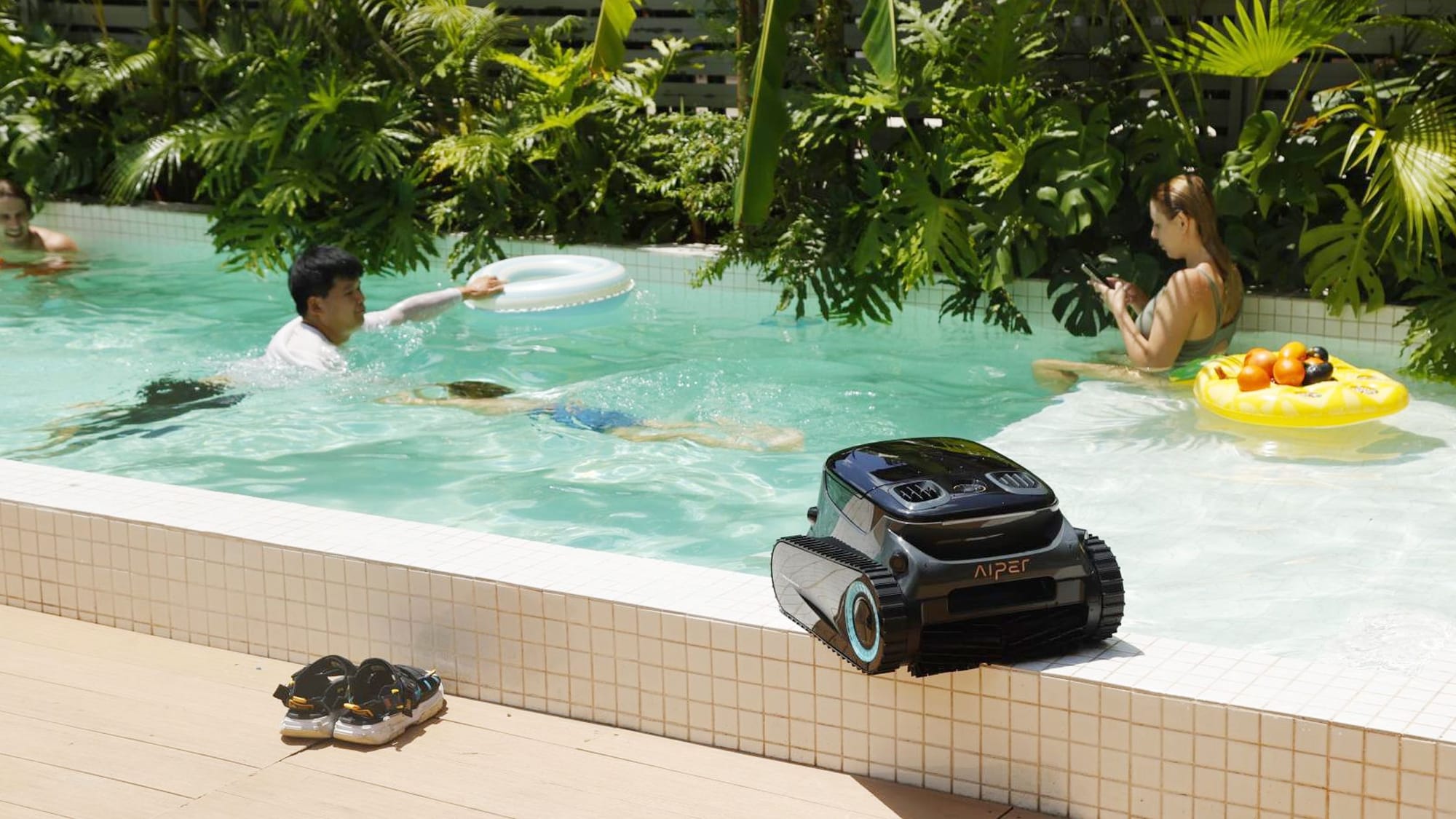
There's nothing quite like the appeal of a crystal-clear pool during a long Aussie summer. The good news? You don't have to spend your weekends manually vacuuming to achieve it. Robotic pool cleaners have transformed backyard maintenance, offering a hands-free solution that keeps your water sparkling. But if you're in the research phase tired of manual cleaning and ready to invest you're likely asking the same critical question as thousands of other Australian homeowners: how long do robotic pool cleaners last? Is the investment truly worth it?
Here's the direct answer you came for: a quality robotic pool cleaner typically lasts between 3 to 7 years. Some premium models, with proper care and robust build quality, can even reach 5 to 8 years or more. The lifespan depends heavily on factors like build quality, usage frequency, pool chemistry, and most importantly how well you maintain the unit. This guide will walk you through exactly what affects longevity, how to maximise your robot's working life, and which Aiper models are built to thrive in demanding Australian conditions.
4 Key Factors That Affect Your Pool Robot's Lifespan
Understanding what determines your robotic cleaner's durability helps you make an informed purchase and protect your investment. Several critical factors come into play.
Pool Chemistry (The Invisible Enemy)
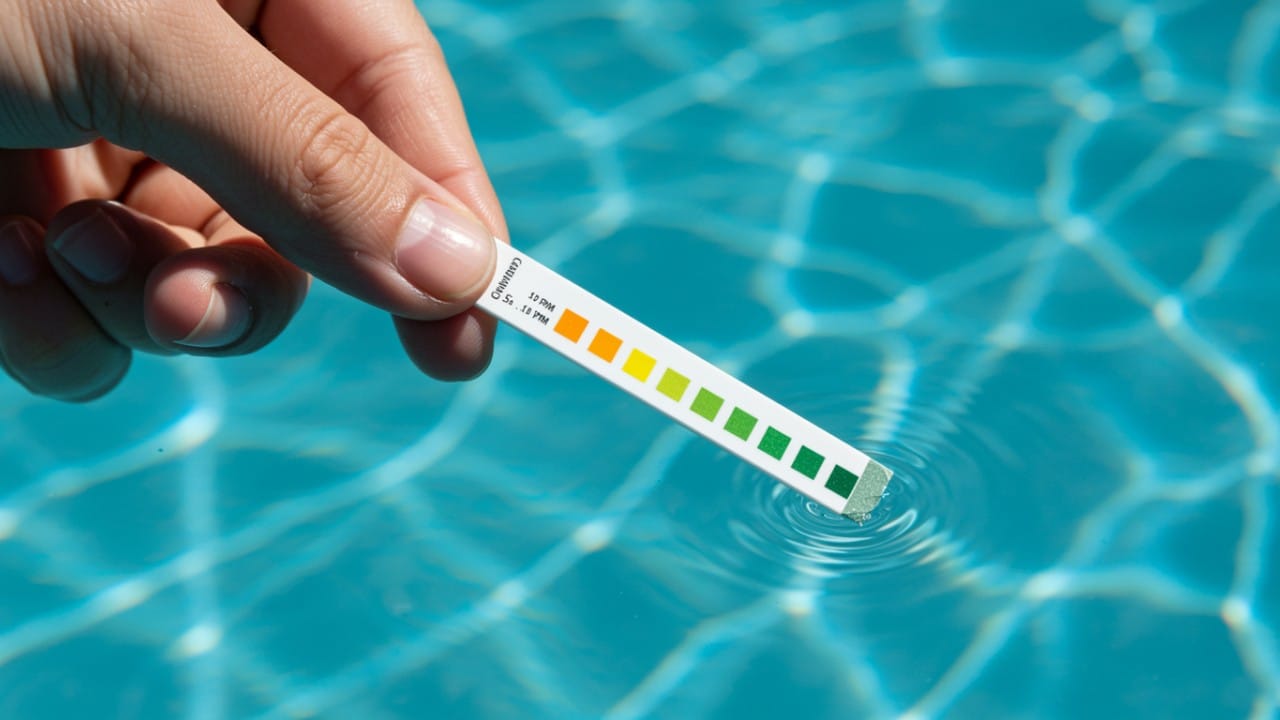
The chemical balance of your pool water is arguably the most significant factor affecting your cleaner's lifespan. Unbalanced water whether in saltwater pools common across Australia or freshwater pools with improper pH can be devastating to internal components.
High chlorine levels, imbalanced pH, or leaving your robot in the pool during chemical shock treatments can corrode seals, degrade plastic housings, and damage motor components over time. Saltwater pools are particularly demanding; while most modern robotic cleaners are designed to handle saltwater environments, the corrosive nature of salt means that rinsing your robot with fresh water after every use isn't optional it's essential. Proper pool chemistry maintenance protects both your cleaner and your investment.
Operating Environment and Debris Load
Australian gardens present unique challenges. Those beautiful eucalyptus trees drop gum nuts and leaves that can make your pool cleaner work significantly harder. Heavy debris loads force the motor to labour more intensely, potentially reducing its operational life. Fine sand, pollen, and the general "Aussie grime" that blows into pools all contribute to wear and tear. If your pool is located under trees or in a high-debris area, your cleaner will inevitably face more strain than one in a sheltered, low-debris environment. The size of your pool also matters larger pools mean longer cleaning cycles and more cumulative strain on components.

Sun Exposure and Storage Habits
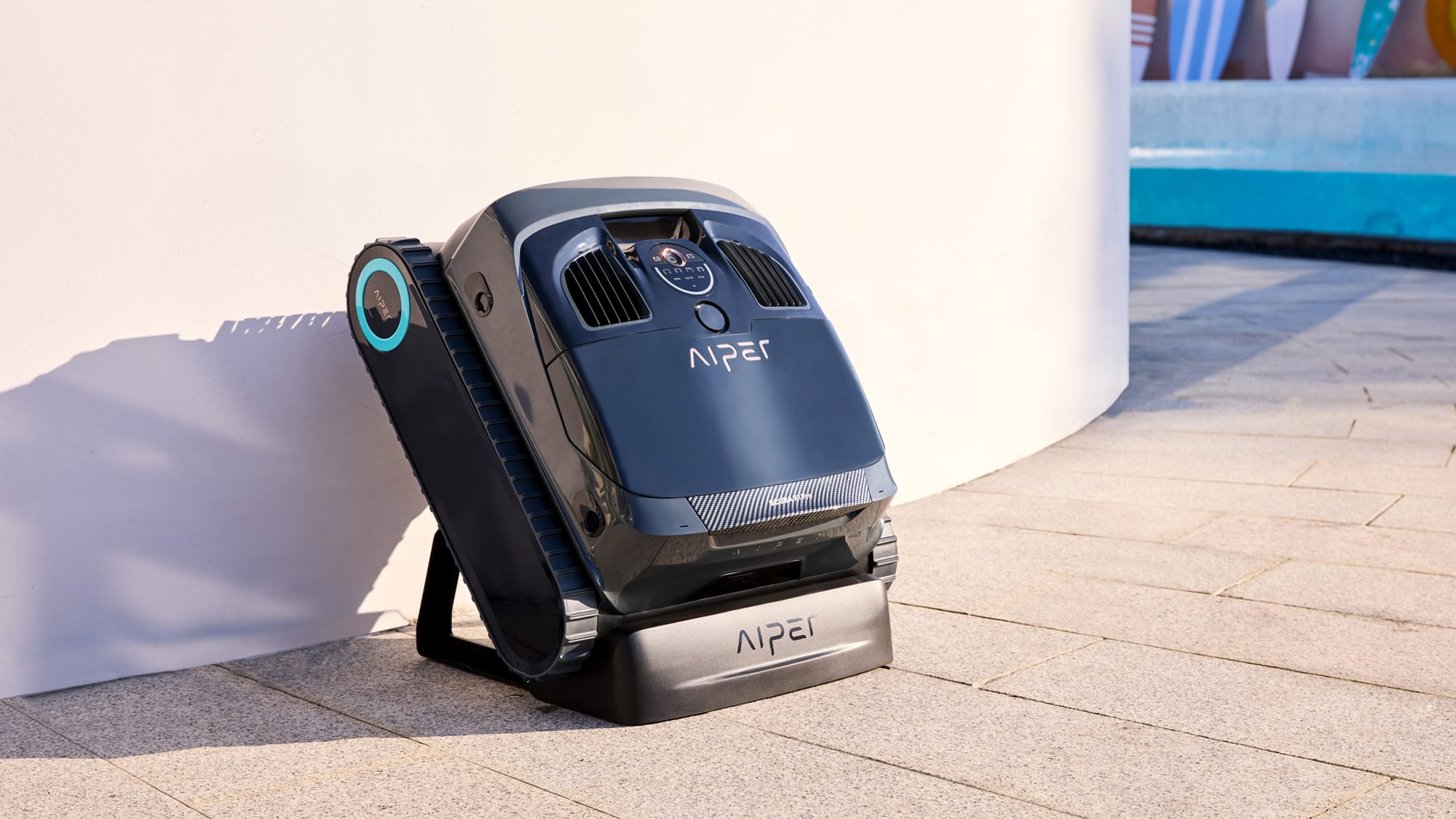
The harsh Australian UV sun is notorious for degrading plastics. Leaving your robotic pool cleaner sitting on the pool deck, baking in direct sunlight when not in use, will cause plastic components to become brittle and fade over time. This UV damage can lead to cracking and premature failure of housings, tracks, and seals. Proper storage in a cool, shaded, dry area is absolutely critical for maximising lifespan. Ideally, store your cleaner on its caddy or stand to prevent stress on moving parts and keep it out of the elements.

Build Quality and Engineering
Not all robotic pool cleaners are created equal. The baseline lifespan is fundamentally determined by the quality of materials and engineering. Units built with marine-grade plastics, UV-resistant components, and corrosion-resistant brushless motors naturally last longer especially in demanding Australian conditions. Premium models feature advanced internal components designed to withstand constant exposure to water, chemicals, and mechanical stress. As one expert puts it, "you really do get what you pay for" when it comes to pool cleaners. Cheaper, off-brand units with thin plastic shells and weaker motors are far more prone to breakdowns within just a few years.
How to Maximize the Lifespan of Your Cordless Pool Cleaner
Knowing how long do robotic pool cleaners last is only half the equation. The other half is taking proactive steps to extend that lifespan. These simple maintenance habits make a dramatic difference.
- The Freshwater Rinse is Non-Negotiable: After every single use especially if you have a saltwater pool rinse your robot thoroughly with fresh water. Pay particular attention to the casing, brushes, tracks, and any moving parts. This simple step removes chlorine, salt, and mineral residues that otherwise build up and cause stiffness or corrosion over time.
- Empty and Clean the Filter Basket Promptly: Don't let debris sit and rot inside the filter. After each cleaning cycle, remove the filter basket and rinse it thoroughly with a garden hose. A clogged filter forces the motor to work harder, leading to overheating and unnecessary strain. For deep cleaning, occasionally soak the filter in a mild detergent solution to dissolve oils and fine particles.
- Store Your Cleaner Properly in the Shade: Never leave your robotic cleaner in the pool when it's not running. Extended submersion, especially in chlorinated or saltwater, accelerates wear on seals and electronics. Store it in a cool, dry, shaded area—preferably inside a garage or shed and ensure it's completely dry before storage to prevent mould or mildew.
- Remove During Chemical Treatments: This is crucial. Never leave your robot in the pool when you're super-chlorinating, shocking, or balancing acid levels. The high chemical concentrations can degrade internal components, seals, and brushes almost immediately. Wait at least 24–48 hours after shocking before running your cleaner again.
- Inspect Brushes, Tracks, and Impellers Regularly: Check the brushes and tracks weekly for tangled hair, debris, or signs of wear. Flattened or cracked brushes need replacement. If you notice reduced suction or unusual noises, the impeller may be blocked—turn off and unplug the unit, then carefully remove any trapped debris.
Built to Last: Top Cordless Pool Cleaners for Australian Pools
While maintenance is vital, starting with a robust machine is the foundation of longevity. Aiper's cordless range is engineered specifically to withstand the harsh realities of Australian pools intense UV, high salt levels, and heavy debris loads. Here are two models that exemplify durable design and long-term value.
The Ultimate Investment for Longevity: Aiper Scuba X1 Pro Max
The Aiper Scuba X1 Pro Max represents the pinnacle of cordless pool cleaning technology, built for pool owners who demand the very best in performance and durability. Its construction is designed from the ground up for extended lifespan.
Built-in Durability Features:
- Aviation-Inspired Engine: Nine brushless motors and a fighter-jet-inspired TVC engine deliver immense power while being inherently more durable and longer-lasting than traditional motors.
- Robust Caterpillar Treads: The heavy-duty tracks are designed to minimise wear, even with frequent use on various pool surfaces.
- Smart Technology Reduces Wear: OmniSense+™ 2.0 mapping with 40 ultrasonic sensors creates a real-time pool map, enabling intelligent navigation that avoids aimless bumping and wasted battery/motor life. This efficiency directly contributes to longevity.
- Built for Australian Extremes: Lab-tested to withstand up to 50,000 ppm salt, 40 ppm chlorine, and extreme temperatures (−20 to 70°C), this machine is purpose-built for our conditions.
The Clincher—Warranty: The Scuba X1 Pro Max is backed by an industry-leading 36-month warranty that covers manufacturer's defects, battery, and motor. Plus, when you purchase through the Aiper Australia Official Website, you receive an exclusive extra 180-day warranty extension, offering unparalleled peace of mind.
The Reliable Workhorse: Aiper Scuba S1
For homeowners seeking proven reliability and excellent performance at a more accessible price point, the Aiper Scuba S1 is a standout choice. It delivers the durability you need without compromise.
Built-in Durability Features:
- Corrosion-Resistant Construction: Engineered with waterproof and corrosion-resistant materials, the Scuba S1 is designed to withstand varying weather conditions and the chemical demands of Australian pools.
- WavePath™ Navigation Technology 2.0: This intelligent navigation system ensures efficient, thorough cleaning without wasted movement, reducing unnecessary strain on the motor and battery.
- Easy Maintenance Design: The top-load filter makes the crucial task of cleaning the basket incredibly simple, encouraging the regular maintenance that extends lifespan.
The Clincher—Warranty: Even at its accessible price point, the Scuba S1 is backed by a solid 3-year warranty, providing immense peace of mind and demonstrating Aiper's confidence in its durability.
Frequently Asked Questions
Are cordless pool cleaners more durable than corded ones?
Yes, in several important ways. Cordless models eliminate the risk of cable tangles, cord wear-and-tear, and potential electrical hazards associated with long-term cable use. Without a cable to twist, fray, or drag, there are fewer components to fail. Modern cordless designs also allow for more complete waterproofing, as they don't require a charging port that could potentially leak over time.
When should I replace the battery in my robotic pool cleaner?
Lithium-ion batteries, like those in Aiper cleaners, typically last for several years. Aiper's batteries are warranted for three years, suggesting a lifespan of at least 1,000 charge cycles. Signs that a battery may need replacement include significantly reduced runtime (e.g., the cleaner no longer completes a full cycle) or the unit not holding a charge. Thanks to Aiper's strong warranty coverage, any battery issues within the warranty period are covered.
Can I leave my robotic pool cleaner in the water all the time?
It's not recommended. While robotic cleaners are waterproof and safe to use for extended cleaning sessions, continuous submersion can accelerate wear on seals, motor components, and plastic housings especially in chlorinated or saltwater environments. The best practice is to remove the cleaner after each cycle, rinse it with fresh water, and store it in a shaded, dry area.
Conclusion
The question how long do robotic pool cleaners last doesn't have a single answer because lifespan is something you actively influence. It's a combination of choosing the right brand built with quality materials and investing just five minutes of post-clean care after each use. By understanding the factors that affect durability pool chemistry, debris load, sun exposure, and maintenance you can ensure your investment pays off for years to come.
Why keep replacing cheap, short-lived cleaners when you can invest in durable, long-term performance? Explore the Aiper Australia store today to discover the Scuba X1 Pro Max and Scuba S1 both built to handle the toughest Australian conditions and backed by warranties that prove they're made to last.