
How to Get Sand Out of a Swimming Pool Quickly

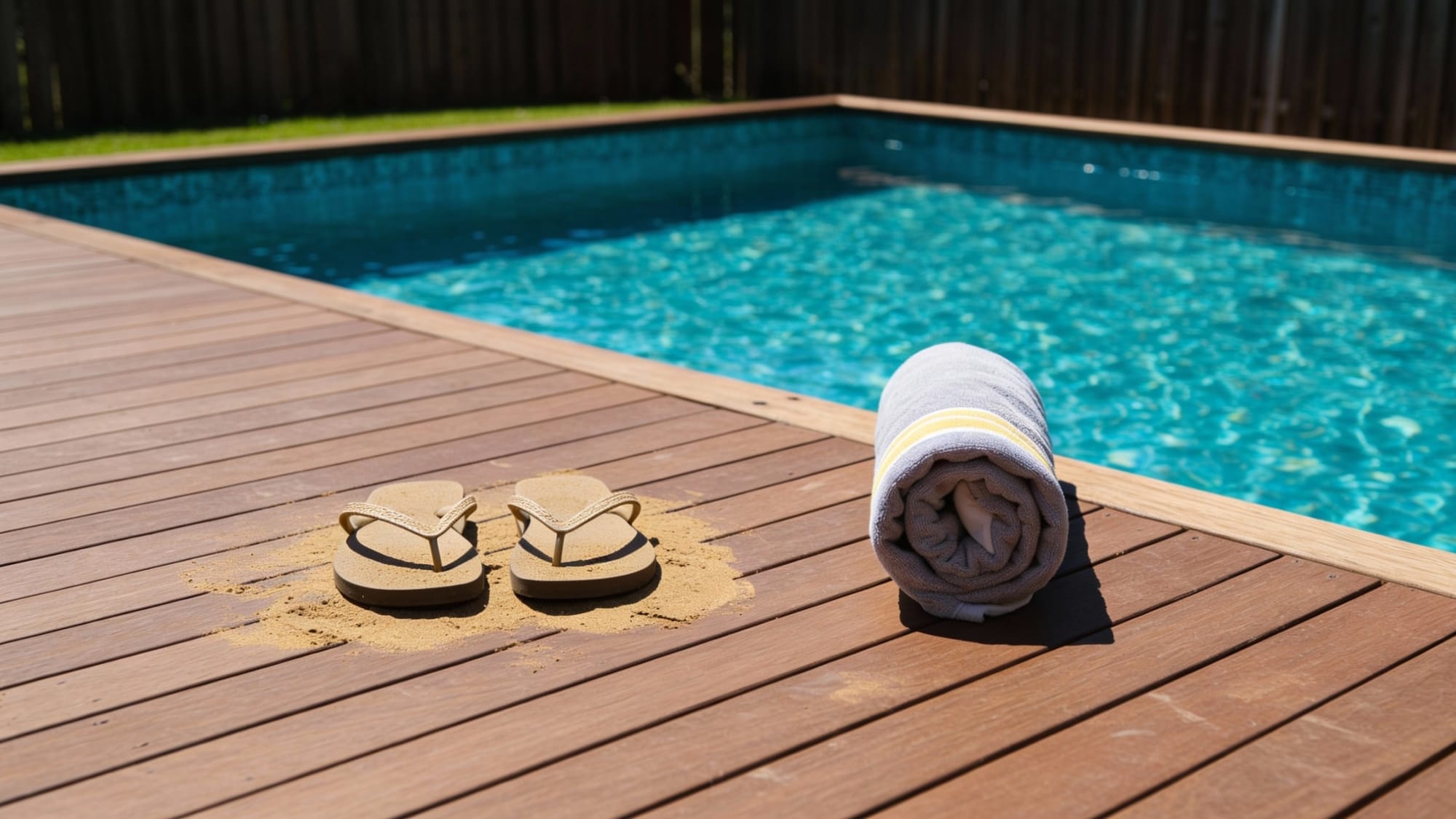
Australians love the beach. It is part of everyday life. Morning swims, weekend surf sessions, sandy kids, salty towels. The problem starts when the beach comes home with you and ends up in your pool. Stepping into the water and feeling gritty sand under your feet is uncomfortable, and it never feels clean. Many pool owners quickly start searching for how to get sand out of a swimming pool, especially after a busy summer weekend.
Sand in a swimming pool is not just about looks. According to myDr, beach sand carries a greater health risk than the water itself. It can hold higher levels of bacteria, including E. coli, which can cause illness if it stays in your pool. That makes this more than a cosmetic issue.
If you are searching for how to get sand out of a swimming pool, the first step is understanding where it is coming from. This guide will help you figure that out, then walk through the fastest and most effective ways to remove it without wasting water.
Why Is There Sand in My Pool?
Before you start cleaning, it is important to answer one question: why is there sand in my pool? If you do not fix the source, the sand will keep coming back, no matter how much you vacuum.
In most Australian homes, sand comes from outside. Swimmers bring it in on their feet, bathers, towels, toys, and swimwear. Wind can blow fine sand straight into the pool, especially in coastal areas. Landscaping can also play a role. Loose soil, nearby sand pits, or garden beds without edging can wash into the pool during rain.
There is another possibility that many pool owners miss. Sometimes the sand is coming from your pool system itself. This is often described as sand in the swimming pool from pump or filter issues. If you notice sand that looks sharp, evenly sized, and tends to collect near the return jets, it may be filter sand.
When this happens, the usual cause is a broken lateral inside the sand filter. These laterals are small arms that hold the filter sand in place. If one cracks, sand escapes back into the pool. In this case, vacuuming will not solve the problem. You will need to inspect the system by checking your sand filter system and learning how to backwash and maintain your filter properly. If the damage is confirmed, repairs are needed before cleaning the pool.
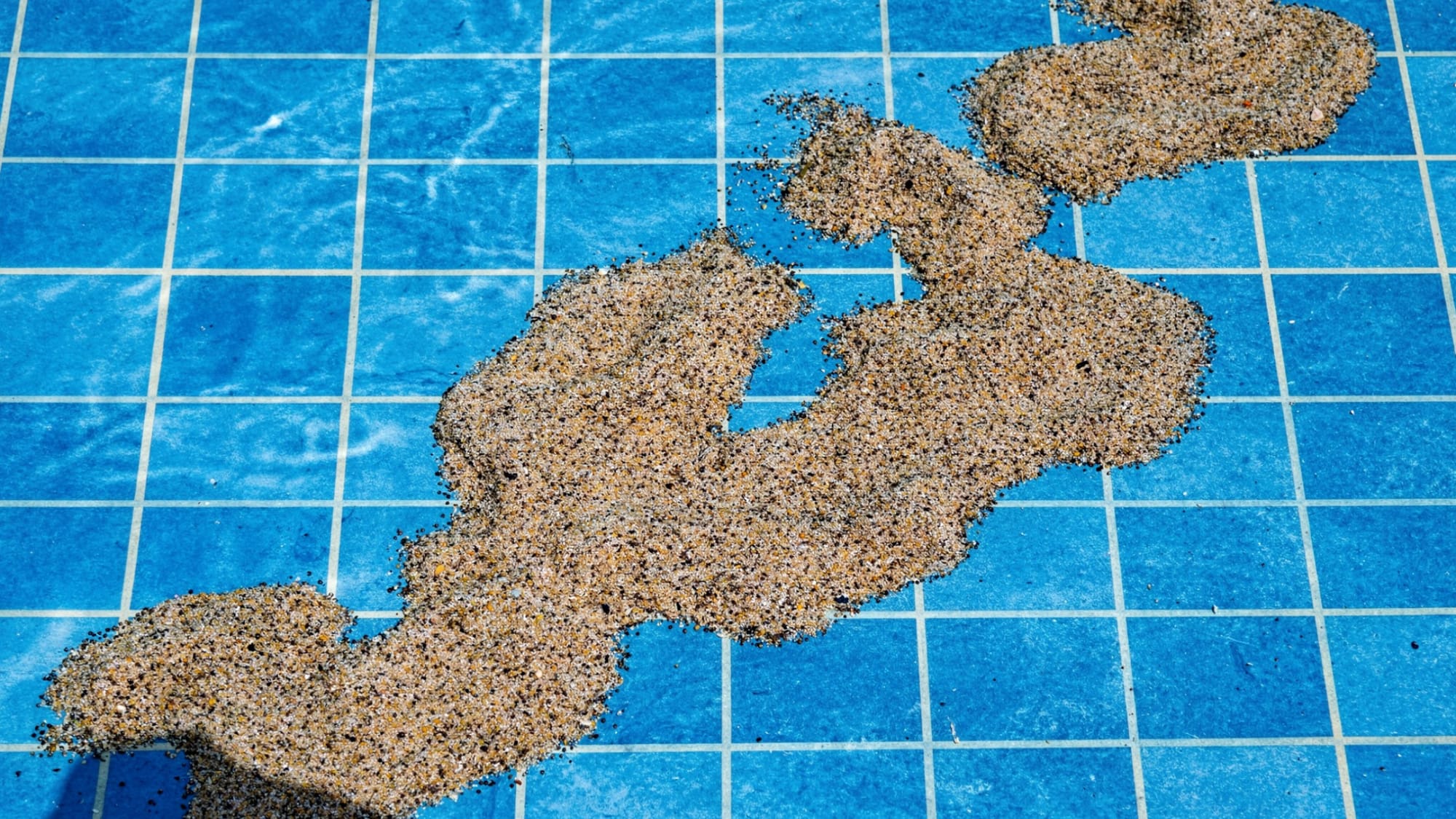
Manual Methods for Sand Removal
Once you know the sand is coming from swimmers or the environment, you can focus on removal. Manual methods can work, but they come with effort, time, and water loss. Many people looking to remove sand from a swimming pool naturally start here.
Method 1: Vacuuming to "Waste"
Vacuuming to waste is the most direct way to remove sand. You set your pool’s multiport valve to “Waste” and vacuum the sand straight out of the pool. This stops the sand from passing through the filter and returning to the water.
The downside is water loss. A lot of it. In Australia, where water conservation matters, this method can feel costly. Vacuuming to waste can drop your water level quickly, sometimes by hundreds of litres. After that, you need to refill the pool and rebalance the chemicals. This adds time, cost, and extra water usage.
It works, but it is not efficient.
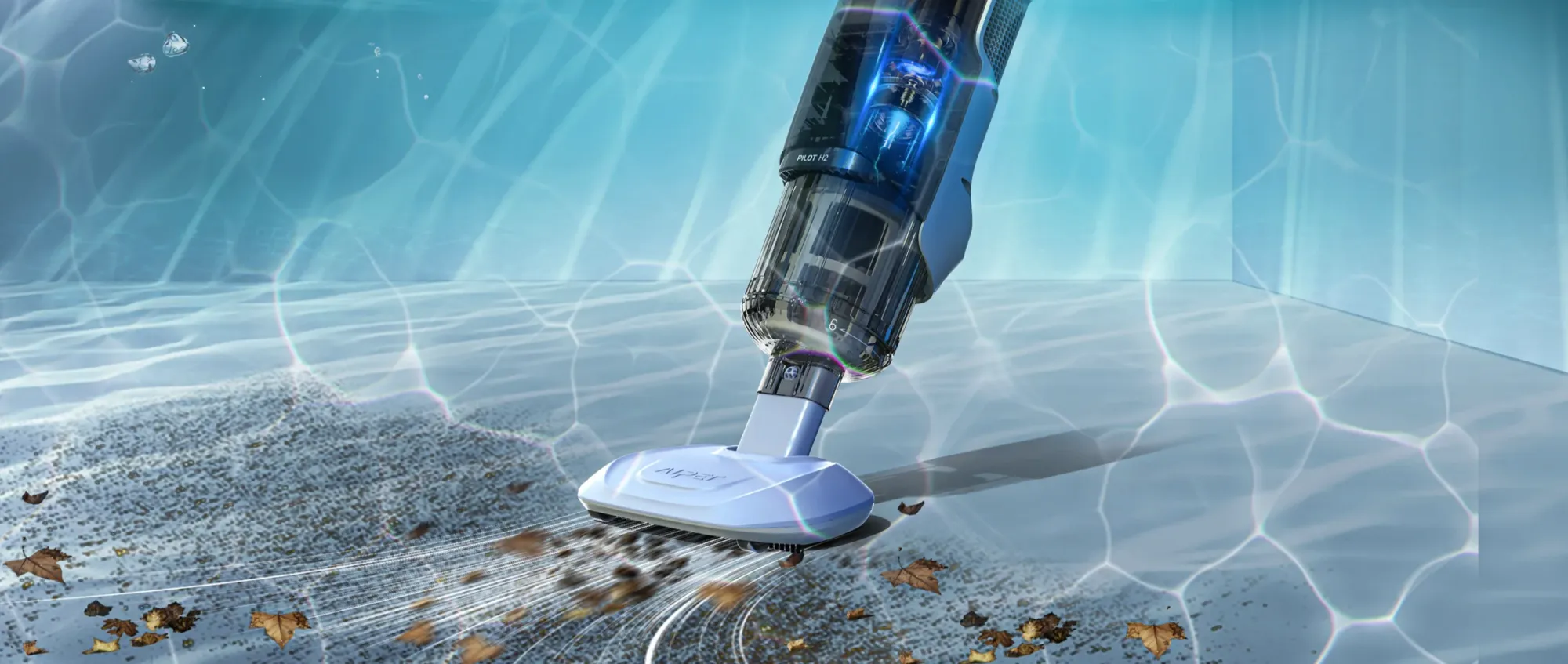
Method 2: The Pool Brush Technique
Another option is brushing the sand towards the main drain and letting the filtration system catch it. This method uses less water, but it has limits. Brushing often stirs the sand into the water, making it cloudy. Fine particles can take hours to settle, and some may pass straight through the filter and resettle later.
This also puts strain on your pump and filter, especially if there is a lot of sand. It is a short-term fix, not a clean solution.
Automatic Cleaning with Robotic Pool Cleaners
For pool owners who want a faster and more water-smart option, robotic pool cleaners are becoming the go-to choice. They are especially useful in Australian conditions, where fine beach sand is common and water efficiency matters.
Modern robotic cleaners use fine filtration systems designed to trap very small debris. Unlike standard vacuums, they do not rely on your pool pump. They work independently and recirculate the water already in your pool.
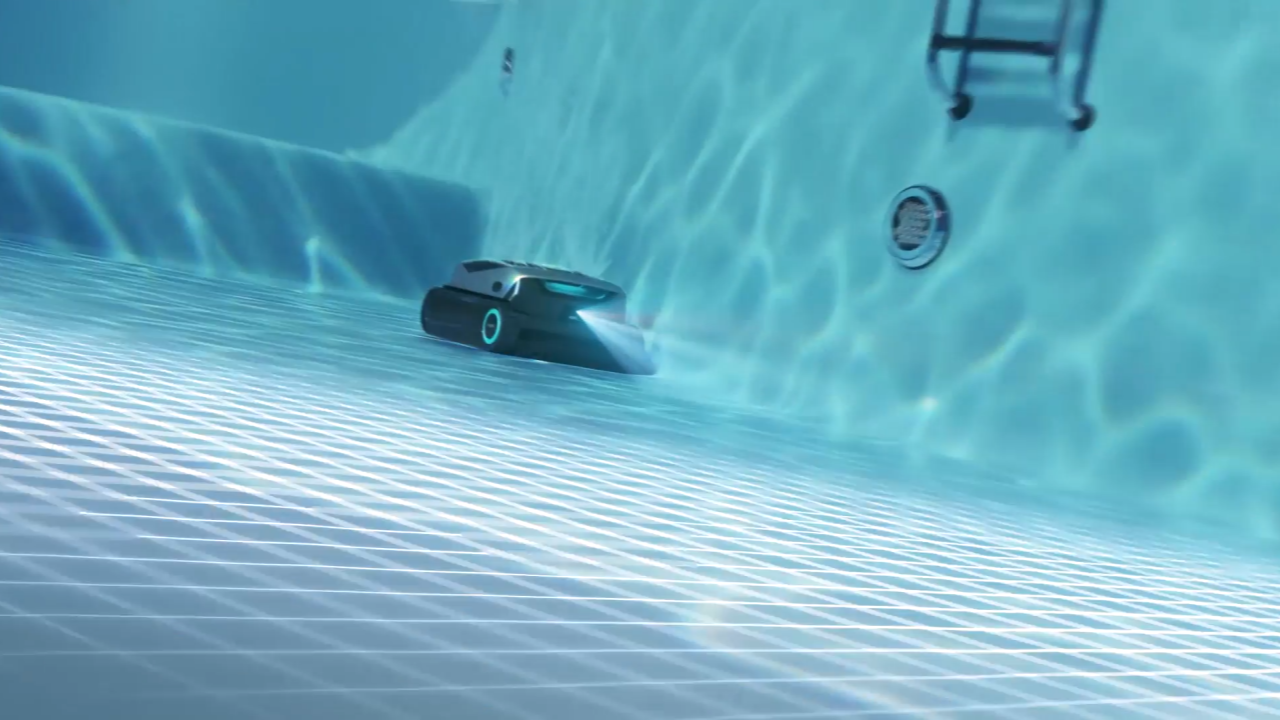
Advanced robots, like those in the Scuba series, use fine micron filters that can capture sand instead of stirring it up or sending it back into circulation. This makes them ideal for dealing with beach sand without draining the pool.
Here is a simple comparison:
|
Feature |
Manual Vacuum (Waste Mode) |
Robotic Pool Cleaner |
|
Water Usage |
High, drains pool water |
Zero additional water |
|
Effort Required |
High, manual and time-consuming |
Low, set and let it run |
|
Chemical Loss |
Yes, chemicals lost with water |
No chemical loss |
|
Filtration Quality |
Depends on filter condition |
Fine filtration for sand |
The key difference is water use. Manual waste vacuuming removes sand by dumping water. Robotic cleaners remove sand while keeping every litre in the pool. Aiper robotic cleaners are designed to handle fine debris like Australian beach sand efficiently, making them a practical long-term solution.
Simple Ways to Prevent Sand Accumulation
Once your pool is clean, prevention makes a big difference.
- Set up a rinse station near the pool gate. A simple hose or shallow foot bath encourages swimmers to rinse off sand before entering the pool.
- Look at your landscaping. Low plants, ground cover, or small retaining walls help block wind-blown sand. Secure loose soil and avoid placing sand features close to the pool.
- Keep beach gear clean. Rinse surfboards, wetsuits, and towels on the lawn or driveway, not in the pool. These small habits reduce how much sand reaches the water in the first place.
Conclusion
Getting sand out of a pool starts with knowing where it comes from. If the sand is from a broken filter, repairs come first. If it is beach sand, manual methods work but waste water. For many Australian pool owners, robotic cleaners offer a cleaner, smarter way forward.
By choosing the right approach, you protect your pool, save water, and keep your swim safe and comfortable. Explore Aiper’s range of cleaners built for fine sand and everyday Australian pool use.
FAQ
Will sand damage my pool pump?
Yes. Sand is abrasive. Over time, it can wear down pump impellers and seals, reducing efficiency and shortening equipment life.
How do I remove sand without a vacuum?
You can brush and net, but fine sand is hard to catch this way. It often resettles. Suction or robotic filtration is usually needed for full removal.
Why does sand keep coming back after I vacuum?
This often points to a broken filter lateral or gaps in pool paving that allow sand to wash back in. Identifying the source is key to stopping the cycle.