
Best Mowing Height for Summer: How to Keep Your Lawn Green in the Heat

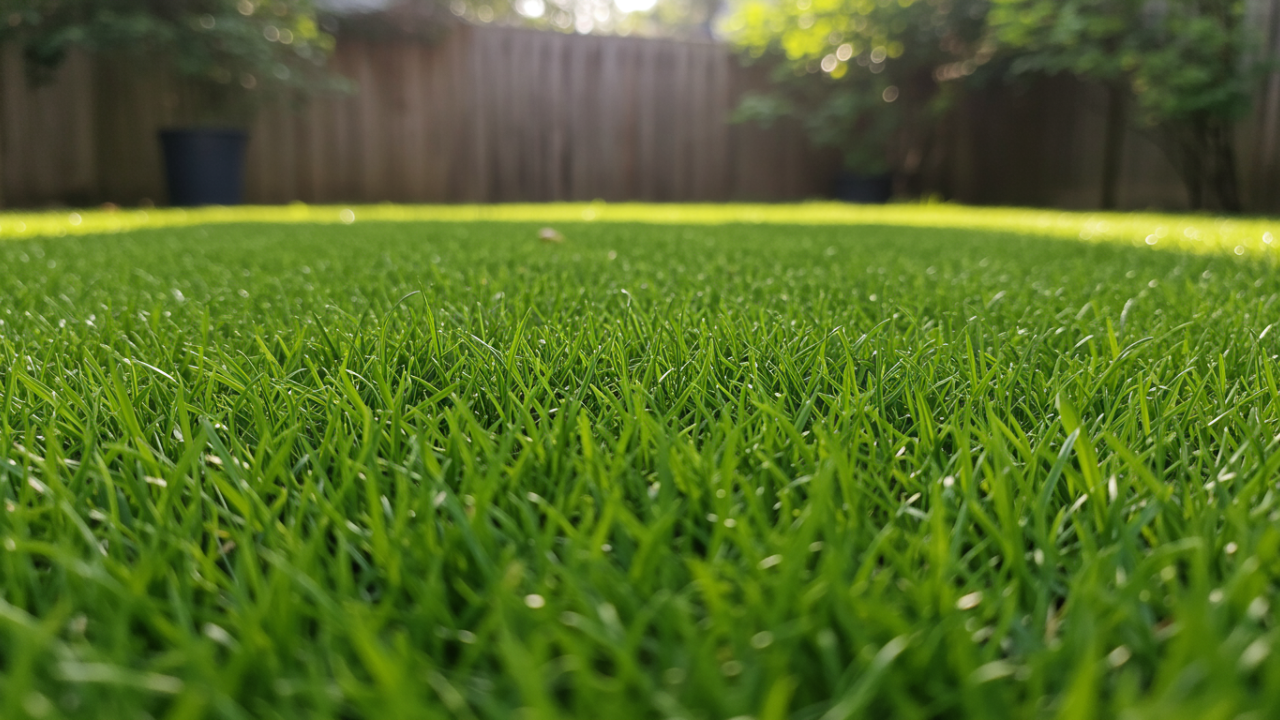
We’ve all seen it happen. One week your lawn is lush and vibrant, and the next—after a few days of scorching July heat—it’s starting to look a bit like a crispy, yellow doormat.
It is tempting to chop the grass short to keep it looking "neat and tidy" for summer BBQs, right? But here is the hard truth: giving your lawn a "buzz cut" in the middle of a heatwave is basically suffocating it. That super-short cut exposes the soil to the baking sun, fries the roots, and invites weeds to take over.
So, how do you fix it? The secret isn't just dumping more water on it; it starts with finding the best mowing height for summer. By simply raising your mower blade, you create a natural shade for your soil, keeping the roots cool and locking in moisture.
In this guide, we’ll walk you through exactly how high to cut (depending on your grass type) and how pairing that with smart watering can save your lawn—and your water bill—this season.
What Is the Best Mowing Height for Summer? (The Golden Rule)
The best mowing height during the summer season depends on the type of grass you have, but the general rule is simple: mow high, not low. Taller grass blades act as a canopy, shading the soil to prevent moisture evaporation and keeping the roots cool.
For most cool-season grasses, experts recommend a mowing height of 3 to 4 inches (approximately 7.6 to 10.2 cm) in the summer. Warm-season grasses can be cut slightly lower, but should still be raised higher than their spring settings.
Recommended Summer Mowing Heights by Grass Type
| Grass Type | Summer Mowing Height |
|---|---|
| Cool-Season Grasses | |
| Tall Fescue | 3.5 – 4 inches |
| Kentucky Bluegrass | 3 – 3.5 inches |
| Perennial Ryegrass | 3 – 3.5 inches |
| Warm-Season Grasses | |
| Bermuda Grass | 2 – 2.5 inches |
| Zoysia Grass | 2 – 2.5 inches |
| St. Augustine | 3 – 4 inches |
Research from the University of Minnesota Extension confirms that higher mowing heights improve root depth and heat tolerance in cool-season grasses. Similarly, the Clemson Cooperative Extension recommends raising mower decks during hot weather to reduce stress on warm-season lawns. These university-backed guidelines form the foundation of proven summer lawn care practices across the United States.
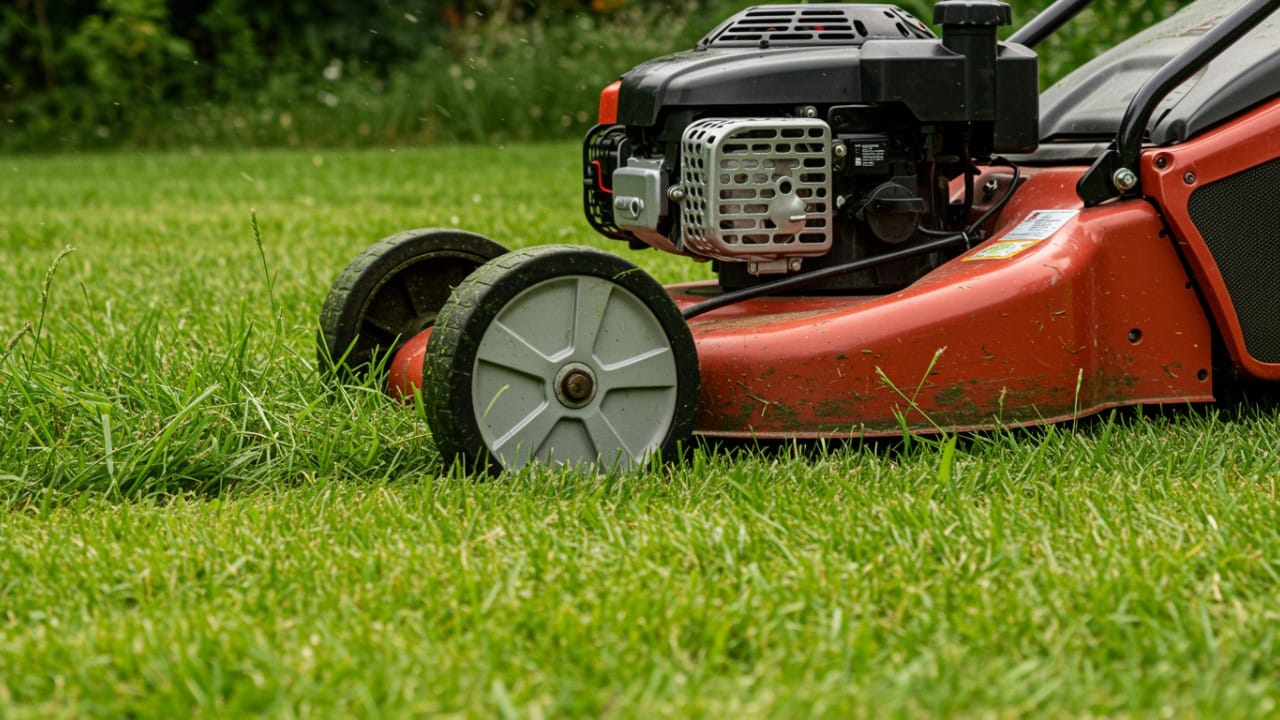
The Science: Why Taller Grass Survives Heat
Taller grass naturally protects itself, making it more resistant to summer heat. Long blades stimulate deep root growth, and deep roots are able to reach moisture stored in lower layers of the soil. Additionally, tall lawns cover the soil surface, keeping it cool and significantly reducing water loss due to evaporation.
Deep Roots Hold More Moisture
The height of the grass shoots and the depth of the roots are directly related. By maintaining the proper mowing height, you encourage the grass to root deeper. Deep roots can access water reserves that shallow roots cannot reach, which is critical during a heatwave. Conversely, cutting grass too short forces the plant to use energy to regrow blades rather than roots, leading to a shallow, weak root system.
Soil Shade Keeps Temperatures Lower
Long grass blades shade the soil surface effectively. This shielded soil maintains lower temperatures and loses less water to evaporation. Bare or scalp-cut soil heats up quickly, often forming a hard crust that blocks moisture absorption. This is why the ideal grass height is your first line of defense against drought.
More Leaf Area Means More Energy
Grass leaves act like solar panels. As the surface area increases, energy production through photosynthesis also increases. This energy helps the plant recover from heat stress, foot traffic, and mowing.
The “High Cut + Smart Water” Strategy
Mowing high protects the soil and reduces water loss, but grass still needs consistent moisture during summer. The key is to water deeply without wasting resources. This is where smart irrigation completes your lawn care strategy.
Why Smart Watering Matters in Summer
Summer soils can be deceptive—dry on top but moist underneath, or vice versa. Excessive watering leads to waste and shallow root growth, while under-watering causes thinning and stress. Striking the right balance is much easier with a smart sprinkler system that automatically adjusts for the season.
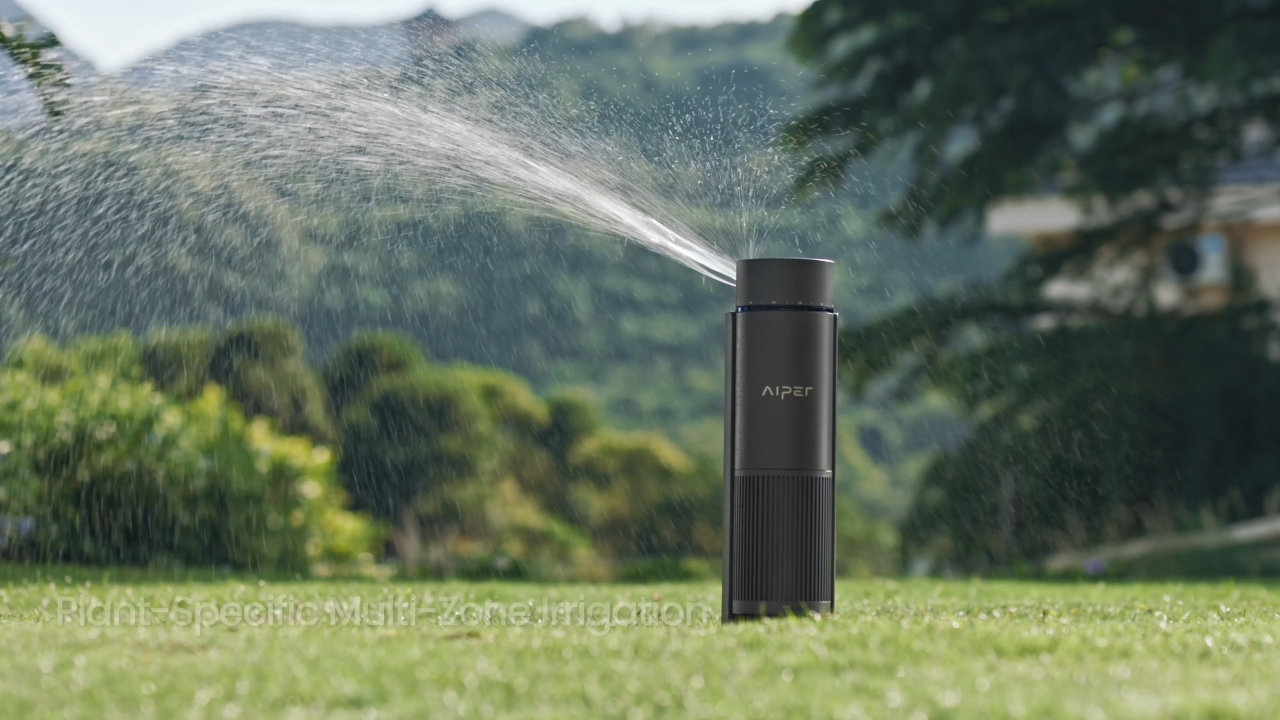
Introducing Aiper IrriSense 2 (4-in-1 Smart Sprinkler System)
The Aiper IrriSense2, the world’s first 4-in-1 smart sprinkler system, supports proper mowing habits by delivering water only when your lawn truly needs it. By integrating a controller, sprinkler, valve, and nutrient dispenser into one sleek unit, it removes the guesswork from summer watering.
- Weather-Sense Response: Summer weather is unpredictable. IrriSense 2 checks the weather forecast in real-time and automatically stops watering if rain is predicted. During heatwaves, it adjusts watering schedules to save up to 40% water, adhering to eco-friendly principles similar to EPA WaterSense guidelines. This precise hydration ensures your taller grass gets the water it needs without waste.
- EvenRain™ Technology: Dry summer soils can become hydrophobic (repelling water). IrriSense 2 utilizes EvenRain™ technology to supply water slowly and evenly, mimicking natural rainfall. This method allows water to penetrate deep into the soil without runoff, nourishing the deep roots you cultivated by mowing high.
- Custom Sun and Shade Zones: Most lawns have a mix of sunny spots and shady corners. With IrriSense 2, you can configure up to 10 custom zones. You can increase frequency for sunny areas where evaporation is high, and reduce it for shady areas, providing tailored care for your entire landscape.
3 Common Summer Mowing Mistakes to Avoid
Cutting grass the wrong way in summer can quickly stress your lawn. Avoid these common mowing mistakes to keep your grass healthy in the heat.
1. Scalping the Lawn
"Scalping" means cutting too much grass at once. This exposes the soil, shocks the plant, weakens the roots, and invites weeds to take over. Always follow the 1/3 Rule: never remove more than one-third of the grass blade in a single mow.
2. Using Dull Blades
Dull mower blades tear the grass rather than cutting it cleanly. Torn leaves lose moisture rapidly and develop brown, ragged tips that are susceptible to disease. Sharpen your blades at the start of summer to ensure clean cuts that heal quickly.
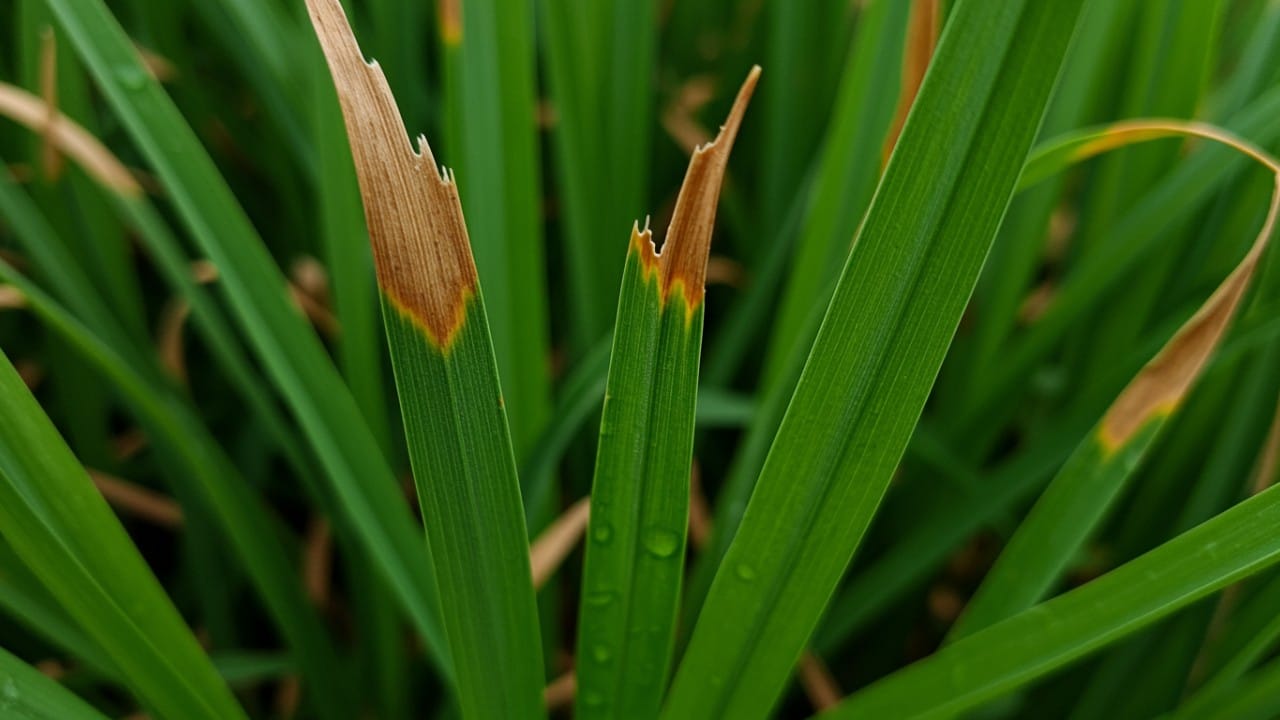
3. Mowing During Peak Heat
Mowing in the midday sun puts immense stress on the grass. Instead, try to mow in the early morning or evening when temperatures are cooler. This reduces moisture loss from the fresh cuts.
Tip: Smart irrigation systems like IrriSense 2 can be scheduled via app to water during these cool times (early morning is best) to prevent disease and evaporation, aligning perfectly with modern summer lawn care practices.
Conclusion: Protect Your Lawn the Smart Way
Finding the best mowing height for summer is the most effective way to protect your lawn from heat, drought, and stress. Taller grass cools the soil, extends deep roots, and stays green longer.
However, height alone isn't enough. Complete your lawn care plan with smart watering. The Aiper IrriSense 2 supplies water only when necessary, sprays evenly with EvenRain™, and responds intelligently to weather changes. By combining a high mower deck with smart irrigation, you can save water and enjoy a lush, resilient lawn all summer long.
Set your mower blade high today, water wisely, and let technology handle the rest.
FAQ: Summer Mowing and Watering
Should I bag clippings in summer?
No. Leave the grass clippings on the lawn (mulching). They act as a natural fertilizer, returning nutrients and moisture to the soil, which helps maintain a healthy lawn height resistant to heat.
How often should I mow during a drought?
Reduce your mowing frequency. Only mow when the grass is actively growing. If the lawn goes dormant (turns brown) due to drought, stop mowing completely until it recovers.
Does IrriSense 2 support lawn nutrients?
Yes. The Aiper IrriSense 2 features a built-in nutrient dispenser, allowing you to feed your lawn automatically while you water, ensuring comprehensive summer lawn care.