
How to Get Rid of Army Worms in Grass: A Complete Guide
Identify fall armyworms early using the soap flush test, treat severe infestations in the late afternoon, and maintain consistent lawn hydration with smart irrigation to prevent these destructive pests from returning.

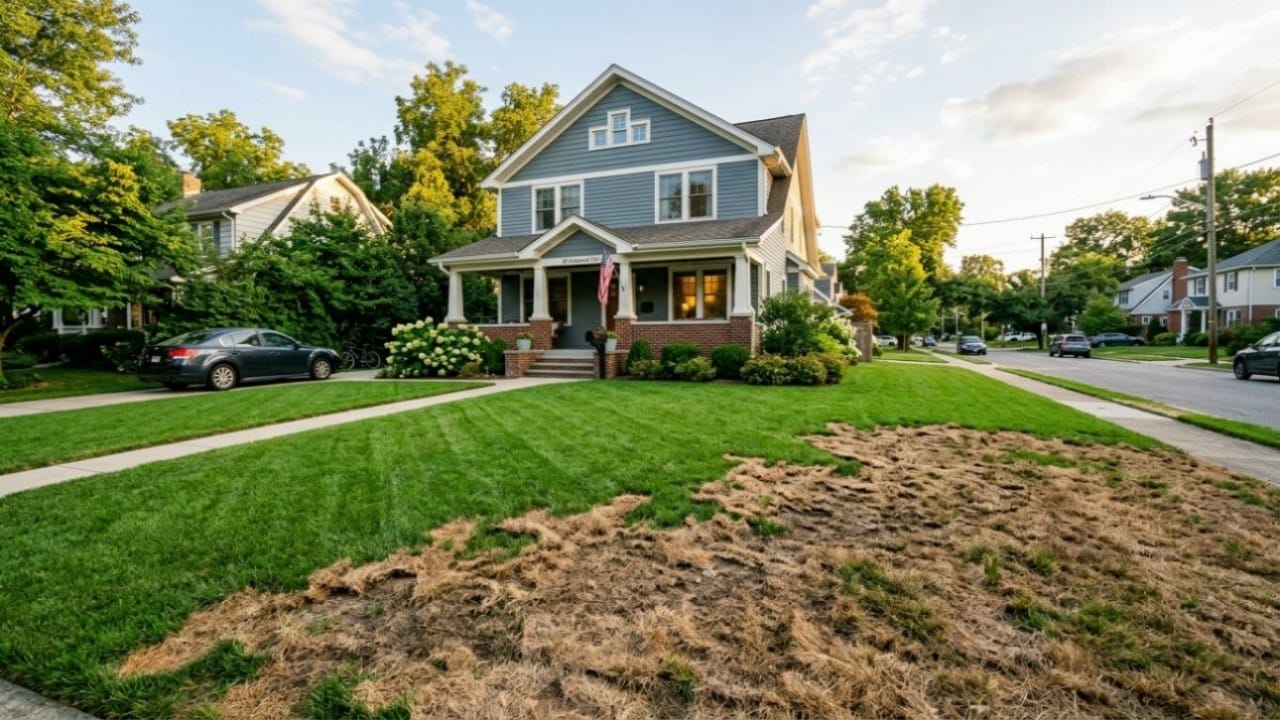
Many homeowners have experienced the frustration of waking up in late summer or early fall to find their once lush lawn suddenly covered with brown patches. In severe cases, large sections of grass may look as though they were mowed down overnight. The culprit is often a fast-moving lawn pest known as the fall armyworm.
If you are panicking and wondering how to get rid of army worms, this guide will explain the most effective ways to handle the problem. Armyworms can damage turf quickly, but with the right approach, they can be controlled before they destroy an entire yard.
In the following sections, you will learn how to identify armyworms accurately, recognize the signs of damage, test your lawn to confirm their presence, and apply both natural and chemical treatment options. You will also learn how healthy watering habits and modern irrigation tools can help strengthen grass and reduce the chances of future infestations.
What Are Army Worms and How to Identify Them?
Before learning how to get rid of army worms in grass naturally, you must first confirm that armyworms are actually the pest damaging your lawn. Many lawn issues look similar at first glance, so correct identification is essential.
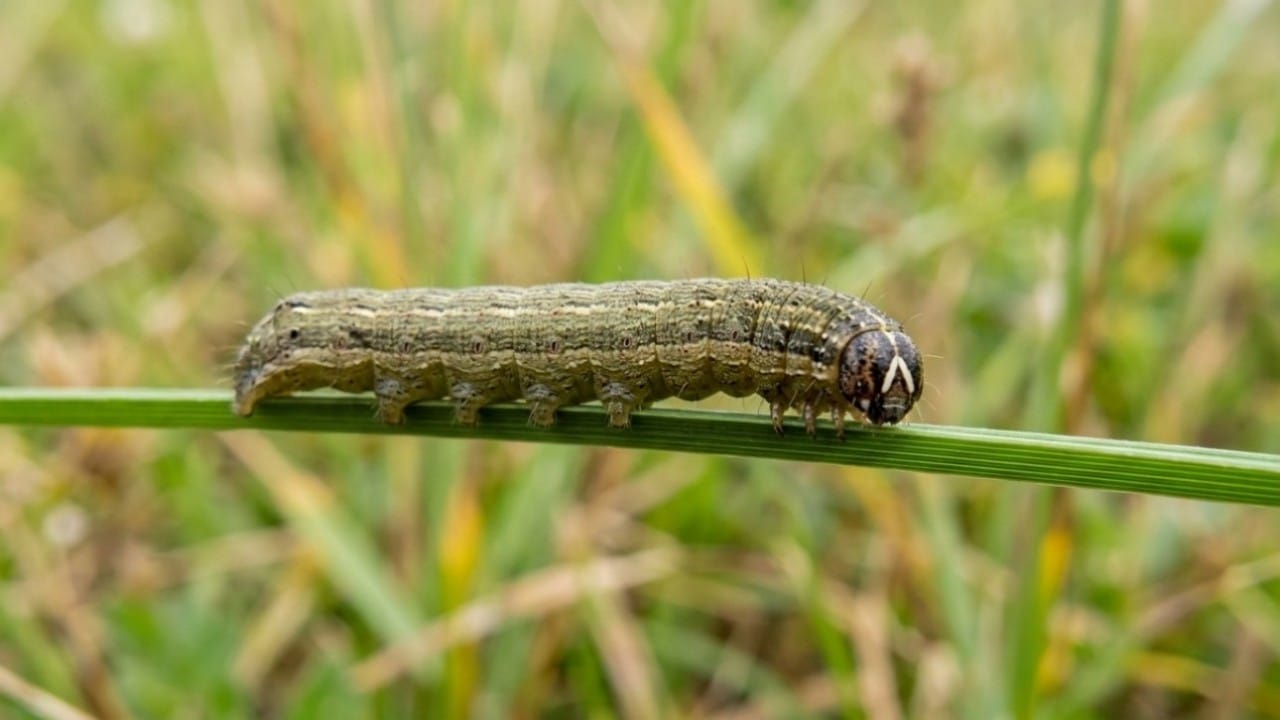
Armyworms are the caterpillar stage of the fall armyworm moth. These larvae are named for the way they move across lawns in large groups, consuming vegetation as they go. They feed primarily on turfgrass but can also attack vegetable gardens and ornamental plants.
The caterpillars are usually green, brown, or gray with faint stripes running along the body. One of their most recognizable features is an inverted “Y” marking on the head capsule. Mature larvae can grow up to about 1.5 inches long. Because they feed mostly during the evening and nighttime hours, homeowners often notice the damage before seeing the insects themselves.
Signs of Army Worm Damage in Grass & Garden
Armyworm damage can develop very quickly. A lawn that looked healthy a few days ago may suddenly show irregular brown patches or thin areas where grass blades appear shredded.
Typical signs include:
- Grass blades that look chewed with ragged or transparent edges
- Rapidly expanding brown or yellow patches in the lawn
- Large numbers of small caterpillars are visible in the early morning or evening
- Birds feed heavily on the lawn, often signaling insect activity
Because discoloration can have several causes, homeowners sometimes confuse pest damage with fungal issues or drought stress. If you are unsure, check out this guide on how to distinguish between pest damage and lawn diseases.
Armyworms can also attack vegetables and ornamentals. If you are searching for how to get rid of armyworms in garden beds, the same identification process applies. Look for chewed leaves, skeletonized foliage, and visible caterpillars hiding near the soil surface.
The Soap Flush Test: Diagnosis Guide
The soap flush test is one of the easiest ways to confirm whether armyworms are present in your lawn. This simple method forces hidden caterpillars to surface so they can be easily counted.
Follow these steps:
- Mix 1–2 tablespoons of liquid dish soap with 1 gallon of water.
- Pour the mixture evenly over a 1 square foot section of the damaged lawn.
- Wait about 10 minutes and observe the area carefully.
- Watch for caterpillars surfacing from the soil or thatch layer.
If several larvae emerge within a few minutes, it strongly indicates that armyworms are responsible for the damage.
Confirming the pest first is an important step before applying any treatments. Proper identification helps you avoid unnecessary chemicals and ensures the solution you choose actually targets the problem.
How to Get Rid of Army Worms Naturally
When homeowners search for how to get rid of armyworms naturally, they are usually looking for environmentally friendly solutions that protect both the lawn and surrounding wildlife.
Several organic treatments can effectively control armyworm larvae when applied early in an infestation.
- Bacillus thuringiensis (Bt) targets caterpillars specifically and is one of the most widely used biological treatments. This naturally occurring soil bacterium targets caterpillars specifically. When larvae ingest treated grass blades, the bacteria disrupt their digestive systems, stopping feeding and eventually eliminating the pest. Bt products are safe for beneficial insects, pets, and humans when used correctly.
- Another natural option is beneficial nematodes, microscopic organisms that hunt soil-dwelling pests. Once released into the lawn, these nematodes enter the caterpillar larvae and release bacteria that quickly eliminate them. They are particularly useful for controlling armyworms hiding in thatch or soil layers.
- Neem oil can also help manage larval populations. When applied to grass blades, neem interferes with the insects’ feeding and development cycle. To avoid leaf burn, it is best to apply neem oil early in the morning or late in the day when sunlight is less intense.
Natural methods often work best when infestations are detected early. Regular lawn inspection during peak summer months can make these solutions far more effective.
Chemical Solutions for Severe Infestations
In cases where armyworms appear in large numbers and spread quickly, natural treatments may not act fast enough. When lawns face severe damage, chemical control products can help stop the infestation.
Common insecticides used against armyworms include Spinosad, Bifenthrin, and other lawn-specific caterpillar treatments. These products work by targeting the nervous system of the larvae and stopping feeding activity rapidly.
Proper timing plays a big role in how well insecticides work against armyworms. A guidance from the Clemson University Cooperative Extension’s Home and Garden Information Center notes that treatments are most effective when applied later in the day, usually in the late afternoon or early evening.
Armyworms tend to feed more actively after sunset, so applying products closer to that time increases the chances that the larvae will come into contact with the treatment while feeding.
It is also important to follow the directions on the product label carefully and avoid applying more than recommended. When used correctly and combined with good lawn care habits, chemical treatments can help bring a heavy infestation under control without putting unnecessary stress on the lawn.
Treatment Comparison: Natural vs. Chemical
To help you decide the best course of action for your lawn, here is a quick comparison of the two approaches:
| Treatment Type | Best Used For | Speed of Results | Optimal Application Time |
|---|---|---|---|
| Natural (Bt, Nematodes, Neem) | Early detection, mild to moderate infestations | Slower (takes a few days to stop feeding) | Early morning or late afternoon |
| Chemical (Spinosad, Bifenthrin) | Severe, fast-moving, and widespread infestations | Fast (often immediate control) | Late afternoon or early evening |
Preventing Future Infestations: The Secret is Lawn Health
Even after successful treatment, preventing future infestations is essential. Armyworms often target lawns that are stressed, dry, or weakened by inconsistent care.
A thick and well-hydrated lawn acts as a natural defense. Healthy turf can tolerate minor feeding without significant visible damage. Maintaining proper watering routines helps grass grow dense roots and recover faster if pests appear.
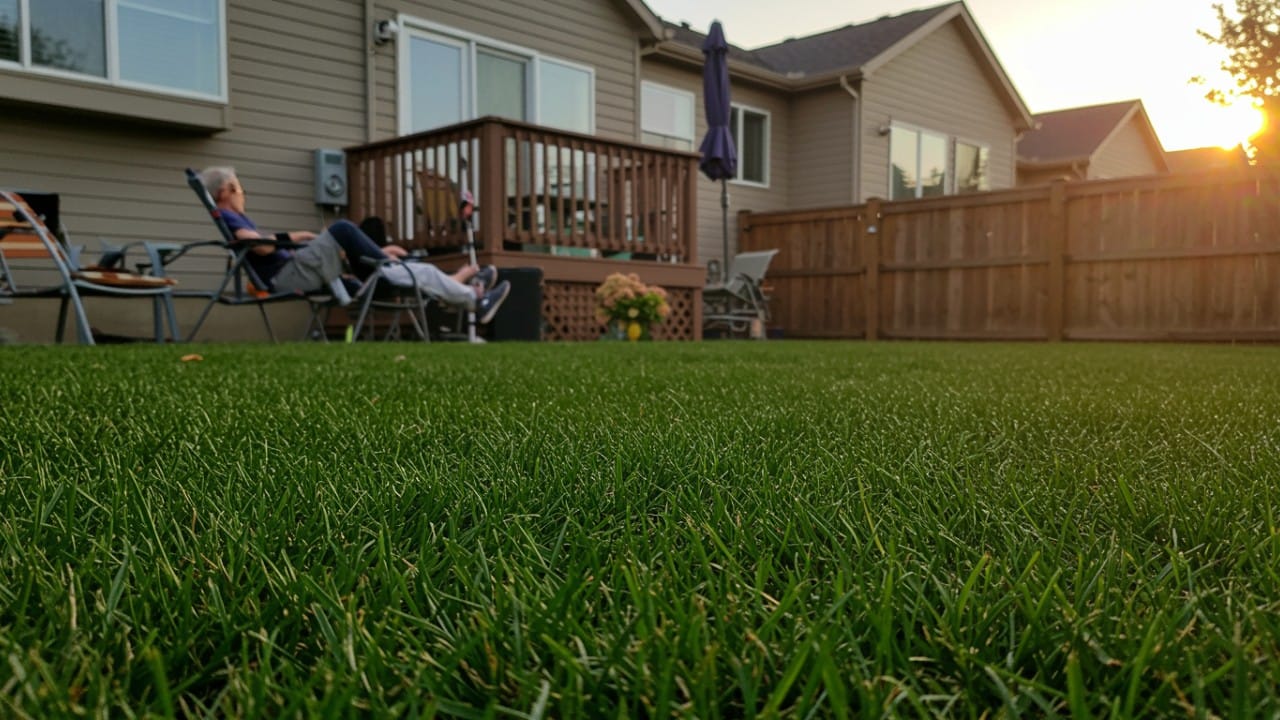
Traditionally, achieving consistent watering meant either manually watering the lawn or installing complex underground irrigation systems. Today, homeowners have more flexible options that simplify lawn care. Understanding the benefits of a smart irrigation system can help maintain healthier grass while conserving water:
Modern irrigation technology can also reduce the guesswork involved in lawn care. A good example is the Aiper IrriSense 2, a compact 4-in-1 smart irrigation system designed to simplify lawn watering.
Instead of relying on multiple pieces of equipment, the system integrates several key functions into one device. It combines the irrigation controller, sprinkler, chemical dispenser, and solenoid valve into a single unit. This design reduces installation complexity and eliminates the need for buried irrigation components, which can lower maintenance requirements for homeowners.
Water efficiency is another advantage. The system can achieve up to 40 percent water conservation without compromising lawn health. By delivering precise irrigation, grass receives the moisture it needs without wasteful overwatering. This is critical because consistently soggy, overwatered soil actually attracts adult fall armyworm moths to lay their eggs.
Smart scheduling also plays an important role. Using weather-based adjustments and precise map irrigation, the system applies water only when necessary. Its TÜV-certified pressure stabilization system, combined with EvenRain technology, helps maintain consistent spray patterns even when household water pressure fluctuates. This stability prevents overspray outside the designated watering area.
When grass receives consistent and balanced hydration, it becomes more resilient. Stronger turf is naturally better equipped to recover from minor pest activity and resist large-scale infestations like armyworms.
The Bottom Line
Armyworms can damage lawns quickly, but they are manageable with the right strategy. Early identification using the soap flush test allows homeowners to respond before major damage occurs.
Once confirmed, treatments ranging from natural solutions to targeted insecticides can control the larvae effectively. Maintaining healthy watering practices and consistent lawn care is equally important. A well-hydrated, resilient lawn is far less attractive to destructive pests and better prepared to recover if they appear.
Frequently Asked Questions on Army Worms
Can army worms hurt my pets?
Armyworms are primarily a nuisance to grass and plants. They are not toxic to dogs or cats. However, pets should be kept away from lawns immediately after chemical insecticide treatments until the product has dried.
Will grass grow back after army worm damage?
Yes. In most cases, grass recovers well because armyworms typically feed on the blades rather than the root system. With proper watering and fertilization, lawns usually regrow within a few weeks.
What is the fastest way to get rid of army worms?
For severe infestations, liquid insecticide treatments applied in the evening often provide the quickest control. Nighttime application targets the period when larvae are most active and feeding, allowing the treatment to work more effectively.