
How to Increase Water Pressure in Sprinkler System: A Complete Guide
Restore your lawn’s health by diagnosing low water pressure. Learn to fix clogged heads, open valves, and detect leaks, or switch to a smart above-ground system for consistent coverage without digging.

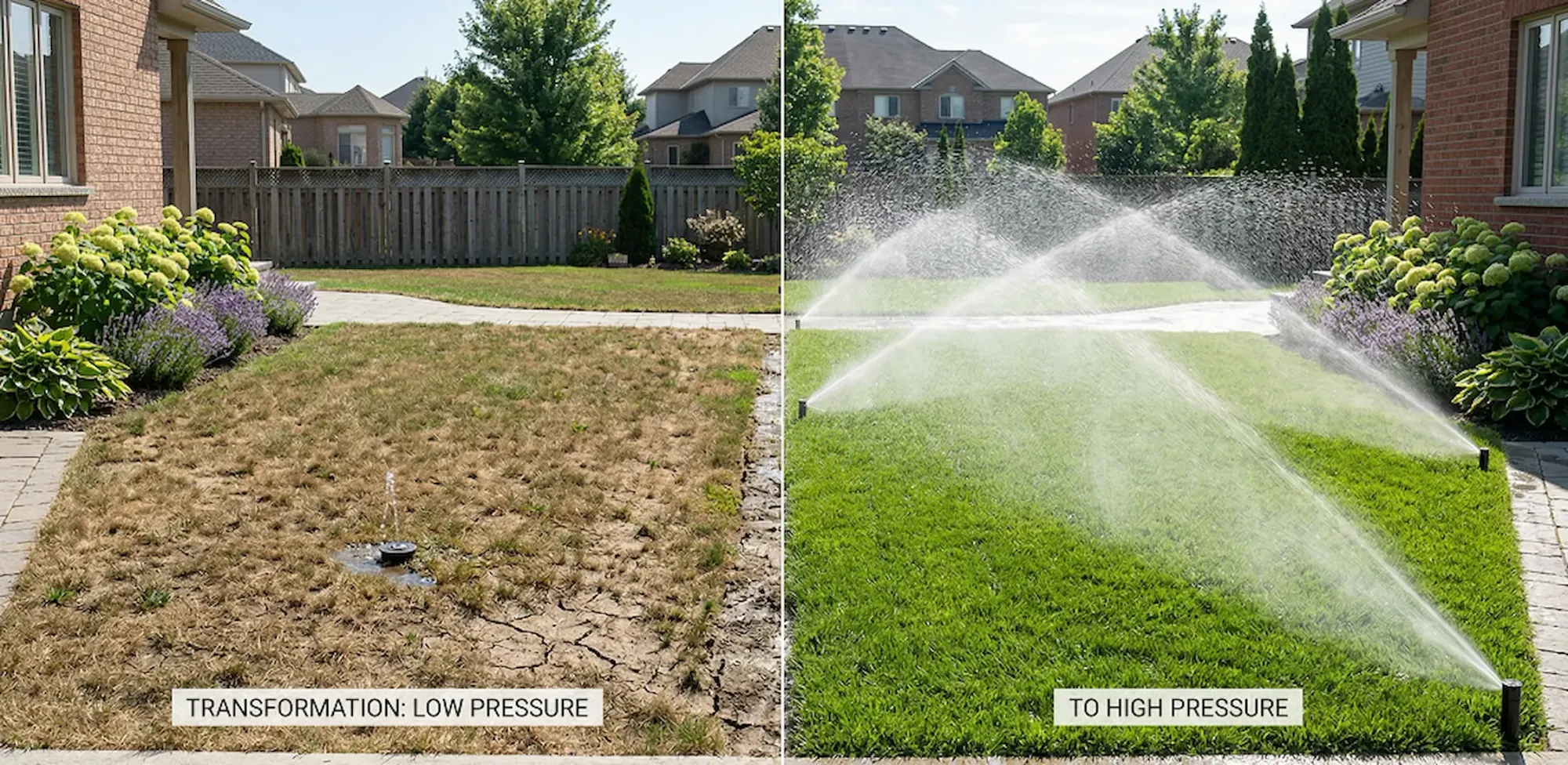
Few things are more frustrating than turning on your sprinklers and watching them barely spit out water while your lawn slowly turns brown. If you have been searching for how to increase water pressure in sprinkler system setups like yours, you are not alone. This is a common issue for homeowners across the US, and the good news is that it is usually fixable.
In this guide, we will walk through the most likely causes, show you how to diagnose the problem, and give you practical DIY steps to get your system running the way it should.
Understanding Your Low Water Pressure Sprinkler System
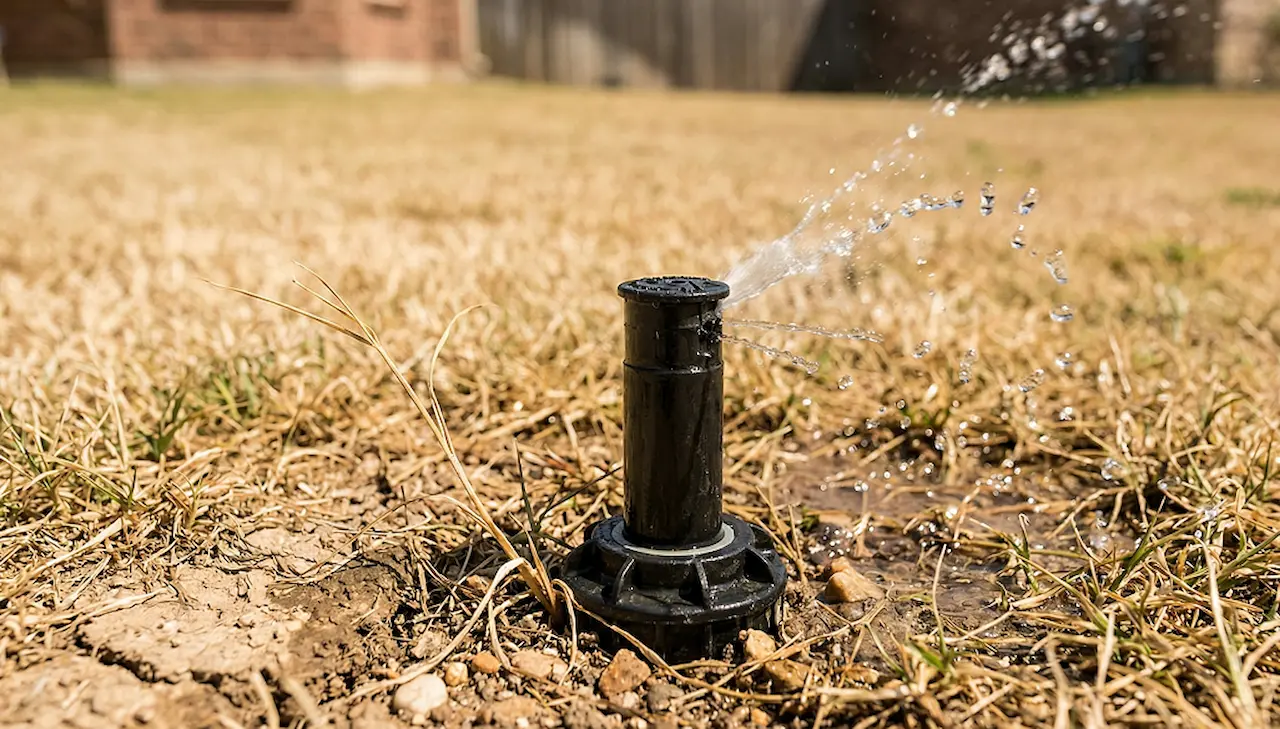
Water pressure is the backbone of any irrigation system. Without enough force behind it, sprinkler heads cannot pop up fully. Instead of a strong, even spray, you get weak streams that barely reach the surrounding grass. That is exactly what happens in a low water pressure sprinkler system that is struggling to perform the way it should.
If your system is having issues, you will usually notice it right away. Some heads may barely rise or get stuck halfway. Others spray in short, uneven bursts, leaving random dry patches across the yard. Over time, those spots become more obvious, and the grass can start to look thin or stressed.
Pressure is really about balance. Not enough force, and the water does not reach its target. Too much pressure and it turns into a fine mist that drifts away in the wind. The goal is to find that middle ground where each head sprays steadily, and the lawn gets watered evenly without waste.
Common Causes of Dropping Water Pressure
Before you can fix a pressure issue, you need to know what is causing it. In most cases, the problem is mechanical and relatively simple.
The Main Water Valves
Sometimes the problem is surprisingly simple. After winterizing the system or doing plumbing work, a valve might not be turned all the way back on. Even being slightly closed can slow the water down more than you’d expect. It doesn’t take much restriction to affect the whole system.
Clogged Sprinkler Heads
Sprinkler heads sit in the dirt all year, so it’s no surprise they collect debris. Bits of soil, sand, or mineral buildup can sneak inside over time. When that happens, the spray weakens or starts shooting in odd directions. Even a small clog can throw things off.
Underground Leaks
Leaks are trickier because you can’t always see them right away. A small crack in a PVC pipe underground can divert water before it ever reaches the sprinkler head. You end up with lower pressure, soggy patches in the yard, and sometimes a higher water bill.
Municipal Supply Issues
And sometimes, it’s not your system at all. In the middle of summer, when everyone on the block is watering at the same time, pressure can dip. Occasional city maintenance or work on water lines can also affect the supply temporarily.
For best practices on water efficiency, the EPA offers helpful guidance through its WaterSense program.
Step-by-Step: How to Increase Water Pressure in Sprinkler System
If you are ready to troubleshoot, follow these steps in order. Start simple before moving to more advanced adjustments.
Step 1: Check and Fully Open Your Valves
Start with the basics. Find your backflow preventer and main shut-off valve. They’re usually along the side of the house or tucked inside a ground box.
Take a close look at the handles. They should line up straight with the pipe. If a handle is even slightly turned, it can slow the water down. Gently turn it until it’s fully open, then test the system again.
Step 2: Clean or Replace Clogged Heads
If one part of your yard looks drier than the rest, start there. Walk over to that sprinkler head and take a closer look. Unscrew it gently and lift it out. Most of the time, you’ll find a small filter inside that traps dirt and sand. It doesn’t take much buildup to mess with the spray.
Give the filter a quick rinse with the hose and check the nozzle opening too. Sometimes, a tiny bit of debris is all that’s causing the problem. Once it’s clean, put it back together and turn the system on to see if it’s spraying better.
If the head is cracked, old, or just looks worn down, replacing it might save you time instead of trying to fix it again later.
Step 3: Hunt for Underground Leaks
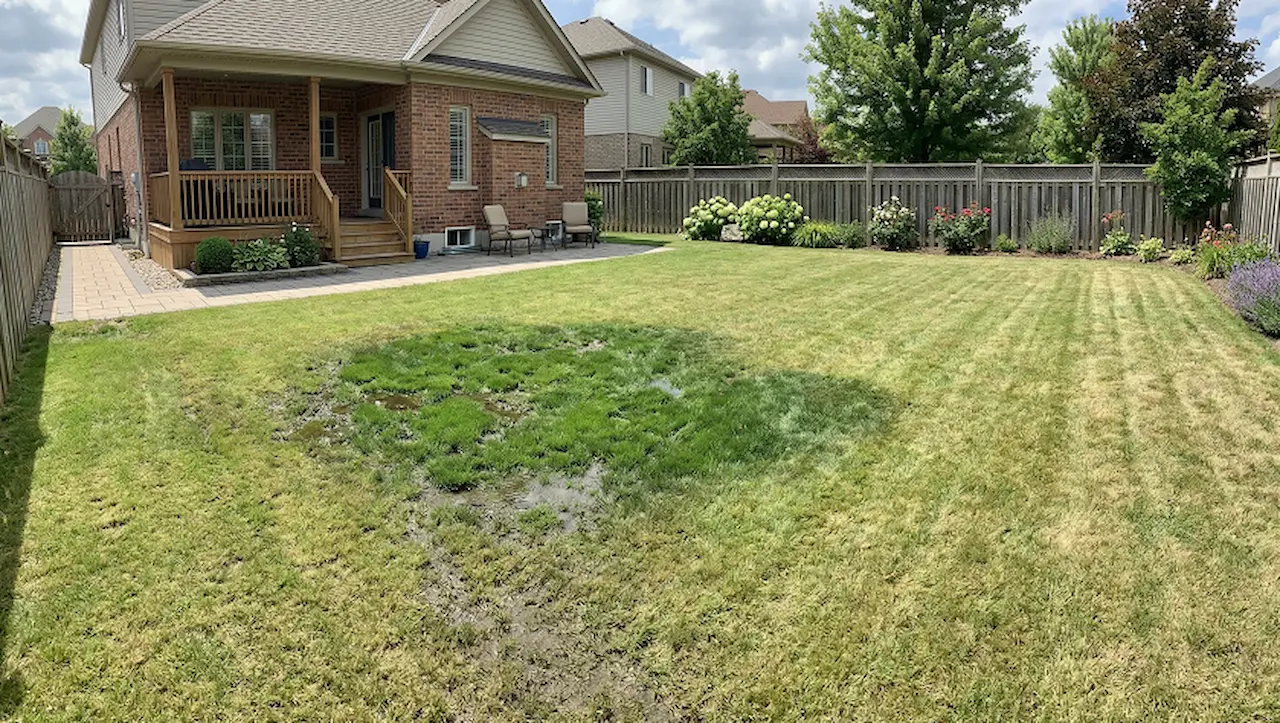
Now turn the system on and take a slow walk around your yard. Pay attention to soft, soggy patches or spots where the grass looks much greener and taller than the rest. Those areas often signal water escaping underground.
If you think there’s a broken pipe, you may need to dig carefully in that area and repair or replace the damaged section.
Step 4: Adjust the Pressure Reducing Valve
If the water pressure inside your house feels weak, too, the Pressure Reducing Valve may be part of the problem. This valve controls how much pressure enters your home through the main water line.
Find the adjustment bolt on top of the valve and turn it slightly clockwise with a wrench to increase pressure. Make small turns and test the system each time. Do not over-adjust, as too much pressure can strain pipes and appliances.
Upgrading Your Setup: Finding a Good Sprinkler for Low Water Pressure
If you have tried all the DIY fixes and your municipal water pressure is simply too weak to push up traditional underground sprinkler heads, ripping up your yard to install booster pumps or new pipes is not your only option.
In these cases, the smartest move may be investing in a good sprinkler for low water pressure. Modern above-ground systems are designed to work efficiently even when pressure fluctuates.
One example is the Aiper IrriSense 2. Rather than relying on a network of underground pipes and multiple pop-up heads, it operates as a 4-in-1 Smart Irrigation System. The controller, sprinkler, fertilizer dispenser, and valve are integrated into a single unit. This design removes the need for complex underground equipment, reducing installation costs and ongoing maintenance.
Traditional systems often struggle when pressure drops. The IrriSense 2 uses a TÜV-certified pressure stabilization system along with EvenRain technology to maintain a steady, consistent spray. Even if your home’s pressure fluctuates, the device keeps water within its designated mapping area and avoids overspray.
Through precise map spraying and smart weather scheduling, users can save up to 40 percent on water while maintaining a healthy lawn. The companion app allows homeowners to track watering schedules and monitor water savings directly, making adjustments simple and data-driven.
Expert Q&A: Troubleshooting Sprinkler Pressure
Can too many sprinkler heads cause low pressure?
Yes. Every water supply has a maximum GPM, or gallons per minute, capacity. If a single zone includes too many heads, the available flow is divided among them. As a result, pressure drops at each head. Reducing the number of heads per zone or redesigning the layout can solve this issue.
Will a booster pump fix my problem?
A booster pump can increase pressure in homes with a chronically low municipal supply. However, it is a heavy-duty mechanical solution that involves higher cost and installation complexity. In many cases, switching to a smart above-ground system designed for fluctuating pressure can be more cost-effective and easier to maintain.
Conclusion
Fixing sprinkler pressure problems often starts with simple steps like opening a valve or cleaning a clogged head. By working through the system methodically and understanding the root cause, you can restore strong, even coverage. With the right setup and smart tools, a lush green lawn is well within reach.