How to Loosen Compacted Soil Without Breaking Your Back
Stop fighting compacted clay with brute force. Discover 4 expert-backed methods to permanently loosen soil, boost root growth, and restore your lawn’s health without backbreaking labor.

Are you tired of fighting with hard, dense clay every time you work in your yard? Before you grab a shovel and start digging, it’s crucial to understand the science beneath your lawn. Brute force alone will only leave you with an aching back and sheer frustration. If you want to know how you can effectively loosen heavily compacted soil, the secret isn't just digging harder—it’s about working smarter to permanently change the earth's physical structure.
Today, we dive into the proven, expert-backed treatments that will soften your hard yard and create a thriving environment for your grass and plants.
Understanding Soil Compaction: Why Is Your Yard So Hard?
Soil compaction occurs when soil particles are pressed tightly together, eliminating the vital pore space needed for air, water, and root expansion. Heavy clay soils are particularly susceptible to this issue due to their exceptionally fine particle size. When compressed by heavy foot traffic, lawnmowers, or construction equipment, these particles lock together like concrete.
Identifying high soil density early is critical. You might notice rainwater pooling on the surface instead of soaking in, grass roots remaining shallow and weak, or the ground feeling impenetrable when you push a shovel into it. While performing routine core lawn aeration provides excellent temporary relief by physically removing soil plugs, a truly lasting solution requires fundamentally improving the soil’s composition so it naturally stays loose.
How to Break Up Hard Soil: 4 Proven Methods
Brute force is not the only answer. The real objective when figuring out how to break up hard soil is to improve the soil structure from the inside out. Let us explore four proven, highly effective methods.
1. Add Organic Matter (The Long-Term Fix)
Adding organic matter—such as compost, leaf mold, or aged manure—is the most effective long-term strategy for soil restoration. Your ultimate goal is to achieve an overall organic matter content of 5% to 10% in your soil. Reaching this ratio permanently alters the structure of heavy clay, preventing future compaction.
According to research from the University of Delaware Cooperative Extension, decomposing organic materials attract soil organisms that naturally aerate the earth through the creation of pore space.
To execute this method effectively:
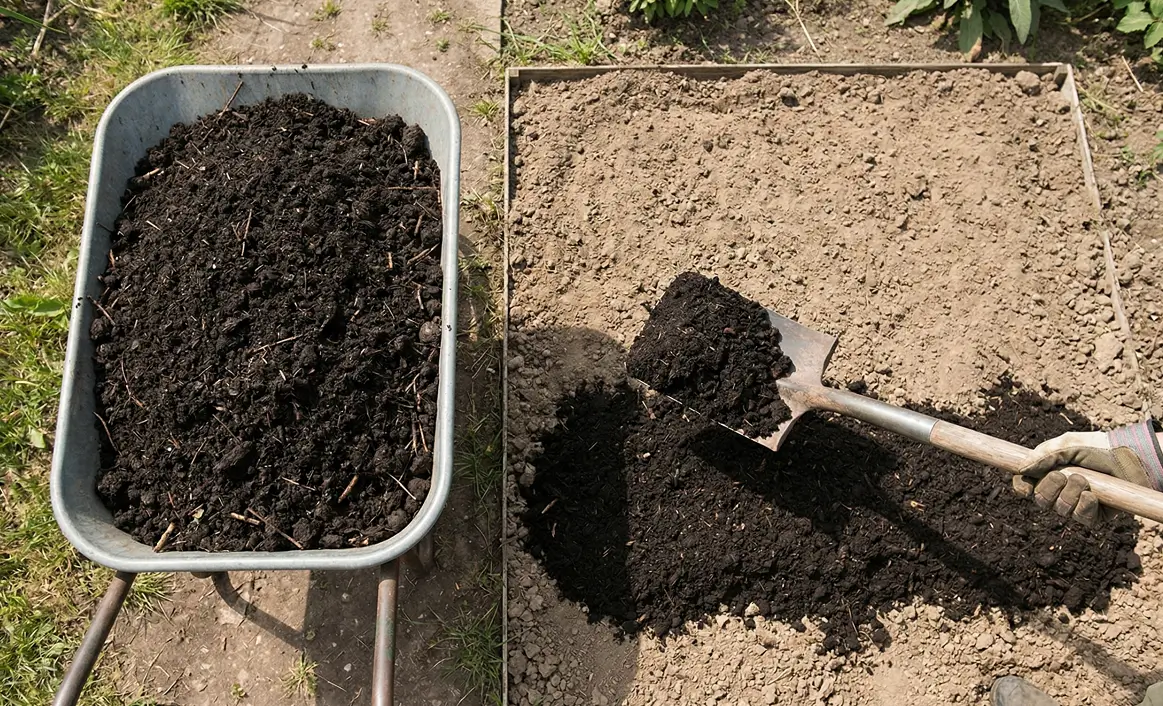
- Spread a Thick Layer: Apply a 2- to 3-inch layer of rich compost directly over the hard clay surface.
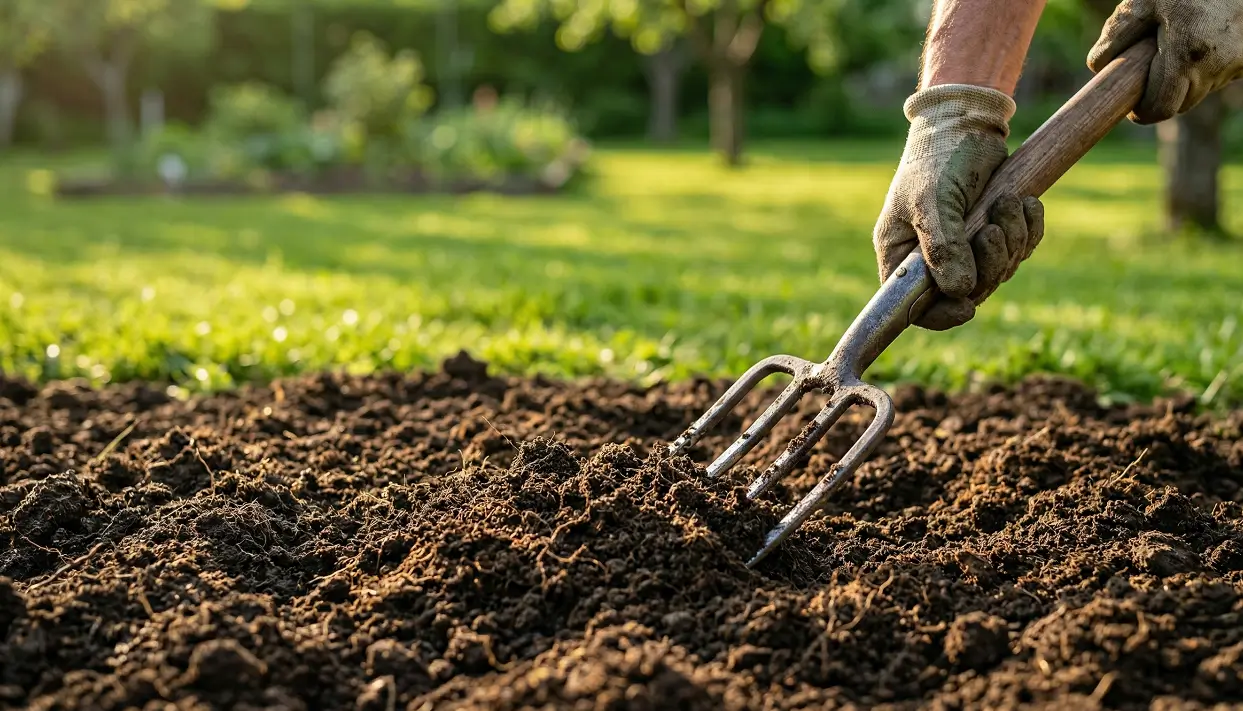
- Incorporate the Material: Work the compost into the top 6 inches of the ground using a tiller or garden fork.
- Let Nature Take Over: Allow the soil ecosystem to settle.
If you want to create a sustainable supply of this crucial material, learning how to start composting at home is a highly rewarding first step.
2. The Smart Yard Approach: Automated Soil Treatment
For homeowners seeking a high-tech, low-effort compacted soil treatment, smart automation is the ultimate solution.
The Aiper IrriSense 2 is the world's first 4-in-1 multi-zone smart irrigation system. This advanced device acts as a controller, sprinkler, electrical valve, and chemical feeder all in one seamless unit.
The true magic happens when you pair this system with the SoilPulse™ Microbial Organic Soil Amendment. Instead of manually spreading heavy bags of amendments, the IrriSense 2 automatically distributes this organic, microbial formula directly through your irrigation setup. The microbes aggressively work to loosen the soil, improve water retention, and break down toxins over time. Backed by patented EvenRain™ technology, the system ensures perfectly consistent coverage without overwatering or creating runoff.
3. Sheet Composting (Lasagna Gardening)
Sheet composting, often called "lasagna gardening," is a highly recommended method for establishing new garden beds directly over hard surfaces without tilling.
Follow this step-by-step layering process:
- Step 1: The Base Layer. Lay down thick, overlapping cardboard or newspaper directly over the hard ground. This smothers existing weeds and attracts earthworms to the surface.
- Step 2: The Green Layer. Add nitrogen-rich materials like kitchen scraps, coffee grounds, and fresh grass clippings.
- Step 3: The Brown Layer. Top with a thick layer of carbon-rich materials such as dry leaves or straw, and finish with a layer of compost.
Over time, earthworms and microbes devour these layers, naturally breaking up the hard clay underneath and providing an ideal, aerated ecosystem for plant growth.
4. Plant Deep-Rooted Cover Crops
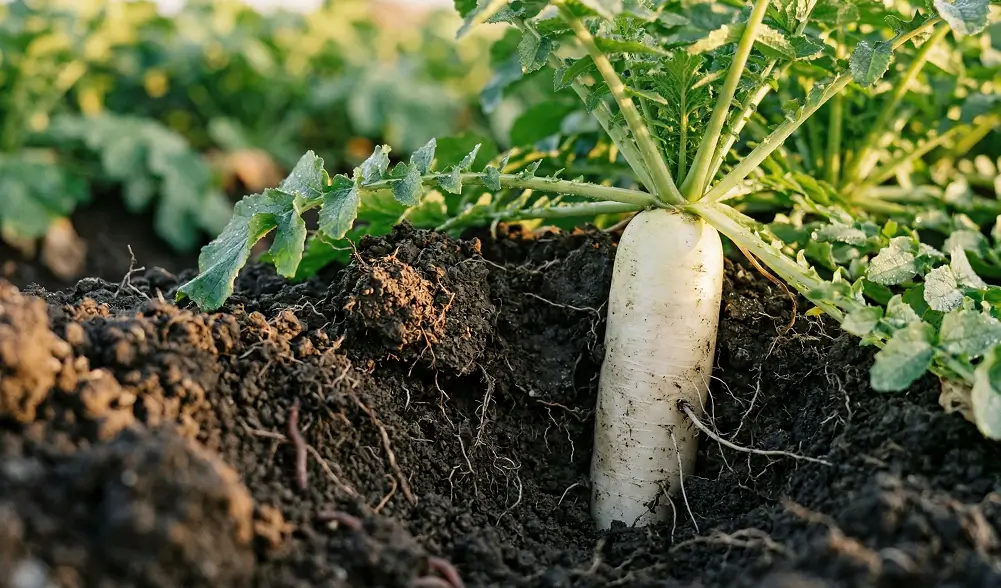
You can use nature's own tillers to fight dense earth. Planting deep-rooted cover crops like tillage radishes, oats, and specific legumes acts as a biological plow.
Beyond the physical penetration of their deep taproots, these cover crops form symbiotic relationships with mycorrhizal fungi. This microscopic fungal network aggressively spreads through heavy clay, chemically and physically breaking down the dense soil structure far beyond what roots alone could reach. When winter arrives and these plants die, their rotting roots leave behind massive natural channels for water and oxygen.
How to Loosen Compacted Soil Before Sod
Laying new turf directly over hard clay guarantees failure. The roots will struggle to penetrate, and water will simply run off. If you are planning a lawn renovation, knowing how to loosen your compacted soil before laying sod is non-negotiable.
Follow these steps for mechanical loosening:
- Moisten the Ground: Water the area heavily 1 to 2 hours before working. Dry clay shatters tools, and muddy clay forms impossible clods. You want it moist but workable.
- Break the Surface: Use a garden fork or pick mattock to crack the dense top crust.
- Amend Deeply: Incorporate heavy amounts of compost during the rototilling process to ensure you hit that 5% to 10% organic matter target.
Taking these steps ensures deep sod rooting and vigorous long-term lawn health.
Common Mistakes to Avoid When You Soften Hard Soil
Even well-intentioned gardeners make critical errors when attempting to soften hard soil. Avoid these major pitfalls:
- Over-Tilling: Running a rototiller too frequently pulverizes the soil structure and destroys the natural microbiome, eventually causing the soil to compact even worse than before.
- Adding Sand to Clay: Never mix large amounts of pure sand directly into heavy clay. This combination creates a concrete-like structure that is nearly impossible to fix. Always rely on organic matter to improve soil texture.
FAQ: Fixing Compacted Soil
Can water alone fix compacted soil?
No. While watering may temporarily soften the top crust to make digging easier, it does not fix compacted soil. You must introduce organic matter or microbial amendments to permanently change the earth's structure.
What is the fastest way to break up hard clay soil?
Mechanically loosening the top layer with a garden fork while heavily mixing in compost provides the quickest immediate relief. However, using automated microbial treatments requires far less physical labor.
Will grass grow in compacted soil?
Grass struggles immensely in dense dirt due to a severe lack of oxygen and chronic water runoff. The ground must be thoroughly loosened and aerated before you attempt seeding or laying sod.